
back to top

Loud Noise

Loud Noise disrupts mythological beings, acting as a reliable point of weakness across various cultural tales and legends.

Relevant Beasts
Asia
Serpentine Beast
Bashe - Chinese Mythology
China

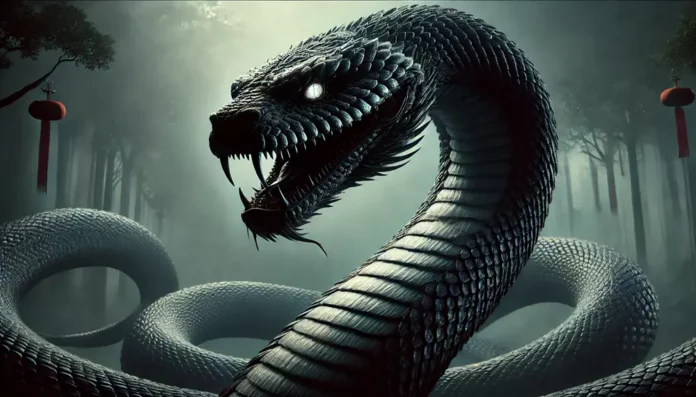
Bashe

Bashe is a snake-like dragon from Chinese legend that swallows elephants whole and hides in the bamboo forests.
  • Skills
Earth ManipulationStrength
  • Weaknesses
Fire VulnerableLoud Noise
Europe
Water Predator
Bukavac - MythBests.com
Serbia

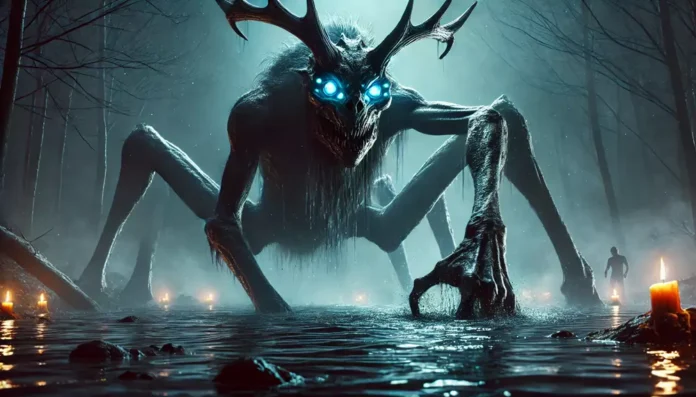
Bukavac

The Bukavac is a six-legged monster from Serbian folklore, often depicted as an amphibious creature lurking in swamps and...

  • Skills
Night VisionSonic Roar
  • Weaknesses
Loud NoiseSilver Weak

Loud Noise – Overview

Loud Noise in mythology often serves as a structural weakness for various entities. This weakness is not merely a narrative device but a conceptual limitation that underscores vulnerability. Mythological systems emphasize Loud Noise as significant because it reflects the inherent fragility in power dynamics. Such vulnerabilities often signify boundaries or restrictions that maintain balance within the mythological narrative.

Defining Characteristics of the Weakness

Nature of the Limitation

Loud Noise typically represents a metaphysical restriction within mythological contexts. The weakness is often portrayed as a disruption to mystical or magical equilibrium. This disruption can undermine the inherent strengths of certain beings, challenging their dominion or influence. It is not merely a physical vulnerability but signifies a deeper, existential constraint, emphasizing the interconnectedness of sound and power.

Conditions of Exposure

The activation of Loud Noise as a weakness often depends on symbolic conditions. It might occur only in specific sacred spaces or during particular rituals. These conditions highlight environmental dependencies where cosmological harmony is essential. The presence of Loud Noise in these settings emphasizes how environmental elements can uncover hidden weaknesses in powerful entities.

Mythological Role and Function

Function Within Mythological Systems

Loud Noise operates within mythological systems by regulating power. It ensures that no entity can achieve absolute dominance, preserving cosmic order. This concept prevents beings from overreaching, thus maintaining equilibrium. The presence of such a weakness enforces balance, illustrating that even the most potent forces have limitations, avoiding the destabilization of mythological structures.

Symbolic and Cultural Meaning

Symbolically, Loud Noise often represents inevitability or moral consequence. It serves as a reminder of limitations inherent in all things, enforcing sacred laws. Across cultures, Loud Noise might symbolize the boundary between divine and mortal realms. It underscores the futility of hubris, ensuring that entities respect the natural order and acknowledge their vulnerabilities.

Distinction from Related Mythological Weaknesses

Conceptual Boundaries

Loud Noise differs from general mortality or physical injury as it is often a metaphysical or existential constraint. It implies a cosmological boundary rather than a punishment or taboo violation. Unlike situational defeat, it is ever-present in the mythological fabric, rather than being a one-off narrative event. These distinctions highlight its unique role in mythological classification.

Common Sources of Misclassification

Loud Noise is sometimes conflated with other vulnerabilities due to its abstract nature. However, comparative mythology distinguishes Loud Noise through its recurring metaphysical implications. Scholars differentiate it from more straightforward weaknesses by emphasizing its symbolic significance. This allows for nuanced understanding within the broader mythological discourse.

Canonical Beings Defined by Loud Noise

Jormungandr

In Norse mythology, Jormungandr is an example where Loud Noise is significant. Its defeat is prophesied to occur amid loud clashes in Ragnarok. This illustrates its inherent limitations and vulnerabilities through sound.

Dullahan

The Dullahan in Irish folklore is said to be disrupted by a sudden noise. This being’s identity is defined by this weakness, ensuring that its narrative coherence relies on the presence of sound.

Yamata no Orochi

The Japanese serpent, Yamata no Orochi, is associated with Loud Noise. Its defeat involves musical interruptions, emphasizing its dependency on sound and illustrating the limitations imposed by this weakness.

Historical Distribution and Cultural Context

The concept of Loud Noise as a mythological weakness appears broadly across cultures. It is prominent in narratives where sound acts as a boundary or disruptor. This weakness reflects cultural environments that perceive sound as both sacred and profane. Across historical periods, it serves to regulate mythological power dynamics, ensuring no entity becomes omnipotent.

Scholarly Interpretation and Uncertainty

Variation in Interpretation

Interpretations of Loud Noise vary significantly. Some cultures view it as a literal vulnerability, while others see it as symbolic. Scholarly frameworks differ on whether it primarily represents mortality or sacred law. This diversity reflects broader cultural values and cosmologies.

Limits of the Evidence

There are gaps in the historical record regarding Loud Noise. Some traditions lack clear documentation, leading to scholarly debate. While some interpretations are established, others remain speculative. No verified sources describe all contexts uniformly, highlighting the complexity and ambiguity in understanding this weakness fully.

Mythological Function Across Cultures

Loud Noise recurs across mythological traditions due to shared human concerns. It addresses the need for symbolic boundaries and cosmological functions. Recognizing this weakness aids in the comparative interpretation of mythologies, revealing the universal themes of limitation and balance. This recognition underscores the interconnectedness of mythological narratives across diverse cultural landscapes.