Europe

Europe embodies a diverse tapestry of mythic traditions shaping its cultural imagination and legendary narratives.

Relevant Beasts

England
Trickster Spirit
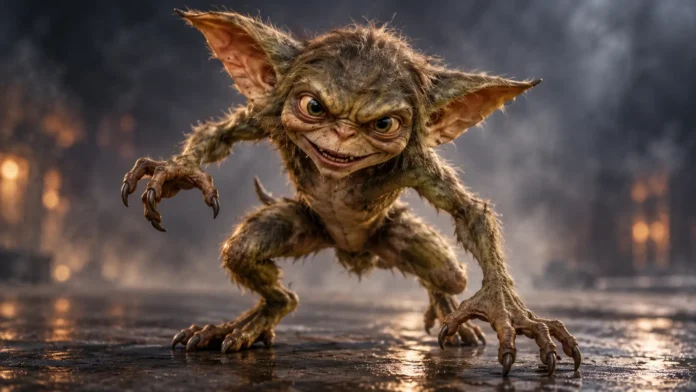
Gremlin - English folklore
England

Gremlin

Gremlin is a mischievous creature of aviators’ folklore, blamed for unexplained mechanical failures, especially in aircraft. Its reputation became...

  • Skills
Illusions & PerceptionTrickery
  • Weaknesses
No Known Weakness
England
Construct
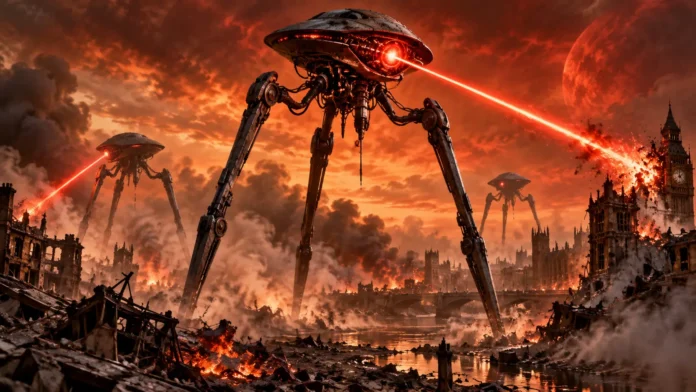
Martian Tripods - English folklore
England

Martian Tripods

Martian Tripods are three-legged war machines sent from Mars in H. G. Wells’s The War of the Worlds. They...

  • Skills
Heat Wave Emission
  • Weaknesses
No Known Weakness
Denmark
Aquatic Hybrid
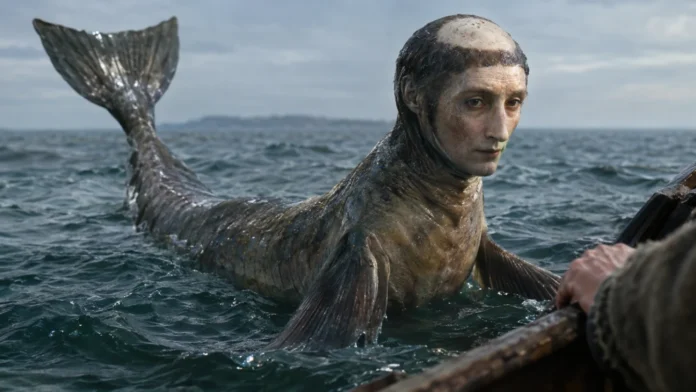
Sea Monk - Denmark folklore
Denmark

Sea Monk

Sea Monk was a 16th-century marine wonder reported in northern Europe, with a monk-like head and fishlike body. An...

  • Skills
Deception and Luring
  • Weaknesses
No Known Weakness
Bavaria
Dream Spirit
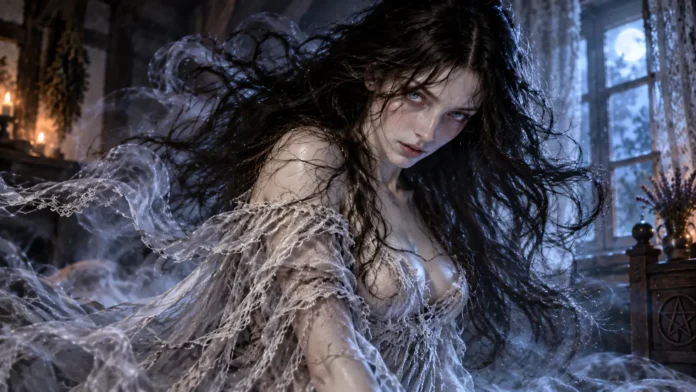
Drude - Bavaria folklore
Bavaria

Drude

Drude is a night spirit in German-speaking folklore, associated with oppressive dreams and disturbed sleep. Regional accounts vary, describing...

  • Skills
Mental PowersNightmare Creation
  • Weaknesses
No Known Weakness
England
Water Spirit
Jenny Greenteeth - English folklore
England

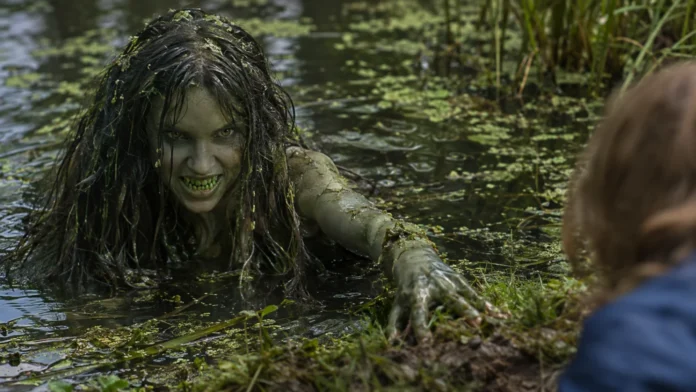
Jenny Greenteeth

Jenny Greenteeth is an English water spirit said to lurk in ponds and rivers, dragging unsuspecting people underwater. Her...

  • Skills
Deception and LuringIllusions & Perception
  • Weaknesses
Environmental LimitsWater Dependent
Europe
Eldritch Being
Jörmungandr - Vikings folklore
Vikings

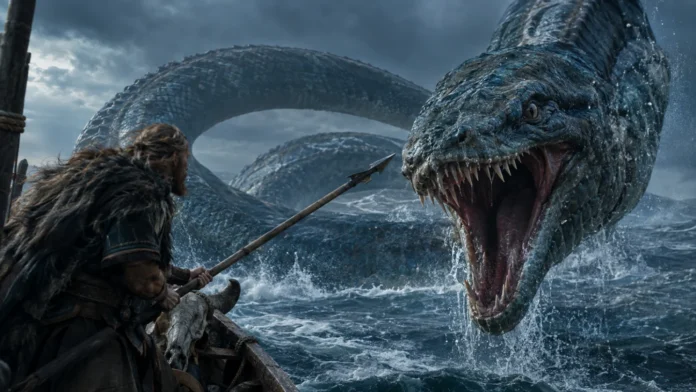
Jörmungandr

Jörmungandr the legend of Jörmungandr, the Midgard Serpent from Norse mythology, known for encircling the world and its role...

  • Skills
Control WeatherElement Control
  • Weaknesses

Sub Categories

Anglo-Saxons

Anglo-Saxons refers to Germanic-speaking communities established in England from the fifth century onward, whose pre-Christian beliefs formed part of early medieval religious and folkloric culture. Their cultural legacy contributed to English folklore and literature, while surviving evidence is limited and often filtered through Christian-era sources and later interpretations.

Asturian

Asturian mythology originates from the Asturias region in northwest Spain, reflecting the cultural heritage and beliefs of its inhabitants. It incorporates elements from Celtic traditions and local folklore, highlighting nature's significance. This mythology features a rich tapestry of beliefs and practices, deeply tied to the region's landscapes and historical context. Asturian myths emphasize the interaction between humans and the natural world, shaping the community's cultural identity. These traditions have influenced neighboring regions, contributing to the broader Iberian mythological landscape. Asturian folklore continues to play a role in preserving regional identity and cultural continuity.

Austria

Austria's transition through monarchy, World War I defeat, and post-World War II neutrality shaped its modern identity. Austrian folklore, with its tales of giants, dragons, and forest spirits, continues to influence the nation's cultural traditions in modern times. Austrian artists and writers have drawn upon these mythical stories, blending them with modern themes to keep their significance alive. Austrian mythology remains an integral part of its cultural heritage.

Austro-Hungarian Empire

The Austro-Hungarian Empire, formed in 1867, was a major power in Central Europe during the 19th century. It was characterized by rapid industrial growth, particularly in urban centers like Vienna, Prague, and Budapest. This period saw the rise of a rich cultural heritage influenced by various ethnic groups, including Germans, Hungarians, Slavs, and Jews. The empire's folklore during this period included tales of haunted castles, ghosts, and supernatural beings like the Nachtkrapp, a bird-like creature that symbolized death. Industrialization played a significant role in transforming both the cultural and social landscape of the empire.

Basque

The Basque mythological tradition originates from the Basque Country, a region straddling northern Spain and southwestern France. It reflects the area's unique language and cultural identity. Basque folklore is deeply rooted in its landscape, with mountains, forests, and caves playing significant roles in its stories and beliefs. Basque mythology has influenced local customs and cultural practices, maintaining a distinct presence in the region's heritage. Its narratives often emphasize the connection between humans and nature. This tradition has contributed to the broader understanding of European folklore by offering insights into pre-Christian beliefs and practices unique to the Basque people.

Bavaria

Bavaria is a cultural origin label for myths and folklore associated with southeastern Germany. It reflects Alpine and Danubian landscapes, historic duchies, and long-standing rural and urban communities. In mythological traditions, Bavaria represents regional identity, local sacred geography, and social memory shaped by Christianization and earlier customs. Its influence appears in themes of place-based belief and customary law.

Belgium

Belgium's 20th-century experience includes both World Wars and the development of a modern democratic state. Belgian folklore and mythology, featuring giants, witches, and local spirits, are still celebrated in festivals and cultural practices across the country. Modern Belgian literature and art often reference these ancient traditions, integrating them into contemporary works. The rich folkloric traditions of Belgium continue to shape its national identity in the modern era.

Britons

Britons refers to the ancient peoples of Britain, especially its Celtic-speaking populations, whose cultural traditions developed across the island before and during Roman rule and afterward. Brittonic cultural inheritance contributed to later Welsh and other insular British mythological traditions, while its historical memory also shaped medieval accounts of Britain’s past and identity.

Bulgars

The Bulgars were a Turkic people who established the First Bulgarian Empire in 681 CE. Their mythology was a mix of Turkic, Slavic, and Byzantine influences, with stories of warrior kings, mythical creatures, and gods of nature.nnBulgaria played a significant role in the spread of Christianity in the Balkans, and its legends often focused on themes of war, religion, and heroism.

Byzantine Empire

The Byzantine Empire was the continuation of the Roman Empire in the East, centered around its capital, Constantinople (modern-day Istanbul). It was known for its rich Christian traditions, blending Roman governance with Greek culture. Byzantine mythology and religion revolved around Christianity, and they contributed greatly to religious art and architecture.nnTheir empire lasted for over a millennium, playing a central role in preserving classical knowledge and spreading Christianity throughout Eastern Europe and Russia.

Cantabrian

Cantabrian mythological traditions originate from the Cantabria region in northern Spain, reflecting the beliefs and practices of ancient Celtic and Iberian peoples. These traditions often emphasize natural elements and local landscapes. Cantabrian mythology has influenced regional folklore, intertwining with broader Iberian and Celtic narratives. It provides insight into the cultural identity and historical continuity of the Cantabrian people.

Carolingians

Carolingians denotes a Frankish ruling dynasty that governed much of western and central Europe from the eighth through tenth centuries, during the formation of a major medieval empire. In myth and folklore, the dynasty is chiefly a historical frame for later medieval heroic traditions; its remembered imperial past influenced how communities represented authority, kinship, and collective identity.

Carthaginians

The Carthaginians, originally a Phoenician colony, became a major power in the western Mediterranean from 814 BCE to 146 BCE. Their culture was heavily influenced by Phoenician and North African traditions. Carthaginian religion included gods like Baal and Tanit, who were central to their mythology.nnThe Carthaginians also had myths of sea monsters and creatures linked to their maritime trade routes. As fierce competitors of Rome, their eventual downfall in the Punic Wars left a deep mark on the history and mythology of the Mediterranean.

Catalan

Catalan mythological tradition arises from the historical territories where Catalan is spoken, shaped by Mediterranean trade, rural life, and interactions with neighboring Iberian and Occitan cultures across centuries. It reflects regional identities, landscapes, and social structures. Within broader European folklore studies, Catalan material illustrates how local customs, seasonal practices, and communal values become encoded in narrative and belief. Catalan traditions influence neighboring regions while preserving distinctive linguistic, symbolic, and ritual expressions.

Celtic

Celtic mythology refers to the rich traditions and beliefs of the Celtic people, primarily inhabiting regions like Ireland, Scotland, and Wales. It encompasses a wide range of deities, symbols, and themes deeply rooted in nature. Historically, Celtic mythology has influenced various European folklore traditions, contributing to the cultural heritage of the British Isles. Its enduring legacy can be seen in literature, art, and modern celebrations.

Celts of Gaul

The Celts of Gaul represent a group of Iron Age tribes in what is now modern France and surrounding regions. Their mythologies reflect a complex society with rich oral traditions and religious practices. Influencing broader Celtic mythology, the Celts of Gaul contributed to the cultural tapestry of Europe through their beliefs and rituals. Their legacy persists in the folklore and cultural heritage of the region.

Cimmerians

The Cimmerians were an ancient nomadic people who lived in the northern Black Sea region from 1000 BCE to 600 BCE. They were known for their fierce warriors and raids across Europe and Asia. Cimmerian mythology included gods and spirits associated with the afterlife, as they believed in a connection between the living and the dead.nnMythical creatures like the griffin and the phoenix appeared in their stories, symbolizing life, death, and rebirth. Cimmerian influence spread across the ancient world, particularly through their interactions with other nomadic cultures.

Cucuteni-Trypillia

Cucuteni-Trypillia, located in modern-day Ukraine, Moldova, and Romania, was one of the most advanced Neolithic societies. Known for its large settlements and intricate pottery, this culture left behind rich archaeological remains, including artifacts with elaborate designs and goddess figurines. The society is also known for its early city-like structures, some of the largest in Europe at the time, and its religious practices centered on the Mother Goddess.

Czech

The Czech Renaissance flourished in the Kingdom of Bohemia, particularly in Prague, where Emperor Rudolf II’s court became a center for alchemy and the arts. This era saw a blending of humanist ideals with local traditions, as well as the adoption of Italian Renaissance architecture and art. Czech mythology continued to be influenced by local Slavic legends, with creatures like the golem and spirits called vodníci, as well as Christian saints and miracles. The legends of this time often reflected the political and religious tensions within the region.

Dacians

The Dacians, native to what is now Romania, were a fiercely independent people who lived from 500 BCE to 106 CE. They were well-known for their skilled warriors and their ability to resist Roman conquest. The Dacians believed in gods like Zalmoxis, a sky god and teacher, who promised immortality to his followers.nnDacian mythology also included mythical creatures like the draco, a dragon symbol representing power and protection. Their spiritual connection to the land and their belief in the afterlife were key elements of their cultural identity.

Denmark

Denmark in mythological and folkloric context represents a northern European land shaped by maritime geography, ancient settlements, and a history of shifting kingdoms. Its myths often reflect themes of seafaring, landscape, and enduring seasonal cycles. Historically, Denmark’s location at the crossroads of Scandinavia and continental Europe influenced the transmission of mythological motifs. Danish folklore contributed to broader Nordic traditions and helped shape regional understandings of the supernatural and heroic.

Duchy of Savoy

The Duchy of Savoy, located in what is now part of France and Italy, played a key role in the geopolitics of Early Modern Europe. It was known for its strategic position and its ability to navigate between larger powers like France and the Holy Roman Empire. Mythology in the region often focused on legends of knights, saints, and mountain spirits, reflecting the region's alpine geography. Tales of magical creatures in the forests and mountains remained a part of Savoyard folklore.

Dutch

Dutch mythology is a blend of ancient European folklore, maritime legends, and local superstitions that reflect the region’s deep connection to the sea, trade, and exploration. Known for its tales of water spirits, ghost ships, and the enigmatic Witte Wieven, Dutch folklore weaves a tapestry of supernatural beings who inhabit forests, lakes, and marshes. These stories often emphasize the power of nature, trickery, and resilience, capturing the spirit of a culture shaped by the tides, mists, and maritime adventures of its people.

Elymians

The Elymians were an ancient people of western Sicily, coexisting with Phoenician settlers and the Greek colonies in Sicily. Their origins are mysterious, but they were known for their fortified cities and participation in local trade and warfare. Their mythology was influenced by both Greek and Phoenician beliefs, with deities representing protection and fertility. The Elymians’ culture gradually declined as Greek influence expanded across the island.

England

In myth and folklore, England often represents a landscape of layered histories, contested sovereignties, and evolving identities, where local customs, seasonal observances, and regional beliefs intersect with broader cultural currents. Its imagined countryside, towns, and borderlands become symbolic spaces for negotiating authority, community belonging, and the relationship between human society, ancestry, and the surrounding natural environment, including rivers, forests, and coastlines. Historically, England’s shifting political structures, religious transformations, and encounters with neighboring cultures shaped its narrative traditions and symbolic geography, influencing how place-names, monuments, and historical events acquired mythic resonance. Within wider mythological studies, England functions as a case study for continuity and change, illustrating how legal customs, oral narratives, and ritualized festivities adapt while preserving echoes of earlier worldviews.

Epirots

The Epirots were an ancient Greek-speaking people who lived in the region of Epirus, in northwestern Greece and southern Albania. They flourished between 800 BCE and 146 BCE, known for their interactions with both Greeks and Romans. Epirot mythology featured gods like Zeus and Dodonian oracles, which played a crucial role in their religious life.nnMythical creatures like centaurs and sirens were common in their legends, symbolizing the relationship between humans and nature. Epirus was also home to the legendary city of Dodona, a major religious center.

Etruscan Civilization

The Etruscans, inhabiting modern-day Italy, were an influential culture that predated Roman civilization. Their mythology and art had a lasting impact on Roman culture, with gods like Tinia and Uni and myths involving the afterlife and sacred rituals. They were skilled engineers and artisans, with a rich legacy of tomb paintings and intricate pottery. Their advanced knowledge in urban planning laid the groundwork for the rise of Rome.

Etruscans

The Etruscans, who lived in central Italy from around 700 BCE to 500 BCE, were one of the earliest civilizations that shaped Roman culture. They are known for their elaborate burial customs, stunning art, and advanced metallurgy. Etruscan mythology featured gods like Tinia, Uni, and Menrva, who were precursors to Roman deities.nnEtruscan religious beliefs focused on divination and communication with the gods through augury. Mythical creatures like the Chimera and protective spirits called Lasa were also prominent in their lore, showcasing their connection to the spiritual world.

France

France represents a geographically varied cultural setting for folklore, shaped by regional identities, landscapes, languages, and successive historical influences rather than one unified mythological system. Its traditions developed across territories influenced by Celtic, Gallo-Roman, Frankish, Christian, and later national cultures, contributing local material to broader European folklore and literary traditions.

Franks

The Franks were a confederation of Germanic tribes that settled in what is now France and Germany. Under the leadership of King Clovis, they converted to Christianity, establishing the Merovingian dynasty, which would rule much of Western Europe. Their mythology included elements from both pagan and Christian traditions.nnCharlemagne, one of the most famous Frankish kings, played a critical role in the Carolingian Renaissance, which revived learning and culture during the Middle Ages.

French Empire (Napoleon III)

The Second French Empire (1852-1870), under Napoleon III, was a time of modernization and cultural growth. The rebuilding of Paris under the influence of Baron Haussmann transformed the city into a modern metropolis, which inspired stories and legends tied to its urban landscape. Gothic literature flourished, introducing figures like the Phantom of the Opera and tales of vampires. France’s myths and legends from this period continued to blend with the Gothic revival, reflecting themes of duality, transformation, and the unknown. These legends persisted, influencing modern literature and folklore.

Galician

Galician folklore, deeply tied to the misty landscapes of northwestern Spain, blends Celtic, Roman, and Christian traditions. Its mythology is steeped in themes of life, death, and the supernatural. Figures like the Santa Compaña and Mouras Encantadas reflect both the spiritual reverence and the mystical allure of the region’s forests and coasts. During the medieval period (9th–15th centuries), Galician mythology gained prominence through oral traditions and local festivals. Many myths serve as cautionary tales or moral lessons, rooted in respect for the unseen world. Today, Galician folklore remains vibrant in cultural celebrations and storytelling, preserving the region's spiritual connection to its rich natural and historical heritage.

Germany

Germany underwent dramatic changes in the 20th century, including the World Wars and the reunification of East and West Germany in 1990. Despite these upheavals, German mythology and folklore have maintained a central place in national culture, with figures like the Lorelei and the Wild Hunt featured in modern narratives. Modern German literature and art continue to draw from ancient myths and local folklore, integrating them into contemporary themes. These mythical elements remain embedded in the cultural identity of Germany.

Goths

The Goths were a Germanic people who played a significant role in the collapse of the Western Roman Empire, thriving from 300 CE to 500 CE. Known for their warrior culture, the Goths revered gods like Wodan (Odin) and Tyr, focusing on themes of war, death, and the afterlife. Their myths included tales of powerful creatures like elves and dwarves.nnThe Goths’ influence extended beyond military conquests; their myths and legends contributed to the formation of medieval European folklore. The Gothic connection to nature and the supernatural continues to resonate in stories of their ancient ancestors.

Greece

Greece is a significant origin of mythological traditions, known for its rich tapestry of myths and folklore. These narratives often explore themes of heroism, power, and the divine. The geographical landscape of Greece, with its mountains and seas, influenced the development of these stories, providing a backdrop for various mythological settings. Greek mythology has profoundly impacted Western culture, shaping literature, art, and philosophy. Its influence extends beyond Greece, contributing to the mythological frameworks of other cultures. These myths continue to be studied for their cultural, historical, and literary significance.

Habsburg Monarchy

The Habsburg Monarchy spanned much of Central Europe, governing Austria, Hungary, and parts of Germany. Its culture was a mix of Germanic, Slavic, and Hungarian traditions, with local folklore blending these influences. Mythical figures like the wild huntsman, forest spirits, and water nymphs were common in the region’s myths. The monarchy also maintained legends of divine right and the sanctity of the emperor’s rule.

Hallstatt Culture

The Hallstatt culture, centered in modern-day Austria and Switzerland, is considered the early phase of Celtic culture. It was known for its metalwork, including early iron weapons, and burial practices that reflected beliefs in the afterlife. Their advanced metalworking and extensive trade networks connected them with other ancient cultures across Europe. The Hallstatt culture significantly influenced the development of later Celtic societies.

Hittite Empire

The Hittite Empire, from 1600 BCE to 1178 BCE, was based in Anatolia (modern-day Turkey) and known for its advanced ironworking and military prowess. They fought numerous battles, including the famous clash with Egypt at Kadesh. In Hittite mythology, storm gods like Tarhun ruled the heavens, and the serpent Illuyanka symbolized chaos. Their mythological traditions influenced neighboring cultures.