Asia

Asia encompasses diverse mythic logics reflecting interconnected cosmologies and symbolic landscapes shaping cultural identities and worldviews.

Relevant Beasts

Asia
Dark Spirit
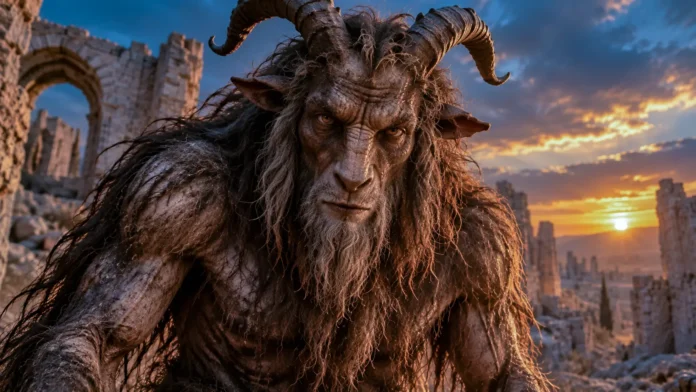
Se’irim - Hebrews folklore
Hebrews

Se’irim

Se’irim are shaggy, goat-like spirits or demons tied to wilderness and desolate places in the Hebrew Bible. Their precise...

  • Skills
No Known Skills
  • Weaknesses
No Known Weakness
Arab
Dark Spirit
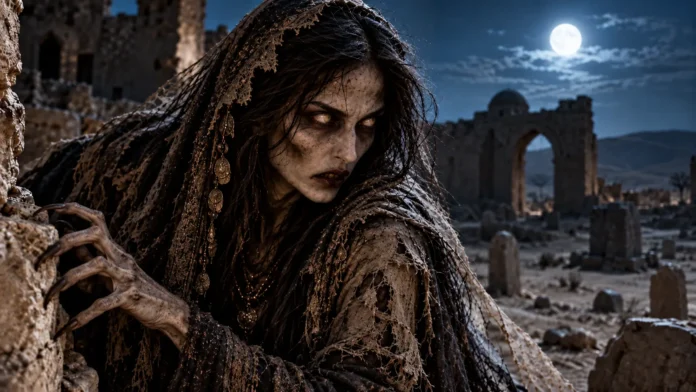
Ghoul - Arab folklore
Arab

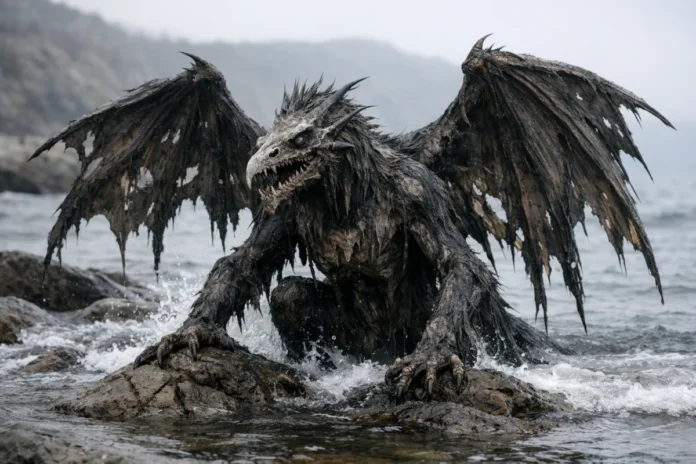
Ghoul

The ghoul, Arabic ghūl, is a supernatural being associated with wilderness, deception, and danger to travelers. In Arabic folklore,...

  • Skills
Animal MorphingDeception and Luring
  • Weaknesses
Divine RestrictionsMortality
Arab
Legendary Horse
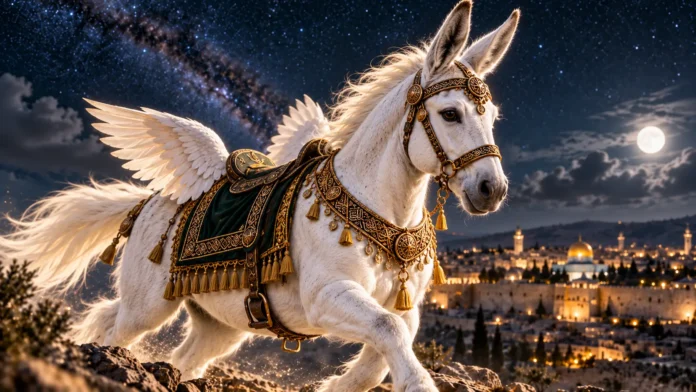
Al-Buraq - Islamic folklore
Arab

Al-Buraq

Al-Buraq is the white mount brought by Gabriel for Muhammad’s Night Journey from Mecca to Jerusalem; it is larger...

  • Skills
Physical StrengthSpeed
  • Weaknesses
No Known Weakness
Asia
Guardian Animal
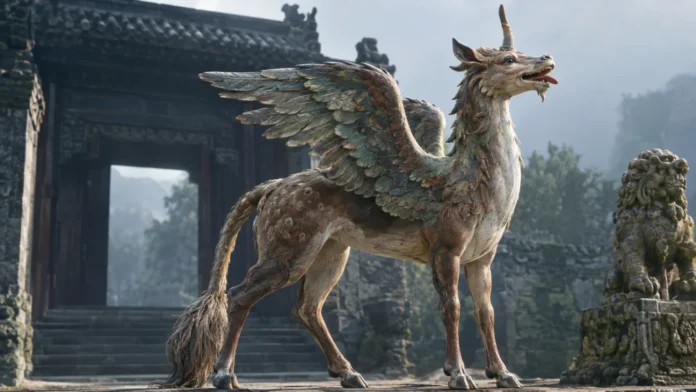
Tianlu - Chinese folklore
China

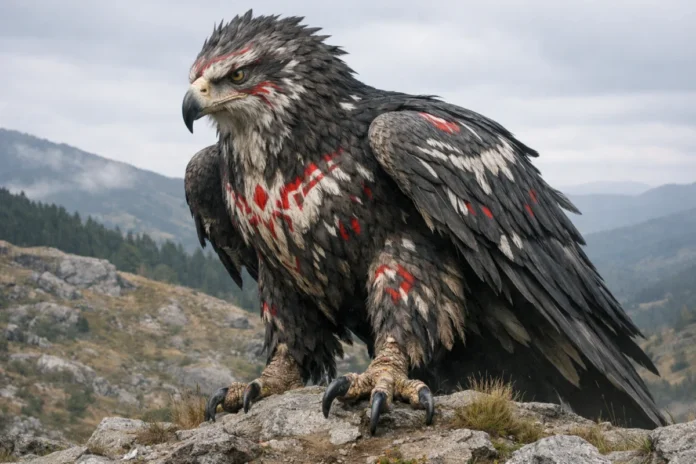
Tianlu

Introduction Tianlu is an auspicious creature in Chinese tradition, associated with deer-like supernatural animals and horned guardian beasts. Its name...

  • Skills
Beast SummoningControl & Summoning
  • Weaknesses
Afghanistan
Demon
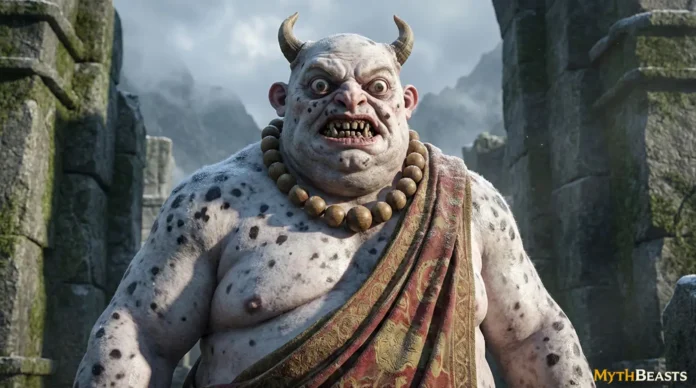
Div-e Sepid
Afghanistan

Div-e Sepid

Div-e Sepid, the White Demon in Persian mythology, symbolizes chaos and evil. Known from the epic Shahnameh, it challenges...

  • Skills
Physical StrengthStrength
  • Weaknesses
Divine RestrictionsHoly Ground
Asia
Dark Spirit
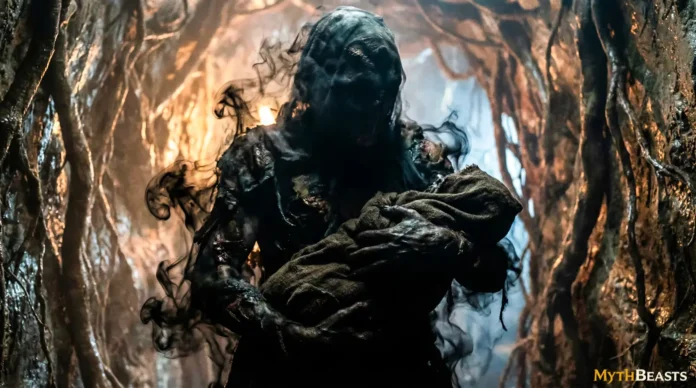
Āl (Albastı): The Childbirth Demon
Iran

Āl (Albastı)

The Āl is a folkloric figure associated with childbirth danger in Iranian and Caucasian traditions, reflecting historical fears surrounding...

  • Skills
Death & NecromancyDisease Manipulation
  • Weaknesses
Divine RestrictionsGarlic Sensitive

Sub Categories

Aceh Sultanate

The Aceh Sultanate in Southeast Asia was one of the last Islamic states to resist Dutch colonization, holding out until 1904. The Acehnese people maintained a culture rich in Islamic beliefs and local legends, with spirits and mythical beings like Seudati spirits, which were thought to inhabit the seas and forests. During the industrial era, Aceh's cultural identity remained intact, with its people continuing to pass down stories of mythical creatures and spiritual beliefs, even as European influences grew.

Achaemenid Empire

The Achaemenid Empire represents a significant historical and cultural entity that influenced mythological narratives across vast regions. As a major power in ancient Persia, it played a role in shaping intercultural exchanges and traditions. In myth and folklore, the Achaemenid Empire's legacy includes themes of kingship and governance. Its geographical expanse contributed to a fusion of mythological elements, impacting the broader development of ancient storytelling.

Afghanistan

Afghanistan occupies a crossroads position in myth and folklore, where Iranian, Central Asian, South Asian, and Near Eastern traditions intersect. Its mountains, deserts, and caravan routes shaped narratives about endurance, liminality, and contested frontiers. In many regional cosmologies, Afghanistan functions as a threshold landscape between settled worlds and remote highlands, reinforcing themes of passage, guardianship, and cultural encounter. Its layered empires contributed motifs of empire, resistance, and shifting sacred geographies.

Ainu

Ainu mythology originates from the indigenous Ainu people of Japan, primarily from the Hokkaido region. This belief system reflects their deep connection to nature and the spiritual world. The Ainu cultural traditions have influenced regional folklore, contributing unique perspectives on humanity's relationship with the environment. These traditions emphasize harmony with nature and the sacredness of natural elements.

Akkadian Empire

The Akkadian Empire represents a significant cultural and historical entity in ancient Mesopotamia, influencing mythological traditions with its centralized power and administrative innovations. Emerging around the 24th century BCE, the empire unified various city-states. In myth and folklore, the Akkadian Empire contributed to the development of literary traditions that shaped subsequent Mesopotamian narratives. Its influence extended through language, governance, and religious practices across the region.

Arab

Arab identifies the cultural and linguistic context of myth and folklore associated with Arabic-speaking peoples, especially across the Arabian Peninsula and neighboring regions over many centuries. As a taxonomy label, Arab encompasses diverse regional traditions shaped by oral transmission, poetry, trade, migration, religious change, and sustained contact with surrounding cultures across history.

Aryan Civilization

The Aryans, who migrated into the Indian subcontinent around 1500 BCE, are credited with establishing the foundations of Vedic culture. Their religious practices are captured in the Rigveda, one of the oldest known scriptures in human history. Aryan mythology involved gods such as Indra, the king of heaven, and Agni, the god of fire, along with mythical creatures like the winged Garuda and serpentine Naga.

Assyria

Assyria was a major Mesopotamian kingdom and empire from 2500 BCE to 609 BCE, known for its advanced military, ironworking, and architectural prowess. Assyrian mythology included deities like Ashur, the god of war, and Ishtar, the goddess of love and war. Mythical creatures such as the Lamassu, a protective spirit depicted as a human-headed bull or lion with wings, were prominent in their art and religious rituals.

Assyrian Empire

The Assyrian Empire, from 2500 BCE to 609 BCE, was known for its powerful military and advanced infrastructure. At its height, Assyria controlled much of Mesopotamia, Egypt, and the Levant. Assyrian gods included Ashur and Ishtar, while mythical creatures like the Lamassu, a protective deity depicted as a winged bull with a human head, adorned their city gates.

Ayutthaya Kingdom

The Ayutthaya Kingdom, based in what is now Thailand, flourished between 1351 CE and 1767 CE. It became a major diplomatic and trading hub between Southeast Asia, China, and Europe. The kingdom’s cultural and religious life was deeply influenced by Hindu-Buddhist mythology. Mythical beings such as Garuda, the bird-like companion of Vishnu, and Naga, the serpent deity, were central to Ayutthaya’s beliefs. These creatures represented protection, strength, and prosperity, often depicted in temples and royal ceremonies.

Bactrians

The Bactrians, located in Central Asia, flourished between 2500 BCE and 500 BCE, becoming a key player in the trade routes connecting Europe and Asia. Their culture was heavily influenced by Persian and Greek traditions. Bactrian mythology included gods like Mithra and Anahita, and mythical creatures such as the Simurgh.nnThe Bactrians played an essential role in cultural exchanges across the ancient world, spreading their religious and mythological beliefs along the Silk Road. Their influence can still be seen in Central Asian art and culture.

Bangladesh

Bangladesh, which achieved independence in 1971, is deeply rooted in Bengali culture, which intertwines Islamic and Hindu traditions. Stories of mythical figures like the serpent king Vasuki and gods like Durga continue to influence its cultural practices. Even in modern Bangladesh, these ancient myths resonate, especially during major festivals and artistic expressions.

Bokhara Emirate

The Bokhara Emirate, located in present-day Uzbekistan, was a significant political power from 1785 to 1920. It was heavily influenced by Islamic law, culture, and trade along the Silk Road. The region's mythology and folklore were filled with tales of jinn, protective spirits, and other beings rooted in Islamic traditions. Though modernization was slow, the Bokhara Emirate played a key role in preserving Central Asian culture during a time of significant geopolitical change. The emirate eventually became part of the Soviet Union, but its ancient heritage endured.

Burmese Kingdom

The Burmese Kingdom, ruled by the Konbaung Dynasty, was a dominant power in Southeast Asia until its annexation by the British in 1885. Burmese mythology featured the Nats, spirits believed to inhabit natural objects, and mythical creatures like the Hintha, symbolizing prosperity. Throughout this period, Burmese cultural and religious identity remained strong, with Buddhism playing a central role in daily life. The kingdom's defeat by the British was a turning point, but its rich mythology and traditions endured.

Burmese Taungoo Dynasty

The Taungoo Dynasty, which ruled Myanmar from 1510 to 1752, expanded its influence over much of Southeast Asia, uniting various regions under a centralized rule. The dynasty promoted Buddhist traditions and built large temple complexes. Burmese mythology during this time featured nat spirits, guardians of the land, and mythical beings like the Belu, ogre-like creatures. Buddhism and folklore played major roles in shaping the religious and cultural identity of the region.

Canaanites

The Canaanites, inhabiting the Levant region from 3000 BCE to 1200 BCE, were an ancient Semitic people known for their complex trade networks and religious diversity. They played a crucial role in the cultural exchanges between Mesopotamia and Egypt. Canaanite mythology included gods like Baal, a storm deity, and legends of divine creatures such as the sea monster Lotan, representing chaos in their belief system.

Champa Kingdom

The Champa Kingdom, located in present-day Vietnam, existed from 192 CE to 1832 CE. This maritime kingdom was known for its seafaring skills and strong cultural connections with India. Champa was a major center of Hinduism, and its temples, like My Son, are dedicated to gods such as Shiva and Vishnu. Champa’s mythology reflected both Hindu influences and local beliefs. The kingdom’s myths included powerful gods and mythical beasts, such as the Nāga serpent, which symbolized protection and fertility.

China

Modern China was established in 1949 under the Communist Party. Built on a rich historical foundation, it emphasizes the unity of the Chinese nation. Traditional Chinese mythology, such as the stories of dragons and the Jade Emperor, continues to influence contemporary culture. With rapid modernization, China has balanced its heritage and progress. Mythical beings still play significant roles in literature, art, and celebrations.

Chola Dynasty

The Chola Dynasty, spanning from 300 CE to 1279 CE, was one of the longest-ruling dynasties in South India. The Cholas were known for their powerful navy, trade expansion, and patronage of Tamil culture, especially temple architecture and bronze sculptures. The Chola era mythology revolved around Hindu deities like Shiva and Vishnu. Stories of divine intervention, such as the tale of Lord Shiva vanquishing demons, were central to their belief system. Temple architecture often depicted these divine stories.

Daxi

The Daxi culture, which flourished around 5000 BCE in the Yangtze River region, is known for its early rice cultivation and painted pottery. Daxi people lived in walled villages and practiced sophisticated agriculture, including the cultivation of rice and millet. Their culture contributed to the rise of early Chinese civilization. The Daxi’s i ovations in farming and their artistic contributions influenced later developments in the region, particularly in terms of agricultural techniques and pottery styles.

Delhi Sultanate

The Delhi Sultanate, founded in 1206 CE, marked the rise of Islamic power in northern India. This era saw the merging of Islamic, Persian, and Indian cultures, influencing architecture, governance, and mythology. Indian mythical creatures like the Naga and Garuda coexisted with Islamic legends of jinn and angels. This fusion of traditions created a unique cultural landscape that profoundly shaped Indian society and beliefs.

Dilmun Civilization

Dilmun, located in modern-day Bahrain and the eastern shores of Saudi Arabia, was a significant trading hub from 3000 BCE to 600 BCE, connecting Mesopotamia to the Indus Valley. Dilmun is considered a land of paradise in Sumerian myths. Dilmun mythology often features serpentine deities, and the land was described as a place where sickness did not exist, representing a utopian paradise.

Elamite Civilization

The Elamites, from 2700 BCE to 539 BCE, were based in southwestern Iran, frequently clashing with Mesopotamian states. They contributed to the development of writing and metallurgy, leaving behind rich artistic and architectural heritage. Elamite mythology included gods like Inshushinak and protective serpentine dragons.

Emirate of Afghanistan

The Emirate of Afghanistan was established in the late 19th century, marking the rise of modern Afghanistan under the rule of Emir Abdur Rahman Khan. Islamic traditions and tribal customs heavily influenced Afghan culture. Mythological beings like the jinn and the peris (fairies) played key roles in Afghan folklore. Afghanistan's strategic location made it a focal point of the Great Game between the British and Russian empires. Despite foreign influence, the region retained its cultural heritage, with legends passed down through oral traditions.

Gandhara

Gandhara, located in modern-day Pakistan and Afghanistan, flourished between 1500 BCE and the 5th century CE. This region was a melting pot of cultures, heavily influenced by Greek, Persian, and Indian traditions. It played a significant role in the spread of Buddhism, known for its distinct Greco-Buddhist art. In Gandharan mythology, figures like the Bodhisattvas played key roles, with stories about their compassion and wisdom. Mythical creatures like Nāgas and Garudas were often depicted in Gandharan art.

Ghaznavid Empire

The Ghaznavid Empire, emerging in the 10th century, spanned parts of present-day Iran, Afghanistan, and the Indian subcontinent. Its cultural milieu influenced regional folklore and mythological traditions significantly. In myth, the Ghaznavid Empire often symbolizes a period of cultural and artistic synthesis. Its influence extended into literature and oral traditions, enriching the mythological narratives of surrounding regions.

Golden Horde

The Golden Horde, part of the Mongol Empire, ruled vast territories from 1240 CE to 1502 CE, governing parts of modern Russia and Central Asia. Known for their fearsome military, the Golden Horde maintained Mongol traditions while incorporating Slavic and Turkic elements. Mongol mythology revered wolves and eagles, creatures sacred to their sky worship. The belief in Tengri, the sky god, influenced both their political structure and mythology, symbolizing the unity between nature and humans.

Goryeo (Korea)

The Goryeo Dynasty, from 918 CE to 1392 CE, succeeded the Three Kingdoms of Korea. Goryeo culture was strongly influenced by Confucianism and Buddhism, leading to the development of celadon pottery and Buddhist temples. Goryeo mythology often featured dragons and spirits of mountains. The guardian dragon, or yong, symbolized power and control over water, while mountain spirits, or sanshin, were worshipped as protectors of nature and communities.

Greco-Bactrian Kingdom

The Greco-Bactrian Kingdom, spanning from 256 BCE to 125 BCE, was located in what is today Afghanistan and Central Asia. It was a Hellenistic state, formed after the conquests of Alexander the Great, blending Greek and local Bactrian cultures. This kingdom’s mythology mixed Greek gods like Zeus and Athena with local deities and mythical creatures such as the Simurgh, a benevolent bird symbolizing wisdom and protection. The fusion of cultures is evident in their art, coinage, and religious practices.

Gupta Empire

The Gupta Empire ruled over much of northern India from 320 CE to 550 CE, often called the Golden Age of India. This period saw advancements in science, mathematics, and culture, including the creation of influential literature and the introduction of the decimal system. The empire’s capital was in Pataliputra, known for its universities and libraries. Hindu mythology was central to Gupta culture, with deities like Vishnu and Shiva playing key roles in art and temple architecture. The empire’s legacy is evident in the numerous temples and sculptures that survived this period.

Gurjara-Pratihara

The Gurjara-Pratihara Dynasty, flourishing from 730 CE to 1036 CE, was one of the leading powers in northern India. They were instrumental in resisting Arab invasions, while promoting Hindu culture and temple architecture. Their mythology featured Hindu gods like Vishnu and Shiva. Temples built by the Pratiharas often depicted scenes from Hindu epics like the Ramayana and Mahabharata, where divine beings played significant roles in the protection of dharma.

Han Dynasty

The Han Dynasty, which ruled China from 206 BCE to 220 CE, is considered a golden age in Chinese history. This era saw the establishment of the Silk Road and the spread of Chinese culture and goods throughout Asia. The Han period also witnessed advancements in science, technology, and the arts, including significant literary and philosophical contributions. The mythology of the Han Dynasty prominently featured dragons, phoenixes, and celestial deities, such as the Jade Emperor. These mythological figures played central roles in Chinese religious practices, representing the harmony between heaven and earth.

Hebrews

Hebrews in myth and folklore represent an ancient people whose narratives are central to several religious traditions. Their historical context is rooted in the ancient Near East, influencing regional cultures. The Hebrews' traditions have impacted mythological frameworks, contributing to religious texts and moral teachings. Their influence extends to the development of monotheistic religions and ethical principles in various societies.

Hejaz Kingdom

The Hejaz Kingdom, located in the Arabian Peninsula, was a central part of Islamic history, controlling the holy cities of Mecca and Medina. During the Industrial period, the kingdom experienced both Ottoman and British influence, but maintained its cultural and religious significance. Islamic mythology, including stories of the Prophet and sacred creatures, was deeply intertwined with the Hejaz identity. The region played a key role in the spiritual life of Muslims worldwide, and its traditions of pilgrimage and religious devotion remained constant throughout the industrial era.

Hemudu

The Hemudu culture of eastern China, active around 5000 BCE, is one of the earliest known rice-cultivating societies. Hemudu people lived in stilted houses along the rivers and produced lacquered pottery, woodwork, and textiles. Their culture represents a critical phase in the development of southern Chinese agriculture and craftsmanship. The Hemudu’s advancements in irrigation and rice farming techniques had a lasting impact on Chinese civilization.

Hurrians

The Hurrians, living from 2300 BCE to 1000 BCE in the Near East, influenced many neighboring cultures, including the Hittites and Assyrians. Their society thrived in the upper reaches of Mesopotamia and parts of Anatolia. Hurrian mythology included gods like Teshub, the storm god, and dragons like Illuyanka, symbolizing the battle between chaos and order.

India

India in myth and folklore represents a diverse landscape of sacred rivers, mountains, cities, and kingdoms, reflecting layered religious philosophies, ritual practices, and social ideals shaped over millennia of cultural interaction. Situated at the crossroads of South, Central, and Southeast Asia, India provided a fertile setting where philosophical schools, cosmological models, and narrative motifs developed, influencing neighboring regions’ mythological traditions and later global interpretations.

Indo-Greek Kingdom

The Indo-Greek Kingdom, which lasted from 180 BCE to around 10 CE, was a Hellenistic kingdom in northwestern India and parts of Afghanistan. This kingdom played a crucial role in the spread of Greek culture in the East, blending it with Indian traditions. Greek deities like Zeus, Athena, and Dionysus were worshipped alongside Indian gods. The mythical creatures of Greek mythology, such as centaurs and sea serpents, were often depicted in art, while Indian mythology influenced local governance.

Indonesia

Indonesia gained independence from the Dutch in 1945, forming the largest Muslim-majority country. Its cultural identity continues to be shaped by its Hindu-Buddhist past, with mythical beings such as Garuda and Rangda (a demon queen) prominent in Indonesian lore. Modern Indonesia retains strong connections to its ancient myths, especially in art and festivals.

Indus Valley

The Indus Valley represents a significant ancient civilization in South Asia, flourishing around 2500 BCE. Its mythological and cultural origins remain largely enigmatic due to undeciphered script and limited archaeological evidence. Despite these challenges, the Indus Valley significantly influenced South Asian mythological traditions, contributing to the regional cultural tapestry. Its legacy is reflected in later religious and cultural developments in the area.