Abyss Leviathan – Overview
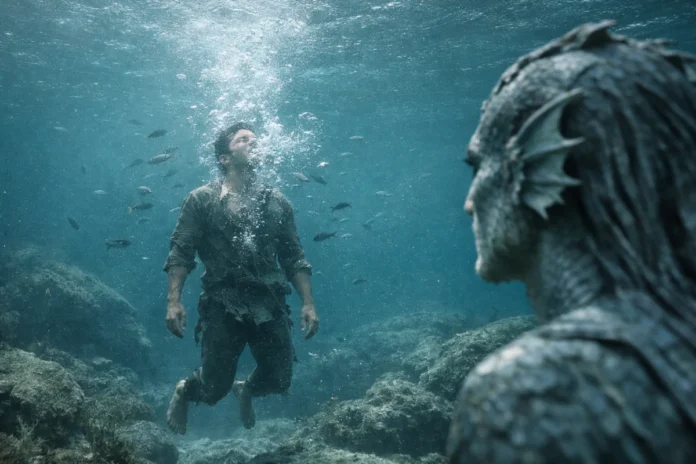
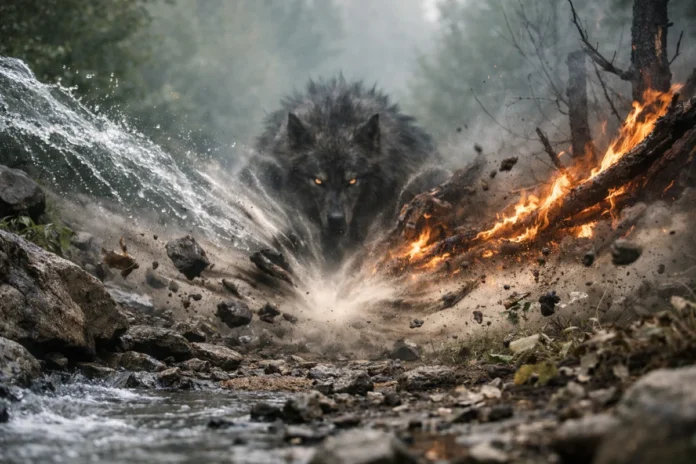
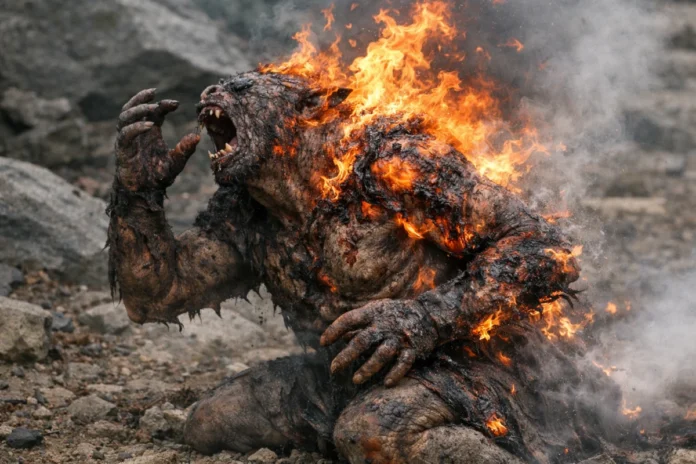
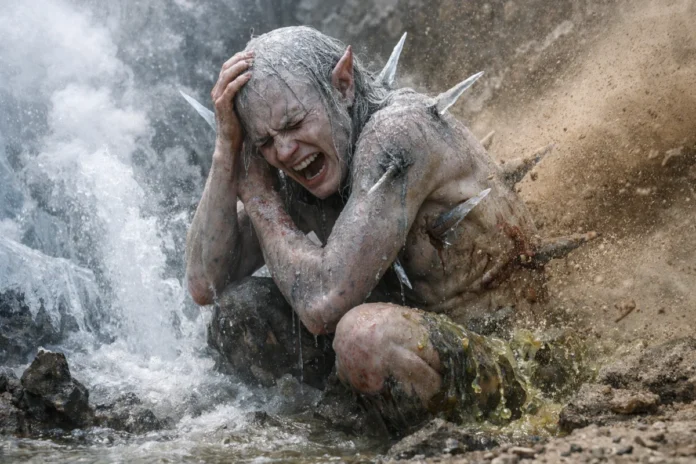
The Abyss Leviathan represents a mythological beast type characterized by immense power often symbolizing chaos and the untamed forces of nature. Typically, these beings manifest as colossal, serpentine creatures that embody elemental or cosmic forces. Across various cultures, they represent primal entities whose existence challenges the order of the world. These leviathans are often depicted as dwelling in deep waters or other liminal spaces, serving as both a physical and symbolic boundary between different realms.Defining Characteristics
Physical Form and Morphology
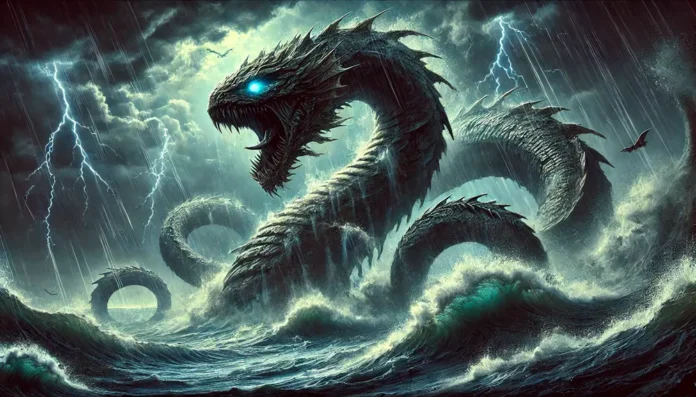
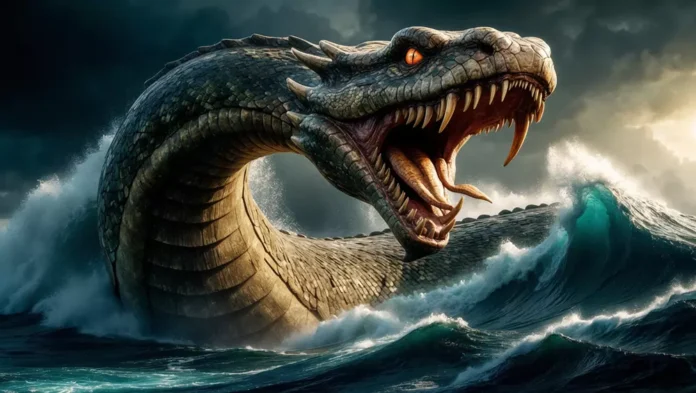
Abyss Leviathans commonly display serpentine or dragon-like bodies, often depicted with elongated, sinuous forms capable of encompassing vast expanses. These creatures typically possess scales or skin that is tough and impervious, symbolizing resilience. Their eyes are often portrayed as glowing, signifying wisdom or otherworldly insight. Features such as multiple heads or tails can appear, representing their multiplicity and unpredictability. Despite cultural variations, the recurring motif is one of vastness and formidable presence.Ontological Nature
Abyss Leviathans are often understood as cosmic or supernatural entities existing beyond the mundane plane, representing chaos and potential destruction. This nature positions them as liminal beings, guardians, or gatekeepers of otherworldly realms. They are neither wholly malevolent nor benevolent, embodying paradoxes of creation and destruction. Their existence often challenges the established natural or metaphysical order, serving as a reminder of nature's uncontrollable might and mystery.Mythological Role and Function
Place in Mythological Systems
Within mythological systems, Abyss Leviathans frequently symbolize cosmic boundaries or forces that gods and heroes must confront or control. They interact with deities, often as adversaries or sometimes allies, reflecting the tension between chaos and order. These interactions highlight their role in maintaining or threatening the balance of the universe. Additionally, they may serve as trial figures for heroes, symbolizing the ultimate challenge to be overcome.Perception and Meaning
Cultures often perceive Abyss Leviathans as embodiments of chaos, reflecting both fear and awe. They can be seen as omens, signifying impending change or disaster. Conversely, they might serve protective roles, reinforcing the idea of duality and complexity. These creatures often embody natural phenomena, such as storms or floods, highlighting humanity's vulnerability to and reliance on nature. Their portrayal as both destructive and protective elements underscores their multifaceted symbolism.Distinction from Related Beast Types
Conceptual Boundaries
Abyss Leviathans stand distinct from elemental beings or spirits due to their unique association with primordial chaos and extensive cosmic influence. Unlike humanoid monsters or animal-based creatures, their form and function extend beyond the purely physical realm, emphasizing their liminal nature. Their role as boundary entities differentiates them from undead or purely spiritual beings, emphasizing their cosmic significance and versatility across different mythologies.Common Sources of Confusion
Abyss Leviathans are sometimes confused with sea serpents or dragons due to similar appearances. However, their mythological roles often differ significantly. Scholars distinguish them by emphasizing their primordial nature and cosmic associations. Unlike typical sea creatures, Abyss Leviathans symbolize broader existential themes. Their dual nature as both destroyers and protectors further complicates their classification, requiring careful analysis of cultural contexts to fully understand their place in mythological systems.Canonical Beasts Associated with This Beast Type
Jörmungandr
Originating from Norse mythology, Jörmungandr is a quintessential example of an Abyss Leviathan. This serpent encircles the world, symbolizing boundaries and chaos. Its confrontation with Thor epitomizes the eternal struggle between order and chaos.Leviathan
In Hebrew mythology, Leviathan is depicted as a sea monster representing chaos and divine power. Its presence in creation narratives highlights its role in cosmic balance, embodying both threat and order. Its symbolic representation as chaos incarnate is central to its identity.Tiamat
From Mesopotamian mythology, Tiamat is a primordial goddess often depicted as a sea serpent. Representing chaos, her defeat by Marduk signifies the establishment of order. Her role as a creator and adversary underscores her embodiment of cosmic dualities.Historical Distribution and Cultural Context
Abyss Leviathans appear across diverse regions, from the Middle East to Scandinavia, reflecting universal themes of chaos and cosmic boundaries. Their presence in ancient mythologies highlights enduring concerns about nature's unpredictability. These creatures often emerge in cultures with strong maritime connections, underscoring their association with the sea and storms. Over time, their symbolic roles evolve, reflecting changing cultural perceptions of nature and order.Scholarly Interpretation and Uncertainty
Variation in Definitions
Interpretations of Abyss Leviathans vary, influenced by cultural, historical, and scholarly perspectives. Some view them as purely destructive, while others emphasize their protective aspects. Academic frameworks may differ in emphasis on cosmic or natural elements. Their multifaceted nature challenges singular definitions, requiring nuanced analysis. Scholars often debate their primary function, reflecting broader discussions on mythological symbolism and human-nature relationships.Limits of Available Evidence
Evidence about Abyss Leviathans is often fragmented, with interpretations based on limited historical texts and archaeological findings. Ambiguities arise from differing cultural depictions and evolving mythological traditions. No verified sources describe all potential attributes, leading to scholarly debates over classification and interpretation. The complexities of oral traditions further complicate definitive analyses, reflecting broader challenges in mythological studies.Mythological Role Across Cultures
Abyss Leviathans recur across various mythologies due to their embodiment of universal concerns, such as chaos, nature's might, and cosmic order. They symbolize humanity's attempt to comprehend and control natural forces. Their representation as boundary figures highlights cultural preoccupations with liminality and transformation. By examining these beings comparatively, scholars gain insights into shared human experiences and the symbolic structures underpinning diverse mythological systems.