back to top

Hybrid Creature

Hybrid Creature: Mythical beings combining traits of different species, symbolizing transformation and boundary crossing in diverse myths.

Relevant Beasts
Achaemenid Empire
Hybrid Creature
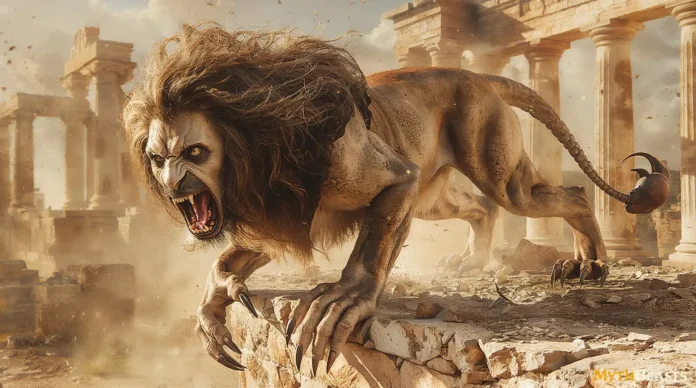
Manticore - Persian Mythology
Achaemenid Empire

Manticore

Hybrid Persian man-eater with human face, lion body and barbed tail, famed in Greek and later bestiaries as a...
  • Skills
Nature ManipulationPhysical Strength
  • Weaknesses
BeheadingBlessed Weapon
Greece
Hybrid Creature
Griffin – Classical Greece mythology
Greece

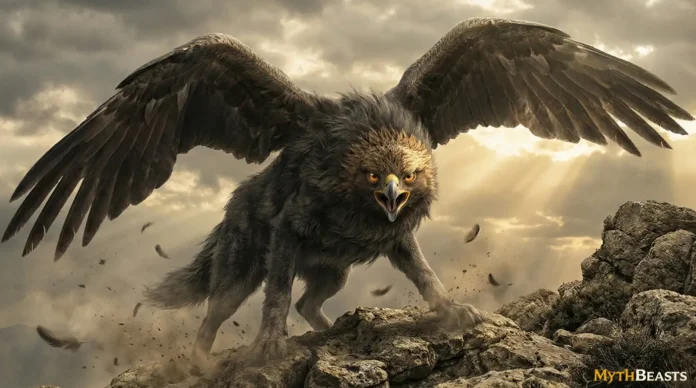
Griffin

A majestic hybrid of lion and eagle, the Griffin is a legendary guardian from Classical Greece, known for its...

  • Skills
Enhanced AgilityFlight
  • Weaknesses
Iron CutPhysical Limits
Celtic
Hybrid Creature
Celtic

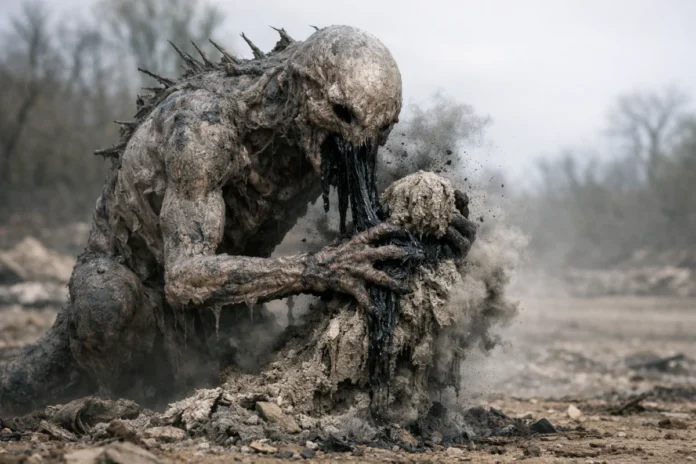
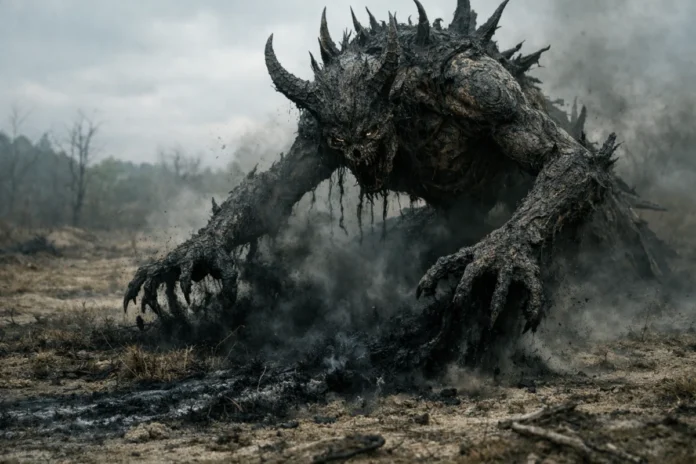
Nuckelavee

The Nuckelavee is a terrifying horse-like demon from Orcadian folklore. It spreads disease and despair, representing one of the...
  • Skills
Element ControlWater Walking
  • Weaknesses
Divine RestrictionsHoly Water
Mississippian
Guardian Animal
The Piasa Bird - Native American folklore
Mississippian

Piasa Bird

The Piasa Bird, a monstrous winged predator from Native American folklore, is said to dwell near the cliffs of...

  • Skills
CamouflageFire Breathing
  • Weaknesses
Blunt ForceLightning Damage
American West
Dark Fae
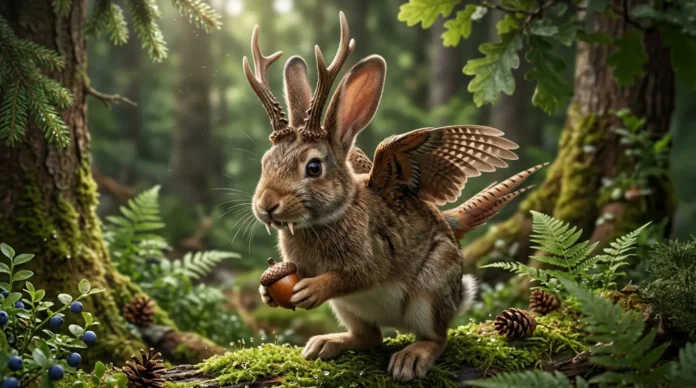
Jackalope north american-folklore
American West

Jackalope

The Jackalope, a legendary North American creature, is described as a rabbit with antelope-like horns. Known for its cunning...

  • Skills
CamouflageEnhanced Agility
  • Weaknesses
High Altitude WeakPiercing Kill
Africa
Hybrid Creature
Grootslang - African folklore
South Africa

Grootslang

Grootslang is a primordial serpent-elephant hybrid from South African legend, guarding caves of diamonds and gold.

  • Skills
Physical StrengthStone Skin
  • Weaknesses
BeheadingElement Sensitivities

Hybrid Creature – Overview

Hybrid creatures are mythological beings combining features of multiple species, often embodying dual or multiple roles within cultural narratives. These creatures exhibit traits that challenge natural order, symbolizing liminality and transgression in mythological systems. Across cultures, hybrid creatures often inhabit the thresholds of mythological realms, serving as mediators or guardians between worlds.

Defining Characteristics

Physical Form and Morphology

Hybrid creatures typically exhibit physical forms that amalgamate elements from distinct species, such as the body of one animal and the head of another. Commonly, their morphology defies natural categorization, embodying a composite nature. These physical characteristics are not merely aesthetic but carry symbolic weight, reflecting their mythological roles and functions.

Ontological Nature

In mythological contexts, hybrid creatures are often perceived as supernatural entities, transcending natural classifications. Their existence challenges the boundaries between the human and animal realms, often embodying cosmic or spiritual significance. These creatures frequently serve as symbols of transformation, embodying the union between disparate elements within the mythological and metaphysical landscape.

Mythological Role and Function

Place in Mythological Systems

Hybrid creatures often occupy crucial roles within mythological cosmologies, serving as intermediaries between gods and humans or natural and supernatural realms. They frequently represent balance or chaos, influencing the cosmic order through their actions. Their presence may signal transitions, representing both continuity and disruption within mythological narratives.

Perception and Meaning

Cultures typically perceive hybrid creatures as complex symbols, embodying both fear and reverence. Often seen as protectors, omens, or agents of change, they encapsulate abstract philosophical concepts. Their dual nature makes them enigmatic figures, compelling mythological interpretations that explore themes of duality and synthesis in cultural narratives.

Distinction from Related Beast Types

Conceptual Boundaries

Hybrid creatures are distinct from elemental beings or spirits in that they physically manifest multiple species’ characteristics. Unlike undead entities or humanoid monsters, their hybrid nature is integral, not merely an aspect of transformation. This distinguishes them within the broader taxonomy of mythological beings.

Common Sources of Confusion

Confusion often arises when hybrid creatures are conflated with shape-shifters or magical beings. Scholars distinguish them based on their inherent composite form, not a temporary transformation. This distinction helps clarify their unique role and identity within mythological studies.

Canonical Beasts Associated with This Beast Type

Chimera

Originating from Greek mythology, the Chimera is a quintessential hybrid creature, typically depicted with a lion’s body, a goat’s head, and a serpent’s tail. This combination exemplifies the archetype of hybrid creatures.

Griffin

The Griffin, found in several ancient cultures, combines the body of a lion with the head and wings of an eagle. Its dual nature symbolizes guardianship, often associated with divine protection and power.

Minotaur

In Greek mythology, the Minotaur is a hybrid of man and bull, embodying the complexities of human and animalistic dualities. Its existence within the labyrinth symbolizes entrapment and the struggle between reason and chaos.

Historical Distribution and Cultural Context

Hybrid creatures appear globally, from ancient Egypt’s sphinxes to the griffins of Persian lore, reflecting a widespread fascination with composite beings. These creatures flourish in cultures emphasizing duality and transformation, often appearing during periods of significant societal change or cultural contact.

Scholarly Interpretation and Uncertainty

Variation in Definitions

Definitions of hybrid creatures vary across cultures, influenced by local religious beliefs and artistic representations. Some traditions emphasize their protective roles, while others highlight their destructiveness. Academic interpretations adapt to these cultural nuances.

Limits of Available Evidence

The mythological record lacks comprehensive evidence for some hybrid creatures, resulting in scholarly debate over their origins and meanings. While texts provide insights, iconography often offers the most reliable evidence for their historical roles.

Mythological Role Across Cultures

Hybrid creatures address universal themes of boundary-crossing and duality, serving as metaphors for human experience and transformation. Their recurring presence in mythology highlights a shared human need to explore and reconcile the complex interplay between order and chaos, nature and culture.