Death & Necromancy
Explore Death & Necromancy, a mythical skill associated with controlling life and death in various ancient traditions.
Relevant Beasts
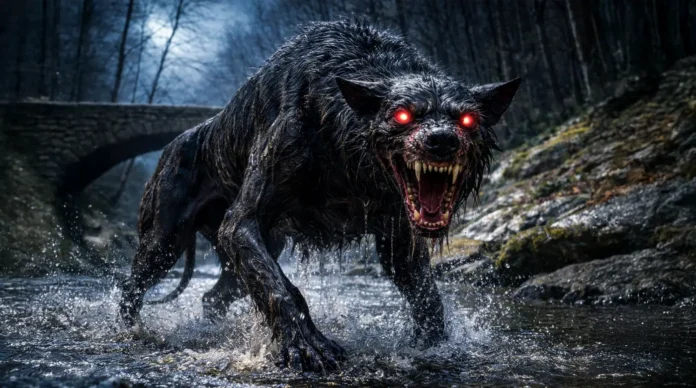
Dip is a spectral black dog from Catalan folklore, often seen as a harbinger of evil and death. Known...
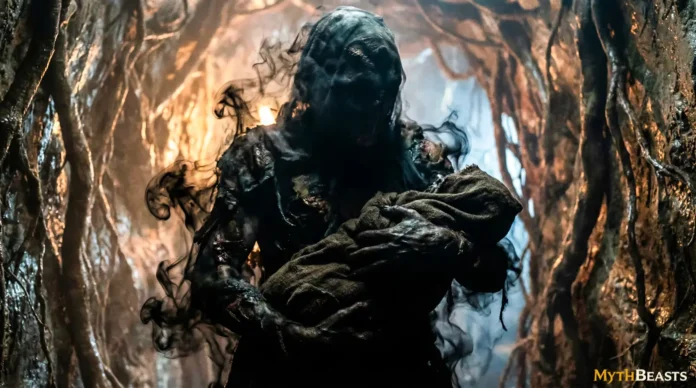
The Āl is a folkloric figure associated with childbirth danger in Iranian and Caucasian traditions, reflecting historical fears surrounding...

The Banshee is a legendary figure rooted deeply in Irish mythology, recognized primarily for her mournful wail that is...

Morrigan is a prominent figure in Irish mythology, often depicted as a complex and multifaceted deity associated with war,...

The Bean Nighe is a Scottish spirit from Celtic lore, known as a harbinger of death who washes bloodied...
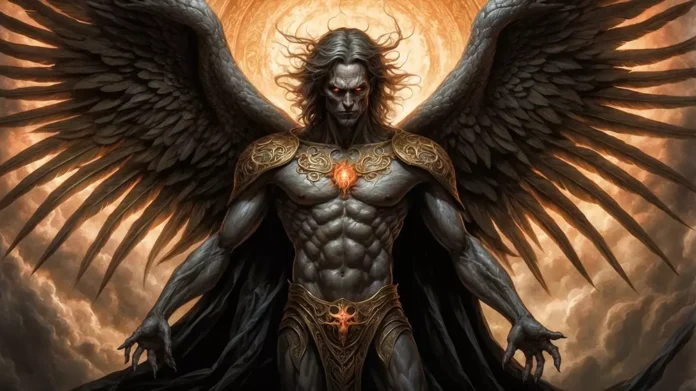
Samael, the Angel of Death, is a figure of divine judgment and moral complexity in Jewish lore, known for...
Sub Categories
Aura of Death
The "Aura of Death" is a mythological skill that emanates a palpable sense of mortality and decay, affecting living beings within its vicinity. It is often associated with figures linked to the underworld or death, instilling fear and unease among those who encounter it.This aura may cause physical symptoms such as a weakening of the body or a chilling sensation, reflecting the proximity to death. It can also blur the boundaries between the living and the dead, influencing perceptions and interactions with the spirit realm.
Bone Manipulation
Bone Manipulation is a mythological skill involving the control and alteration of bones within living or deceased beings. Practitioners can reshape, strengthen, or heal bones, affecting physical form and structure. This skill is often linked to shamanic or mystical traditions, where it serves as a symbol of power over life and death. Its use can signify mastery over natural laws, invoking fear or reverence.In some myths, Bone Manipulation extends to controlling skeletal remains, enabling the reanimation of the dead or the creation of protective barriers. This ability may be associated with ancient deities or spirits, reflecting a deep connection to the earth and ancestral knowledge. The skill is often portrayed as requiring profound wisdom and caution, as it involves manipulating the very essence of physical existence.
Corpse Reanimation
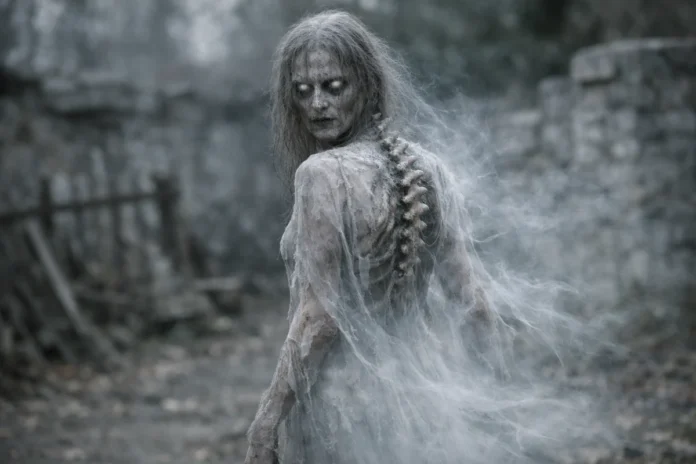
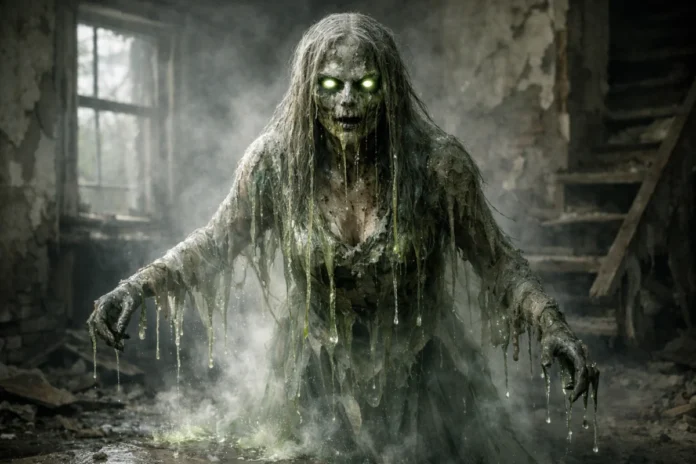
Corpse reanimation is a mythological skill that involves restoring movement to the dead, often for servitude or protection. This act blurs the boundary between life and death, challenging natural order. In various traditions, it is perceived as a potent form of necromancy, reflecting themes of control over mortality.The reanimated beings typically lack their former consciousness, serving the will of the reanimator. This skill is often associated with dark magic, invoking fear and taboo. Myths frequently highlight ethical dilemmas and consequences, emphasizing the unnatural disturbance of resting spirits.
Curse Infliction
Curse Infliction refers to a mythological ability to impose a negative condition or fate upon an individual, object, or community. This skill often involves invoking supernatural forces or deities to manifest misfortune, illness, or calamity. In various traditions, curses are believed to disrupt natural harmony, leading to prolonged suffering or chaos until lifted or broken.The effects of Curse Infliction can alter physical health, mental state, or social standing, creating fear and caution among those aware of its potential. The skill is typically associated with practitioners who possess specialized knowledge or power, such as shamans, witches, or divine beings, reflecting its significance in maintaining or disrupting societal order.
Curse Resistance
Curse Resistance is a mythological skill that provides protection against malevolent enchantments. It mitigates the effects of curses, reducing their impact on individuals, objects, or environments. This skill is often depicted as a shield that deflects or diminishes the power of harmful spells, preserving the well-being and autonomy of the affected.In various mythologies, Curse Resistance is attributed to divine intervention, protective charms, or inherent qualities of certain beings. It is regarded as a crucial ability for maintaining balance and harmony. The presence of this skill can prevent long-term suffering and misfortune, often associated with the influence of dark forces or vengeful spirits.
Dark Resurrection
Dark Resurrection is a mythological skill believed to restore life from death, often associated with shadowy or underworld deities. It typically involves reversing the natural order, challenging boundaries between life and death.This skill is often depicted as requiring significant power or ritual, with potential consequences for users and subjects. Effects may include altered states of existence or lingering ties to the underworld.
Death Inducement
Death Inducement is a mythological skill associated with the ability to cause death or severe harm through supernatural means. Often attributed to deities or powerful entities, this skill reflects the ultimate control over life and death. It is depicted in various cultures as a tool of divine judgment or retribution, highlighting the entity's authority over mortal existence.In mythology, Death Inducement can manifest as a curse, a spoken word, or an inherent power, altering the natural order. Its effects are immediate and irreversible, symbolizing the inescapable fate that awaits all living beings. This ability underscores themes of mortality, the fragility of life, and the divine role in maintaining cosmic balance.
Death Pulse
Death Pulse is a mythological skill believed to emanate a wave of necrotic energy, affecting living beings within its reach. It is often associated with deities or spirits governing death, decay, or the underworld, causing life to wither or cease.In mythology, Death Pulse may alter the natural balance, hastening the process of decay or reinforcing the boundaries between life and death. This skill is understood as a manifestation of power over mortality, often symbolizing the inevitable cycle of life and death.
Death Sense
Death Sense is a mythological ability allowing an individual to perceive the presence of death or impending demise. This skill often manifests as an intuitive awareness or heightened perception of mortal danger. It may involve sensing the aura or essence of death surrounding individuals, locations, or events, suggesting an imminent or recent occurrence of mortality.In various mythologies, Death Sense can serve as a warning system, providing foresight or guidance to avert disaster. It is sometimes attributed to figures associated with death rituals or guardianship, whose role involves mediating between life and death. This skill underscores the thin boundary between the living and the dead, highlighting an innate connection to the unseen forces governing existence.
Death Touch
Death Touch is a mythological ability associated with causing immediate or rapid death through physical contact. It is often attributed to deities, spirits, or figures with supernatural powers. The touch is believed to bypass natural defenses, directly affecting the life force or soul, leading to an instant cessation of life functions in the victim.In various mythologies, Death Touch symbolizes ultimate power over life and death, reinforcing the authority of those who wield it. It serves as a boundary between the mortal and divine realms, illustrating the fragility of human life. This ability often reflects themes of justice, punishment, or fate, emphasizing the inevitability of death within the mythological narrative.
Death Vision
Death Vision is a mythological skill believed to grant individuals the ability to perceive impending death. This perception may manifest as visions, sensations, or intuitive knowledge about someone's mortality. Such insights are often depicted as burdensome, offering foresight into fatal events without the power to alter outcomes.In various traditions, Death Vision is portrayed as a gift or curse bestowed by deities or supernatural forces. It can affect the mind by inducing anxiety or clarity, altering how individuals engage with life's temporal boundaries. This skill underscores themes of fate and inevitability in mythological narratives.
Decay Inducement
The power to accelerate the decay or decomposition of living beings or organic material. Necromancers, dark sorcerers, or death spirits use Decay Inducement to rot or destroy their enemies, reducing them to dust.Decay Inducement symbolizes death’s inevitable march, bringing swift destruction.
Funeral Pyre
Funeral pyre enables the user to summon a massive fire that consumes the dead, releasing their souls and preventing them from being reanimated or used in necromantic rituals. This ability is often used to honor the dead and ensure their peaceful passing into the afterlife. However, funeral pyre can also be used to destroy enemy corpses, denying necromancers the chance to raise them as undead.
Graveyard Empowerment
Graveyard empowerment allows the user to draw power from graveyards or places where many have died. This ability enhances the user’s strength, speed, and necromantic abilities, making them far more powerful when near areas filled with death. The user can also harness the energy of the dead to summon spirits or fuel dark rituals, making graveyards a source of immense power.
Heart Consumption
Heart Consumption is a dark skill where the user consumes the heart of a being to absorb its power or life force. This act is believed to grant temporary enhancements in strength, agility, or other attributes. Often used by beings with necromantic powers, it symbolizes dominance and fear.
Lichdom
Lichdom is the ultimate necromantic transformation, allowing the user to become an undead lich. This process grants the necromancer immortality, powerful magic, and control over the undead. Lichdom comes at a great cost, as it requires the user to sever their ties to life and bind their soul to a phylactery. This transformation is a dark and dangerous path to immense power.
Necromancy
The magical ability to communicate with, summon, or control the dead. Necromancers wield this power to raise undead armies, summon spirits, or command ghosts.Necromancy represents control over the afterlife and the boundary between life and death, making it feared across many mythologies.
Necrotic Decay
Necrotic decay allows the user to spread a deadly necrotic energy that causes rapid decomposition and death in living beings. This ability can be used to wither plants, rot flesh, and decay structures, making it a powerful tool of destruction. Necrotic decay is particularly effective in combat, as it weakens enemies and reduces their ability to fight back by corroding their bodies.
Phantom Summoning
Phantom summoning allows the user to call forth phantoms, ghostly apparitions that can haunt, attack, or spy on enemies. These phantoms are intangible and difficult to harm, making them excellent for reconnaissance or harassment in battle. Phantom summoning is particularly useful in creating an army of spectral soldiers that can bypass physical defenses and strike fear into the hearts of enemies.
Plague Creation
Plague creation allows the user to conjure and spread virulent diseases that can infect large populations. These plagues can cause illness, death, and chaos, weakening enemy forces or entire civilizations. The user has full control over the spread and symptoms of the plague, making it a terrifying weapon in the hands of a skilled necromancer.
Plague Summoning
The ability to summon diseases, plagues, or swarms of insects to harm others. This power is often associated with gods or spirits of pestilence, who use it to bring sickness or devastation upon enemies or regions.Plague Summoning can cripple entire populations with disease or disaster.
Sin Manipulation
Sin Manipulation is a mythological skill involving the influence over moral transgressions, often depicted as the ability to incite, control, or alleviate sinfulness in individuals. This power may manifest as altering the moral compass of a person, leading them to commit acts deemed sinful or, conversely, guiding them towards repentance and redemption.In mythological narratives, entities possessing Sin Manipulation might impose punishment or grant absolution, affecting social and spiritual dynamics. This skill can reshape personal and communal ethical boundaries, reflecting cultural beliefs about morality and divine justice.
Soul Absorption
Soul absorption enables the user to capture and absorb the souls of the dead, using their energy to increase their own power. This ability can be used to fuel dark magic, prolong life, or gain the memories and abilities of the absorbed souls. Soul absorption is a dangerous skill, as it requires the user to consume the essence of others, potentially altering their own soul in the process.
Soul Absorption
The ability to capture and absorb the souls of others, gaining their strength or life force. Soul Absorption is often associated with dark sorcerers, liches, or demons who consume souls to extend their power or longevity.This ability preys on the essence of the living, making it a dangerous form of necromancy.
Soul Binding
The ability to bind a soul to an object, place, or person, trapping it and preventing it from moving on to the afterlife. Necromancers, dark sorcerers, or spirits of the dead use this skill to imprison souls for magical purposes.Soul Binding is a form of supernatural imprisonment and control.
Soul Cage
Soul cage allows the user to trap a soul within a magical container, preventing it from passing on to the afterlife. The trapped soul can be used for various purposes, such as empowering spells, binding the spirit to serve the user, or holding the soul as ransom. This ability is a powerful tool for controlling the dead and harnessing their energy for necromantic purposes.
Soul Exorcism
The ability to expel or remove a possessing spirit or soul from a body, object, or place. Soul Exorcism is often used by priests, exorcists, or holy beings to drive away spirits or demons that inhabit or control others.This power restores balance by freeing the possessed from dark influence.
Soul Fragmentation
Soul fragmentation allows the user to split their own soul or the soul of others into multiple fragments. These fragments can be hidden, stored, or used to anchor the individual’s life force to the world, preventing death. Soul fragmentation is a dangerous and advanced form of necromancy, often used to achieve a form of immortality by scattering one’s essence across multiple vessels.
Soul Harvesting
Soul harvesting allows the user to collect the souls of the dead, either freshly deceased or long passed, for necromantic purposes. These harvested souls can be used to fuel dark magic, extend the user's life, or empower powerful rituals. Soul harvesting is a dangerous and forbidden art, often leading the necromancer into conflict with the forces of the afterlife.
Soul Manipulation
Soul Manipulation in mythology refers to the ability to influence or alter the essence of a being. This skill can involve capturing, transferring, or modifying the soul, impacting a person's fate or identity.It is often associated with deities or powerful figures capable of bestowing life or enacting curses. The manipulation of souls can transcend physical boundaries, affecting the spiritual realm and altering destinies.
Soul Reaping
The power to harvest or collect the souls of the deceased, often for personal gain or control. Soul Reaping is commonly associated with reapers, death gods, or necromancers who use this ability to gain power over the dead.Soul Reaping symbolizes dominion over death itself, giving the user authority over the souls of the departed.
Soul Revival
Soul revival allows the user to bring a recently deceased person or creature back to life by restoring their soul. This ability is more than just physical healing
Spectral Communication
Spectral Communication is the ability to convey messages between the living and spirits or ghosts. This skill often involves mediums or shamans who facilitate dialogue with the deceased. It is believed to provide closure, guidance, or warnings from the spirit realm, bridging the gap between worlds.In mythology, Spectral Communication can influence perceptions of death and the afterlife, impacting cultural rituals and beliefs. It is often depicted as requiring specific conditions or rituals, highlighting the delicate nature of interacting with spirits.
Spectral Possession
A variation of Spirit Possession, where the user takes control of another being’s body by inhabiting it in a ghostly or ethereal form. Spectral Possession is often used by spirits or demons to dominate living beings.It allows the possessor to control the victim's actions while remaining hidden.
Spectral Summoning
The ability to summon ghosts or ethereal spirits to assist in combat or tasks. Necromancers or dark sorcerers often use Spectral Summoning to call upon the spirits of the dead for protection or to attack enemies.These summoned spirits act as powerful allies or haunting presences.
Spirit Banishment
The power to forcefully expel spirits, demons, or other supernatural entities from a place, object, or person. This skill is wielded by exorcists, priests, or holy figures who cleanse areas of evil or malevolent spirits.Spirit Banishment ensures that dark entities are driven away, restoring peace.
Spirit Chains
Spirit Chains is a mythological skill often associated with binding or restraining spiritual entities. This ability is believed to limit the movement or influence of spirits, preventing them from causing harm or mischief. In various traditions, these chains are thought to be forged from mystical materials or derived from divine authority, ensuring their efficacy against supernatural forces.The use of Spirit Chains can extend to protecting sacred spaces or individuals from unwanted spiritual intrusion. By anchoring spirits to a specific location, the chains maintain cosmic or moral order. These chains are sometimes depicted as invisible forces or tangible objects, depending on the cultural narrative. Their presence signifies control over spiritual realms and the maintenance of balance between the material and ethereal worlds.
Spirit Possession
Spirit possession is a phenomenon where a spirit or deity inhabits a human body, influencing or controlling actions. This is often seen as a temporary merging of consciousness, altering the host's behavior or speech.In various mythologies, spirit possession may be voluntary or involuntary, with diverse cultural interpretations. It can signify divine communication, healing, or a spiritual trial, affecting both the individual and their community.
Spirit Summoning
Spirit Summoning is the ability to invoke non-physical entities from other realms or dimensions. This skill often involves ritualistic practices to establish a connection between the summoner and the spirit world. The summoned entities may be benevolent or malevolent, depending on their nature and the summoner's intentions. In various mythologies, these spirits can offer guidance, knowledge, or perform tasks that affect the physical world.This practice can alter perceptions, influence emotions, or convey messages from the spiritual realm. Spirit Summoning often requires specific chants, offerings, or symbolic items to facilitate the process. The boundaries between the material and spiritual worlds are temporarily bridged, allowing interaction across these planes. Mythologically, this skill underscores the belief in an interconnected universe where spirits play an active role in human affairs.
Tomb Awakening
Tomb awakening allows the user to raise the dead from their graves, bringing entire burial sites to life. This ability can summon armies of the undead to serve the user, each bound to the will of the necromancer. Tomb awakening is a large-scale necromantic spell, capable of overwhelming enemies with sheer numbers of undead warriors risen from their eternal rest.