back to top

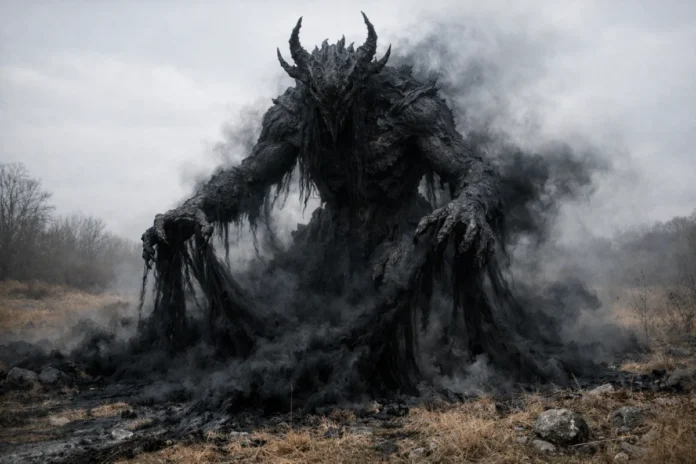
Demonic Form

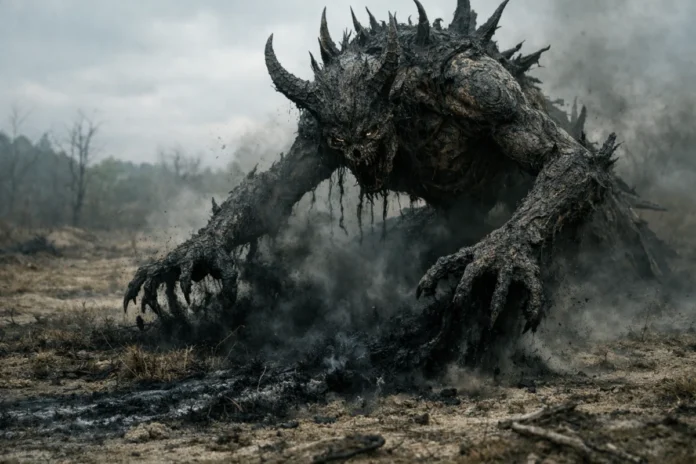
Demonic Form creatures embody darkness and chaos, often symbolizing malevolent forces in mythological narratives.

Relevant Beasts
Achaemenid Empire
Demonic Form
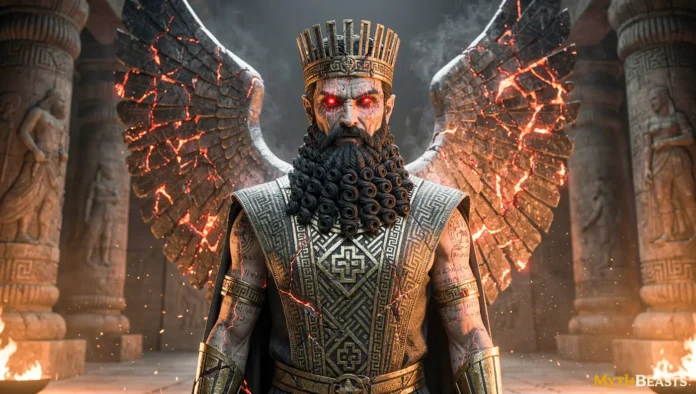
Aeshma - the Zoroastrian demon
Achaemenid Empire

Aeshma

Aeshma - a Zoroastrian demon of wrath and violence who disrupts ritual, drives humans to rage and bloodshed, and...
  • Skills
Disease ManipulationFear Inducement
  • Weaknesses
Blessed WeaponDivine Restrictions
Hebrews
Death Messenger
Samael - the angle of death
Hebrews

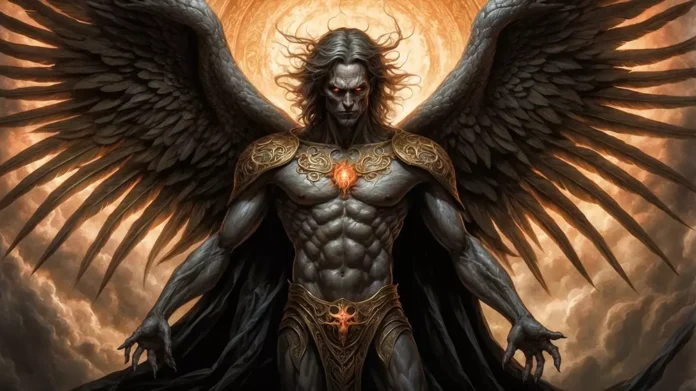
Samael

Samael, the Angel of Death, is a figure of divine judgment and moral complexity in Jewish lore, known for...

  • Skills
Death & NecromancyDeath Touch
  • Weaknesses
Divine LightDivine Restrictions
Hebrews
Demonic Form
Hebrews

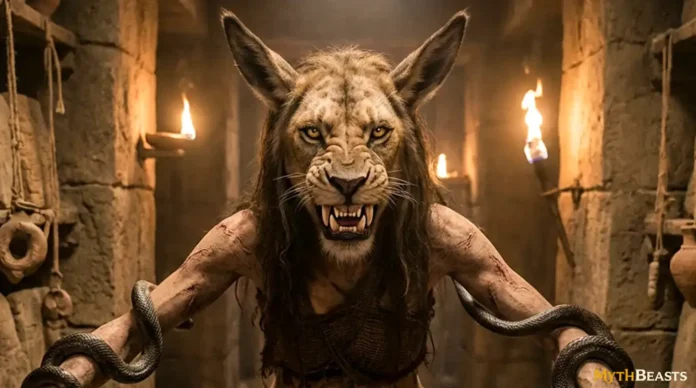
Azazel

Azazel is a powerful demon in Jewish mythology, known for his role in carrying away sins and spreading forbidden...
  • Skills
Forbidden KnowledgeMind Control
  • Weaknesses
Blessed WeaponDivine Restrictions
Akkadian Empire
Demonic Form
Lamashtu - Mesopotamian Mythology
Akkadian Empire

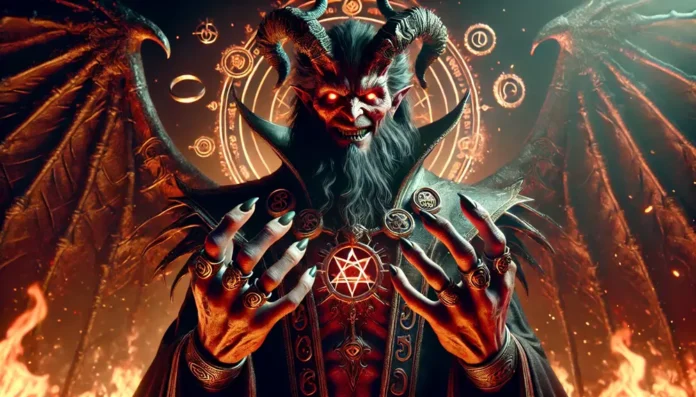
Lamashtu

Lamashtu is a terrifying demoness from Mesopotamian mythology, known for preying on mothers and infants. She has a lioness-like...
  • Skills
Disease ManipulationShape Shifting
  • Weaknesses
Amulet BlockHoly Symbol
Hebrews
Dark Spirit
Asmodeus - the king of Shedim - Hebrew folklore
Hebrews

Asmodeus

Asmodeus, rooted in Hebrew demonology, is a king of demons known for lust and chaos, feared in Jewish lore...
  • Skills
Magic & DivinityShapeshifting Mastery
  • Weaknesses
Divine RestrictionsHoly Water
Hebrews
Demonic Form
Alukah - Hebrews Mythology
Hebrews

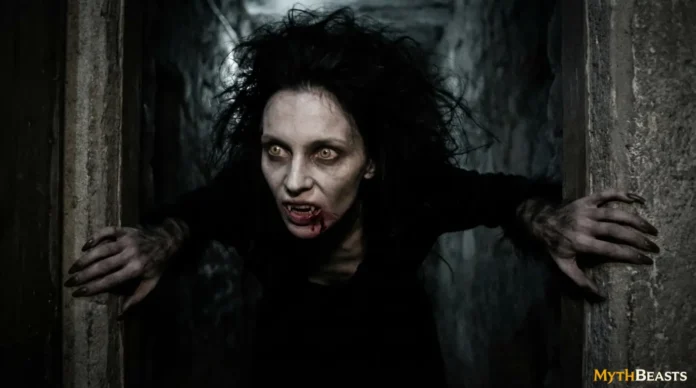
Alukah

A vampiric demoness in ancient Hebrew mythology that drinks blood and preys on humans.
  • Skills
Shapeshifting
  • Weaknesses
Daylight BoundSacred Relic

Demonic Form – Overview

The concept of Demonic Form encompasses a wide array of mythological entities characterized by a shared set of traits. These beings are typically associated with supernatural or otherworldly domains, often embodying chaos, challenge, or transformation. They serve critical functions within various mythological systems, acting as agents of disruption, moral tests, or holders of forbidden knowledge. Distinct across cultures, their presence is pivotal in exploring themes of morality, fear, and the unknown.

Defining Characteristics

Physical Form and Morphology

Demonic Forms are often depicted with exaggerated or hybrid physical features. Common traits include horns, wings, or a serpentine tail, emphasizing their divergence from ordinary creatures. Such features symbolically express their connection to chaos or the unnatural. The physical diversity among these beings highlights their adaptability to embody specific cultural anxieties or taboos, serving as a visual representation of their mythological roles.

Ontological Nature

In mythological terms, Demonic Forms are understood as liminal entities, existing on the boundaries between worlds. They frequently inhabit spaces that are neither fully terrestrial nor entirely divine, embodying the tension between order and chaos. Their existence challenges the known metaphysical order by introducing elements of unpredictability and disorder. This liminality reinforces their role as agents of change, embodying the potential for both destruction and creation within mythological narratives.

Mythological Role and Function

Place in Mythological Systems

Demonic Forms play integral roles within broader cosmological frameworks, often serving as antagonists to deities or heroes. Their interactions with gods and humans highlight moral and ethical dilemmas, challenging established norms. These entities can act as embodiments of natural disasters or societal upheaval, representing the unpredictable forces that test human resilience and adaptability. Their mythological functions underscore their importance in illustrating the complexities of divine and human relationships.

Perception and Meaning

Culturally, Demonic Forms are frequently perceived as threats or omens, symbolizing impending chaos or moral decay. However, they may also serve as protectors or mediators, embodying the duality of destruction and protection. This dual aspect allows societies to explore themes of redemption, punishment, and the balance between good and evil. Such symbolic interpretations reflect deep-seated cultural values and anxieties, projecting these onto the demonic entities themselves.

Distinction from Related Beast Types

Conceptual Boundaries

Demonic Forms differ from elemental beings or spirits by their more complex moral and ontological roles. Unlike spirits, which often embody singular natural elements, Demonic Forms integrate multifaceted traits, representing chaos and order simultaneously. These distinctions are crucial for understanding their unique place in mythological systems, where they transcend simple elemental associations and adopt more intricate symbolic roles.

Common Sources of Confusion

Conflation often arises when Demonic Forms are mistaken for other supernatural creatures, such as undead entities or humanoid monsters. However, scholarly interpretations emphasize their distinct ontological nature, rooted in chaos. Their portrayal as agents of transformation or disruption further reinforces their separation from other categories, where they are not merely antagonistic but also serve as catalysts for change, challenging and redefining existing mythological narratives.

Canonical Beasts Associated with This Beast Type

Asmodeus

Originating in Middle Eastern mythology, Asmodeus embodies the Demonic Form through his role as a demon of lust and chaos. His intricate narratives highlight moral challenges and societal fears, making him a quintessential example.

Lilith

Lilith, from Jewish folklore, represents the Demonic Form with her status as a symbol of rebellion and independence. Her narrative challenges patriarchal norms, embodying the complex morality associated with demonic entities.

Rakshasas

Rakshasas in Hindu mythology exemplify the Demonic Form through their shape-shifting abilities and antagonistic roles against gods and humans. Their narratives reflect deeper cultural themes of morality, illusion, and transformation.

Historical Distribution and Cultural Context

Demonic Forms appear across diverse cultures from ancient Mesopotamia to Medieval Europe, reflecting broad historical patterns. Their portrayal varies, yet consistently aligns with periods of cultural or societal upheaval. This distribution underscores their role in exploring themes of chaos, morality, and transformation. Their prevalence in cultural narratives suggests a shared human interest in depicting and managing the uncertainties of existence through myth.

Scholarly Interpretation and Uncertainty

Variation in Definitions

Interpretations of Demonic Forms vary widely, influenced by cultural, theological, and academic perspectives. Some frameworks emphasize their moral ambiguity, while others focus on their role as agents of chaos. This diversity highlights the adaptability of demonic narratives, which mirror shifting cultural norms and philosophical inquiries across time. Such variations necessitate careful scholarly analysis to understand their multifaceted roles within mythological systems.

Limits of Available Evidence

The historical record presents ambiguities in defining Demonic Forms, as many sources are fragmented or culturally specific. Some interpretations rely on reconstructed narratives, acknowledging the limitations of extant evidence. Scholars often debate the extent of their influence or specific traits, illustrating the complexity of demonic representations. Recognizing these gaps is crucial for understanding both their symbolic meanings and the challenges associated with their study.

Mythological Role Across Cultures

Demonic Forms recur globally, addressing shared human concerns such as fear of the unknown, moral ambiguity, and the need for societal boundaries. By embodying these themes, they serve as a vehicle for cultural exploration of ethics, power, and transformation. Their repeated appearance in mythologies underscores the universal human tendency to personify complex ideas, using demonic entities to navigate and articulate existential dilemmas. Understanding these roles enriches comparative mythological studies, offering insights into cultural diversity and commonality.