Human-Animal Shifter – Overview
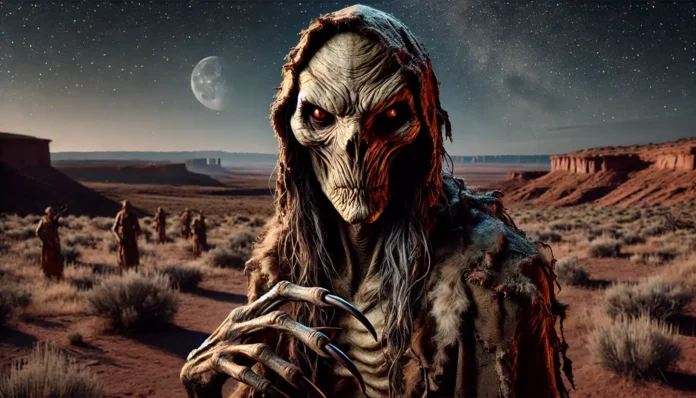
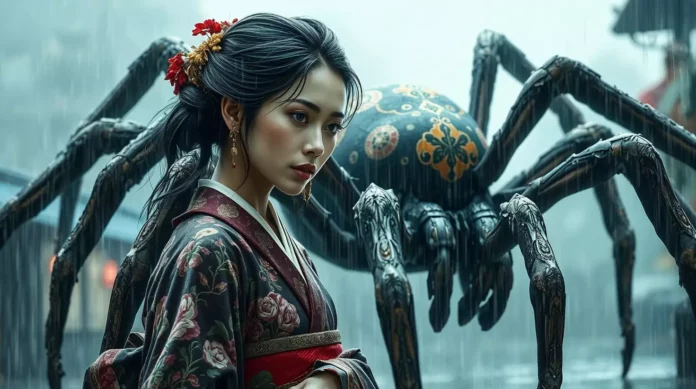
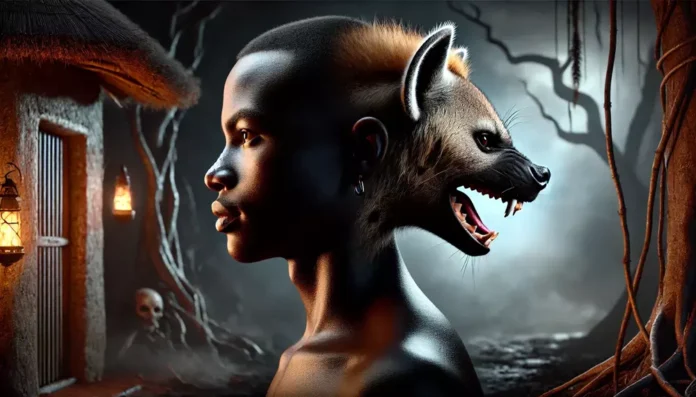
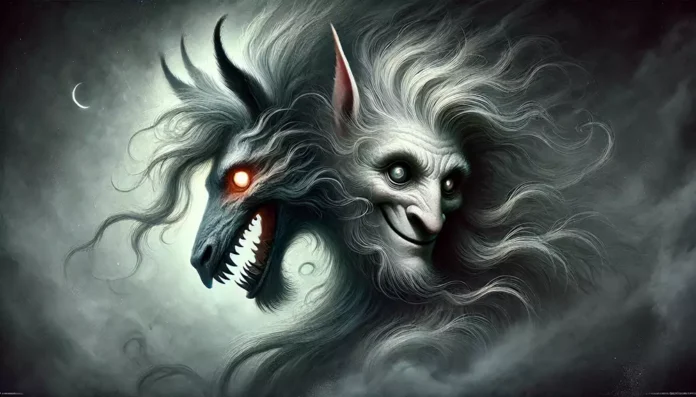
The Human-Animal Shifter category encapsulates mythological beings capable of transforming between human and animal forms. These entities prominently feature in global folklore, representing liminality and duality, bridging natural and supernatural realms. Their transformations signify complex cultural themes.
Defining Characteristics
Physical Form and Morphology
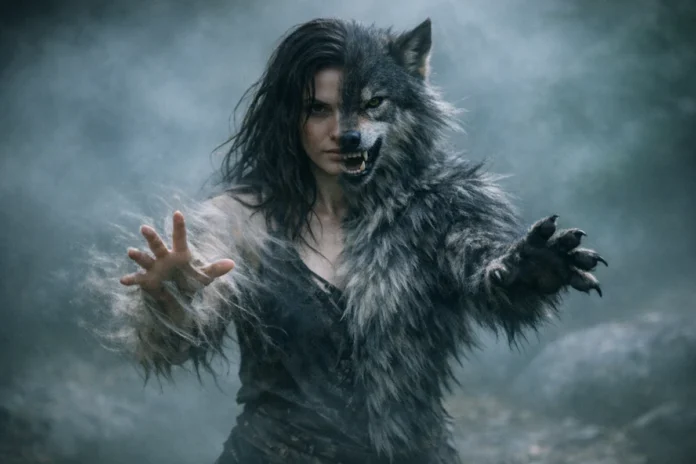
Human-Animal Shifters often display dual morphology, merging human and animal traits seamlessly. Transformations typically include complete shape changes, though partial transformations are possible, featuring animalistic features on a human frame. They embody fluidity in physical form.
Ontological Nature
Ontologically, Human-Animal Shifters exist as liminal beings, embodying both physical worlds and spiritual dimensions. They often possess supernatural capabilities, transcending typical biological constraints. Their existence challenges distinctions between humanity and nature, positioning them outside conventional categories.
Mythological Role and Function
Place in Mythological Systems
Human-Animal Shifters serve as intermediaries in mythological systems, navigating realms and conveying messages between gods, humans, and nature. Often, they embody transition and transformation, exemplifying the permeability of metaphysical boundaries within cosmological narratives.
Perception and Meaning
Cultural perceptions of these beings vary, often viewed as protectors or tricksters. They symbolize change and adaptability, embodying abstract forces like chaos or wisdom. Their roles can fluctuate from benevolent guardians to ominous harbingers in different contexts.
Distinction from Related Beast Types
Conceptual Boundaries
Human-Animal Shifters differ from spirits and elemental entities through their focus on transformation. Unlike animal-based creatures, they possess intrinsic duality, shifting identities. Their essence is defined by change, unlike static undead or singular-form monsters.
Common Sources of Confusion
Confusion arises due to overlapping traits with other beings, such as shapeshifting spirits. Scholars distinguish them through emphasis on dual physicality and intentional form shifts, rather than mere illusion or possession, clarifying boundaries in taxonomic terms.
Canonical Beasts Associated with This Beast Type
Werewolf
Originating in European folklore, the werewolf exemplifies the Human-Animal Shifter type. Transforming during full moons, werewolves highlight themes of uncontrollable primal instincts and the struggle between humanity and savagery.
Nagas
In Hindu and Buddhist traditions, Nagas are serpent deities capable of assuming human form. Their dual nature symbolizes fertility and protection, embodying both danger and benevolence in mythological contexts, encapsulating the essence of shifters.
Huli Jing
Chinese mythology presents Huli Jing, fox spirits adept at human transformation. They are known for their intelligence and cunning, often acting as seductresses or wise guides, representing the multifaceted nature of Human-Animal Shifters.
Historical Distribution and Cultural Context
Human-Animal Shifters appear globally, from ancient European werewolf lore to Asian and African shifter myths. Their presence across cultures underscores universal themes of transformation, identity, and boundary-crossing, prevalent in diverse historical environments.
Scholarly Interpretation and Uncertainty
Variation in Definitions
Definitions of Human-Animal Shifters vary across cultures and eras. Some traditions emphasize physical transformation, while others focus on spiritual shifts. Scholars debate boundaries, reflecting regional differences in mythological interpretations and academic perspectives.
Limits of Available Evidence
Evidence for Human-Animal Shifters is often anecdotal and fragmented. Many tales lack comprehensive documentation, leading to interpretative challenges. Scholars emphasize caution, distinguishing between solid mythological records and speculative reconstructions.
Mythological Role Across Cultures
Human-Animal Shifters recur due to their symbolic reflection of human concerns with identity, nature, and change. Their role addresses cultural needs for understanding liminality and transformation, offering insight into diverse mythologies and societal values.