back to top

Russia

Russia embodies a mythic worldview rich in folklore, weaving tales of mysterious landscapes and legendary figures into its cultural fabric.

Relevant Beasts

Czech
River Guardian
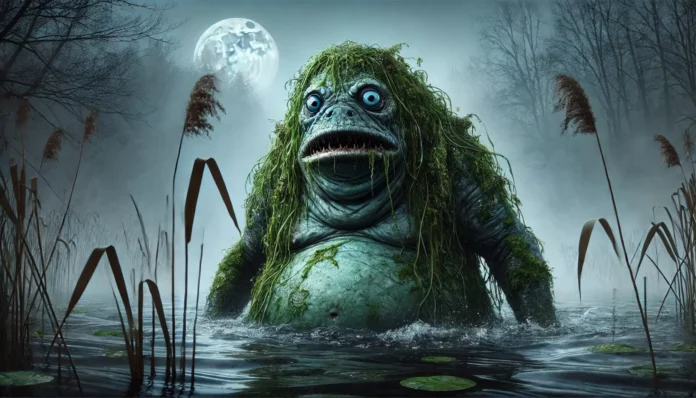
Vodyanoy - Slavic water beast
Czech

Vodyanoy

The Vodyanoy is a Slavic water spirit known for its temper and affinity for rivers and ponds, capturing unwary...

  • Skills
Shape ShiftingStealth
  • Weaknesses
Divine RestrictionsExorcism
Asia
Elemental Crone
Baba Yaga
Russia

Baba Yaga

A witch from Slavic folklore who lives in a hut on chicken legs, known for her vast magical powers.

  • Skills
Magic ManipulationSpell Casting
  • Weaknesses
Holy GroundSacred Relic

Russia – an Overview

Russia’s mythological and cultural identity is rooted in its expansive geographical reach and historical depth. Spanning vast territories, Russia’s mythologies and folklore reflect its diverse cultures. Its mythological traditions are shaped by interactions with neighboring peoples and its unique environmental features. This broad cultural tapestry makes Russia a significant source of Slavic and Eastern European myths.

Historical and Environmental Context

Time Frame and Location

The mythological history of Russia spans from the early Slavic periods through the medieval era, encompassing regions that are now modern-day Russia and parts of Eastern Europe. This geographical expanse includes steppes, forests, and rivers that have influenced its cultural narratives.

Contact and Cultural Exchange

Russia’s mythological traditions were shaped by interactions with neighboring cultures such as Scandinavian, Mongol, and Byzantine civilizations. These exchanges enriched local myths, integrating diverse elements while retaining distinct Slavic features. However, certain traditions remained isolated, preserving their unique character.

Mythological Framework

Worldview and Cosmological Concepts

Slavic cosmology, including Russian traditions, often involves a tripartite world structure: the celestial realm, the earthly domain, and the underworld. This structure is symbolized through the sacred tree, which connects these layers, reflecting the interconnectedness of life and the universe.

Spiritual or Supernatural Categories

Russian mythology recognizes various supernatural beings, including gods, nature spirits, and ancestors. Deities like Perun and Veles embody natural forces, while spirits like domovoi protect households. These entities are integral to maintaining cosmic and social balance within Slavic belief systems.

Folklore and Narrative Tradition

Recurring Mythological Themes

Russian myths frequently emphasize themes of transformation, duality, and the struggle between good and evil. Stories often feature heroes overcoming adversities, highlighting moral lessons and cultural values. The narrative of Baba Yaga, a complex character, exemplifies these recurring motifs.

Transmission and Preservation

Mythological knowledge in Russia has been preserved through oral traditions, rituals, and later, written texts. Folklore collectors and scholars have documented these stories, contributing to the understanding and continuation of Russia’s mythological heritage across generations.

Mythological Beasts and Non-Human Entities

Domovoi

The domovoi is inseparable from Russian mythology, acting as a household spirit that protects and maintains domestic harmony. Its presence reflects social structures and familial values that are central to Russian cultural identity.

Baba Yaga

Baba Yaga, a witch-like figure, is deeply rooted in Russian folklore. Her role as both a helper and adversary exemplifies the complex moral and ethical narratives present in Russian myths, making her an essential character within this tradition.

Symbolic Roles of Creatures and Forces

Within Russian mythology, creatures like domovoi and Baba Yaga serve symbolic roles. Domovoi embodies domestic stability, while Baba Yaga represents the dual nature of wisdom and chaos. These symbols reflect societal values and existential themes.

Internal Variation and Temporal Change

Over time, Russian mythology has experienced variations due to regional influences and historical developments. While core themes persist, interpretations of figures like Baba Yaga vary, reflecting local customs and historical shifts. This dynamism enriches the mythological landscape.

Related Cultural Origins and Myth Sources

Russian mythology shares commonalities with broader Slavic traditions, yet distinctions exist. For example, the domovoi’s role in Russia is more domestic-oriented compared to its counterparts in other Slavic cultures. Such differences highlight the distinctiveness of Russian folklore.

Evidence Limits and Scholarly Uncertainty

Gaps in evidence for Russian mythology often arise due to a lack of contemporary written records from ancient periods. Much knowledge relies on later interpretations and reconstructions, leading to scholarly debate. Thus, a comprehensive understanding remains partly speculative.