Mental Powers
Mental Powers in mythology refer to supernatural abilities of the mind, such as telepathy, foresight, and mind control, found in various traditions.
Relevant Beasts

Lamia from Greek mythology, known for her tragic transformation into a child-eating creature, often depicted with a serpent-like body.

Introduction The Bogeyman (or Boogeyman in American) is not a single creature with a fixed mythological identity. It is a...

Dip is a spectral black dog from Catalan folklore, often seen as a harbinger of evil and death. Known...
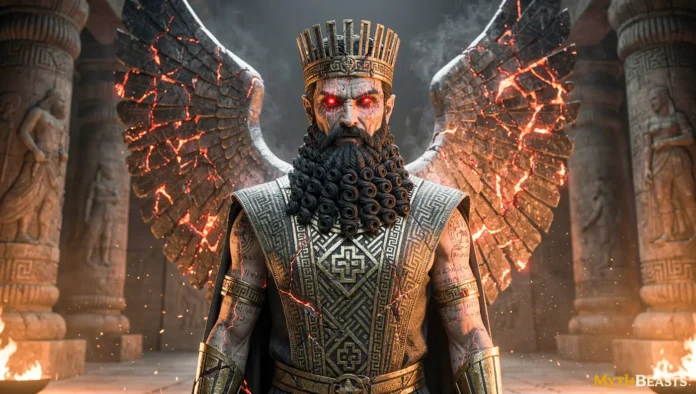
Aeshma - a Zoroastrian demon of wrath and violence who disrupts ritual, drives humans to rage and bloodshed, and...

The Banshee is a legendary figure rooted deeply in Irish mythology, recognized primarily for her mournful wail that is...

Morrigan is a prominent figure in Irish mythology, often depicted as a complex and multifaceted deity associated with war,...
Sub Categories
Aura of Wisdom
The ability to project an aura that enhances the intelligence or knowledge of others, making them more perceptive and insightful. This power is often associated with gods of wisdom or ancient seers, helping those in their presence solve complex problems.Aura of wisdom enhances the cognitive abilities of anyone within range, boosting their decision-making and understanding.
Aura Reading
The ability to perceive the emotional or physical state of others by reading their aura, which often appears as a colored glow around the person. Aura reading is commonly possessed by seers, empaths, or magical creatures who can detect changes in mood or health.This skill provides insight into an individual’s true intentions or well-being.
Cerebral Wave
Cerebral wave allows the user to release a concentrated burst of psychic energy directed at a target’s mind, disrupting their thought processes. This ability can cause confusion, temporary memory loss, or incapacitation, making it a valuable offensive tool. Cerebral wave is highly effective in neutralizing opponents quickly, especially those relying on mental powers for combat.
Clairvoyance
The ability to perceive distant events, people, or places through psychic means. Clairvoyance allows users to gain knowledge of things happening far away or foresee events before they occur.This power is often found in prophets, seers, or gods of foresight, making them invaluable in anticipating threats.
Dream Manipulation
The ability to enter or control the dreams of others, shaping their dreamscape or influencing their subconscious thoughts. Dream manipulation is often seen in deities like Morpheus or spirits that interact with the sleeping world.This power can be used for both peaceful visions or terrifying nightmares.
Dream Seeding
Dream seeding allows the user to plant ideas, thoughts, or images into the minds of others while they sleep. This ability enables the user to influence decisions, change perceptions, or implant suggestions without the target realizing it. Dream seeding is a subtle but powerful mental skill, often used for manipulation or persuasion in a covert manner.
Dream Walking
The ability to enter the dreams of others and move freely within them, often for communication or influence. Dream walking is a rare and mystical power associated with gods of sleep or dream spirits.This power allows the user to traverse the subconscious minds of those they wish to reach.
Emotion Dampening
Emotion dampening enables the user to suppress or nullify emotions in themselves or others, creating a state of calm detachment. This skill is particularly useful in high-stress situations where fear, anger, or panic could lead to mistakes. Emotion dampening can also be used to calm an enemy or ally, reducing emotional responses that could hinder their actions or judgment.
Emotion Drain
The power to sap emotions from others, leaving them numb, apathetic, or emotionally exhausted. Emotion drain is often used by dark spirits or demonic beings to weaken their opponents by removing their will to fight or resist.Victims often feel lifeless or detached after being targeted.
Emotion Manipulation
The ability to control or influence the emotions of others, making them feel fear, love, anger, or other intense emotions. Emotion manipulation is often used by gods, spirits, or powerful magicians to sway decisions or incite conflict.It can be used strategically in negotiations or combat.
Empathic Mimicry
Empathic mimicry allows the user to absorb and mimic the emotions, feelings, and sometimes abilities of those around them. This skill enables the user to experience what others are feeling, using their emotional energy to enhance their own abilities or gain insight into their mental state. It is often used to build a deeper connection or manipulate others through emotional resonance.
Fear Inducement
Fear Inducement is a mythological skill that allows a being to instill intense fear in others, often causing paralysis or irrational behavior. This ability is typically attributed to deities, spirits, or mythical figures known for their intimidating presence or control over human emotions.The effects of Fear Inducement can extend beyond immediate terror, influencing decision-making, altering perceptions, or weakening resolve. In mythology, this skill demonstrates the power to manipulate and dominate, reflecting the profound influence of fear on human consciousness and social structures.
Hallucination Inducement
The ability to cause others to see, hear, or feel things that aren’t real, creating a false reality around them. This skill is often wielded by spirits, demons, or trickster gods, causing confusion, fear, or manipulation through sensory deception.Hallucinations can range from simple distortions to full-blown, terrifying visions.
Hypnosis
The power to put others into a trance-like state, where they are more susceptible to commands and suggestions. Hypnosis is frequently used by creatures like vampires, sirens, or magical beings to control or seduce others.Once hypnotized, the victim becomes obedient to the user’s will.
Illusions
Illusions in mythology are often depicted as supernatural abilities to alter perception, creating deceptive appearances or realities. These illusions can affect individuals or entire communities, obscuring true forms or events. They are frequently associated with trickster figures or deities who use them to manipulate or teach lessons.This skill can blur the boundaries between reality and imagination, causing confusion or enlightenment. Illusions challenge perceptions of truth, often serving as metaphors for deeper philosophical or moral questions. In various traditions, they highlight the limitations of human senses and the potential for hidden truths beyond ordinary perception.
Knowledge Bestowal
Knowledge Bestowal is a mythological skill where a deity or supernatural being imparts wisdom or information to a human or another entity. This transfer of knowledge often involves divine insight, enabling the recipient to understand complex truths or hidden secrets.In mythology, the effect of Knowledge Bestowal can alter perceptions, enhance abilities, or guide critical decisions. It may bridge the mortal and divine realms, allowing humans access to otherwise inaccessible cosmic understanding.
Memory Erasure
Memory Erasure in mythological contexts denotes the supernatural removal, suppression, or alteration of recollection, ranging from isolated incidents to lifelong histories. It reshapes personal identity, disrupts continuity of experience, and obscures causal chains.This skill is portrayed as controlling access to knowledge, secrets, or traumatic events, often marking boundaries between mortal and divine domains. It influences social memory, historical transmission, and the stability of shared narratives.
Mental Domination
A stronger form of mind control, where the user has absolute control over their target’s actions, thoughts, and will. Mental domination is often associated with gods, demons, or dark sorcerers who bend the minds of others entirely to their will.The target becomes an unwilling servant, utterly controlled.
Mental Paralysis
Mental paralysis grants the user the ability to lock down an opponent’s mind, temporarily freezing their ability to think, move, or act. This skill is particularly effective in combat, as it renders opponents helpless and unable to defend themselves. Mental paralysis can also be used to halt psychic attacks or stop an opponent from using their own mental abilities.
Mental Rejuvenation
Mental rejuvenation allows the user to refresh and restore their mental faculties, recovering from fatigue, stress, or psychic damage. This ability is crucial for maintaining clarity and focus in prolonged battles or high-pressure situations. Mental rejuvenation can also be used on allies, helping them recover from mental strain and return to optimal performance.
Mind Control
Mind control in mythology refers to the ability to influence or dominate another's thoughts and actions through supernatural means. This skill often involves overriding an individual's will, leading to altered behavior and perceptions. Mythological narratives typically ascribe this power to deities, sorcerers, or supernatural beings, highlighting its association with authority and manipulation.The effects of mind control can vary, ranging from subtle persuasion to complete domination. It blurs the boundaries between free will and external influence, raising ethical questions about autonomy. In many traditions, mind control underscores the vulnerability of human consciousness to external forces, illustrating themes of power and control within mythical contexts.
Mind Erasure
The ability to completely erase the knowledge, memories, or learned skills of a person’s mind, reducing them to a blank slate. This is an extreme form of psychic manipulation, often used by powerful gods or dark entities to destroy the identities of their enemies.Mind erasure can leave the target helpless, devoid of any previous self-awareness.
Mind Fortress
Mind fortress enables the user to create an impenetrable mental barrier that protects them from psychic attacks, mind control, or telepathic intrusion. This defensive skill is crucial for maintaining mental autonomy in battles against other psychics or mental manipulators. The fortress can also shield allies from mental influences, making it a powerful protective tool.
Mind Merge
Mind merge allows the user to combine their consciousness with that of another being, sharing thoughts, memories, and experiences. This skill can be used to enhance understanding, share knowledge, or create a deeper connection with allies. In battle, it can provide strategic advantages by allowing multiple minds to work as one. However, it also exposes both parties to each other’s mental states.
Mind Reading
The ability to access and interpret the thoughts of others, often without their knowledge. Mind reading can be used to gather intelligence, discover hidden motives, or anticipate attacks.This skill is frequently seen in psychic beings or gods of wisdom, making them nearly impossible to deceive.
Mind Reading Resistance
The power to block others from reading one’s thoughts, maintaining complete mental privacy. Creatures with this skill are immune to telepathy or psychic eavesdropping, ensuring that their innermost thoughts remain hidden.Mind reading resistance is essential for powerful wizards or mentally resilient beings.
Mind Shielding
The ability to protect one’s mind from telepathy, mind control, or other forms of mental invasion. Creatures with this power are resistant to psychic manipulation, ensuring that their thoughts remain private and their will unbroken.Mind shielding is common among powerful sorcerers, gods, or mentally resilient beings.
Mind Wiping
The ability to completely erase memories from a person’s mind, rendering them amnesiac or selectively removing certain events. Mind wiping is a potent tool used by gods of knowledge, powerful wizards, or creatures that wish to conceal secrets.This skill can be devastating when used to erase crucial information.
Nightmare Creation
Nightmare Creation is a mythological skill believed to involve inducing distressing dreams in individuals. These dreams often reflect personal fears or unresolved conflicts, affecting mental states upon waking. The skill is typically attributed to supernatural entities or deities associated with dreams or the night, who wield it to influence or manipulate human experiences.In mythology, Nightmare Creation can blur the boundaries between reality and the dream world, causing lingering unease or dread. It serves as a narrative tool to explain the mysterious and uncontrollable nature of human fears. This skill underscores the cultural significance of dreams, emphasizing their potential to reveal deeper truths or hidden anxieties in various mythological traditions.
Psychic Explosion
Psychic explosion allows the user to release a burst of mental energy in all directions, incapacitating or disorienting nearby enemies. This ability causes temporary confusion, paralysis, or loss of mental control in opponents, making it an effective tool for crowd control. The explosion can also disable psychic abilities in others, creating a mental shield around the user.
Psychic Shield
The ability to protect oneself from all forms of mental or psychic attacks, creating a barrier around the mind that prevents invasion. Psychic shields are often employed by powerful sorcerers or beings with strong mental fortitude.This ability ensures immunity to telepathic manipulation, keeping the mind safe from any external mental assault.
Psychokinetic Flight
Psychokinetic flight enables the user to levitate and fly by manipulating the forces of telekinesis. This ability allows the user to move through the air freely, control their speed and direction, and evade ground-based threats. It also provides an advantage in combat by allowing attacks from above and the ability to escape dangerous situations quickly.
Psychometry
The ability to perceive the history of an object by touching it, gaining insight into the events and people associated with it. This skill is often used by seers, oracles, or magical beings to learn about hidden truths or unravel mysteries.Psychometry is invaluable for uncovering secrets or investigating the past.
Psychoportation
Psychoportation allows the user to teleport themselves or others by focusing their mental energy. This ability enables instant travel over vast distances, bypassing physical obstacles or dangers. Psychoportation is useful for both offense and defense, as the user can teleport behind enemies for a surprise attack or escape from harm’s way in an instant.
Seduction
Seduction in mythology often involves the ability to allure and influence others through charm or enchantment. This skill is frequently attributed to deities and mythical beings who possess an innate power to captivate, leading to altered perceptions or actions of those targeted. It can transcend physical attraction, involving an irresistible charisma or persuasive eloquence that affects the mind and emotions.Mythological accounts of seduction highlight its role in shaping events and relationships, often blurring boundaries between the divine and mortal realms. It can be a tool for achieving specific goals or for altering the course of narratives by manipulating desires and intentions. The skill embodies both creative and destructive potential, reflecting its dual nature as a force of attraction and manipulation.
Sensory Manipulation
Sensory manipulation allows the user to alter the perceptions of others by controlling their sensory input. This ability can be used to make objects or people invisible, create illusions, or distort an opponent’s senses. Sensory manipulation is highly versatile, providing both offensive and defensive advantages by confusing or misleading enemies and protecting the user from detection.
Telekinesis
Telekinesis is the mythological ability to move or manipulate objects without physical contact. It is often attributed to supernatural beings or individuals with extraordinary powers, allowing them to exert influence over their environment through mental focus alone.In mythological contexts, telekinesis can blur the boundaries between the physical and the metaphysical, suggesting a link between thought and reality. This skill is sometimes depicted as a sign of divine favor or innate mystical prowess, reflecting the user's control over natural forces.