Magic Boundaries
Magic Boundaries define the inherent constraints where mystical forces cease to operate, creating natural limits within mythological realms.
Relevant Beasts
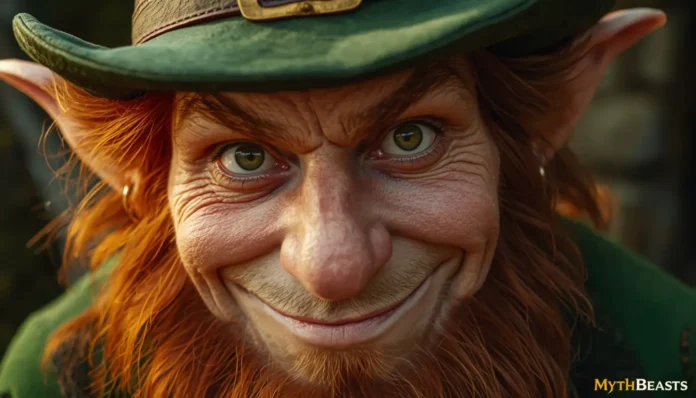
Leprechauns are small, mischievous fairies from Irish folklore known for their trickery and guarding pots of gold.

The Unicorn, first described by Ctesias in 5th-century BCE Greece, was a one-horned beast said to live in India....

Dragon, the fire-breathing giant from global myths, symbolizes chaos, power, and treasure guardianship, appearing in countless heroic and dark...

The Kelpie is a shape-shifting water spirit from Scottish folklore, known to appear as a horse and lure victims...

The Loch Ness Monster, a cryptid from Scottish legend, is said to inhabit Loch Ness. A mysterious aquatic hybrid,...

The Wulver is a benevolent werewolf-like creature from Shetland folklore, known for kindness and solitude. A Neutral Force tied...
Sub Categories
Amulet Block
Amulet Block refers to a recurring motif in mythological narratives where a protective charm or talisman negates or deflects supernatural threats, limiting the power of otherwise formidable forces or entities. This vulnerability highlights the belief in tangible objects possessing counteractive properties, establishing barriers that disrupt magical influence and reinforce the importance of ritualized protection within symbolic frameworks.The concept of Amulet Block often signifies a boundary between ordinary individuals and the supernatural, introducing a conditional weakness that can only be overcome by circumventing or neutralizing the amulet’s effect. In mythological structures, this limitation reinforces themes of balance, emphasizing that mystical power may be checked or rendered ineffective through prescribed means.
Anti-Magic
Anti-Magic often symbolizes a vulnerability where supernatural powers are nullified, reflecting a balance between magical and non-magical forces. It underscores limitations inherent in relying solely on mystical abilities.In mythological narratives, Anti-Magic serves as a counterbalance, highlighting the unpredictability and constraints of magic. This concept emphasizes the importance of wisdom and strategy over sheer magical prowess.
Aura Collapse
Aura Collapse denotes a mythological weakness characterized by the sudden disruption or dissipation of a being’s protective spiritual field, leaving it exposed to external harm or influence. This vulnerability often signifies a critical turning point where inherent defenses fail, emphasizing the fragility of supernatural power.In symbolic structures, Aura Collapse highlights the consequences of overextension, hubris, or imbalance within the self. Its recurrence in myth underscores the tension between inner strength and external forces, reinforcing themes of limitation and vulnerability.
Charm Blocked
Charm Blocked describes a limitation where persuasive allure, enchantment, or social magnetism fails to take hold. It marks boundaries on influence, emphasizing resistance, incompatibility, or protected states within narratives.As a symbolic structure, Charm Blocked frames agency and consent by denying effortless control. It highlights that attraction and spellbinding rhetoric are contingent, exposing limits on charisma, beauty, or seduction.
Charm Reversal
Charm Reversal describes a weakness where persuasive allure, enchantment, or social magnetism fails and turns against its source, undermining influence and exposing limits of control within mythic structures.As a symbolic vulnerability, Charm Reversal marks the instability of charm as power: admiration shifts to suspicion, bonds dissolve, and intended harmony becomes discord, emphasizing contingency in authority and desire.
Curse Bound
Curse Bound represents a mythological vulnerability where individuals or entities are subject to curses that bind them to specific fates or limitations. These curses often result in unavoidable consequences.In symbolic structures, Curse Bound signifies the inescapable nature of certain destinies. This concept highlights themes of predetermined paths, illustrating the struggle against imposed constraints within mythological narratives.
Curse Lock
Curse Lock is a vulnerability to curses, which can trap individuals under binding spells or limit abilities. This sensitivity makes it difficult to resist curses that target their will or physical form, often leaving them helpless.
Enchantment Dispel
Creatures that rely on enchantments for their power can be rendered powerless if those enchantments are dispelled. Once the magical effects are removed, they lose their abilities and become as vulnerable as an ordinary being.In mythology, enchantment dispelling is used to strip creatures of their supernatural defenses, leaving them open to attack.
Enchantment Drain
Enchantment Drain refers to rapid loss of energy when under enchantments. This sensitivity can render them ineffective in situations where enchantments are present, as they struggle to maintain resilience.
Hex Prone
Creatures that are hex prone are easily affected by jinxes or curses. Once hexed, their luck turns bad, their abilities weaken, and they are left vulnerable to further harm. Hexes can last for extended periods, causing long-term misfortune.In mythology, hexes are used to slowly weaken creatures over time, making them less effective in battle and easy to defeat.
Hex Weakness
Hex Weakness is a susceptibility to hexes, which cause misfortune or bad luck. Creatures with this flaw are easily afflicted by hexes, making them prime targets for hex-based attacks that disrupt their abilities.
Incantation Bound
Creatures controlled by incantations are vulnerable to specific words of power that restrict their actions. When an incantation is spoken, they are forced to obey or become immobilized, leaving them powerless.In myth, incantations are often used to control powerful beings by speaking the right magical words, forcing them to follow commands.
Incantation Limit
Incantation Limit refers to a restriction on the number or complexity of incantations one can perform. This sensitivity limits their magical effectiveness, as they struggle to sustain complex spells.
Magic Drain
Magic Drain represents a recurring vulnerability in mythological narratives where entities lose their magical abilities. This depletion often occurs when encountering specific conditions or opposing forces, leading to diminished power.Symbolically, Magic Drain reflects themes of balance and consequence within mythologies. It emphasizes the fragile nature of power and the inevitable limitations that accompany even the most potent magical beings.
Magic Reflection
Magic Reflection is a mythological weakness where magical attacks rebound upon the caster. This concept symbolizes unintended consequences, highlighting the risks inherent in wielding supernatural powers without caution.In mythological narratives, Magic Reflection often serves as a narrative device to emphasize humility and restraint. It illustrates the potential for power to backfire, cautioning against overconfidence and reckless use of magic.
Magic Seal
Magic Seal often represents a vulnerability where supernatural abilities are restricted or nullified. It can symbolize a boundary that limits power, enforced through magical or mystical means.Within mythological narratives, Magic Seal signifies control over formidable forces, ensuring balance. This concept illustrates the potential for power to be contained or neutralized by specific conditions.
Mirror Reveal
Mirror Reveal describes a weakness where reflective surfaces expose concealed identity, intent, or nature. In mythic symbolism, mirrors function as impartial witnesses, limiting deception and forcing recognition.As a narrative vulnerability, Mirror Reveal constrains shapeshifting, disguise, or hidden motives by making appearance answerable to reflection. It marks boundaries between seeming and being, emphasizing self-knowledge.
Mirror Trap
Mirror Trap is a vulnerability to reflective surfaces, which can trap or disorient. This sensitivity can cause challenges in combat, as they are prone to being ensnared by reflections, limiting effectiveness.
Ritual Delay
Ritual Delay indicates a tendency for rituals to require additional time or effort. This sensitivity can disrupt their ability to cast spells, as they need more resources, often leaving them vulnerable.
Ritual Weak
Ritual Weak represents a recurring theme where mythological beings or entities are vulnerable during specific rituals or ceremonial times. This weakness often appears in narratives involving transformation or protection.Symbolically, Ritual Weak underscores the tension between power and vulnerability in sacred contexts. It highlights how rituals can both empower and expose participants to potential dangers or limitations.
Rune Bound
Creatures that are rune bound are trapped by magical symbols inscribed on objects or surfaces. These runes act as cages or barriers, preventing the creature from leaving a specific area or using their powers until the rune is removed.In various myths, runes are powerful symbols capable of restraining even the most dangerous of beings.
Sigil Weakness
Sigil Weakness is a susceptibility to sigils, which can weaken or trap those affected. This sensitivity makes it difficult to escape sigil-based traps, as they are prone to being bound by mystical symbols.
Song Disruption
Song Disruption is a mythological weakness where the interruption or distortion of a song leads to diminished power or influence. This vulnerability often symbolizes the fragility of harmony and order.In mythological narratives, Song Disruption may reflect the importance of maintaining continuity and focus. The disruption can signify chaos, loss of control, or a break in magical or divine connection.
Spell Fatigue
Spell Fatigue describes a limitation where extraordinary exertion diminishes further magical effectiveness, marking a boundary on repeated spellcasting. It frames power as finite, requiring restraint, recovery, or renewed focus.As a narrative weakness, Spell Fatigue introduces consequence and pacing, preventing effortless escalation. Symbolically, it links magic to human-like limits, emphasizing balance, humility, and the costs of overreaching.
Spell Trapped
Spell Trapped represents a mythological vulnerability where magical beings or objects become ensnared by spells, limiting their power or freedom. This condition often highlights the delicate balance of magical control.Symbolically, Spell Trapped underscores themes of hubris and the consequences of overreaching. It serves as a narrative device to explore the boundaries of power and the risks of enchantment.
Telepathy Block
Telepathy Block represents a susceptibility to barriers that disrupt telepathic communication. This sensitivity can limit their ability to share information or receive telepathic guidance during critical moments.
Teleport Block
Creatures that rely on teleportation can be blocked by magical wards or fields, preventing them from moving freely. These blocks stop them from escaping or moving quickly, leaving them vulnerable to being captured or killed.Teleportation blocks are often set up as traps for magical beings, ensuring they cannot flee.
Teleportation Drain
Teleportation Drain is a vulnerability where teleportation causes extreme fatigue. This sensitivity limits their ability to use teleportation as they quickly become drained, rendering them vulnerable.
True Name Vulnerable
True Name Vulnerable describes a motif where knowing an entity’s true name grants leverage over it, limiting autonomy and emphasizing the power of precise identification within mythic language.As a symbolic structure, True Name Vulnerable links identity to authority, suggesting names function as essences that can be constrained, compelled, or disclosed, creating narrative tension around secrecy.
Warded Spaces
Certain creatures cannot enter or act within areas protected by magical wards. These wards block their powers and prevent them from crossing into protected spaces, leaving them powerless if they attempt to breach the boundary.Wards are often used in mythology to protect against dark forces, creating safe havens where evil cannot enter.