
back to top

Piercing Kill

Piercing Kill represents a fixed vulnerability, highlighting a specific point of exposure found in various mythological narratives.

Relevant Beasts
Mississippian
Guardian Animal
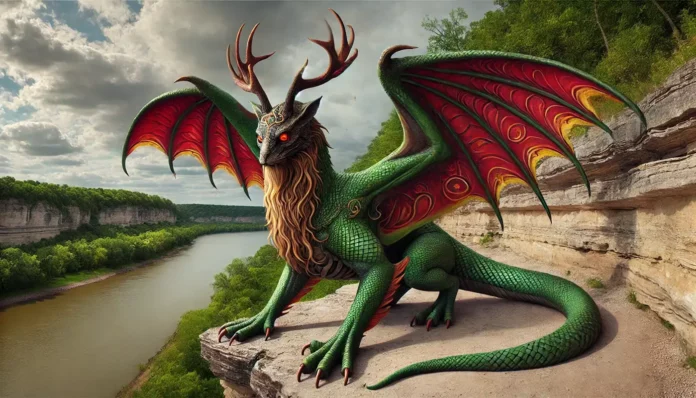
The Piasa Bird - Native American folklore
Mississippian

Piasa Bird

The Piasa Bird, a monstrous winged predator from Native American folklore, is said to dwell near the cliffs of...

  • Skills
CamouflageFire Breathing
  • Weaknesses
Blunt ForceLightning Damage
American West
Dark Fae
Jackalope north american-folklore
American West

Jackalope

The Jackalope, a legendary North American creature, is described as a rabbit with antelope-like horns. Known for its cunning...

  • Skills
CamouflageEnhanced Agility
  • Weaknesses
High Altitude WeakPiercing Kill
Asia
Human-Animal Shifter
Jorogumo - Japanese Folklore
Japan

Jorogumo

The Jorogumo is a captivating yet terrifying creature from Japanese folklore. Known for her ability to shapeshift into a...

  • Skills
HypnosisMental Powers
  • Weaknesses
Fire VulnerablePiercing Kill
Africa
Winged Beast
Kongamato - South African Myth
Zambia

Kongamato

The Kongamato is a winged beast from African folklore, feared for its pterosaur-like appearance and aggressive attacks on those...

  • Skills
FlightPhysical Strength
  • Weaknesses
Physical LimitsPiercing Kill
Asturian
Dragon-Like Being
Cuelebre - Asturian Mythology
Asturian

Cuelebre

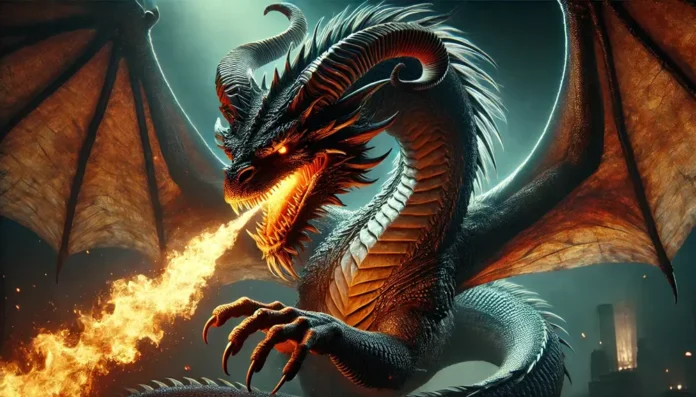
Cuelebre, a dragon-like serpent from Asturian folklore, guards treasures in caves.
  • Skills
FlightPhysical Strength
  • Weaknesses
Physical LimitsPiercing Kill
Catalan
Dragon
Drac - Catalonian Folklore
Catalan

Drac

The Drac, a serpent-like dragon from Catalan folklore, embodies chaos and nature's fury, with legends of terrorizing villages and...

  • Skills
Element ControlFire Breathing
  • Weaknesses
Physical LimitsPiercing Kill

Piercing Kill – Overview

The term “Piercing Kill” refers to a mythological weakness characterized by a critical vulnerability, often leading to demise or downfall. This concept transcends incidental or isolated failures, becoming an integral structural element within mythological narratives. Its presence underscores the inherent limitations and constraints governing powerful beings or entities, reflecting a deeper cosmological balance. This limitation serves as a narrative mechanism to prevent absolute invulnerability, ensuring a sense of balance within mythological systems. As such, it is a significant aspect of mythological thought, distinguishing powerful entities from the divine or eternal.

Defining Characteristics of the Weakness

Nature of the Limitation

Piercing Kill fundamentally represents a metaphysical restriction rather than a mere physical vulnerability. This concept often embodies existential constraints, illustrating limitations imposed by sacred laws or cosmic order. Unlike ordinary mortality, it imposes an inherent boundary that cannot be overcome by strength or cunning alone. This vulnerability is not incidental but embedded within the existence of mythological beings, marking their narratives with inevitable limitations.

Conditions of Exposure

Piercing Kill becomes relevant under specific symbolic and cosmological conditions. Its activation might be tied to moral transgressions or breaches of sacred laws, indicating a deviation from prescribed cosmic harmony. The environmental context can also play a significant role, often involving sacred spaces or items imbued with spiritual significance. These conditions are less about physical mechanics and more concerned with the symbolic and moral frameworks governing mythological entities.

Mythological Role and Function

Function Within Mythological Systems

Within mythological systems, Piercing Kill serves to regulate power dynamics and preserve cosmic balance. It prevents the unchecked dominance of powerful entities, ensuring their narratives remain within the realm of possibility. This weakness provides a mechanism for downfall, allowing for narratives of hubris and eventual retribution. By enforcing these boundaries, Piercing Kill becomes crucial in maintaining the equilibrium of mythological worlds.

Symbolic and Cultural Meaning

Symbolically, Piercing Kill represents the inevitability of limitations and the consequences of moral or cosmic transgressions. Across cultures, it serves as a reminder of the boundaries imposed by sacred law and the mortal condition. This weakness highlights the futility of hubris, emphasizing the universal theme of mortality and the limitations inherent in existence. Through its portrayal in myth, it reinforces the necessity of respecting cosmic and moral boundaries.

Distinction from Related Mythological Weaknesses

Conceptual Boundaries

Piercing Kill differs from general mortality or physical injury by representing a metaphysical or existential vulnerability. It is distinct from divine punishment, which involves active retribution from deities, and from taboo violation, which typically involves social or cultural transgressions. While situational defeat may occur through external circumstances, Piercing Kill is an intrinsic limitation specific to an entity’s nature.

Common Sources of Misclassification

Piercing Kill is often misunderstood as a mere plot device or narrative convenience. Misclassification arises when scholars or enthusiasts conflate it with general vulnerabilities or situational defeats. Comparative mythology clarifies these distinctions by emphasizing the inherent nature of Piercing Kill as an existential constraint. This weakness is not simply about overcoming obstacles but about understanding the limitations imposed by cosmic or sacred laws.

Canonical Beings Defined by Piercing Kill

Achilles

Achilles, a hero from Greek mythology, is defined by his vulnerability at the heel. This weakness exemplifies Piercing Kill, highlighting the hero’s cosmic constraint. Achilles would be narratively incoherent without this defining limitation.

Baldur

Baldur, a Norse god, is rendered vulnerable by mistletoe, marking Piercing Kill’s presence. His narrative illustrates existential constraint within Norse cosmology. Without this, Baldur’s story would lose its profound symbolic meaning.

Siegfried

Siegfried, a hero from the Nibelungenlied, bears a vulnerable spot despite his invincibility. This aspect of Piercing Kill underscores his myth’s emphasis on mortal limitations, reinforcing the theme of inevitable downfall.

Historical Distribution and Cultural Context

Piercing Kill appears across diverse cultural and historical contexts, emphasizing shared human concerns about power and vulnerability. This weakness is prevalent in ancient mythologies, reflecting societal and cultural values. It often manifests in stories of heroes and gods, serving as a narrative device that underscores cosmic balance and moral order. By examining its distribution, scholars can trace the evolution of mythological thought, revealing how different cultures grappled with similar existential questions.

Scholarly Interpretation and Uncertainty

Variation in Interpretation

Scholarly interpretations of Piercing Kill vary across cultures and historical periods. Some frameworks emphasize its symbolic meaning, while others view it through a literal lens. These variations highlight the complexity of interpreting mythological weaknesses, as different traditions ascribe distinct meanings to similar concepts. Understanding these differences allows scholars to appreciate the richness and diversity of mythological narratives.

Limits of the Evidence

The evidence surrounding Piercing Kill and its interpretations is often fragmented or ambiguous. Some myths lack detailed accounts, leading to debates among scholars about its significance. No verified sources describe every aspect of Piercing Kill, necessitating cautious interpretation. Established interpretations are grounded in historical texts, while uncertain readings rely on comparative analysis and scholarly debate. This challenges researchers to balance evidence with interpretive caution.

Mythological Function Across Cultures

Piercing Kill recurs across mythological traditions due to shared human concerns about power, vulnerability, and cosmic order. It serves as a symbolic reminder of limitations and the consequences of transgressing sacred laws. Recognizing Piercing Kill enhances comparative interpretation by revealing underlying themes and values across different cultures. This understanding enriches the study of mythology, highlighting connections between diverse belief systems and their narratives.