
back to top

Giant Humanoid

Giant Humanoid creatures are defined by their large size and often symbolize power or chaos in various mythological narratives.

Relevant Beasts
Asia
Giant Humanoid
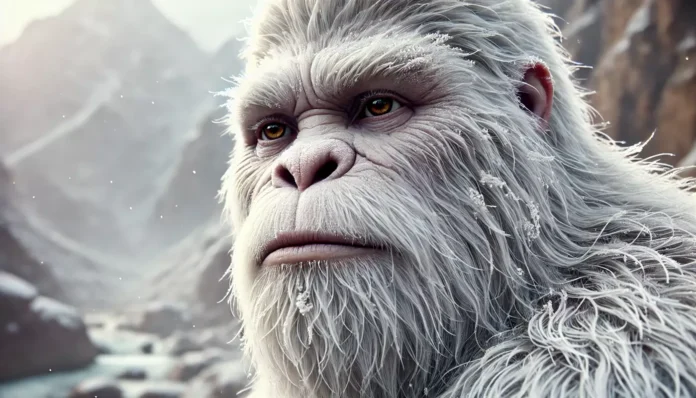
Yeti - Tibetian Folklore
Tibet

Yeti

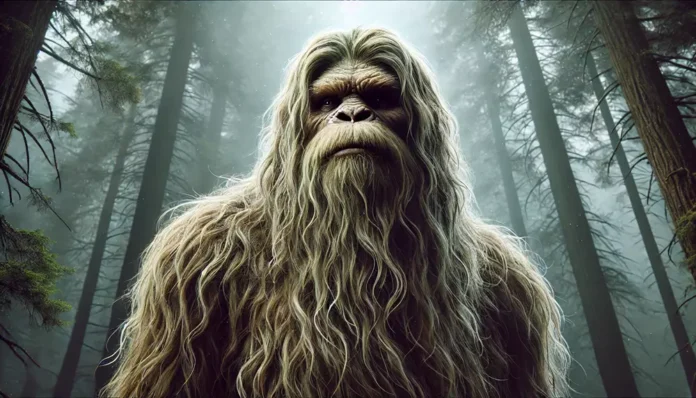
Yeti of the Rockies is a North American version of Bigfoot, a solitary giant humanoid roaming the Rockies.
  • Skills
Blizzard CreationCold Resistance
  • Weaknesses
Blunt ForceHeat Sensitive
Basque
Forest Guardian
Basajaun - Spain Mythlogoy
Basque

Basajaun

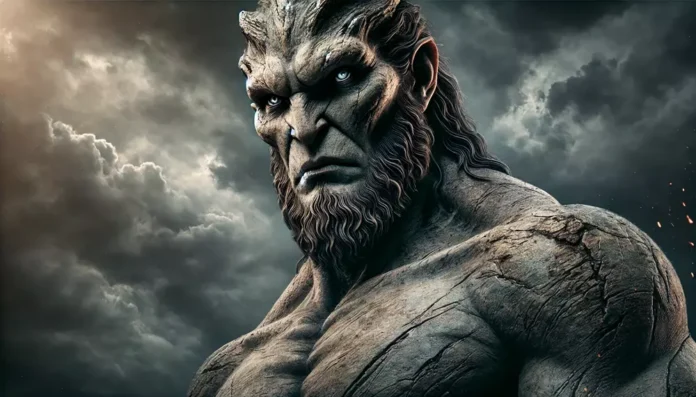
Basajaun is a wild hairy giant from Basque folklore, a guardian of the forests and livestock.
  • Skills
Control & SummoningNature Control
  • Weaknesses
Element SensitivitiesFire Vulnerable
Hebrews
Giant Humanoid
Hebrews

Nephilim

Nephilim are giant humanoids from ancient Hebrew mythology, often depicted as the offspring of angels and humans. Their presence...

  • Skills
Physical Strength
  • Weaknesses
Divine Restrictions

Giant Humanoid – Overview

Giant Humanoids are mythological beings characterized by their enormous size and humanoid form. These entities often embody primal forces or cosmic powers. They appear across various cultures, symbolizing grandeur, power, and sometimes chaos. Although their roles differ, the archetype of the Giant Humanoid consistently represents a bridge between the human and the divine, usually possessing both physical might and symbolic significance. They are deeply embedded in mythological narratives, serving as both adversaries and allies, reflecting the complex dynamics of power and morality.

Defining Characteristics

Physical Form and Morphology

Giant Humanoids are defined by their excessive size and typically human-like structure. This includes recognizable human features such as limbs, facial characteristics, and upright posture. Their larger-than-life scale is central to their mythological identity, conveying their superiority and potential destructiveness. These beings often possess exaggerated limbs and features, emphasizing their divergence from human norms. They are typically depicted with robust builds, symbolizing their immense strength and endurance. Despite variations, these features remain consistent across cultural depictions, solidifying their classification as Giant Humanoids.

Ontological Nature

In mythological contexts, Giant Humanoids are often perceived as liminal beings straddling the divide between the mundane and the supernatural. They are not merely creatures of great physical prowess but are imbued with significant spiritual or elemental attributes. These entities frequently interact with the divine, acting either as agents of cosmic order or as embodiments of chaos and disorder. Their existence challenges natural and metaphysical boundaries, often serving as catalysts for change within mythological narratives. This duality in their nature underscores their complex roles within mythological systems.

Mythological Role and Function

Place in Mythological Systems

Giant Humanoids play pivotal roles within mythological systems, often serving as both allies and antagonists to gods and humans. They are frequently depicted as guardians of sacred spaces or as rebellious forces challenging celestial authority. Their interactions with natural forces further complicate their roles, positioning them as key figures within broader cosmological narratives. These beings are central to myths that explore themes of creation, destruction, and renewal, embodying both the potential for growth and the threat of annihilation. Their presence within these systems reflects the ongoing tension between order and chaos.

Perception and Meaning

Cultures perceive Giant Humanoids through varied lenses, often depicting them as both awe-inspiring protectors and fearsome threats. Their immense size and strength make them natural symbols of power, capable of embodying both constructive and destructive forces. They are often portrayed as embodiments of primal natural forces, such as storms or earthquakes, their presence serving as omens or warnings. These beings also symbolize specific cultural values, including strength, endurance, and the human struggle against overwhelming odds. Their representations invariably reflect cultural interpretations of power, morality, and existential struggle.

Distinction from Related Beast Types

Conceptual Boundaries

Giant Humanoids differ from other mythological beings such as elemental spirits or monsters through their distinctly humanoid shape and symbolic roles. Unlike non-human creatures, they engage directly with human concerns, often acting as both mirrors and magnifiers of human traits. While elemental beings might embody specific forces, Giant Humanoids often represent broader themes of creation and power. Their human-like form allows for more direct interaction with both gods and humans, reinforcing their unique position within mythological frameworks. This distinction is crucial in understanding their specific cultural and symbolic functions.

Common Sources of Confusion

Confusion often arises when distinguishing Giant Humanoids from other large mythical entities such as dragons or titans. While similar in scale, dragons often embody specific elemental or animalistic traits, whereas titans may overlap but often possess more divine attributes. Scholars differentiate Giant Humanoids by their consistent human-like form and their roles within myths, emphasizing direct interaction with human or divine figures. This distinction is supported by their cultural depictions, which often reflect specific moral or existential themes unique to the humanoid form. Accurate classification hinges on these nuanced differences.

Canonical Beasts Associated with This Beast Type

Cyclops

Cyclopes, from Greek mythology, are one-eyed giants renowned for their strength and skill in metalwork. They exemplify Giant Humanoids through their human-like form and interactions with gods and heroes, representing elemental forces.

Jötunn

Jötnar, originating from Norse mythology, are colossal beings often in opposition to gods. Their human-like form and role in apocalyptic myths underscore their importance as Giant Humanoids, embodying chaos and natural phenomena.

Nephilim

Nephilim, referenced in Hebrew texts, are hybrid giants resulting from divine-human unions. Their human traits and significant roles in ancient narratives exemplify Giant Humanoids, symbolizing divine intervention and moral complexity.

Historical Distribution and Cultural Context

Giant Humanoids appear across diverse cultures, from ancient Mesopotamia to Nordic and Greek mythologies. Their presence is prevalent from early recorded histories through medieval times, reflecting universal themes of power and cosmic order. Historically, these entities often emerge in societies grappling with questions of divine authority and human limitation. Their widespread occurrence suggests a shared cultural need to personify existential challenges, with each culture adapting the archetype to fit local cosmologies and ethical narratives. The consistent depiction of Giant Humanoids underscores their enduring role in human storytelling.

Scholarly Interpretation and Uncertainty

Variation in Definitions

Definitions of Giant Humanoids can vary significantly across cultures and historical periods. Some traditions emphasize their divine or semi-divine nature, while others focus on their adversarial roles. Academic interpretations often highlight these distinctions, recognizing the fluidity of the Giant Humanoid concept. Modern scholarship attempts to reconcile these variations by examining cultural contexts and mythological functions. Despite differing interpretations, the core attributes of immense size and humanoid form remain central to their classification. This diversity reflects both cultural specificity and broader archetypal significance.

Limits of Available Evidence

The mythological record concerning Giant Humanoids is fragmented, with many stories lost or altered over time. Ambiguities in ancient texts and varying interpretations further complicate understanding. Scholars often rely on comparative mythology to fill these gaps, acknowledging limitations in reconstructing original narratives. While some traditions provide detailed accounts, others offer only sparse references, leading to debates about their roles and meanings. Despite these challenges, the archetype’s persistence across cultures suggests its foundational importance in addressing universal human themes.

Mythological Role Across Cultures

Giant Humanoids recur across mythologies due to shared human concerns about power, existence, and the divine. Their roles as protectors, adversaries, or cosmic forces address symbolic needs for understanding natural and metaphysical phenomena. Recognizing their mythological function aids comparative analysis, revealing insights into cultural values and existential inquiries. The archetype supports narratives of creation and destruction, highlighting the human struggle with forces beyond control. This recurring presence underscores their significance in exploring moral, cosmic, and existential boundaries across cultures.