Introduction to Malevolent Spirits
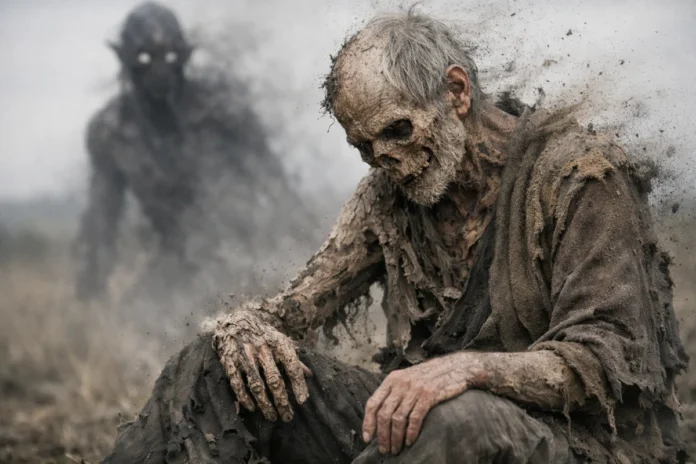
Malevolent spirits are entities believed to originate from a variety of sources, often associated with negative energy, tragedy, or unresolved issues. These spirits are typically regarded as harmful or malicious, influencing the physical world and the people within it in menacing ways. They are a common element in folklore, mythologies, and cultural narratives across the globe, each with unique characteristics and stories.
Origins of Malevolent Spirits
The origins of malevolent spirits can be diverse. In many traditions, they are thought to arise from individuals who have died with unfinished business, harboring grudges or extreme emotions. In other cultures, they may be the result of curses or the result of dark rituals. Additionally, natural occurrences, such as dying in a violent or unjust manner, can lead to the creation of such spirits. These spirits are often tethered to the location of their death or a significant personal artifact.
Characteristics and Behaviors
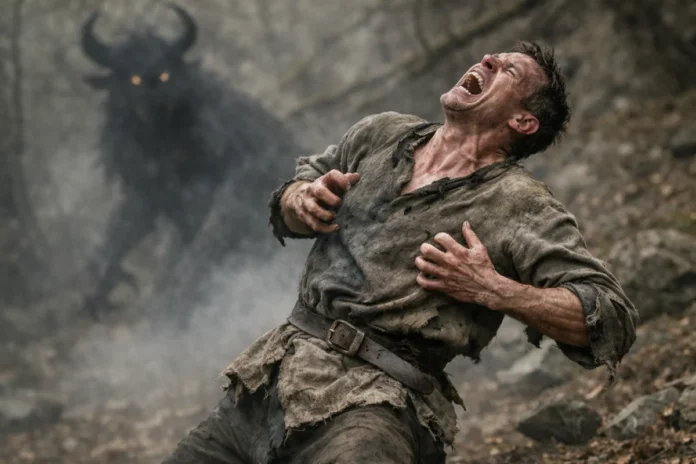
Malevolent spirits are often characterized by their intent to cause harm or instill fear. They might manipulate their environment, causing unexplained noises, moving objects, or manifesting as apparitions. Some spirits are known to oppress or possess individuals, leading to physical or psychological harm. Their presence is frequently associated with cold spots, foul odors, and a pervasive sense of dread.
These spirits often communicate through dreams or visions, delivering messages meant to threaten or confuse their targets. It is not uncommon for malevolent spirits to mimic human voices or take on familiar appearances to deceive and manipulate.
Regional Variations
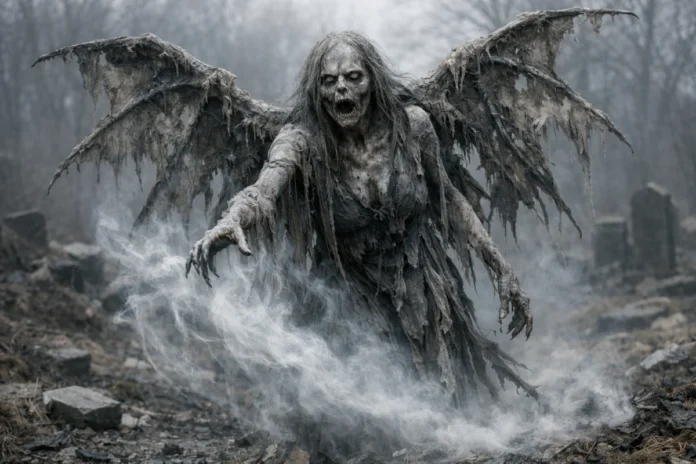
Across different cultures, malevolent spirits are depicted in various ways. In Western folklore, they are often portrayed as ghosts or wraiths, entities seeking revenge or justice for their untimely demise. In contrast, Eastern traditions might describe them as demons or vengeful spirits, such as the Japanese “Onryo,” which are believed to be capable of causing natural disasters.
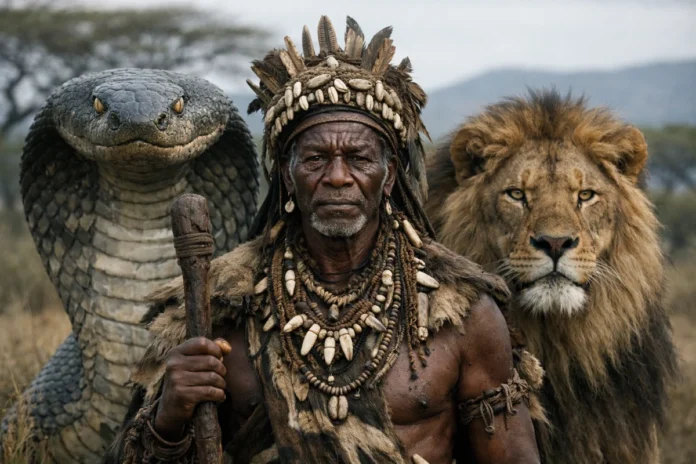
African and Caribbean cultures often describe malevolent spirits as the embodiment of ancestral anger or as entities cursed by witchcraft. In these traditions, spirits may be appeased or banished through rituals and offerings, reflecting the community’s attempts to restore harmony and balance.
Famous Examples in Mythology and Literature
Many stories and myths feature malevolent spirits, each illustrating the dangers they pose. The “Banshee” from Irish folklore is one such spirit, known for its mournful wail which signals impending death. In literature, Shakespeare’s “Hamlet” features the ghost of King Hamlet, whose appearance sets off a chain of tragic events.
In Asian folklore, the “Pontianak” from Malay mythology is a vengeful female spirit, often depicted as a woman who died during childbirth. Her presence is typically accompanied by the scent of frangipani flowers, and she is known to prey on men.
Methods of Protection and Exorcism
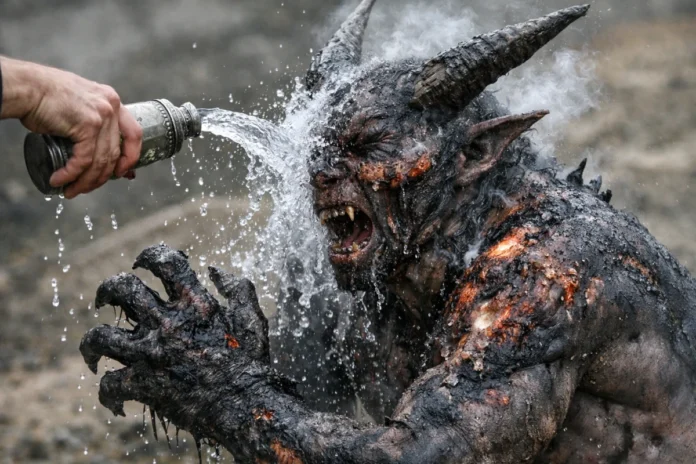
Throughout history, various methods have been developed to protect against or exorcise malevolent spirits. Religious rites, such as prayers and blessings, are common, as are rituals involving the use of salt, holy water, or amulets. In some cultures, shamans or spiritual leaders perform ceremonies to communicate with and appease the spirits or to banish them from the physical realm.
Modern interpretations may also include psychological approaches, viewing the presence of malevolent spirits as manifestations of personal or collective trauma. In such cases, therapy and counseling are employed alongside traditional methods to address the root causes of these disturbances.
The Role of Malevolent Spirits in Modern Media
Malevolent spirits continue to captivate audiences in modern media, serving as central figures in horror films, television series, and video games. These portrayals often emphasize the fear and suspense associated with such entities, exploring themes of revenge, justice, and the supernatural.
In film, movies like “The Conjuring” and “Paranormal Activity” explore the impact of malevolent spirits on families and individuals, often highlighting the battle between good and evil. Video games, such as “Fatal Frame” and “Phasmophobia,” allow players to interact with these spirits, providing immersive experiences that draw on traditional lore and modern storytelling techniques.
Conclusion
Malevolent spirits represent a rich and complex aspect of folklore and cultural beliefs, embodying humanity’s fears and the mysteries of the afterlife. Whether depicted as vengeful ghosts, demons, or cursed souls, these entities serve as powerful reminders of the consequences of unresolved conflict and the enduring power of myth. Through continued exploration in literature, media, and cultural practices, malevolent spirits remain a fascinating and chilling topic that captivates and terrifies audiences worldwide.