Overview of Underworld Guardians in Mythology
Underworld Guardians are a recurring narrative and conceptual pattern found across numerous mythological traditions and cultural belief systems. These entities, whether depicted as deities, spirits, or creatures, are typically characterized by their role as protectors or sentinels of the underworld or other realms associated with death and the afterlife. This lore type encompasses a range of beings that serve as intermediaries between the world of the living and the dead, often tasked with maintaining the boundary between these realms.
Core Themes and Functions
The concept of Underworld Guardians is defined by several core themes: the regulation of passage between life and death, the protection of sacred realms, and the enforcement of moral and ethical codes. These guardians often embody the fears associated with death and the unknown, acting as both deterrents to the unauthorized crossing of boundaries and as guides for those who are permitted passage.
Narratively, Underworld Guardians serve to underscore the importance of respecting the natural order and the boundaries set by deities or cosmic laws. They often symbolize the inevitability of death and the moral consequences of one’s actions in life, reinforcing cultural values and ethical standards.
Common Associations and Variations
Myths featuring Underworld Guardians are prevalent across diverse cultures, each with unique interpretations and representations. In many traditions, these guardians are depicted as fearsome creatures or beings designed to inspire awe and respect. Commonly associated myths include tales of heroes or souls attempting to enter or escape the underworld, often facing trials or requiring the favor of these guardians to succeed.
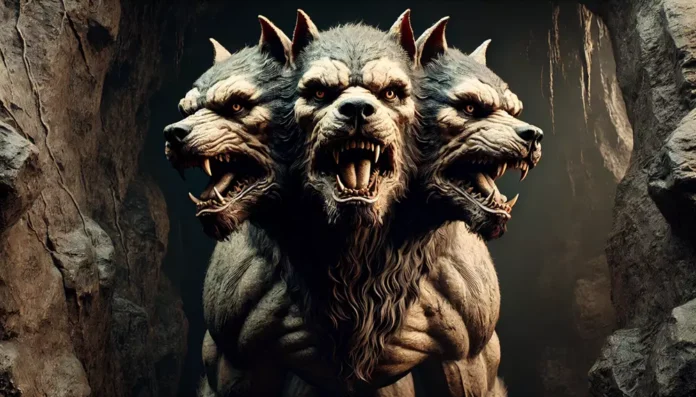
For instance, in ancient Egyptian mythology, the god Anubis is often portrayed as a guardian of the dead, overseeing mummification and guiding souls to the afterlife. Similarly, in Greek mythology, Cerberus, the multi-headed dog, guards the entrance to Hades, preventing the living from entering and the dead from escaping.
Across different cultures, the characteristics and roles of these guardians may vary, reflecting local beliefs about death, the afterlife, and the divine. In some traditions, these guardians are seen as benevolent guides or psychopomps, while in others, they are fierce protectors who must be appeased or outwitted.
Symbolism and Cultural Logic
The symbolism of Underworld Guardians is deeply rooted in the cultural logic of life, death, and the afterlife. These entities often represent the threshold between known and unknown realms, embodying the transition from one state of existence to another. Their presence in mythological narratives serves to articulate fears and uncertainties surrounding death, while also providing a framework for understanding and navigating these existential transitions.
The persistence of Underworld Guardians across cultures and time periods can be attributed to their universal relevance to human experiences and fears. By personifying the mysteries of death and the afterlife, these guardians offer a means of exploring and confronting these themes within a structured narrative context.
Persistence and Cultural Significance
The enduring nature of Underworld Guardians in mythology is reflective of their integral role in shaping cultural narratives about death and morality. As embodiments of the boundary between life and death, these guardians continue to hold significance in contemporary interpretations of mythology and folklore, offering insights into historical and cultural attitudes toward these universal themes.
While interpretations and representations of Underworld Guardians may vary, their underlying function as protectors and regulators of the afterlife remains a consistent thread, highlighting their importance in the collective mythological imagination.