back to top

Humanoid

Humanoid creatures embody shared traits and roles, symbolizing diverse cultural beliefs in mythological narratives across the world.

Relevant Beasts

Celtic
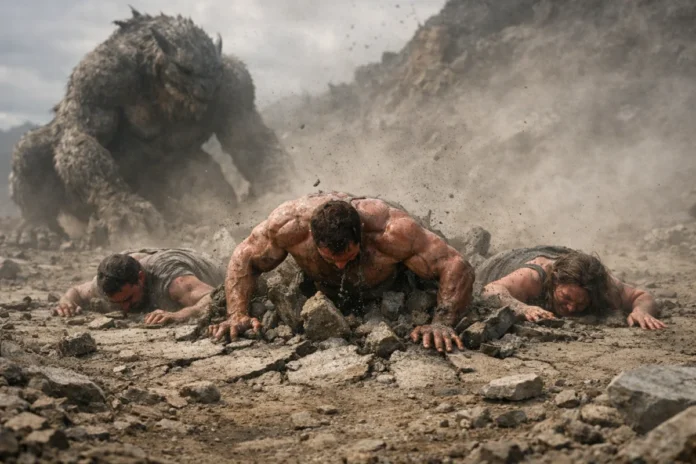
Elemental Crone
Cailleach Bheur - Celtic folklore
Celtic

Cailleach Bheur

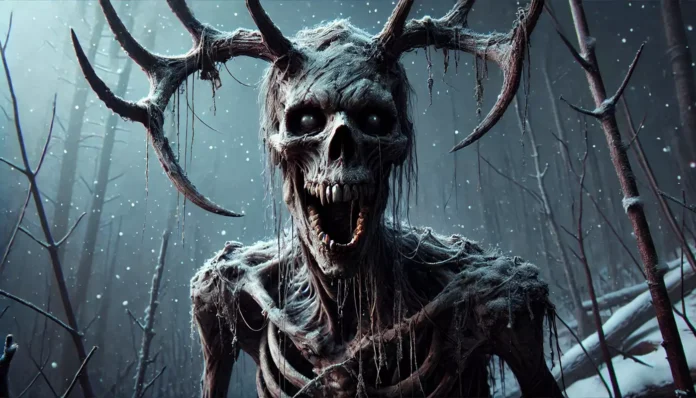
Cailleach Bheur, the ancient winter hag of Celtic lore, ruled storms and sculpted mountains with frost and stone, embodying...
  • Skills
Earth ManipulationElement Control
  • Weaknesses
Seasonal LimitSun Harm
Mississippian
Flesh-Eating Undead
Wendigo - North American folklore
Mississippian

Wendigo

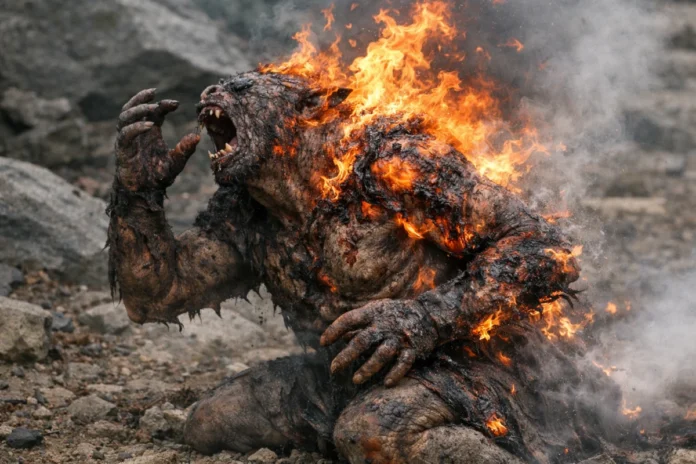
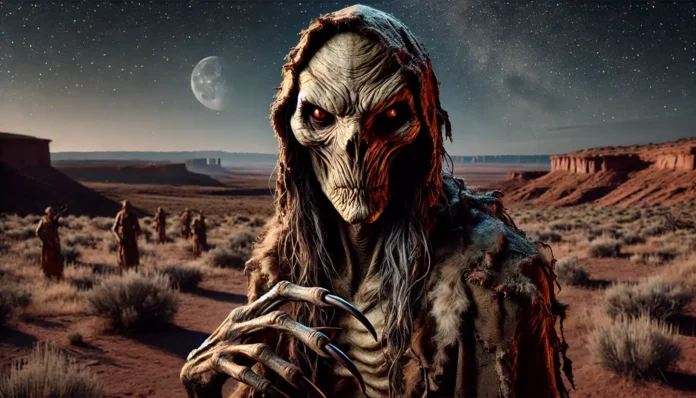
The Wendigo, rooted in Algonquian folklore, embodies insatiable greed and cannibalism. Depicted as a gaunt, emaciated figure with...
  • Skills
Cold ResistanceEnhanced Stamina
  • Weaknesses
Blessed WeaponFire Vulnerable
Navajo
Human-Animal Shifter
Skinwalker - Native American Folklore
Navajo

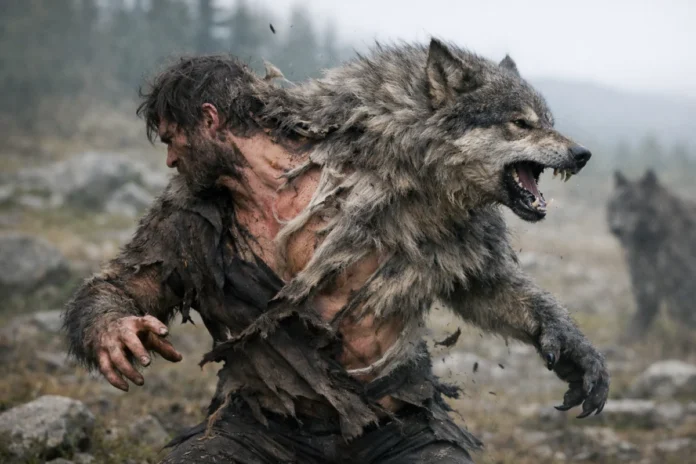
Skinwalker

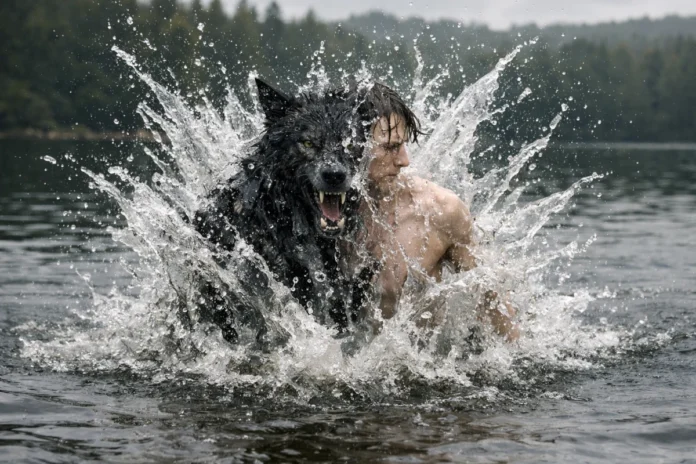
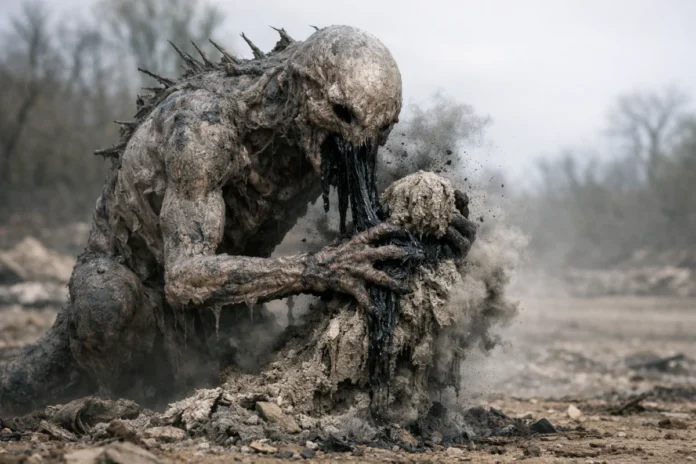
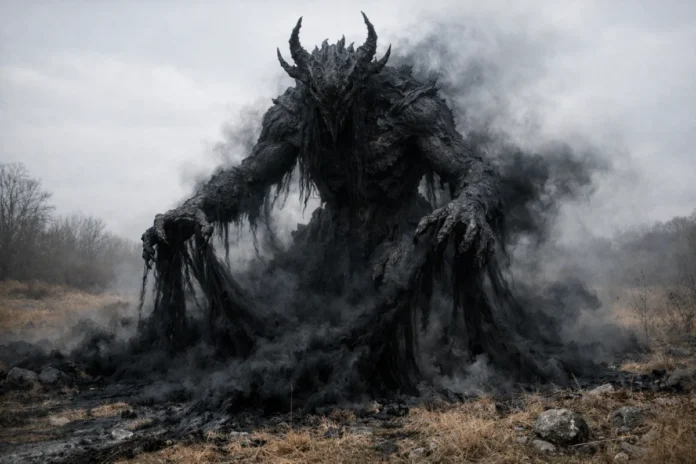
Skinwalkers are terrifying figures from Navajo folklore, described as malevolent witches who possess the power to shape-shift into animals....
  • Skills
Animal MorphingPhysical Strength
  • Weaknesses
Holy GroundRitual Weak
American West
Ethereal Being
Californian Dark watchers
American West

Dark Watchers

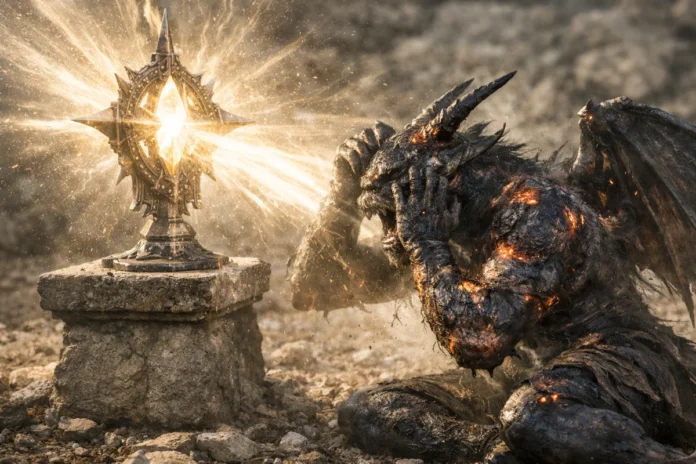
The Dark Watchers are mysterious, tall, shadowy figures from California folklore, often seen observing travelers from the Santa Lucia...

  • Skills
Hallucination InducementInvisibility
  • Weaknesses
Fog BlindnessSlow Movement
Asia
Guardian Spirit
Tengu - Japanese Folklore
Japan

Tengu

Tengu are supernatural beings from Japanese folklore with human-like features, avian traits, and a reputation as guardians of mountains...

  • Skills
Aura of TerrorEnhanced Agility
  • Weaknesses
Aura CollapseOverconfidence
Africa
Human-Animal Shifter
The Kishi - Angola Folklore
Angola

Kishi

The Kishi is a two-faced demon from Angolan folklore, presenting a handsome human front and a hyena visage on...

  • Skills
DisguiseShapeshifting
  • Weaknesses
Divine RestrictionsHoly Water

Sub Categories

Ash Warden

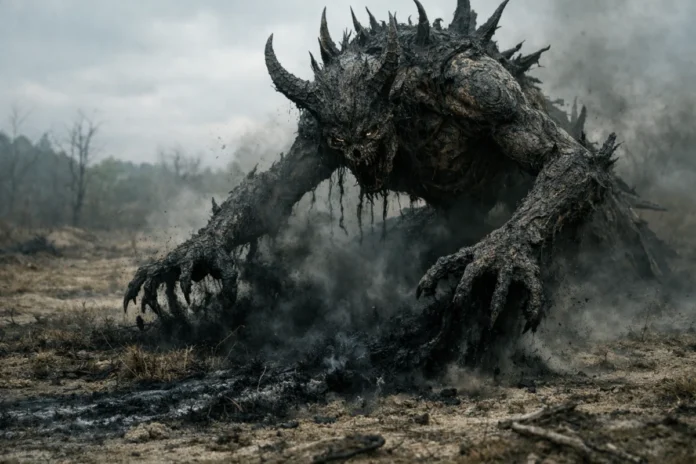
The Ash Warden is a mythological beast type often associated with the guardianship of charred or barren landscapes. These creatures typically embody resilience and transformation following destruction or devastation.Symbolically, Ash Wardens represent renewal and protection amidst desolation. In narratives, they often serve as custodians of rebirth, ensuring balance and continuity in environments affected by fire or decay.

Ashen Sentinel

Ashen Sentinel is often depicted as a guardian entity, characterized by its imposing presence and ash-like appearance. It typically embodies protection, vigilance, and endurance across various mythological traditions.Narratively, Ashen Sentinel serves as a formidable protector of sacred spaces or ancient secrets. Its symbolism often represents resilience against chaos, acting as a steadfast barrier to external threats.

Blood Reaver

Blood Reaver is often depicted as a formidable beast characterized by its relentless nature and thirst for battle. It embodies themes of vengeance and ferocity, symbolizing untamed power and destructive force.In mythological narratives, Blood Reaver typically serves as a guardian or antagonist, challenging heroes with its fearsome presence. Its role often highlights themes of survival and the consequences of unchecked aggression.

Crystal Knight

Crystal Knight is a mythological beast type characterized by its shimmering, gem-like armor and ethereal presence. These beings often symbolize purity, protection, and otherworldly strength in various traditions.In narratives, Crystal Knight typically serves as a guardian or defender of sacred realms. Their presence often signifies a pivotal moment, where purity and strength are tested.

Cyclopean Form

Cyclopean Form refers to mythological creatures characterized by a singular eye and immense stature. These beings often embody primal strength and are linked with craftsmanship or destructive power in various traditions.Symbolically, Cyclopean Form represents raw, untamed forces or foundational skills. In narratives, they frequently serve as formidable adversaries or powerful allies, reflecting themes of chaos or creation.

Elemental Crone

The Elemental Crone is often depicted as an ancient, wise figure embodying natural forces. Typically associated with earth, water, fire, or air, these crones symbolize the raw power of nature.In mythological narratives, Elemental Crone serves as a guide or obstacle, representing transformation and renewal. Her presence often signifies a turning point, challenging characters to confront elemental truths.

Ember Berserker

The Ember Berserker is a fierce warrior infused with the power of fire. Its body radiates heat, and it can ignite its weapons to unleash devastating attacks. Known for its fiery rage, the Ember Berserker is unstoppable in battle, charging at enemies with relentless fury. Legends say that it is born from the heart of a volcano, drawing strength from molten lava. It is feared for its scorching presence and unquenchable thirst for battle.

Enchanted Warrior

Enchanted warriors are humanoid beings granted supernatural strength, agility, or endurance through magic or divine blessings. These warriors are often tasked with carrying out epic quests or fighting in battles that determine the fate of kingdoms or worlds. They wield magical weapons and wear enchanted armor, making them nearly unstoppable in combat.In myths, enchanted warriors like knights or samurai serve as the champions of gods or kings, facing both mortal and magical foes.

Giant Humanoid

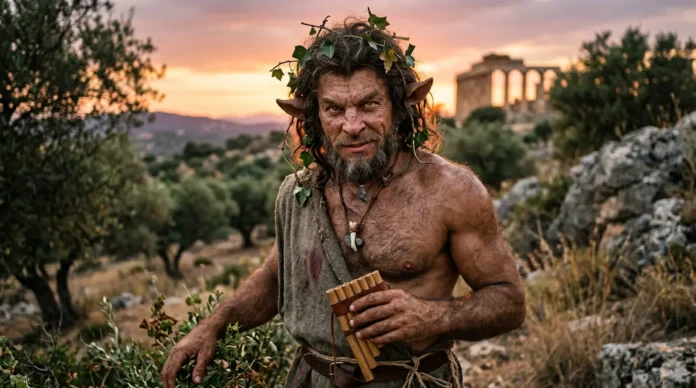
Giant Humanoid creatures are typically characterized by their enormous size and human-like form. They often possess extraordinary strength and are depicted as formidable beings in various mythologies worldwide.Symbolically, Giant Humanoid figures can represent natural forces or obstacles. Narratively, they often serve as challenges for heroes, embodying themes of power, danger, and the triumph of intellect over brute strength.

Grotesque Humanoid

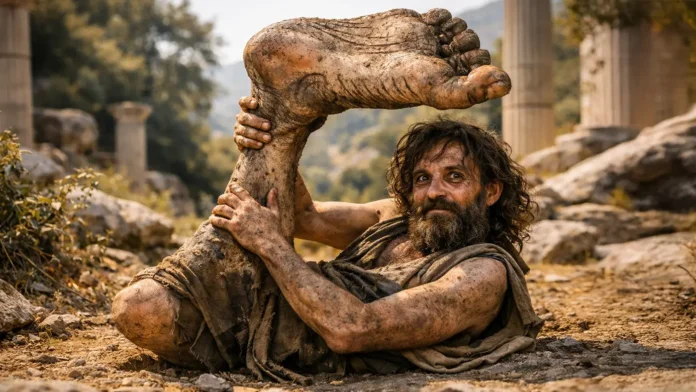
Conceptual DefinitionGrotesque Humanoid refers to mythological beings with distorted human features.Grotesque Humanoid typically possess exaggerated or malformed human characteristics, often embodying physical deformities that evoke fear or unease. These beings are frequently depicted with misshapen limbs, distorted faces, and incongruous proportions, emphasizing their divergence from typical human form. Their unsettling appearance serves as a visual representation of chaos or moral corruption within mythological narratives.In mythological traditions, Grotesque Humanoid often symbolize societal fears or moral warnings, acting as cautionary figures. They may inhabit liminal spaces, representing the boundaries between order and disorder. Their narrative role frequently involves challenging heroes or communities, serving as obstacles that must be overcome to restore balance or achieve transformation.

Human - Animal Hybrid

Human-Animal Hybrids are mythological beings combining human and animal traits, often embodying both physical and psychological characteristics. These hybrids commonly symbolize duality, bridging human intellect with animal instincts, reflecting complex cultural meanings.Narratively, Human-Animal Hybrids often serve as mediators between worlds, guiding or challenging heroes. They may embody moral lessons, illustrate transformation, or represent divine or supernatural intervention in mythological stories.

Human-Giant Hybrid

Human-giant hybrids are beings that blend the traits of humans with the massive size and strength of giants. These hybrids possess the intelligence and cunning of humans, combined with the physical power of giants. They often serve as leaders or champions in battle, using their unique abilities to command both human and giant armies.In myths, hybrids like the Nephilim in biblical lore are depicted as powerful beings born from the union of gods or giants and mortals.

Ice Berserker

The Ice Berserker is a brutal fighter who wields the power of ice. It can create frost around its body, freezing anything it touches. This berserker is often found in frozen lands, where it thrives in the cold. Its rage is as cold as ice, making it a fearsome opponent. The Ice Berserker is a symbol of endurance and strength, as it fights with relentless fury, even in the harshest conditions.

Jungle Hunter

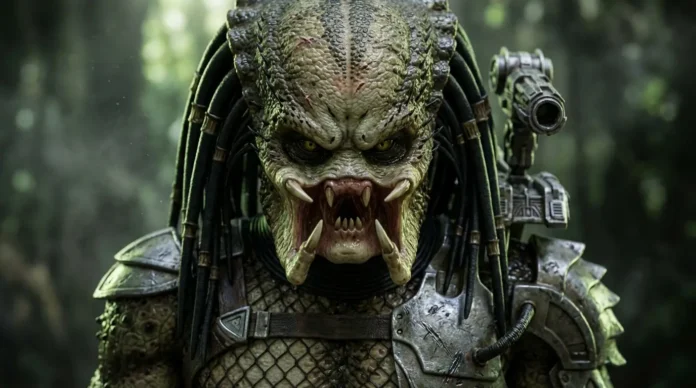
The Jungle Hunter is an agile warrior that moves swiftly through dense forests. It has an unmatched knowledge of flora and fauna, using the jungle to its advantage. This hunter can blend into the foliage, becoming nearly invisible as it stalks its prey. It is both feared and respected by those who enter the jungle, as it is a master of survival and stealth. The Jungle Hunter is a protector of the wild, defending its home with ferocity.

Legendary Protector

Legendary protectors are humanoid beings known for their role as defenders of important locations, individuals, or realms. They possess extraordinary physical or magical abilities, making them nearly invincible in their role as guardians. These protectors are often revered by their communities, seen as symbols of loyalty and strength.In myth, legendary protectors like Hercules or the Valkyries defend their realms from invaders or threats, embodying honor and duty.

Magical Humanoid

Conceptual Definition Magical Humanoid refers to mythological beings with human traits and powers.Magical Humanoid beings are characterized by human-like forms combined with supernatural abilities. They often serve as intermediaries between realms, embodying both mortal and divine qualities in various mythologies. These entities frequently hold symbolic meanings, representing themes such as wisdom, protection, or transformation. Their presence in stories highlights the interaction between the mundane and the mystical, often guiding or challenging human protagonists.Narratively, Magical Humanoid figures play significant roles, often acting as mentors, adversaries, or catalysts for change. Their dual nature allows them to navigate complex mythological landscapes, influencing events in both subtle and profound ways. By embodying both human and magical attributes, they bridge the gap between worlds, facilitating the transfer of knowledge, power, or fate. Their stories emphasize the potential for growth and the consequences of wielding extraordinary abilities.

Moon Warden

The Moon Warden is a mystical guardian that draws power from the moon. It can harness lunar energy to cast spells and heal allies. This warden is often seen under the light of the full moon, glowing with a silver aura. It is a protector of the night, watching over those who travel in darkness. The Moon Warden is revered for its wisdom and its connection to the lunar cycles, guiding those who seek the moon's blessing.

Mythical Guardian

A mythical guardian is often depicted as a protective entity assigned to safeguard a particular place, person, or object. These guardians appear in various mythologies worldwide, each embodying cultural values and beliefs. They may take the form of animals, humanoid figures, or supernatural beings, often possessing extraordinary powers or wisdom. Their roles can include defending sacred sites, guiding souls, or ensuring the prosperity of a community. Examples include the Egyptian Sphinx, known for guarding temples and tombs, and the Japanese Shisa, lion-dog figures believed to ward off evil spirits.

Savage Humanoid

Savage humanoids are primitive, fierce beings that live in wild or desolate areas. They are often portrayed as brutal, uncivilized creatures who rely on physical strength and aggression to survive. Savage humanoids are typically in conflict with more advanced civilizations, seen as barbaric threats to order and peace.In mythology, savage humanoids like trolls or ogres are often depicted as enemies of heroes, using brute force and cunning to attack villages or travelers.

Shadow Assassin

The Shadow Assassin is a stealthy killer who moves unseen through the darkness. It can blend into the shadows, making it nearly impossible to detect. This assassin strikes with precision, using its knowledge of the dark to eliminate targets. It is feared by those who dwell in the shadows, as it is both a master of stealth and a bringer of death. The Shadow Assassin is a symbol of secrecy and lethal skill.

Stone Stalker

The Stone Stalker is a stealthy hunter that can blend into rocky terrain. Its body is as tough as stone, making it nearly invulnerable to attacks. This stalker can move silently, despite its massive form, ambushing its prey with ease. It is often found in mountainous regions, where it protects the land from intruders. The Stone Stalker is a master of camouflage, using the environment to its advantage in battle.

Storm Brute

The Storm Brute is a hulking creature that channels the power of thunderstorms. It can summon lightning with a roar, directing it at enemies with pinpoint accuracy. This brute is covered in storm clouds, and electricity crackles across its skin. It is often associated with destruction, as it leaves a trail of devastation in its wake. The Storm Brute is both revered and feared as a force of nature, embodying the fury of the storm.

Sun Spearman

The Sun Spearman is a radiant warrior who draws strength from the sun. It wields a spear that glows with solar energy, capable of piercing even the toughest armor. This spearman is often found in sunny regions, where it uses the sun's power to enhance its abilities. It is a beacon of hope, inspiring allies with its light. The Sun Spearman is a symbol of courage and perseverance, standing tall in the face of darkness.

Thunder Striker

The Thunder Striker is a formidable warrior who channels the power of thunder into its attacks. It can strike with the force of a lightning bolt, leaving its enemies stunned. This striker moves with incredible speed, often striking before its foes can react. It is revered by those who respect the power of storms, as it embodies the raw energy of thunder. The Thunder Striker is a force to be reckoned with in battle.

Venom Shaman

The Venom Shaman is a mystical figure who wields the power of venom and poison. It can control toxic substances, using them to heal or harm. This shaman is often found in swamps or jungles, where it gathers ingredients for its potions. It is both feared and respected, as it can cure ailments or inflict deadly curses. The Venom Shaman is a symbol of balance, walking the line between life and death.

Void Nomad

The Void Nomad is a wanderer of the empty spaces between worlds. It can travel through dimensions, moving freely across realms. This nomad is often encountered in desolate places, where it seeks knowledge and solitude. It is a mysterious figure, known for its wisdom and insight. The Void Nomad is a symbol of exploration and the pursuit of hidden truths, moving through the void with a calm and steady purpose.

Witch

Witch in mythological traditions often embodies a figure with magical abilities, typically associated with wisdom and mystery. Witches are frequently depicted as practitioners of magic, utilizing spells and potions.Symbolically, Witch represents transformation and knowledge, sometimes feared for their power. Narratively, they serve as both antagonists and wise guides, highlighting themes of morality and human nature.

Humanoid – Overview

The mythological beast type known as Humanoid is characterized by its resemblance to human beings in form and function. Across cultures, Humanoids are defined by shared traits such as bipedalism, opposable thumbs, and facial features akin to humans. They often play roles that parallel human societal functions, providing a lens through which cultures explore moral, metaphysical, and existential themes. These creatures serve as intermediaries or reflections of humanity’s own qualities, behaviors, and potentials. Their presence in mythologies worldwide demonstrates their importance in examining the human condition through a supernatural lens.

Defining Characteristics

Physical Form and Morphology

Humanoids typically possess human-like anatomy, including two legs, two arms, and a head, contributing to their name. Their morphology often includes distinct human features such as facial expressions, posture, and dexterous hands, allowing for interaction with their environment. This form allows them to navigate both human and supernatural realms, symbolizing the bridge between mortal and divine. Variations in size, skin texture, or additional appendages are common but generally do not obscure their fundamentally human structure, maintaining their identification as Humanoid.

Ontological Nature

In mythological contexts, Humanoids are often seen as liminal entities existing between mundane and supernatural realms. They may be spiritual beings, demigods, or creatures born from mystical unions, embodying traits that transcend natural laws. Their existence challenges the boundaries of human understanding, sometimes perceived as guardians of esoteric knowledge or as embodiments of divine intervention. As such, their ontological status often reflects the cultural values and spiritual beliefs of the societies that imagine them, making them integral to metaphysical narratives.

Mythological Role and Function

Place in Mythological Systems

Humanoids typically occupy roles as mediators or disruptors within mythological systems. They may serve gods, defy deities, or enforce cosmic order, often interacting directly with humans to impart lessons or fulfill destinies. Their presence in myths underscores the tension and balance between mortal life and divine will. Humanoids frequently act as catalysts for change or maintainers of tradition, embodying the dual nature of creation and destruction. Their actions reflect the moral and ethical frameworks of their respective cultures, illustrating the complexity of human-divine relationships.

Perception and Meaning

Cultures often perceive Humanoids as significant both positively and negatively. They can be protectors or harbingers of doom, symbols of wisdom, or warnings against hubris. Their dual nature allows them to serve as mirrors of human virtue and vice. As cultural symbols, they embody abstract concepts such as justice, chaos, or redemption. Their stories and depictions offer a medium for exploring the consequences of human actions, the nature of power, and the search for understanding in a world shaped by unseen forces.

Distinction from Related Beast Types

Conceptual Boundaries

Humanoids differ from elemental beings, spirits, and animal-based creatures through their human-like form and societal roles. While spirits and elementals may represent natural forces or abstract concepts, Humanoids interact with human affairs more directly. Unlike humanoid monsters or undead entities, which often emphasize horror or disruption, Humanoids focus on moral and existential themes, maintaining a closer alignment with human traits and concerns. This distinction underscores their unique position within mythological taxonomies as entities that reflect human society.

Common Sources of Confusion

Confusion often arises due to the Humanoid’s overlapping traits with other entities, such as gods or monsters. Scholars distinguish them by emphasizing their human-like form and societal functions. Unlike entirely spiritual beings, Humanoids retain a physical presence and engage directly with humans, grounding their mythological roles. The focus on their interaction with human culture helps separate them from purely divine or monstrous figures. This differentiation is crucial for accurate classification within comparative mythology, ensuring clarity in the study of mythic traditions.

Canonical Beasts Associated with This Beast Type

Jötunn

Originating in Norse mythology, the Jötunn are giant humanoid beings representing chaos and nature’s raw power. They regularly interact with gods and humans, embodying the tension between civilization and wild forces, essential to Norse cosmology.

Yeti

In Himalayan folklore, the Yeti is a humanoid creature that embodies the mystery and danger of remote, mountainous regions. Its elusive nature and human-like form symbolize the unknown, bridging human experience with the untamed natural world.

Minotaur

From Greek mythology, the Minotaur is a half-human, half-bull creature reflecting themes of human bestiality and confinement. Its humanoid form and tragic narrative highlight ancient Greek explorations of identity and the consequences of divine punishment.

Historical Distribution and Cultural Context

Humanoid entities appear across a wide range of cultures, from ancient Greece to the Norse and Himalayan traditions. They are prevalent in regions with strong oral traditions, where mythological stories were used to convey cultural values and social norms. Their presence spans numerous historical periods, reflecting broad human concerns across time, such as the nature of power, the fear of the unknown, and the human condition. The recurrence of Humanoid entities in diverse mythologies demonstrates their role in exploring existential questions and societal structures.

Scholarly Interpretation and Uncertainty

Variation in Definitions

Interpretations of Humanoids vary considerably between cultural and academic contexts. Different societies ascribe varying degrees of divinity, morality, or supernatural power to these entities. Scholars debate their classification, influenced by evolving understandings of mythological texts and cultural studies. As a result, Humanoids are seen as both divine messengers and beings of ambiguous moral standing, reflecting the diversity of human belief systems. This variation highlights the complexity and richness of mythological studies, emphasizing the need for careful contextual analysis.

Limits of Available Evidence

Many challenges exist in studying Humanoids due to limited historical records and significant cultural variations. Ancient texts often provide incomplete or biased accounts, leading to fragmented understanding. Additionally, oral traditions complicate historical validation, as they evolve over time. Scholars face gaps in direct evidence and must rely on interpretations and reconstructions. Despite these challenges, Humanoids remain a powerful lens for exploring ancient beliefs. The limited evidence underscores the importance of examining mythological narratives as cultural artifacts, rather than definitive historical events.

Mythological Role Across Cultures

The recurrence of Humanoid entities across cultures suggests a universal need to explore human identity, morality, and the cosmos. These beings often address existential questions and societal challenges, reflecting common human experiences. By embodying both human and divine elements, Humanoids reveal cultural values and conflicts, offering insights into the human condition. Their mythological presence facilitates intercultural comparisons, highlighting shared themes and distinct interpretations. Understanding their role enhances our comprehension of mythology as a tool for expressing collective human concerns throughout history.