back to top

Japan

Japan embodies a harmonious blend of nature and spirituality, shaping its mythic landscapes and cultural narratives with deep reverence for tradition.

Relevant Beasts

Asia
Guardian Spirit
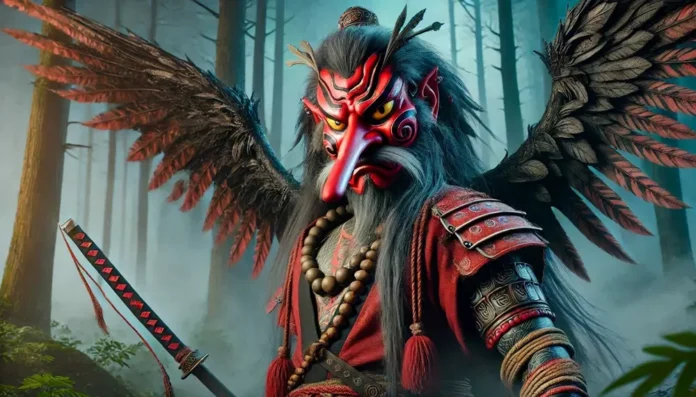
Tengu - Japanese Folklore
Japan

Tengu

Tengu are supernatural beings from Japanese folklore with human-like features, avian traits, and a reputation as guardians of mountains...

  • Skills
Aura of TerrorEnhanced Agility
  • Weaknesses
Aura CollapseOverconfidence
Asia
Aquatic Hybrid
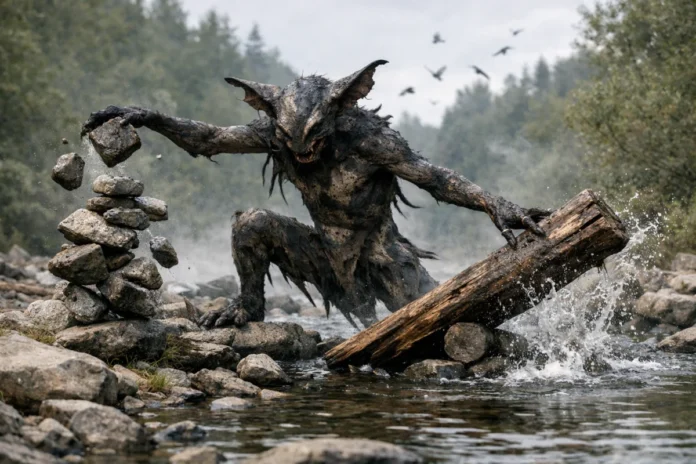
Kappa - Japanese folklore
Japan

Kappa

a Japanese river imp known for its mischief and deadly tricks. Recognizable by its turtle-like shell, webbed limbs, and...
  • Skills
StrengthTrickery
  • Weaknesses
Dry Land HarmHeatwave Harm
Asia
Trickster Shifter
Tanuki - Japanese Folklore
Japan

Tanuki

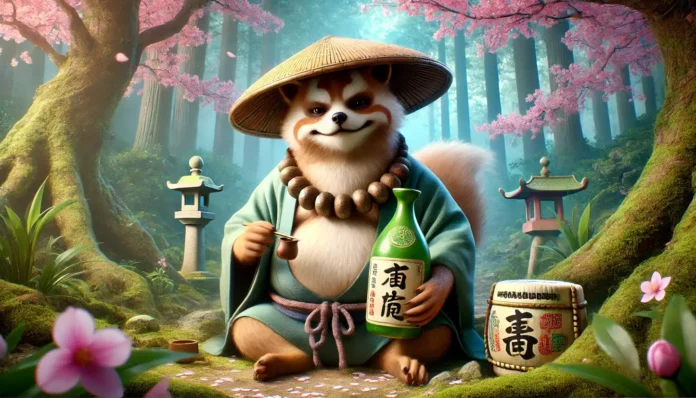
The Tanuki is a mischievous shapeshifter from Japanese folklore, known for its magical abilities and playful trickery. It often...
  • Skills
DisguiseIllusions
  • Weaknesses
Charm ReversalCold Sensitive
Asia
Human-Animal Shifter
Jorogumo - Japanese Folklore
Japan

Jorogumo

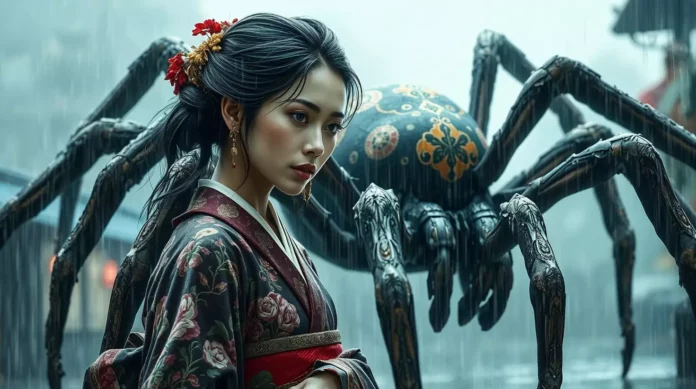
The Jorogumo is a captivating yet terrifying creature from Japanese folklore. Known for her ability to shapeshift into a...

  • Skills
HypnosisMental Powers
  • Weaknesses
Fire VulnerablePiercing Kill
Asia
Revenge Spirit
Gashadokuro - Japanese Folklore
Japan

Gashadokuro

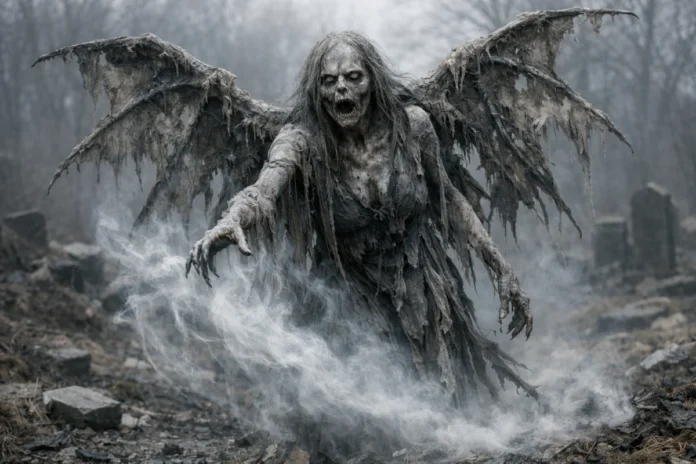
Gashadokuro are giant skeletons in Japanese folklore, created from the bones of those who died from famine or war.
  • Skills
Fear InducementIllusions & Perception
  • Weaknesses
Divine RestrictionsExorcism
Ainu
Sea Monster
Akkorokamui
Ainu

Akkorokamui

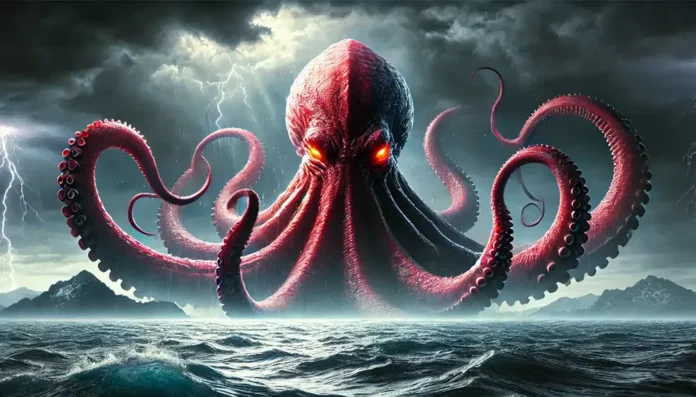
Akkorokamui, the colossal octopus deity from Ainu folklore, symbolizes both creation and destruction. Known to heal or harm, it’s...
  • Skills
Healing TouchWater Control
  • Weaknesses
Sun HarmTidal Vulnerability

Japan – an Overview

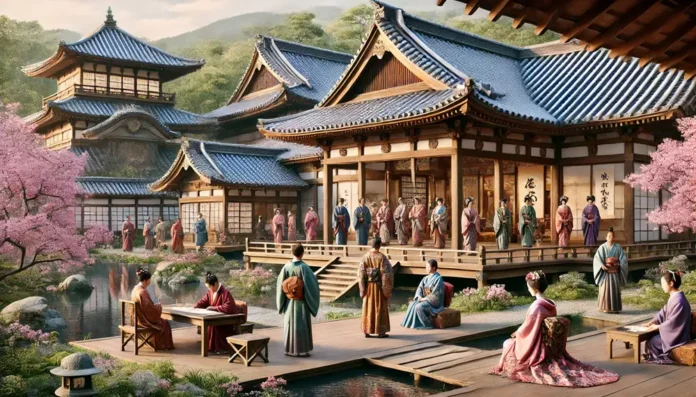
Japan is a significant cultural and mythological source, deeply rooted in a unique archipelagic geography. Its temporal range extends from ancient prehistory to modern times, encompassing a wide array of influences. The mythology of Japan is inherently tied to its geographical location in the Pacific Ocean, which has shaped its cultural development through isolation and eventual exchange. The land’s distinctive environmental features have contributed to its rich mythological tapestry, characterized by a deep respect for natural elements.

Historical and Environmental Context

Time Frame and Location

Japan’s mythological context spans from the Jomon period, around 14,000 BCE, to contemporary times. The geographical environment of Japan, consisting of mountains, forests, and coastal regions, has significantly impacted its cultural evolution. These features are frequently alluded to in Japanese myths, shaping narratives and symbolic meanings.

Contact and Cultural Exchange

Historically, Japan maintained periods of isolation with intermittent cultural exchanges. Chinese and Korean influences are evident, especially in the introduction of Buddhism and writing systems. However, Japan’s mythological development remained distinct, integrating foreign elements into its native traditions while retaining unique features.

Mythological Framework

Worldview and Cosmological Concepts

In Japanese mythology, the cosmological framework is centered around the harmonious interaction of kami, which are spirits or deities. The concept of kami embodies natural forces and ancestral spirits, highlighting the interconnectedness of all things. This worldview underscores a belief in balance, order, and the cyclical nature of life.

Spiritual or Supernatural Categories

Japanese mythology recognizes several supernatural categories, including kami, yokai, and ancestral spirits. Kami are revered entities associated with natural phenomena, while yokai encompass a wide range of supernatural creatures often depicted as mischievous or malevolent. Ancestral spirits are venerated, reflecting the importance of lineage and heritage.

Folklore and Narrative Tradition

Recurring Mythological Themes

Recurring themes in Japanese mythology include the creation of the world, the roles of kami, and the hero’s journey. These narratives often emphasize harmony with nature, the significance of purity, and the consequences of actions. Such stories are integral to understanding cultural values and social norms.

Transmission and Preservation

Japanese mythological knowledge has been preserved through oral traditions, written texts, and artistic representations. Works like the Kojiki and Nihon Shoki are seminal texts that compile myths and historical accounts. These sources, alongside traditional arts, ensure the transmission of mythological narratives over generations.

Mythological Beasts and Non-Human Entities

Yokai

Yokai are quintessentially Japanese, embodying myriad supernatural creatures with varying characteristics. Their origins are deeply embedded in Japanese folklore, shaped by cultural beliefs and environmental influences. Misclassifying yokai outside Japan disregards the cultural nuances and historical context that define them.

Symbolic Roles of Creatures and Forces

Creatures and forces in Japanese mythology often symbolize natural elements or moral lessons. For instance, dragons represent water and weather, while kitsune (fox spirits) can symbolize cunning or protection. These symbolic roles reinforce cultural narratives about nature and morality.

Internal Variation and Temporal Change

Japan’s mythology showcases regional and temporal variations, reflecting local beliefs and historical changes. For example, the depiction of certain kami or yokai may differ in interpretation or importance across regions. These variations highlight the dynamic nature of mythological traditions in Japan.

Related Cultural Origins and Myth Sources

Japanese mythology shares some similarities with Chinese and Korean traditions, due to historical interactions. However, it maintains distinct elements like the kami concept. The divergence lies in the adaptation and integration of external influences into Japan’s unique cultural framework.

Evidence Limits and Scholarly Uncertainty

Gaps in evidence persist due to the oral nature of early Japanese mythology. Archaeological records provide context but are limited in detail. Scholarly debates continue over interpretations of mythological texts, reflecting ongoing uncertainties in reconstructing Japan’s mythological past. No verified sources describe certain aspects of these traditions.