Environmental Limits
Environmental Limits define fixed constraints where mythological beings face vulnerabilities due to their surroundings or natural conditions.
Relevant Beasts
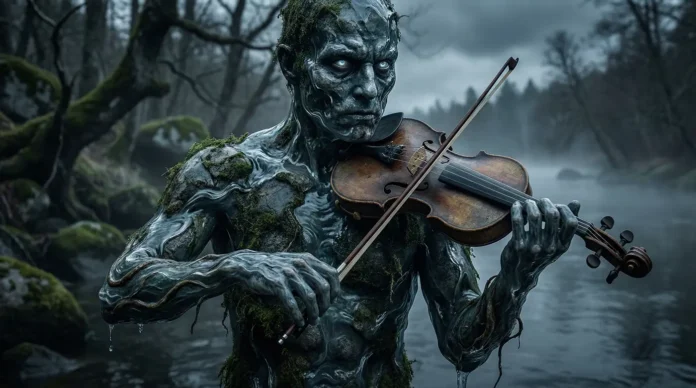
The Näcken is a water spirit from Scandinavian folklore, known for its enchanting musical abilities and shapeshifting nature.
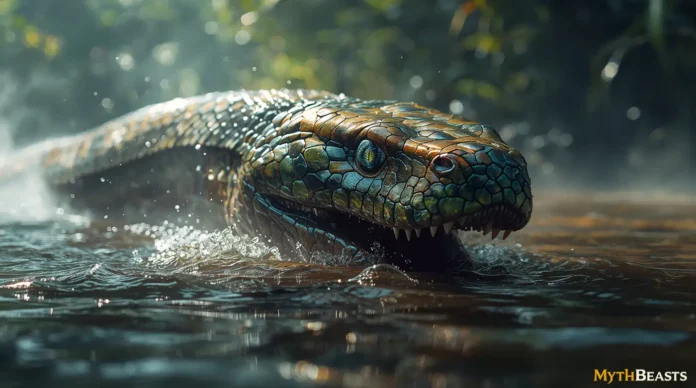
Yacumama is an Amazonian water serpent from Indigenous folklore, classified as a supernatural guardian of rivers.
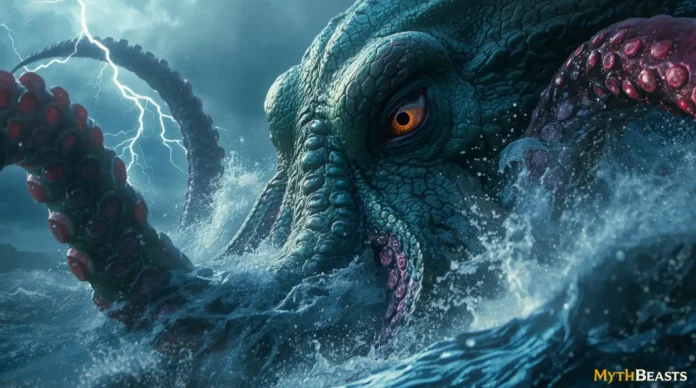
The Kraken, a giant sea monster from Norse myth, lurks off Scandinavian coasts. Capable of sinking ships, it epitomizes...
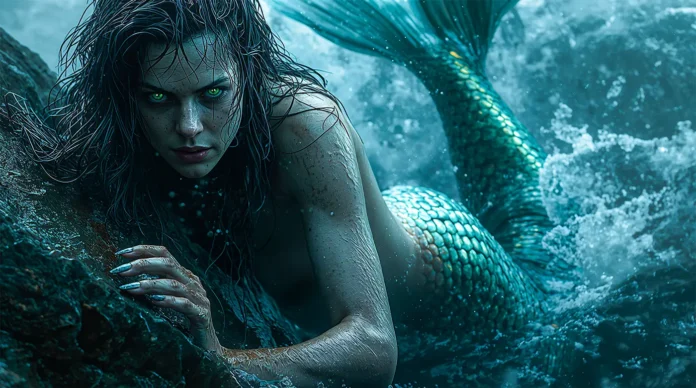
Half-human and half-fish, the Mermaid is a shape-shifting aquatic hybrid tied to sea myths across various cultures, especially known...
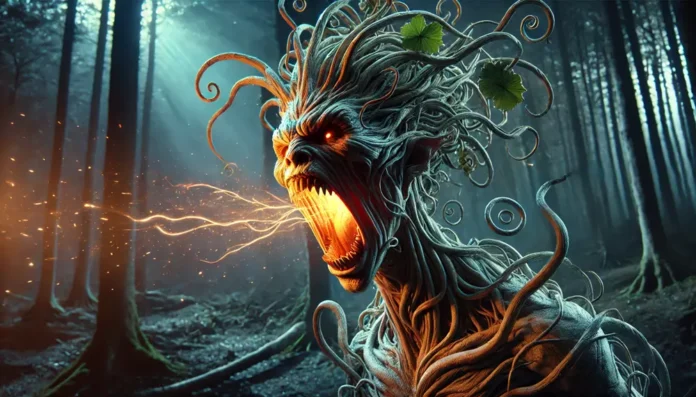
Duda'im, the mystical plant-like being, is a symbol of fertility and divination in ancient Hebrew lore, known for its...
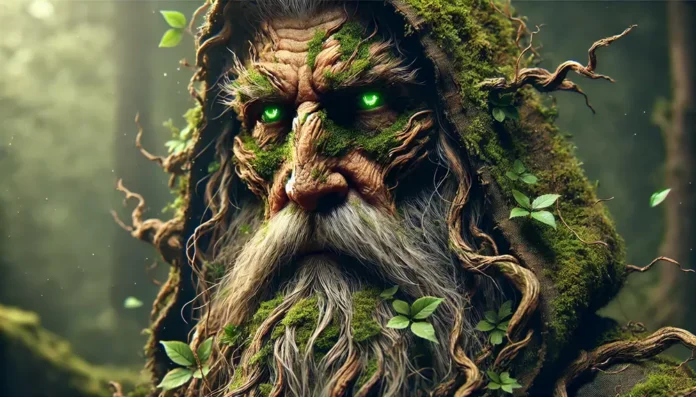
The Adnei haSadeh are feral humanoids of ancient Hebrew lore. They live apart from civilization, embodying primal nature...
Sub Categories
Altitude Limit
Low-altitude creatures cannot survive or function properly in high-altitude environments. The thin air, low oxygen, and extreme cold make it difficult for them to maintain their strength. They weaken rapidly at higher elevations.Mythical beings tied to forests, rivers, or plains often struggle when ascending to mountains or highland regions.
Cave Bound
Cave Bound describes dependency on subterranean environments, where powers peak. This sensitivity limits effectiveness above ground, as abilities are suited for caves.
Cave Dependent
Cave Dependent describes a mythological weakness in which a being’s power, safety, or existence is restricted to a particular cave or subterranean domain. Departure from this environment typically results in loss of strength or exposure to harm.This vulnerability reflects symbolic associations between caves and protection, secrecy, or confinement within mythological narratives. Cave Dependent often underscores themes of limitation, boundaries, and the reliance on hidden realms for continued survival or influence.
Desert Weak
Creatures accustomed to cooler or humid environments are vulnerable in deserts. The intense heat, lack of water, and harsh conditions sap their strength, leaving them weakened and vulnerable. They often find it impossible to thrive in desert regions.In folklore, beings of water or forested lands struggle to survive when brought into hot, dry deserts.
Desert Wind
Desert Wind is a vulnerability to dry winds of the desert, affecting endurance. This weakness limits effectiveness in arid regions due to abrasive sand and wind.
Dry Land Harm
Dry Land Harm symbolizes a vulnerability where beings or entities suffer when separated from their natural aquatic environments. This limitation emphasizes their reliance on water for strength and survival.In mythological narratives, Dry Land Harm often illustrates the delicate balance between different realms. It underscores the inherent limitations faced by water-associated beings when removed from their element.
Dust Storm
Dust Storm is vulnerability to sand-laden winds, affecting visibility and breathing. This weakness limits effectiveness in deserts where dust storms are frequent.
Flood Prone
Flood Prone refers to vulnerability in flood-susceptible areas, where abilities are impaired. This weakness limits effectiveness in regions with fluctuating water levels.
Foggy Limit
Foggy Limit restricts abilities to foggy conditions, where powers are active. This weakness limits effectiveness in clear weather, as they rely on the presence of fog.
Forest Bound
Creatures bound to forests are severely weakened when removed from their woodland environment. Forests provide them with protection, strength, and energy, and outside these areas, their powers diminish rapidly. They cannot survive long outside of their natural habitat.In many myths, forest spirits and tree-bound beings lose their vitality when removed from the trees or the forest.
Glacier Weakness
Glacier Weakness is a vulnerability to icy environments, impairing abilities in extreme cold. Those affected struggle to operate in glacial landscapes due to frigid conditions.
Heatwave Harm
Heatwave Harm denotes a vulnerability in mythological narratives where excessive heat or extreme temperatures cause distress, diminish power, or disrupt the natural state of supernatural entities. This limitation often symbolizes the boundaries imposed by environmental forces on beings otherwise perceived as formidable.Within symbolic structures, Heatwave Harm reflects the theme of elemental imbalance undermining supernatural stability. It underscores the idea that even powerful figures are subject to environmental constraints and cyclical natural phenomena beyond their control.
High Altitude Weak
High Altitude Weak represents a vulnerability where beings experience limitations or diminished strength at higher elevations. This weakness often symbolizes a connection to earthly realms or lack of divine empowerment.In mythological narratives, High Altitude Weak highlights the boundaries of power and the challenges faced when transcending natural limits. It serves as a narrative device to explore humility and adaptation.
Humidity Harm
Creatures sensitive to dry environments are often harmed by excessive humidity. The moist, sticky air can cause them to feel suffocated or weaken their physical state. Long exposure to humid environments can slow their movement and drain their strength.In folklore, desert-dwelling or heat-reliant creatures cannot survive well in tropical or humid climates.
Ice Terrain Limit
Creatures that are not adapted to cold climates are especially vulnerable to icy terrain. The freezing temperatures and slippery surfaces slow their movement and sap their energy, making them susceptible to frostbite and other cold-related issues.In folklore, heat-based creatures and those from warmer regions often face great difficulty surviving in frozen environments.
Lava Proximity
Lava Proximity is sensitivity to volcanic areas, where powers may weaken. This weakness makes it challenging to withstand high temperatures and hazards of lava.
Low Oxygen
Low Oxygen limits abilities in areas with reduced oxygen, like high altitudes. This sensitivity impacts stamina, making it difficult to perform in thin air environments.
Lowland Limit
Lowland Limit is a restriction to lowland regions, where abilities are fully active. This weakness limits effectiveness in elevated areas, as individuals are attuned to lower altitudes.
Marsh Bound
Marsh Bound describes dependency on marshes for optimal power. This sensitivity restricts operation to wetlands, limiting effectiveness in drier environments.
Mountain Weakness
Creatures not adapted to mountainous regions face difficulties due to the cold, rugged terrain, and thin air. The lack of food, harsh winds, and difficult terrain make them weaker and vulnerable to attacks in these environments.In myths, creatures from lowland or forested areas cannot endure mountain heights, losing their strength as they climb.
Ocean Depth
Ocean Depth appears in mythological narratives as a realm of overwhelming vastness, often symbolizing limits to power or knowledge. Characters may face peril or diminished abilities when confronting its unfathomable expanse.Within symbolic structures, Ocean Depth frequently marks a boundary between the known and the unknowable. It represents a vulnerability where strength or certainty falters, emphasizing themes of humility before incomprehensible forces.
Rainforest Weak
Rainforest Weak is a sensitivity to rainforest environments, where powers may diminish. This weakness makes it challenging to adapt to the humid, dense forests.
Sandstorm Sensitive
Creatures not adapted to desert climates are vulnerable to sandstorms. The intense winds and abrasive sand particles cause physical damage, reduce visibility, and make it difficult for them to escape. Sandstorms leave them disoriented and exposed.In mythology, sandstorms are seen as lethal for non-desert creatures, leading to injury or death.
Swamp Dependent
Creatures tied to swamps thrive in marshy, waterlogged environments, drawing their strength from the moisture and protective surroundings. When removed from the swamp, they lose their power, dry out, or become disoriented, making them vulnerable.In mythology, swamp creatures are weakened when taken to dry or high-altitude environments where the swamp’s protection is absent.
Tidal Harm
Tidal Harm is sensitivity to tidal movements, impacting abilities near coastal areas. This weakness limits effectiveness in fluctuating tides, as they are affected by sea levels.
Tundra Limit
Tundra Limit restricts abilities to tundra landscapes, where powers are fully effective. This weakness limits effectiveness in warmer areas, as they are reliant on cold plains.
Underground Fragile
Surface-dwelling creatures struggle when forced into underground environments. The lack of sunlight, tight spaces, and harsh subterranean conditions leave them weak, disoriented, or even trapped. Their bodies are not adapted to underground living.In myths, many creatures of the surface become powerless when dragged underground, unable to adapt to the dark confines.
Water Dependent
Water Dependent is a mythological weakness where entities require proximity to water for survival or strength. This limitation often symbolizes a connection to life, purity, or transformation.Being Water Dependent can restrict movement, confining beings to aquatic environments. This dependency highlights themes of vulnerability and the essential role of water in sustaining mythical life forms.