
back to top

Silver Weak

Silver Weak denotes a mythological vulnerability to silver, rendering certain beings susceptible to harm or incapacitation.

Relevant Beasts

Europe
Canine Shifter
Lobisón - Spanish Mythology
Galician

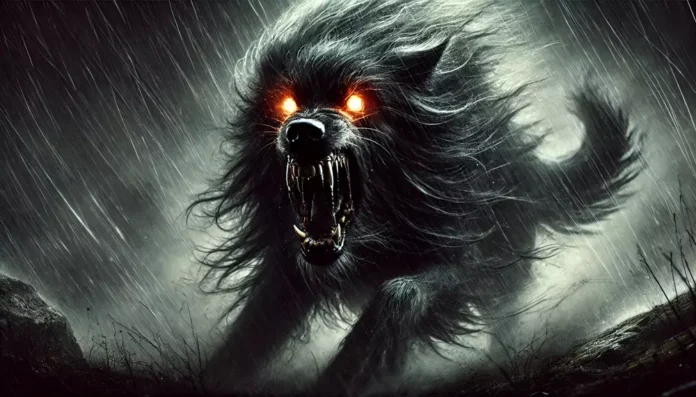
Lobisón

A werewolf-like creature cursed to transform during full moons, the Lobisón is feared in Spanish folklore in the name...
  • Skills
Enhanced AgilityFrenzy Inducement
  • Weaknesses
Holy WaterSacred Relic
Europe
Spectral Beast
Cadair Idris
Welsh

Cadair Idris

The Cadair Idris Hound is a spectral dog from Welsh folklore, feared for its piercing howl that can drive...

  • Skills
Fear InducementNightmare Creation
  • Weaknesses
BeheadingSilver Weak
Europe
Water Predator
Bukavac - MythBests.com
Serbia

Bukavac

The Bukavac is a six-legged monster from Serbian folklore, often depicted as an amphibious creature lurking in swamps and...

  • Skills
Night VisionSonic Roar
  • Weaknesses
Loud NoiseSilver Weak
Alaska Native
Trickster Spirit
Azeban - the trickster racoon
Alaska Native

Azeban

Azeban is a trickster raccoon spirit from Abenaki folklore, known for creating confusion and mischief without harm.
  • Skills
StealthTrickery
  • Weaknesses
Silver WeakWater Dependent
Greece
Death Messenger
Catoblepas - MythBeasts.com
Greece

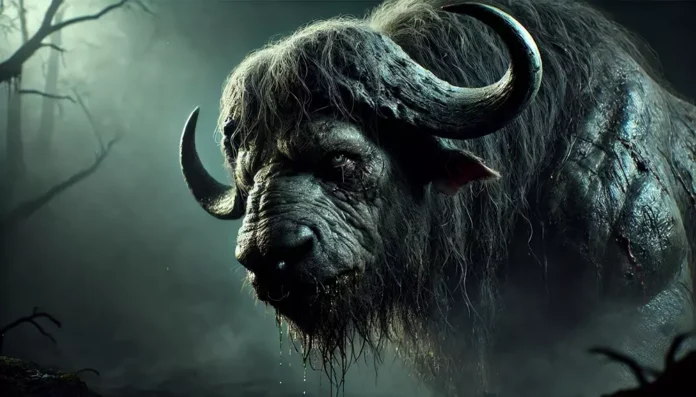
Catoblepas

Catoblepas is an African beast that can kill with a single gaze, having poisonous breath and a sluggish body.
  • Skills
Toxin Generation
  • Weaknesses
Garlic SensitiveSilver Weak
Europe
Death Messenger
Dullahan - Irish folklore
Ireland

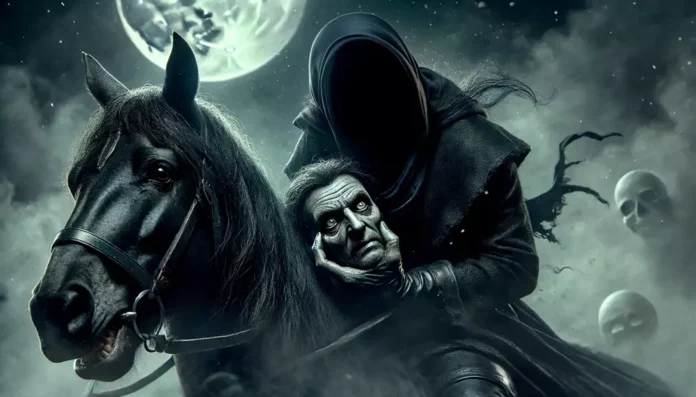
Dullahan

The Dullahan is a headless rider from Irish folklore, known for foretelling death and appearing at night.

  • Skills
Death InducementFear Inducement
  • Weaknesses
Holy WaterSilver Weak

Silver Weak – Overview

Silver Weak is a mythological concept representing a form of vulnerability that transcends mere situational failure. It embodies a deeper limitation within mythological frameworks, often tied to the intrinsic properties of silver as a material. Rather than being an incidental obstacle, Silver Weak serves a structural role, creating boundaries and limits within mythological narratives. Its significance arises from its ability to enforce cosmic balance and regulate power among mythological beings, ensuring that no entity achieves absolute dominance.

Defining Characteristics of the Weakness

Nature of the Limitation

Silver Weak typically manifests as a metaphysical restriction, where contact with silver imposes profound limitations on certain beings. This can include physical vulnerability, where silver weakens or harms creatures otherwise impervious to mortal weapons. The material’s purity often symbolizes a moral or cosmic boundary, reinforcing silver’s role as a guardian of sacred laws within mythological systems. The recurring nature of silver as a symbol of purity and justice highlights its consistent role across various cultures.

Conditions of Exposure

Silver Weak becomes relevant under specific symbolic conditions, often aligning with sacred or moral contexts. Beings affected by Silver Weak might encounter this limitation in environments imbued with divine significance, such as holy sites or during rituals. The presence of silver itself, in various forms, acts as a conduit for these conditions, channeling cosmic forces that enforce the weakness. The activation of Silver Weak often coincides with moral transgressions or moments requiring the restoration of balance.

Mythological Role and Function

Function Within Mythological Systems

Within mythological systems, Silver Weak serves as a crucial mechanism for regulating power dynamics. It prevents beings from achieving unrestrained authority, ensuring that cosmic order is maintained. This weakness enforces balance by creating a deliberate vulnerability that can lead to the downfall of otherwise invincible entities. In doing so, it preserves the equilibrium between different forces, preventing any single entity from disrupting the natural order. Thus, Silver Weak ensures that mythological narratives remain dynamic and balanced.

Symbolic and Cultural Meaning

Silver Weak symbolizes inevitability and the limitation of hubris across cultures. It embodies the idea that even the most powerful beings are bound by sacred laws and cosmic boundaries. This weakness represents moral consequences and the enforcement of divine justice. In many traditions, silver is associated with purity and truth, reinforcing its symbolic role as a limiter of excessive ambition. The recurring use of silver highlights its cultural significance as a material that upholds sacred law and prevents transgressions.

Distinction from Related Mythological Weaknesses

Conceptual Boundaries

Silver Weak differs from related weaknesses by its specific association with the material silver. Unlike general mortality or divine punishment, Silver Weak is not a consequence of moral failing but an intrinsic property of the material itself. It is distinct from taboo violations, which are culturally specific and situational. Silver Weak’s consistent symbolic role across traditions sets it apart, establishing it as a unique category within mythological classifications.

Common Sources of Misclassification

Silver Weak is often misunderstood due to its superficial similarity to other vulnerabilities. It can be conflated with divine punishment or situational defeat, but its defining feature is the material nature of silver itself. Comparative mythology helps clarify these distinctions by emphasizing the unique cultural and symbolic functions of silver. Scholars differentiate Silver Weak through its consistent association with purity and cosmic balance, which distinguishes it from more generalized vulnerabilities.

Canonical Beings Defined by Silver Weak

Werewolves

In European folklore, werewolves are renowned for their vulnerability to silver. This limitation is not merely a narrative device but a reflection of the purity and sanctity associated with silver. Werewolves embody primal chaos, and silver’s purity acts as a counterbalance, preventing them from overpowering human realms. Without this weakness, the mythological understanding of werewolves would lose its coherence, as they would lack a tangible limit to their otherwise formidable power.

Vampires

In various cultural traditions, vampires often exhibit a weakness to silver. This vulnerability aligns with their portrayal as beings existing outside the natural order. Silver symbolizes purity and the sun, both of which counteract the vampire’s unnatural existence. The presence of silver reinforces their status as beings that defy divine laws. Without this limitation, vampires would be unopposed by mortal forces, undermining the moral and cosmic balance within their narratives.

Faeries

In Celtic mythology, faeries are sometimes depicted as susceptible to silver. This susceptibility is not arbitrary but reflects faeries’ connection to the natural and supernatural worlds. Silver acts as a bridge between these realms, enforcing boundaries that faeries cannot transgress. The material’s purity and divine associations serve to restrain faeries’ mischievous nature, ensuring that they do not disrupt the human world. Without this constraint, faeries’ mythological roles would be unbounded and chaotic.

Historical Distribution and Cultural Context

Silver Weak appears across a wide range of cultures and historical periods, particularly in European folklore and myth. Its presence is noted in traditions where silver holds significant symbolic value, such as in Celtic, Slavic, and Germanic mythologies. These cultures often imbue silver with divine or protective properties, underscoring its role as a material of cosmic significance. The consistent presence of Silver Weak in these traditions highlights its enduring importance within mythological frameworks.

Scholarly Interpretation and Uncertainty

Variation in Interpretation

Interpretations of Silver Weak vary significantly between cultures and historical periods. Some traditions view it as a literal constraint, while others emphasize its symbolic interpretations. Scholarly frameworks often focus on silver’s material properties and its cultural symbolism, which can lead to diverse readings. Silver’s role as a boundary enforcer is frequently debated, with interpretations ranging from strict allegory to literal belief. Such variations highlight the complexity and richness of Silver Weak as a mythological concept.

Limits of the Evidence

The evidence surrounding Silver Weak is sometimes ambiguous, with gaps and debates in historical records. While established interpretations exist, some aspects remain uncertain, particularly in cross-cultural comparisons. The symbolic significance of silver is well-documented, but its specific applications can vary. Scholars emphasize caution in drawing definitive conclusions, acknowledging the limitations of available evidence and the need for nuanced analysis. This approach ensures a balanced understanding of Silver Weak’s role in mythology.

Mythological Function Across Cultures

Silver Weak recurs across different mythological traditions due to shared human concerns about power and balance. Its symbolic role addresses the need to regulate entities that could disrupt cosmic harmony. By imposing limitations on powerful beings, Silver Weak reflects universal themes of moral consequence and existential constraint. Recognizing this weakness enhances comparative interpretations, providing insight into how different cultures conceptualize vulnerability and cosmic order. This understanding deepens our appreciation of mythology’s enduring relevance.