Shape-Shifter
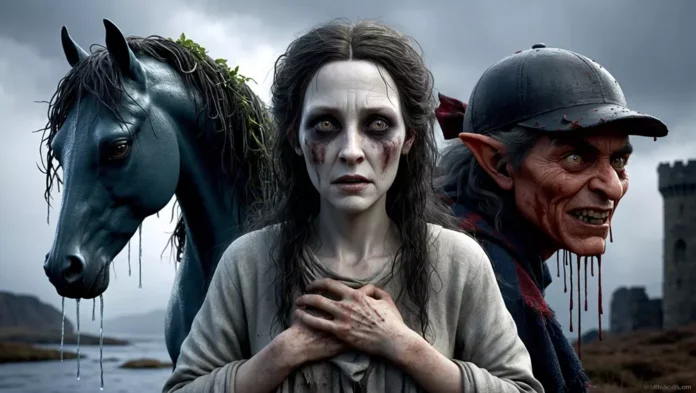
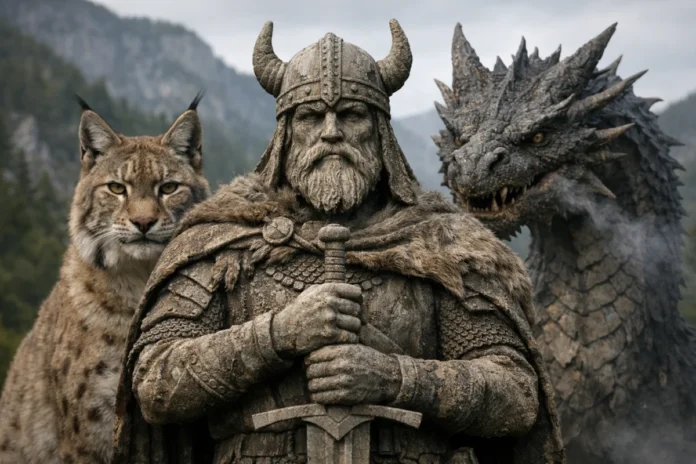
Shape-Shifter creatures are defined by their ability to transform, symbolizing change and adaptability in mythological narratives.
Sub Categories
Bird Shifter
Bird Shifter in mythology often embodies transformation and duality, shifting between human and avian forms. These beings typically possess enhanced vision and agility, emphasizing freedom and adaptability in narratives.Symbolically, Bird Shifter represents a connection between earth and sky, bridging physical and spiritual realms. They frequently serve as messengers or guides, highlighting themes of insight and transcendence.
Canine Shifter
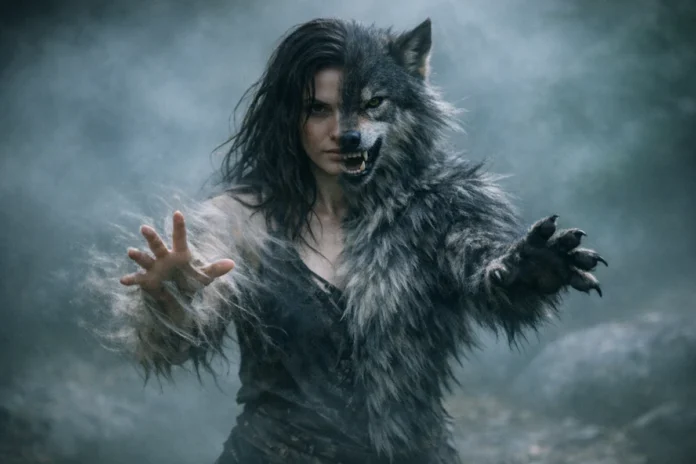
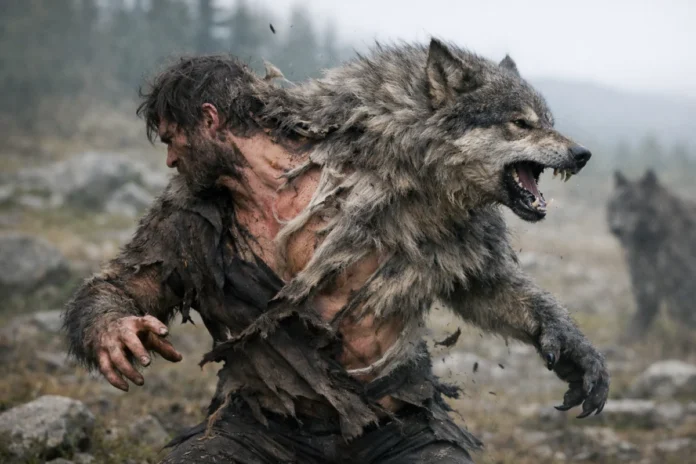
Canine Shifter typically features in mythology as a creature capable of transforming between human and canine forms. This dual nature often symbolizes adaptability, cunning, and the blending of animal instincts with human intellect. Transformations are frequently linked to cycles, such as the lunar phases, reflecting themes of change and renewal.Narratively, Canine Shifter often serves as a mediator between worlds, bridging human and animal realms. It can embody both protector and trickster roles, influencing events through its unique abilities. Their presence in stories underscores themes of identity, transformation, and the complex interplay of nature and humanity.
Crystal Morph
Crystal Morph beasts are typically characterized by their crystalline structures and shimmering appearances. They are often associated with transformation and adaptability, reflecting their ability to change form or composition.In mythological narratives, Crystal Morph often symbolizes purity, clarity, and enlightenment. They frequently play roles as guides or protectors, aiding heroes on their quests or conveying important messages from higher realms.
Doppelgänger
Doppelgänger are mythological entities often depicted as exact doubles of living individuals. They typically appear uninvited, suggesting misfortune or danger. These beings are known for their unsettling, mirror-like presence.Symbolically, Doppelgänger represent duality and internal conflict. They frequently serve as ominous harbingers or warnings in narratives, highlighting themes of identity and the uncanny nature of self-reflection.
Ember Mimic
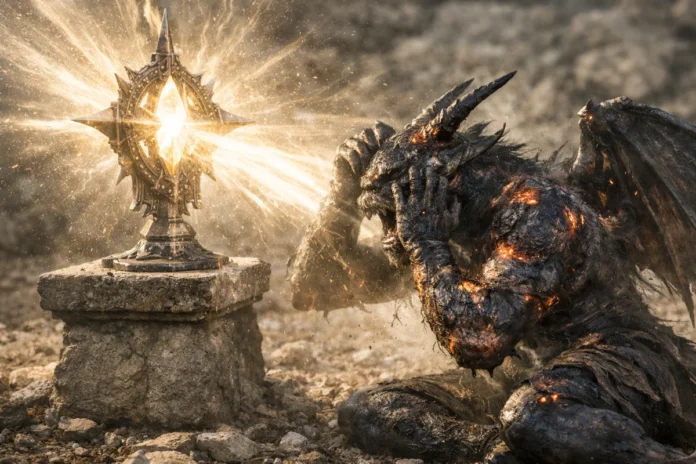
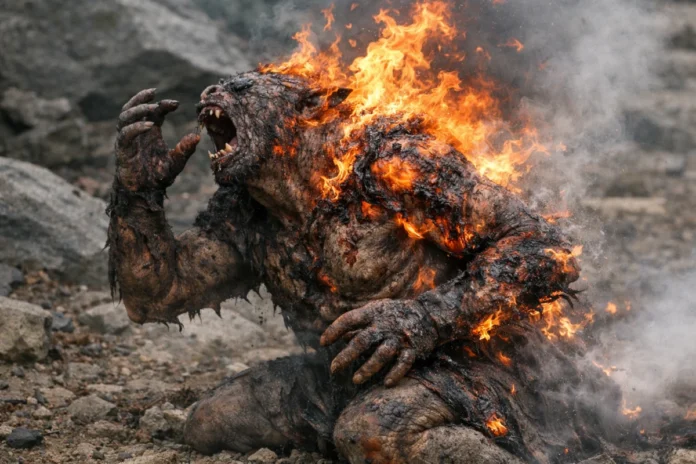
Ember Mimic is a mythological beast type associated with residual fire, lingering heat, and deceptive stillness, embodying embers that appear dormant yet conceal sudden, destructive or protective potential. These beings typically inhabit hearths, forges, volcanic margins, and burned landscapes, marking thresholds between ruin and renewal while emphasizing the unpredictable afterlife of flame within cultural imagination and storytelling.Symbolically, Ember Mimic represents concealed power, memory of past conflagrations, and the moral ambiguity of forces that can both nurture and devastate communities. In mythic narratives, Ember Mimic often tests vigilance, humility, and respect for elemental boundaries, serving as a catalyst for transformation, retribution, or hard-earned wisdom without functioning as purely benevolent or malevolent.
Ether Morph
Ether Morphs are mythological beasts characterized by their ability to shift forms and states, often appearing as ethereal or spectral entities. They typically embody transitional or boundary-defying qualities, symbolizing change.In narratives, Ether Morphs often serve as messengers or guides between realms, bridging the physical and spiritual worlds. Their presence highlights themes of transformation, impermanence, and the unknown.
Feline Shifter
A Feline Shifter is a mythological beast type defined by fluid movement between human and feline forms, emphasizing stealth, agility, heightened senses, and liminal existence between wilderness and settlement. Its transformations typically signal thresholds: nightfall, emotional extremes, or ritual boundaries, marking dangerous ambiguity between predator and companion, instinct and restraint, concealment and revelation within mythic landscapes and social imagination.Symbolically, a Feline Shifter often represents independence, sensual alertness, secret knowledge, and morally ambivalent power that can protect or betray. Narratives frequently place this beast at crossroads of loyalty, identity, and transgression, testing social norms. It challenges assumptions about fixed nature, embodying themes of disguise, survival, and adaptive intelligence, while dramatizing tensions between personal desire, communal obligation, and the unpredictable forces of the wild.
Flame Changer
Flame Changer denotes a class of transformative fire-aligned beings defined by shifting shapes, volatile tempers, and bodies that appear composed of living flame, embers, and heat-distorted outlines. Their presence often signals instability, purification, or impending upheaval.Symbolically, Flame Changer commonly represents destructive renewal, hazardous inspiration, and the unpredictable consequences of passion or transgression. Narratively, such beings test boundaries, punish excess, guard forbidden thresholds, and catalyze irreversible change in surrounding worlds and characters.
Fog Phantom
Fog Phantom is a mythological beast type often associated with mystery and the unknown. These entities typically manifest in misty environments, embodying the elusive and ethereal nature of fog.In narratives, Fog Phantom often symbolizes transition and ambiguity, serving as guides or obstacles. They are frequently depicted as harbingers of change, influencing journeys and decisions within their mythological contexts.
Ghostly Shifter
Ghostly Shifter is a mythological beast type known for its ability to change form, often appearing as ethereal or spectral entities. These creatures frequently inhabit liminal spaces, bridging worlds.Symbolically, Ghostly Shifter represents transformation, mystery, and the fluidity of identity. In narratives, they challenge heroes, test boundaries, and reveal hidden truths, embodying the uncertainty of change and the unknown.
Human-Animal Shifter
Human-Animal Shifters are mythological beings capable of transforming between human and animal forms. This ability often symbolizes duality, metamorphosis, and the bridging of natural and human realms.In narratives, Human-Animal Shifters frequently serve as intermediaries between worlds, embodying themes of transformation and identity. Their stories explore human instincts, animalistic traits, and the fluid nature of existence.
Insect Shifter
Insect Shifter denotes a mythological beast type able to assume forms linked to insects, blending humanoid and arthropod traits. It often emphasizes metamorphosis, segmented anatomy, uncanny movement, and heightened sensory perception.Across traditions, Insect Shifter commonly symbolizes transformation, contagion, persistence, or hidden intelligence. Narratively, it tests boundaries between human and verminous realms, embodying fears of infestation, collective swarms, and loss of individual identity.
Lightning Weaver
Lightning Weaver typically denotes a storm-aligned beast that shapes, channels, or inhabits lightning. It appears as an intelligent, elusive presence, defined by sudden movement, crackling energy, and command of turbulent skies.Symbolically, Lightning Weaver expresses disruptive insight, dangerous revelation, and rapid transformation. Narratives often cast it as boundary-crosser or omen, testing mortals, enforcing cosmic balance, or marking turning points through destructive yet purifying electrical force.
Magical Shapeshifter
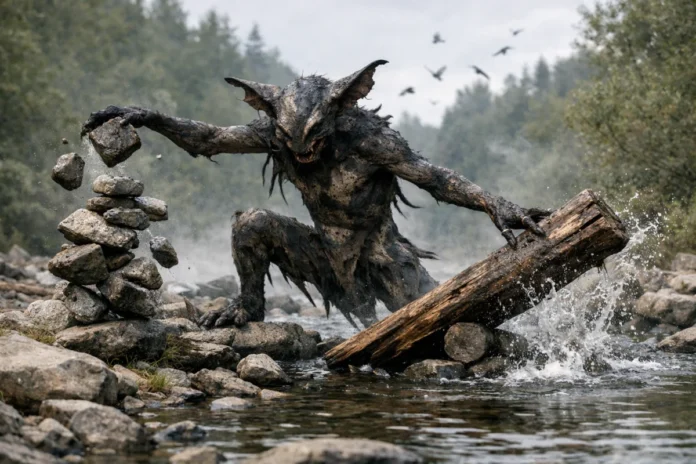
Magical Shapeshifter denotes a mythological beast type defined by voluntary transformation, fluid identity, and mastery of illusion. These beings cross boundaries between forms, challenging fixed categories of body, self, and nature.Symbolically, Magical Shapeshifter figures express instability, adaptability, and hidden truth. Narratives often use them as tricksters, guardians, or teachers, testing perception, exposing deception, and dramatizing consequences of desire, curiosity, and broken social obligations.
Mist Shifter
Mist Shifter denotes a mythological beast type associated with fog, concealment, and liminality, typically appearing where boundaries blur between worlds, times, or identities, embodying instability, ambiguity, and elusive presence. These beings often manipulate visibility, dissolving solid forms into vapor, challenging fixed perceptions of space and self, and signaling transitions, disappearances, or hidden pathways within mythic landscapes and supernatural encounters.Symbolically, Mist Shifter represents uncertainty, secret knowledge, and the danger or opportunity found in obscured conditions, frequently mediating between safety and peril, revelation and confusion. Narratively, such creatures complicate journeys, test discernment, and dramatize shifting realities, often marking thresholds to other realms, unresolved memories, or morally ambiguous choices that resist simple categorization or definitive interpretation.
Nature Weaver
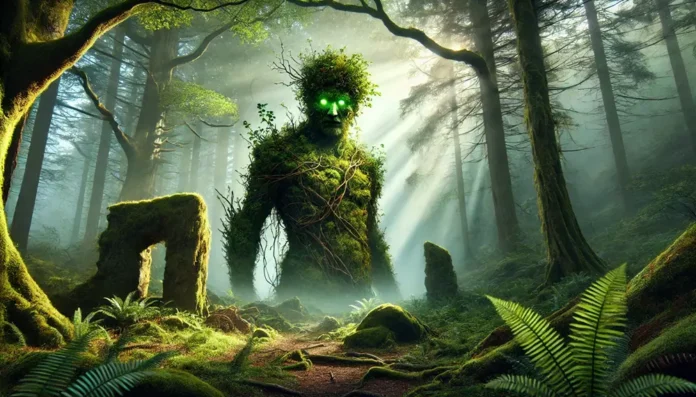
Nature Weaver denotes a mythological beast type linked to living landscapes, vegetation, and ecosystems, shaping growth, decay, and balance through intrinsic connection with soil, roots, weather, and seasonal cycles. These beings manifest environmental interdependence.Symbolically, a Nature Weaver often represents renewal, restraint, and consequence, embodying how actions reverberate through habitats. Narratives assign them roles as guardians, mediators, or catalysts, enforcing ecological reciprocity and transforming surroundings.
Phantom Weaver
Phantom Weaver typically denotes an incorporeal, thread-working beast that manipulates intangible strands of memory, destiny, or perception. It appears liminal, half-seen, associated with thresholds, transitions, and unstable boundaries between worlds.Symbolically, Phantom Weaver embodies entanglement, consequence, and the unseen structures shaping lives. Narratively, it clarifies hidden connections, tests characters’ insight, and dramatizes how choices, histories, and relationships interlace across time and space.
Sand Shaper
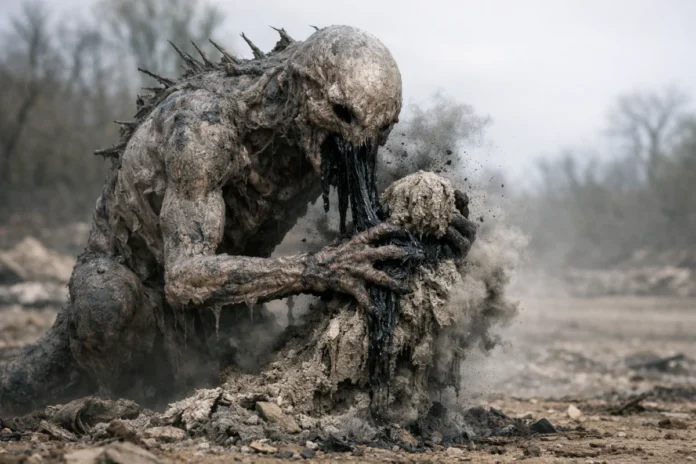
Sand Shaper is a mythological beast type often depicted with the ability to manipulate sand and desert landscapes. These creatures are typically associated with arid regions and shifting dunes.Symbolically, Sand Shaper represents transformation and adaptability, reflecting the ever-changing nature of the desert. In narratives, they often act as guardians or tricksters, influencing travelers' journeys.
Serpentine Shifter
Serpentine Shifter is a mythological beast type characterized by its ability to transform between snake-like and other forms. This transformative nature often symbolizes adaptability, cunning, and mystery.In narratives, Serpentine Shifter frequently plays roles as guardians, tricksters, or messengers. Their presence typically signifies change, hidden knowledge, or the bridging of different realms or states of being.
Shapeless Spirit
Shapeless Spirits are often characterized by their lack of a defined form, allowing them to manifest in various guises. They typically embody fluidity, mystery, and transformation in mythological narratives.Symbolically, Shapeless Spirits represent the unknown and the unseen forces of the world. In stories, they often serve as guides, messengers, or harbingers, influencing events subtly.
Smoke Doppelgänger
Smoke Doppelgängers are mythological entities often depicted as shadowy, vaporous figures capable of mimicking individuals. They are typically associated with deception, illusion, and the blurring of identity.Symbolically, Smoke Doppelgängers represent the duality of self and the hidden aspects of personality. Narratively, they often serve as cautionary figures, challenging characters to confront their own inner truths.
Star Shifter
Star Shifter typically denotes a mythological beast type linked to celestial transformation, moving between stellar and corporeal forms. It embodies liminality, bridging cosmic order and mortal realms through controlled, radiant metamorphosis and shifting presence.Symbolically, Star Shifter often represents destiny, cyclical renewal, and hidden knowledge encoded in the night sky. Narratively, it functions as guide, omen, or threshold guardian, reshaping journeys through awe, disorientation, and revelation.
Trickster Shifter
Trickster Shifter is a mythological beast type known for its ability to change shape and form. Often embodying cunning and adaptability, it challenges norms and disrupts conventional narratives.Symbolically, Trickster Shifter represents transformation and unpredictability, often serving as a catalyst for change. This creature type frequently highlights themes of duality and deception in mythological storytelling.
Water Shifter
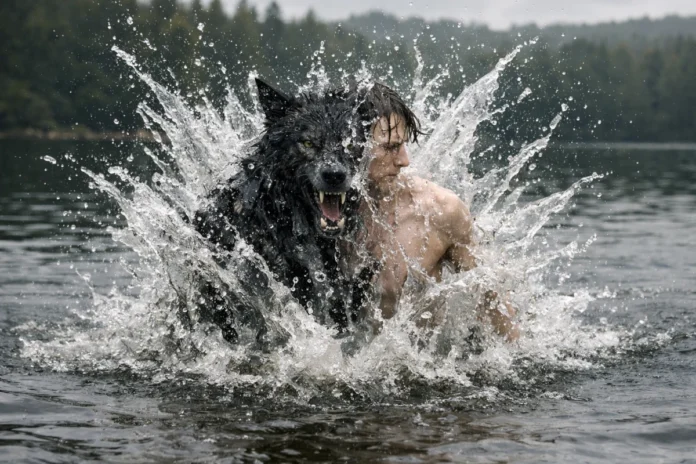
Water Shifter is a mythological beast type known for its ability to transform within aquatic environments. These entities often embody adaptability, representing the fluid nature of water itself. Water Shifter frequently appears in stories as guardians of water bodies, reflecting cultural reverence for natural resources.Symbolically, Water Shifter signifies change and transformation, embodying both the nurturing and destructive aspects of water. In narratives, these creatures often serve as protectors or challengers, testing human characters' resilience and adaptability.
Relevant Beasts

A Doppelgänger is a supernatural entity that mimics the appearance of a living person, often seen as an omen...

Half-human and half-fish, the Mermaid is a shape-shifting aquatic hybrid tied to sea myths across various cultures, especially known...
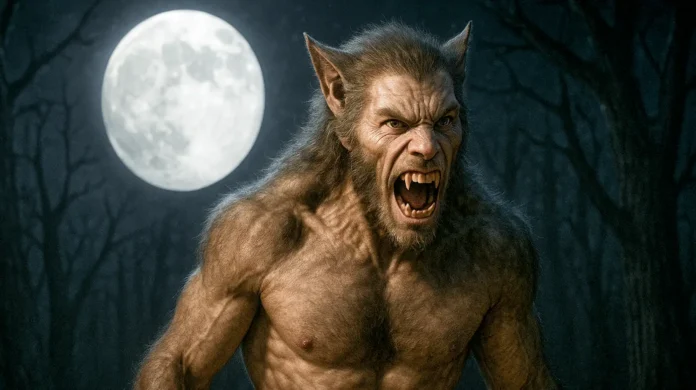
A cursed shape-shifter from Medieval Europe, the Werewolf transforms during the full moon. Feared for uncontrollable rage, it embodies...

The Kelpie is a shape-shifting water spirit from Scottish folklore, known to appear as a horse and lure victims...

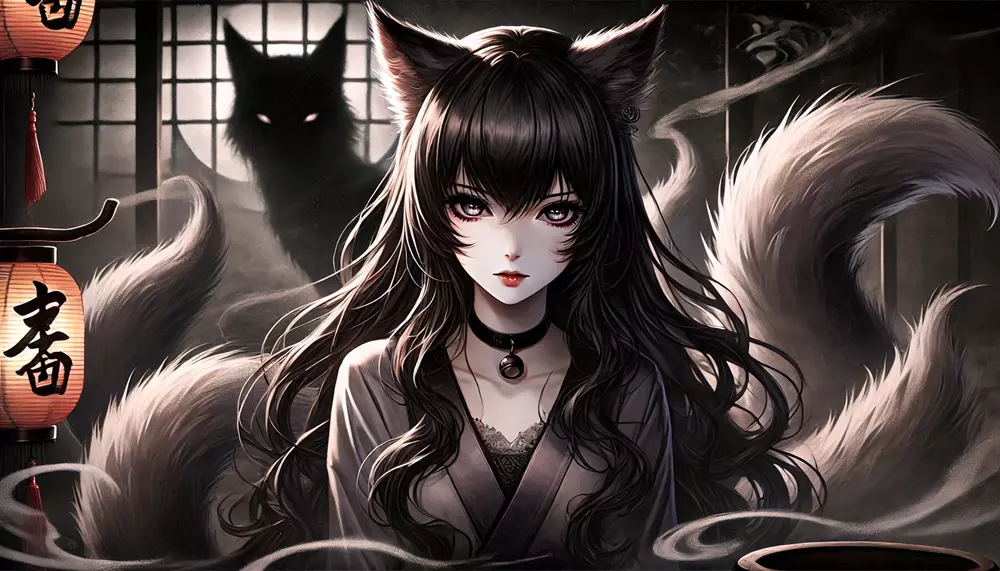
The Huli Jing is a shapeshifting fox spirit from ancient Chinese mythology, known for its illusion powers, beauty,...
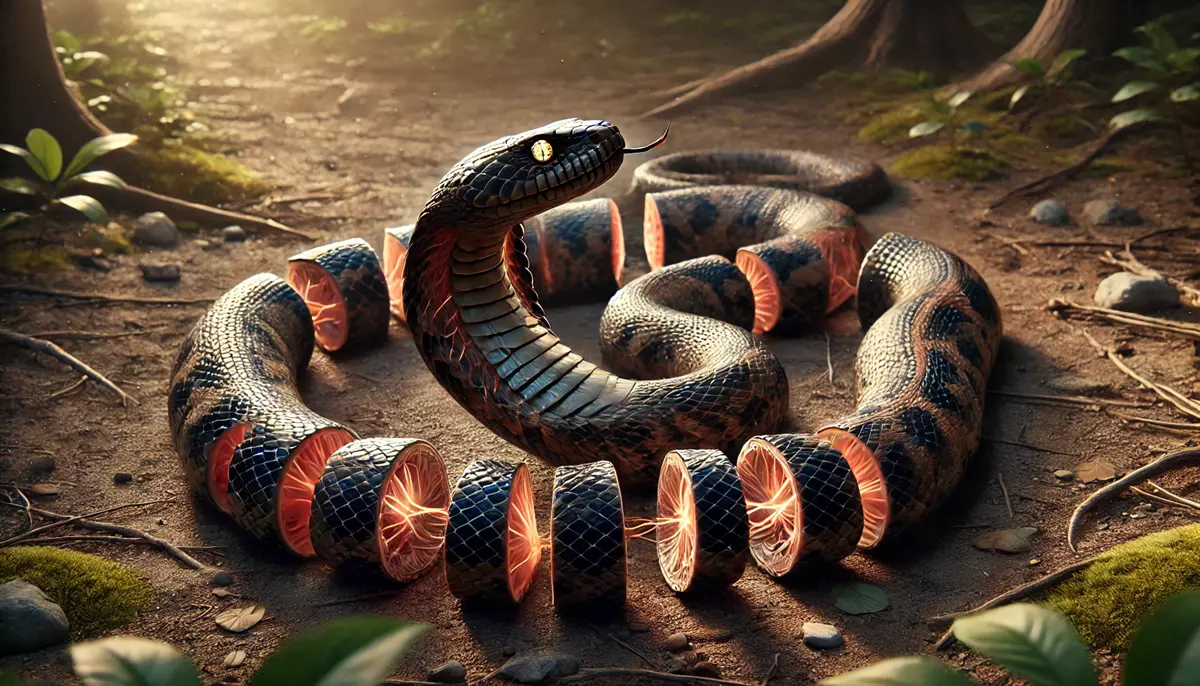
A mysterious serpent from North American folklore, the Joint Snake is known for its ability to reassemble itself after...

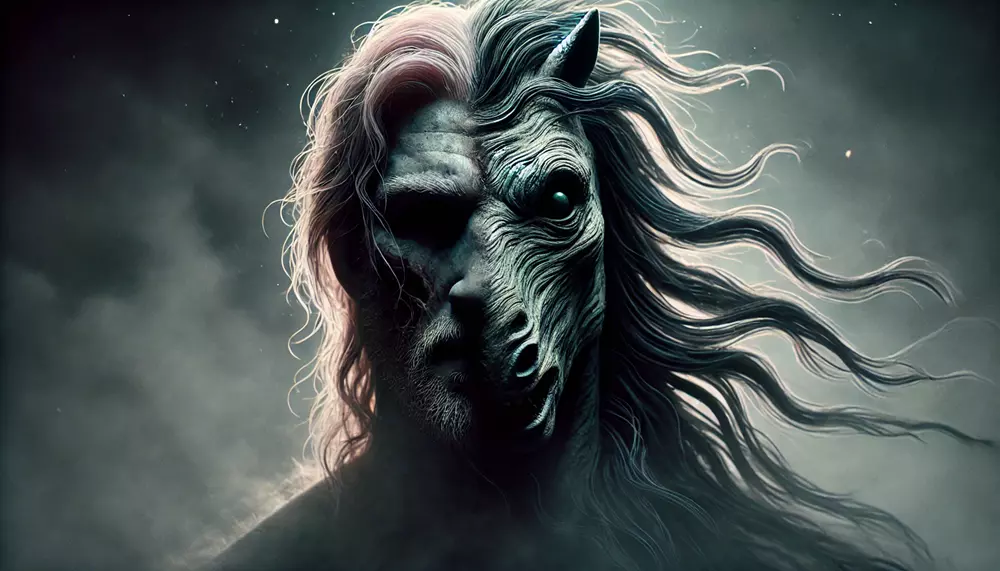 From Irish folklore, the Púca is known for its ability to shift shape into various animals or human forms. It represents chaos and unpredictability, challenging humans to adapt and embrace the unknown, often appearing in both benign and malevolent roles.