Africa
Africa embraces a diverse mythic landscape where spiritual connections and ancestral reverence shape vibrant cultural narratives and practices.
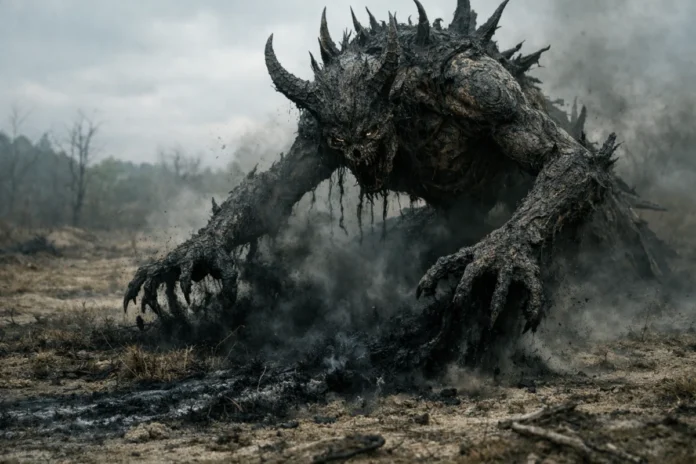
Relevant Beasts
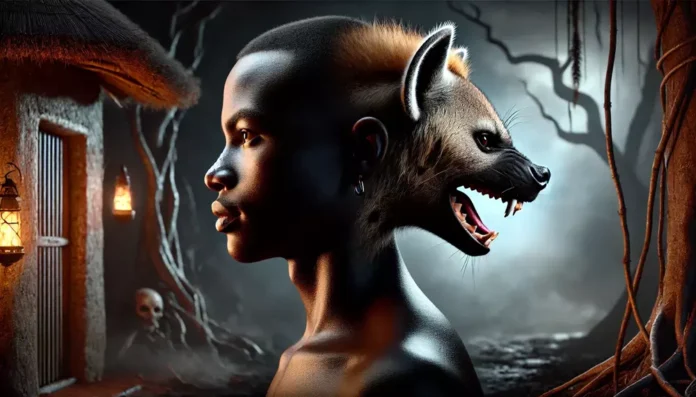
The Kishi is a two-faced demon from Angolan folklore, presenting a handsome human front and a hyena visage on...
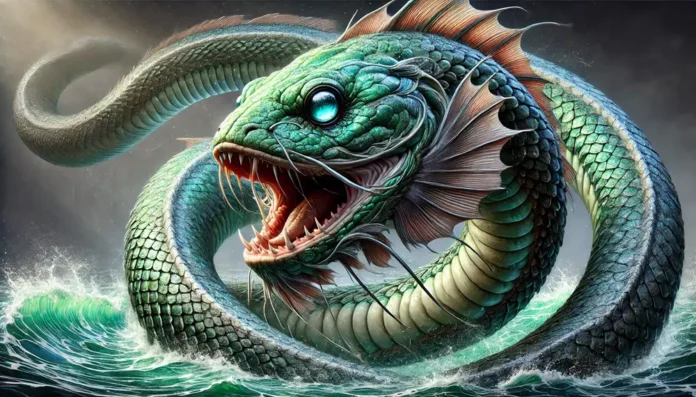
Nyami Nyami, the revered Zambezi River God in Tonga mythology, is said to have the body of a snake...
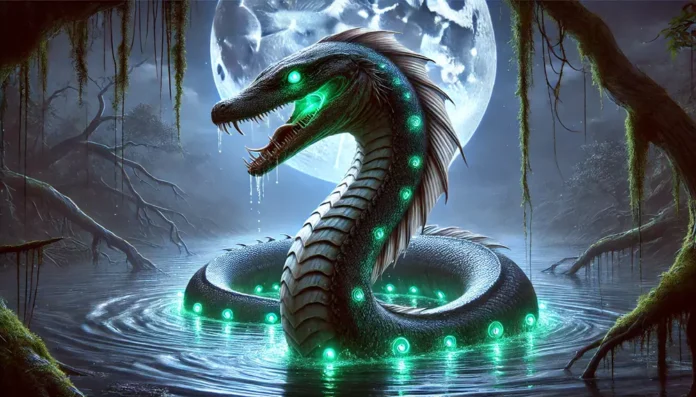
Mamlambo, a legendary creature in South African folklore, is known for its dual nature and river habitat, combining features...
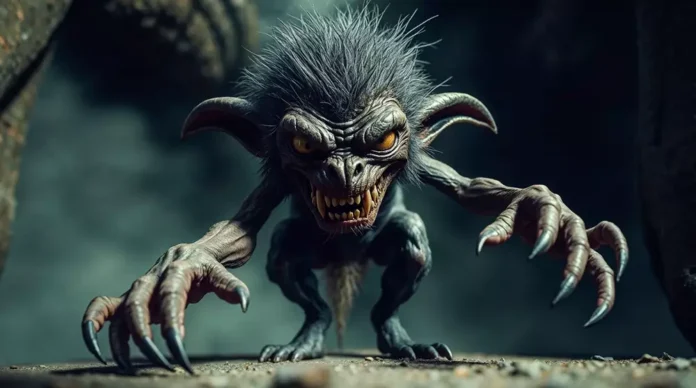
The Tikoloshe is a small, goblin-like creature from Zulu folklore, known for its mischief and malice. Often summoned by...

The Kongamato is a winged beast from African folklore, feared for its pterosaur-like appearance and aggressive attacks on those...
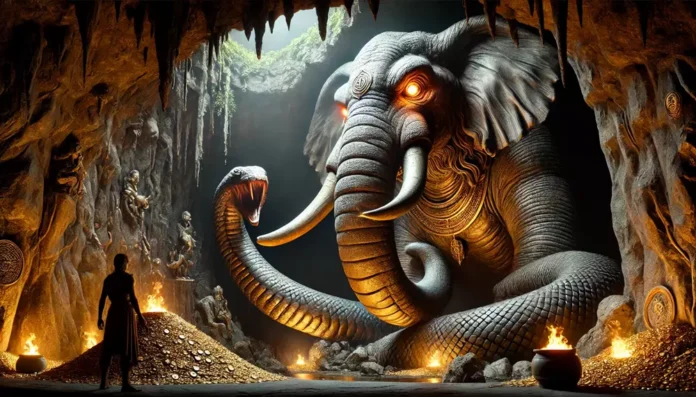
Grootslang is a primordial serpent-elephant hybrid from South African legend, guarding caves of diamonds and gold.
Sub Categories
Aksum
Aksum, an ancient kingdom in northeastern Africa, is significant in myth and folklore for its historical prominence. It served as a cultural crossroads, influencing regional narratives and traditions. Aksum's position facilitated the exchange of ideas, contributing to the development of rich mythological tapestries across the region.Located in present-day Ethiopia, Aksum's legacy is intertwined with religious and cultural evolution. Its mythological influence can be seen in various traditions that emerged from its interactions with neighboring cultures.
Algeria
Algeria, in mythological and folklore contexts, is a region influenced by Berber, Arab, and Mediterranean traditions. Its landscape and historical trade routes have shaped local narratives and cultural exchanges. The Sahara Desert and the Atlas Mountains contribute to its mythological themes, often reflecting the natural environment's challenges and mysteries.Influence from neighboring cultures has enriched Algeria's mythological traditions, blending indigenous beliefs with Islamic and Mediterranean elements. This cultural fusion is evident in local folklore, where diverse narratives coexist. Algerian myths often emphasize themes of survival, adaptation, and the interplay between humanity and nature, reflecting the region's historical and geographical diversity.
Almohad
The Almohad Caliphate, spanning from 1121 CE to 1269 CE, was a powerful Islamic state in North Africa and Spain. Almohad mythology focused on divine right and purification, emphasizing a strict monotheistic worldview.Their legacy of religious zeal and mythic accounts of leadership left a significant impact on Islamic history in the region.
Almoravid
The Almoravid dynasty, lasting from 1040 CE to 1147 CE, controlled parts of North Africa and Spain. Almoravid myths emphasized religious warriors and divine support in battle, reflecting the Islamic devotion of the dynasty.Their mythological tales of piety and conquest influenced Islamic and Berber traditions in North Africa and the Iberian Peninsula.
Alodia
The Kingdom of Alodia, lasting from 600 CE to 1500 CE in Nubia, was the last Christian kingdom in the region. Known for its churches and monasteries, Alodia integrated Christian saints with indigenous spiritual practices.This fusion of Christian and local beliefs in Alodia influenced the mythological framework of Nubian society until its decline.
Angola
Angola, a vibrant nation in Southern Africa, has a deep cultural tapestry shaped by its indigenous kingdoms. The Mbundu and Ovimbundu peoples are among its most notable cultures, with roots in powerful medieval states like Ndongo and Matamba (1300–1700 CE). These societies developed rich oral traditions, spiritual beliefs, and mythologies, including tales of supernatural beings like the Kishi.The spiritual practices of Angola often centered on duality, ancestral worship, and warnings against deceit and greed. These cultural stories are still preserved in regional folklore today, passed down through generations and forming a significant part of Angola’s identity.
Ashanti
The Ashanti Empire, active from 1670 CE to 1902 CE in West Africa, was renowned for its military prowess and cultural richness. Ashanti mythology includes powerful deities like Anansi, the spider god of wisdom, and spirits that protect the land.With a strong emphasis on oral tradition, Ashanti myths and legends continue to shape the cultural heritage of the Akan people.
Axum
The Kingdom of Axum, which thrived from 100 CE to 940 CE in modern Ethiopia, combined indigenous beliefs with those influenced by neighboring cultures. Axumite myths likely featured divine rulers and possibly early Christian elements as the kingdom later adopted Christianity.Axum’s unique blend of traditional deities with evolving religious ideas left a lasting legacy on Ethiopian myth and culture.
Badarian
The Badarian culture, flourishing from 5,000 BCE to 4,000 BCE in the Nile Valley, is one of the earliest known cultures in Egypt. Known for their distinct pottery and burial practices, the Badarians laid foundations for later Egyptian beliefs.Their burial customs and symbolic artifacts suggest early notions of the afterlife, which would become central in Egyptian mythology. Badarian influence is seen in later dynastic Egyptian culture.
Buganda
The Buganda Kingdom, active from 1300 CE to 1962 CE, is one of Uganda's oldest kingdoms, with myths centered on ancestor spirits and deities of fertility, rain, and protection. The king, or Kabaka, was considered semi-divine.Buganda’s mythology remains influential, with legends and spirits continuing to shape Ugandan cultural and spiritual beliefs.
Burundi
The Kingdom of Burundi, from 1680 CE to 1966 CE, was centered on a traditional monarchy with beliefs in ancestral spirits and protective deities. The king, or Mwami, was viewed as a sacred figure with spiritual power.Burundian mythology and ancestral worship continue to influence the cultural heritage of the region.
Capsian
The Capsian culture, prominent from 10,000 BCE to 6,000 BCE in North Africa, is celebrated for its extensive rock art and distinctive stone tools. These artifacts provide insights into the symbolic and cultural practices of the era.The artistic representations, often of animals, may have played a role in early mythological beliefs, reflecting the Capsian people's relationship with nature. This culture’s art forms influenced later North African traditions.
Carthage
Carthage, founded in 814 BCE, was a major Phoenician colony in North Africa, known for its complex pantheon of gods and practices, including sacrifices to deities like Baal Hammon and Tanit. Carthaginian mythology was deeply intertwined with both Phoenician and local beliefs.The city’s mythological traditions and legendary conflicts with Rome influenced tales of divine intervention and heroism, leaving an indelible mark on Mediterranean myth.
Ethiopia
Ethiopia, a nation with roots in the ancient Kingdom of Aksum, was unified under the Solomonic Dynasty from 1270 CE to 1974 CE. Ethiopian mythology is deeply intertwined with Christianity, legends of the Ark of the Covenant, and rulers claiming descent from King Solomon and Queen of Sheba.Ethiopian myths and Christian saints are central to its cultural heritage, with a strong tradition of sacred storytelling and spirituality that endures today.
Funj
The Funj Sultanate, lasting from 1504 CE to 1821 CE in Sudan, was a powerful Islamic state known for blending African and Arab traditions. Funj mythology included saints and protective spirits, bridging indigenous beliefs with Islamic elements.The Funj legacy includes a unique spiritual and cultural identity that has influenced Sudanese beliefs.
Garamantes
The Garamantes, active from 500 BCE to 700 CE in the Sahara, were a Berber people with a sophisticated society and a pantheon that included nature spirits. They built extensive irrigation systems and may have developed mythologies around water as a precious resource.Their culture influenced other Saharan and North African societies, with early mythological concepts tied to survival in the desert.
Ghana
Ghana, gaining independence in 1957 CE, is known for its Akan mythology, including powerful deities like Nyame and Anansi, the trickster spider. These myths emphasize moral lessons and have influenced West African and diaspora cultures.The legacy of Ghana’s mythological figures continues to shape national identity and storytelling traditions.
Ghana (Wagadou)
The Ghana Empire, also known as Wagadou, existed from 300 CE to 1240 CE in West Africa. Renowned for its wealth and control of the trans-Saharan trade, Ghanaian myths included legendary rulers and magical practices tied to prosperity and protection.These myths, centered on kingship and divine favor, influenced West African storytelling traditions, linking wealth with spiritual guidance.
Iberomaurusian
The Iberomaurusian culture, dating from 22,000 BCE to 9,000 BCE, spanned across North Africa and is known for its rock art and symbolic artifacts. The culture’s artistic legacy suggests an early form of symbolic expression.Animal depictions in rock art hint at ritualistic or mythological elements, marking an important cultural period in prehistoric North Africa. The Iberomaurusian culture influenced later traditions in the region.
Ife
Ife, a Yoruba city-state flourishing from 1100 CE to 1500 CE, is considered the spiritual heart of the Yoruba people. Yoruba mythology from Ife includes deities such as Oduduwa and Obatala, central to the creation myths of Yoruba religion.These deities and legends have shaped Yoruba cultural and spiritual life, influencing traditions throughout West Africa and the African diaspora.
Kaabu
The Kaabu Empire, active from 1537 CE to 1867 CE in West Africa, was part of the Mandinka cultural sphere and known for its warrior traditions. Kaabu mythology involved spirits and deities tied to war and protection, underscoring the valor of its people.The legends and myths of Kaabu celebrate strength and resilience, elements still honored in Mandinka culture today.
Kanem
The Kingdom of Kanem, active from 700 CE to 1380 CE around Lake Chad, developed a strong Islamic presence, blending local beliefs with Islamic practices. The Kanem kings were seen as semi-divine figures, incorporating protective spirits and mythical ancestors into their governance.Kanem’s mythology of rulers and spirits created a legacy of spiritual leadership that extended into later Sahelian cultures.
Kenya
Kenya, independent since 1963 CE, encompasses rich cultural traditions, including the myths of the Kikuyu, Luo, and Maasai peoples. These myths often feature ancestral spirits, nature deities, and heroic figures that embody cultural values.Kenyan mythology continues to shape cultural identity, preserving oral traditions and folklore across generations.
Kerma
The Kerma culture, flourishing from 2500 BCE to 1500 BCE, was centered in Nubia and known for its unique burial customs and religious practices. Artifacts and structures suggest a complex society with proto-mythological elements, potentially influencing Egyptian beliefs.Kerma’s burial sites indicate early beliefs in an afterlife, with symbolic items placed alongside the deceased. This ancient culture provided a foundation for later Nubian myths and traditions.
Kilwa
Kilwa, a powerful Swahili city-state from 957 CE to 1513 CE, was known for its wealth and trade influence along the East African coast. Kilwa’s mythological framework included sea deities and protective spirits, merging African and Arab beliefs.Kilwa’s cultural blend created a rich mythological tradition, deeply intertwined with its mercantile and maritime heritage.
Kush
The Kingdom of Kush, existing from 1070 BCE to 350 CE, was a powerful civilization in Nubia, south of Egypt. Kush adopted and adapted Egyptian mythology, incorporating deities and symbols into its own culture, particularly during the 25th Dynasty.Kushite kings were often seen as both political and spiritual leaders, promoting a mythology that intertwined with Egyptian beliefs, while developing unique symbols of royal divinity and protection.
Liberia
Founded in 1847 CE, Liberia was established as a homeland for freed American slaves. Liberian mythology draws from diverse West African traditions, with beliefs in spirits, forest deities, and ancestral worship that resonate through its cultural practices.The blending of indigenous beliefs with Christian elements has created a unique Liberian spiritual and cultural identity.
Loango
The Kingdom of Loango, active from 1550 CE to 1883 CE along the Congo coast, was known for its vibrant trade and rich spiritual practices. Loango mythology included oceanic spirits and ancestors believed to influence prosperity and protection.The mythology and beliefs of Loango remain influential in Congolese spiritual traditions, especially in coastal communities.
Luba
The Kingdom of Luba, lasting from 1585 CE to 1889 CE in Central Africa, is known for its sophisticated political system and rich spiritual beliefs. Luba mythology includes ancestor worship and protective spirits believed to guide the kingdom.The Luba’s mythological heritage remains integral to their identity, with spirits and legends passed down through generations.
Lunda
The Lunda Empire, existing from 1665 CE to 1887 CE in Central Africa, had a complex mythology centered on ancestral spirits and divine kingship. Lunda rulers were often viewed as intermediaries between the physical and spiritual realms.Lunda mythology and spiritual practices continue to influence local traditions, reflecting a legacy of reverence for ancestral power.
Madagascar
Madagascar is a cultural melting pot influenced by African, Austronesian, and Arab heritage. Among its unique traditions, the Merina Kingdom (1500–1900 CE) played a pivotal role in shaping Malagasy folklore. Fire spirits like Irizi emerged from this tradition, symbolizing retribution and the moral consequences of anger.The Malagasy people honor a deep spiritual connection to nature, with myths often focusing on balance, respect, and moral lessons. Their legends reflect the island’s volcanic and diverse ecology, blending physical elements like fire and water with themes of renewal and destruction. These stories continue to inform Malagasy culture and identity.
Mahdist Sudan
Mahdist Sudan, active from 1885 CE to 1899 CE, was founded on religious and political resistance against foreign influence. The Mahdi was seen as a messianic figure in Sudanese Islamic beliefs, embodying divine guidance and redemption.The Mahdist movement left an enduring legacy of spiritual resilience and mythic symbolism in Sudanese history.
Makuria
Makuria, a medieval kingdom in Nubia, thrived from 400 CE to 1400 CE and was known for its strong Christian traditions and defensive structures. Makurian mythology incorporated Christian saints as protectors, symbolizing resilience against invaders.With a blend of Nubian traditions and Christian beliefs, Makuria’s mythological legacy shaped later cultural identities in the region.
Meroë
The Kingdom of Meroë, spanning 800 BCE to 350 CE, succeeded Kush in Nubia and developed its unique script and religious symbols. Meroë’s deities included lion gods and divine kingship, reflecting a blend of Egyptian and indigenous myths.This kingdom fostered a distinctive mythology with gods, royal tombs, and rituals that became central to Meroitic culture and spiritual life.
Morocco
Morocco, gaining independence in 1956 CE, is known for its rich folklore, including djinn, Islamic saints, and Berber spirits tied to nature. Moroccan mythology blends Berber and Islamic traditions, influencing art, music, and rituals.These myths and legends contribute to Morocco’s cultural diversity, reflecting both spiritual beliefs and storytelling traditions.
Mutapa
The Kingdom of Mutapa, existing from 1430 CE to 1760 CE in Southern Africa, was known for its wealth and strategic control over regional trade routes. Mutapa’s rulers were often associated with divine favor, and the kingdom incorporated spirit worship and ancestor veneration.Mythological beliefs in Mutapa tied spiritual power to kingship and land, leaving an enduring legacy in regional folklore.
Nabta Playa
Nabta Playa, a prehistoric site in the Nubian Desert, was active from 10,000 BCE to 3,000 BCE. Known for its stone circle and astronomical alignments, this site reflects early practices of celestial observation and ritual.The ceremonial structures and artifacts suggest proto-religious beliefs, possibly connected to later mythological traditions in Egypt. Nabta Playa is considered one of the earliest astronomical sites in the world.
Ndongo
The Kingdom of Ndongo, existing from 1300 CE to 1671 CE in Angola, is renowned for its legendary queen, Nzinga, and her resistance against colonial forces. Ndongo mythology includes spirits of the land and ancestors, central to their cultural identity.Ndongo’s myths of resilience and spiritual strength have left a lasting legacy on Angolan history and folklore.
Nigeria
Nigeria, independent since 1960 CE, is home to diverse cultural groups such as the Yoruba, Igbo, and Hausa. Yoruba mythology, with deities like Ogun and Shango, is particularly significant, shaping West African and diaspora spirituality.Nigerian mythologies and ancestral beliefs remain central to the nation's cultural heritage, influencing art, music, and literature.
Nobatia
Nobatia, existing from 350 CE to 650 CE in Nubia, was known for its early Christianization and cultural influence in the Nile Valley. Nobatian rulers blended Christian saints and symbols with local beliefs, creating a unique religious landscape.The mythology of Nobatia featured divine protection and saintly figures, leaving a lasting spiritual heritage in Nubian history.