back to top

Element Control

Element Control in mythology refers to the ability to manipulate natural elements like earth, water, fire, and air through supernatural means.

Relevant Beasts

Amazon
Water Serpent
Yacumama – Amazonian mythology | South America
Amazon

Yacumama

Yacumama is an Amazonian water serpent from Indigenous folklore, classified as a supernatural guardian of rivers.

  • Skills
Element ControlWater Breathing
  • Weaknesses
Dry Land HarmEnvironmental Limits
Europe
Sea Monster
Kraken - Nord mythology
Vikings

Kraken

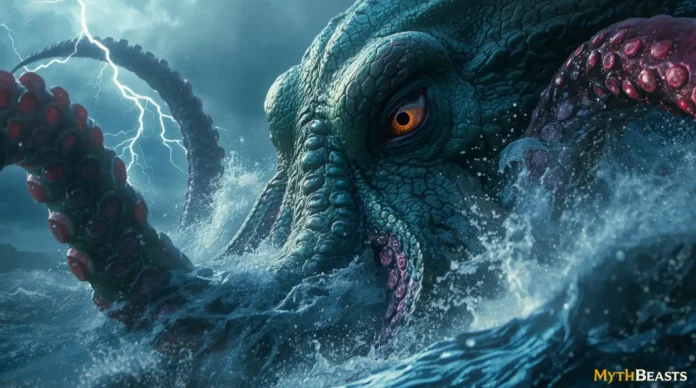
The Kraken, a giant sea monster from Norse myth, lurks off Scandinavian coasts. Capable of sinking ships, it epitomizes...

  • Skills
Element ControlPhysical Strength
  • Weaknesses
Dry Land HarmElement Sensitivities
Europe
Oceanic Being
mermaid - greek-mythology
Greece

Mermaid

Half-human and half-fish, the Mermaid is a shape-shifting aquatic hybrid tied to sea myths across various cultures, especially known...

  • Skills
Element ControlWater Breathing
  • Weaknesses
Dry Land HarmEnvironmental Limits
Europe
Dragon
European Dragon
Greece

Dragon

Dragon, the fire-breathing giant from global myths, symbolizes chaos, power, and treasure guardianship, appearing in countless heroic and dark...

  • Skills
Element ControlFire Breathing
  • Weaknesses
Cold SensitiveElement Sensitivities
Celtic
Elemental Crone
Cailleach Bheur - Celtic folklore
Celtic

Cailleach Bheur

Cailleach Bheur, the ancient winter hag of Celtic lore, ruled storms and sculpted mountains with frost and stone, embodying...

  • Skills
Earth ManipulationElement Control
  • Weaknesses
Seasonal LimitSun Harm
Celtic
Aquatic Hybrid
The Loch Ness Monster
Celtic

Loch Ness...

The Loch Ness Monster, a cryptid from Scottish legend, is said to inhabit Loch Ness. A mysterious aquatic hybrid,...

  • Skills
Element ControlIllusions & Perception
  • Weaknesses
Magic BoundariesMagic Seal

Sub Categories

Acid Rain

Summon clouds that rain acidic liquid, corroding everything it touches. Acid rain is a devastating environmental attack that can damage enemies, structures, and even the landscape. This skill is especially effective in wearing down opponents over time and creating hazardous conditions for movement and shelter.

Aurora Manipulation

Aurora manipulation allows the user to summon and control the northern or southern lights, using them to blind, mesmerize, or confuse opponents. These beautiful displays of light can be shaped into barriers or used to disorient enemies by manipulating their visibility and senses. The skill is also known to influence magnetic fields, providing additional versatility.

Blizzard Creation

Blizzard Creation is a mythological skill that enables the conjuring of intense snowstorms, often associated with deities or spirits controlling winter elements. This ability can obscure vision, disrupt travel, and encase landscapes in ice and snow, symbolizing both nature's fury and cleansing power.In various myths, Blizzard Creation serves as a divine punishment or protective barrier, affecting communities by isolating them or preserving sacred spaces. It is typically viewed as a manifestation of a deity's control over the natural world, demonstrating their authority and influence over seasonal changes.

Cold Resistance

Cold Resistance is a mythological skill that enables beings to withstand extreme cold temperatures without harm. This ability is often depicted in myths involving deities or creatures from icy realms. It allows them to move freely in frigid environments, often linked to their dominion over winter or northern landscapes.In various mythologies, Cold Resistance is considered a divine gift or innate trait, signifying a connection to frost and ice. This skill not only protects against physical cold but may also symbolize emotional resilience. It often appears in tales where characters face harsh, frozen challenges, illustrating themes of endurance and adaptation.

Control Weather

Control Weather is a mythological skill enabling individuals or deities to manipulate atmospheric conditions. This ability can summon storms, clear skies, or alter precipitation patterns, impacting agriculture and travel. Often associated with divine figures, it reflects a connection to natural forces, emphasizing the importance of weather in ancient societies.In mythology, those possessing this skill are seen as wielders of immense power, influencing both human and environmental realms. Control Weather often symbolizes authority over nature, illustrating themes of balance and disruption. Its portrayal varies across cultures, highlighting differing perspectives on human interaction with the natural world.

Cryokinesis

The ability to generate, manipulate, or control ice and cold, often wielded by frost giants or winter spirits. This skill enables users to freeze enemies, craft ice structures, or create chilling environments in battle.Cryokinesis serves as a powerful defensive and offensive tool, allowing its users to immobilize foes or create barriers of ice, symbolizing the harsh, unyielding power of winter.

Crystal Generation

The ability to generate crystals from the earth, using them for shields, weapons, or structures. Crystal generation allows the user to manipulate these formations for both offensive and defensive purposes. Crystals can be grown rapidly to entrap enemies or provide solid cover in battle.

Earth Manipulation

Earth manipulation is the mythological ability to control or influence the earth's elements, such as soil, rocks, and minerals. This skill often involves shaping landscapes or causing geological phenomena like earthquakes or landslides, reflecting a deep connection with the natural world.In various mythologies, earth manipulation is attributed to deities or legendary figures symbolizing stability and strength. It may also represent a harmonious relationship with nature, often linked to agricultural fertility and the nurturing aspects of the earth.

Electric Field Control

Electric field control allows the user to generate and manipulate electric fields, both offensively and defensively. This ability can be used to paralyze, stun, or electrocute enemies, as well as to form protective barriers of electric energy. It also includes control over natural lightning, enabling the user to channel this power to strike targets with precision.

Electric Shock

In mythology, the skill of Electric Shock often symbolizes divine or supernatural intervention. It manifests as a sudden discharge of energy, impacting physical entities and altering their state. This phenomenon is frequently associated with deities or beings linked to thunder and lightning, marking a display of power or judgment. Its presence in stories underscores themes of awe and fear, reflecting nature's uncontrollable forces.Electric Shock affects the environment by causing immediate damage or transformation, often serving as a warning or punishment. The impact on living beings ranges from incapacitation to transformation, depending on the narrative context. Mythologically, this skill highlights the boundary between mortal and divine, emphasizing the unpredictable nature of cosmic forces. It is a reminder of the power wielded by mythic figures over the natural and human realms.

Fire Absorption

Fire Absorption is a mythological skill allowing beings to absorb and neutralize fire energy. This ability often symbolizes control over destructive forces, representing a mastery of elemental power. In various myths, it serves as a protective measure, preventing harm from fire and enabling safe passage through dangerous environments.The skill is sometimes associated with divine or magical entities capable of transforming absorbed fire into energy or strength. It reflects themes of resilience and transformation, illustrating the balance between creation and destruction. Fire Absorption often highlights the harmonious relationship between beings and the natural elements within mythological narratives.

Fire Breathing

Fire breathing is a mythological skill often associated with the ability to project flames from the mouth. This act is typically depicted as a powerful, destructive force capable of incinerating obstacles or enemies. In various mythologies, fire breathing is a symbol of strength and dominance, reflecting the elemental power of fire itself.Culturally, fire breathing is understood as both a literal and metaphorical expression of inner power. It is sometimes linked to divine or supernatural origins, emphasizing its extraordinary nature. The skill is often portrayed as a fearsome capability, shaping perceptions of creatures or beings possessing such an ability as formidable and awe-inspiring.

Firestorm Summoning

Firestorm summoning allows the user to call down destructive firestorms that engulf large areas in flames. These firestorms can be used to attack multiple enemies at once, incinerating everything in their path. The skill also provides the ability to control the direction and intensity of the fire, making it a versatile offensive tool.

Flight Control

The ability to control the flight of others or objects, either by manipulating air currents or using magical power. Wind spirits, air gods, and elemental beings often wield this ability to steer creatures in flight or alter the trajectory of projectiles.Flight control allows users to dominate the skies, changing the direction of aerial combatants or preventing enemies from escaping by air.

Geomagnetic Pulse

Emit a powerful pulse that disturbs the magnetic field, disorienting or damaging enemies. This skill can also interfere with electronic devices, rendering them useless in the heat of battle. The geomagnetic pulse can be focused on a single target or spread out to affect a larger area.

Hailstorm Creation

The power to summon hailstorms that rain down ice and snow upon enemies. Hailstorm creation is a powerful skill that can disrupt opponents' movements and damage them with falling ice. This ability also allows the user to control the size and speed of the hailstones, maximizing their destructive potential.

Heat Wave Emission

Heat wave emission allows the user to release waves of intense heat that can weaken or injure opponents. This skill is useful for both offense and defense, as it can exhaust enemies and disrupt their focus. Heat waves can also be used to alter the environment, creating a hostile, sweltering battlefield.

Ice Manipulation

Ice Manipulation is a mythological skill allowing control over ice in various forms. It can freeze water, summon snow, or create ice structures, influencing natural and supernatural environments. In some traditions, this skill is linked to deities or spirits associated with winter, embodying their dominion over cold and frost.This ability affects both physical and metaphysical realms, altering weather patterns or symbolizing emotional states like isolation. In myth, practitioners might wield this skill to protect or challenge, reflecting the duality of ice as both a life-giving and life-threatening element.

Ice Wall Creation

Ice wall creation allows the user to summon durable walls of ice for both offensive and defensive purposes. The walls can be used to block enemies' attacks, create barriers, or trap opponents within an icy prison. The ice can also be used to change the terrain, making it difficult for enemies to traverse or escape.

Lava Generation

The ability to generate and control lava flows, creating molten rivers to incinerate foes or reshape the terrain. Fire gods, volcanic spirits, and elemental beings often use this power in battle, unleashing torrents of molten rock to overwhelm opponents.Lava generation offers incredible destructive potential, allowing users to create impassable barriers or destroy entire landscapes with molten lava.

Lava Manipulation

Lava Manipulation involves controlling molten rock, often depicted in mythologies as a divine or elemental power. This skill allows the user to shape lava flows, creating barriers or pathways. Such control is frequently associated with volcanic deities, highlighting their dominion over earth's fiery aspects.In mythological narratives, Lava Manipulation can signify transformation and destruction. It is used to reshape landscapes or demonstrate divine wrath. This ability underscores themes of creation and renewal, reflecting the dual nature of lava as both a destructive and life-giving force.

Light Manipulation

The power to control, emit, or bend light for various purposes, including illumination, attack, or defense. Celestial beings and gods of the sun use this ability to blind enemies or create radiant shields, symbolizing purity and divine protection.Light manipulation can also create intense beams of energy, making it a versatile tool for both battle and protection.

Lightning Absorption

The ability to absorb electrical energy, converting it into strength or using it to enhance powers. Creatures with this skill can withstand lightning attacks, drawing energy from them instead of suffering harm. Often seen in storm gods or electric-based beings, this power renders users invulnerable to electrical forces.Lightning absorption allows users to become stronger in the presence of electricity, turning enemy attacks into sources of power.

Lightning Conduction

Lightning conduction enables the user to channel and control natural lightning strikes, using this raw energy to attack or defend. The skill allows for precise targeting of enemies, channeling lightning through objects or directly to a foe. It also includes the ability to store electric energy for later use, providing continuous power in combat.

Lightning Immunity

The ability to be completely unaffected by lightning or electrical attacks, often seen in gods of storms or beings tied to the sky. This skill makes users immune to electrical forces, allowing them to thrive in thunderstorms or electrical battles without fear of harm.Lightning immunity grants the user total protection from lightning, ensuring they remain unharmed in any electrical confrontation.

Lightning Summoning

Lightning Summoning is a mythological skill often attributed to deities and heroes, allowing them to call forth lightning from the sky. This ability is typically associated with divine authority, control over natural forces, and the power to strike adversaries with precision and force.In mythological narratives, Lightning Summoning signifies both creation and destruction, marking the wielder as a formidable figure. It can symbolize divine wrath or protection, influencing both the physical world and human perception.

Magnetism Control

Magnetism control grants the user the ability to manipulate magnetic fields, allowing them to move metal objects, deflect projectiles, or disable electronic devices. This versatile skill can be used in both offense and defense, as the user can repulse metallic attacks or use metal in the environment to their advantage.

Metal Bending

The power of metal bending allows the user to control and manipulate metal in various forms. This ability includes reshaping, bending, and even liquefying metal objects for use in combat or defense. Metal bending is a versatile skill that can create weapons, shields, or traps, making it useful in a wide range of situations.

Mud Manipulation

Mud manipulation grants the user control over mud, including the ability to create mudslides and quicksand. This skill allows the user to trap, slow down, or overwhelm enemies by altering the ground they stand on. Mud manipulation can be used in both offense and defense, making terrain hazardous and unpredictable.

Rain Summoning

The power to summon rainfall at will, often to nurture crops, create floods, or dampen fiery environments. Rain gods, elemental beings, and nature spirits frequently use this ability to alter the weather for peaceful or destructive purposes.Rain summoning offers tactical advantages in battle or environmental manipulation, providing water for growth or chaos when used in excess.

Rock Manipulation

The power to control and shape rocks, boulders, or entire mountain ranges, often used to build fortresses or launch devastating attacks. Earth spirits, giants, and gods of the mountains wield this power to reshape the landscape, defending themselves or attacking enemies with massive stones.Rock manipulation provides both defensive and offensive applications, making the user a formidable force in any natural environment.

Sand Manipulation

The ability to control and shape sand, allowing the user to create sandstorms, dunes, or use sand for offensive attacks. Desert spirits and elemental beings often wield this power to disorient enemies in arid environments, manipulating the landscape to create natural defenses.Sand manipulation offers a strategic advantage in desert settings, where users can create shifting, hostile environments for their opponents.

Stone Creation

The power to summon or generate stones, rocks, or mountains at will, shaping them for defense or combat. Earth spirits or elemental gods frequently use this skill to create fortifications, obstacles, or hurl boulders at enemies.Stone creation offers great versatility in battle, allowing users to manipulate the landscape and create powerful defenses.

Swamp Manipulation

Swamp Manipulation is a mythological skill allowing an entity to control and influence swamp environments. This includes altering water levels, vegetation, and terrain within these wetlands. Such control can affect the ecosystem, creating or dissipating fog, and adjusting the density of plant life to either conceal or reveal paths.In myth, Swamp Manipulation often serves as a means for guardianship or protection, preserving sacred areas or confounding intruders. It can impact the psychological state of those entering the swamp, inducing confusion or fear to deter unwelcome visitors. This skill reflects a deep connection to the natural world, emphasizing the power and mystery of swamp landscapes.

Tidal Wave Summoning

Tidal Wave Summoning is a mythological skill associated with the control of oceanic forces to create massive waves. This power is often attributed to deities or mythical figures linked to the sea. The summoning can drastically alter landscapes, impact coastal communities, and serve as a formidable force in mythic narratives, illustrating the wielder's dominion over water.In mythology, Tidal Wave Summoning symbolizes the unpredictable and overwhelming power of nature. It is believed to test human resilience or serve divine retribution. The skill demonstrates the interconnectedness between human societies and natural elements, emphasizing the sea's role as both life-giver and destroyer.

Tornado Creation

The power to summon and control tornadoes, using them to wreak havoc on enemies or scatter obstacles. Wind gods, air spirits, and elemental beings wield this destructive force to create chaos on the battlefield, uprooting everything in its path.Tornado creation allows for swift, devastating strikes, leveraging the raw power of nature to overpower opponents or reshape the environment.

Tornado Summoning

Summon and control tornadoes, directing their destructive power against opponents or obstacles. This skill allows the user to manipulate wind currents to form powerful vortexes that can lift, throw, or obliterate objects. Tornado summoning can be used both offensively to target enemies and defensively to create barriers of swirling winds that repel incoming attacks.

Vapor Manipulation

With vapor manipulation, the user can convert water into vapor for concealment, misdirection, or suffocation of enemies. This skill allows the creation of dense fog or mist that can obscure vision, making it difficult for opponents to navigate or detect the user. Vapor can also be manipulated to alter humidity levels, affecting environmental conditions in various ways.

Volcanic Eruption

Volcanic eruption control allows the user to initiate and manipulate volcanic activity, causing eruptions to devastate enemies and surroundings. The user can generate lava flows, ash clouds, and seismic shocks. This powerful ability can be used to create large-scale destruction, burying enemies in molten rock or using pyroclastic flows to overwhelm them.

Volcanic Manipulation

The ability to control volcanic eruptions, summon lava flows, and manipulate geothermal forces. Often wielded by fire gods or earth spirits, this power enables the user to command the fiery depths of the Earth, unleashing devastating attacks.Volcanic manipulation offers immense destructive potential, enabling users to melt landscapes, destroy fortresses, or trap enemies in rivers of molten lava.

Element Control – an Overview

Element Control represents a distinct function within mythological systems, characterized by the manipulation and influence over natural elements. It stands apart from general supernatural abilities due to its specific focus on elemental forces.

Historically, Element Control is recognized as a separate category due to its profound cosmological implications. Unlike other powers, it directly interacts with the physical world, altering landscapes, climates, and natural phenomena.

Mythological traditions often treat Element Control as a divine or semi-divine attribute, reserved for deities, demigods, or legendary heroes. This elevation underscores its perceived importance in maintaining or disrupting natural order.

The classification of Element Control distinguishes it from other abilities by emphasizing its systemic implications. It is not merely a form of magic but a significant force affecting the world’s balance, shaping mythological narratives.

Manifestation and Constraints

How Element Control Is Expressed

Element Control is observable in mythologies through phenomena such as weather changes, landscape alterations, or elemental transformations. These effects often serve as narrative devices to demonstrate power or divine intervention.

In many traditions, Element Control’s manifestations include catastrophic events like floods, droughts, or storms, symbolizing divine wrath or favor. Such events are frequently depicted as responses to human action or inaction.

Limits and Conditions

Element Control is often bound by moral or cosmological constraints within mythologies. These limits ensure that the power is not portrayed as universally accessible or wielded without consequence.

For instance, in certain traditions, only beings of high spiritual purity or divine lineage can access Element Control. This restriction maintains the sacredness and ethical framework surrounding its use.

Furthermore, environmental contexts can limit Element Control, emphasizing harmony with nature. This condition underscores cultural narratives about the balance between humanity and the natural world.

Mythological Role and Meaning

Symbolic and Cultural Significance

Element Control holds symbolic significance, often representing authority over nature. It embodies themes of creation, destruction, and renewal, reflecting the cyclical nature of life and the cosmos.

Within cultural narratives, Element Control can signify societal ideals or warnings. It may illustrate the consequences of hubris or promote the virtues of humility and respect for nature’s forces.

Element Control in Myth and Folklore

In myths, Element Control frequently structures narratives of transgression and redemption. It is a tool for testing characters, establishing divine authority, or enacting transformation within mythological frameworks.

Notably, Element Control often demarcates boundaries between mortal and divine realms. It serves as a narrative marker of crossing into forbidden or sacred spaces, reinforcing cultural taboos and societal norms.

Beasts with Element Control

Thunderbird

The Thunderbird, rooted in Indigenous North American mythology, exemplifies Element Control with its power over storms and lightning. It symbolizes divine authority, and its role is inseparable from its elemental dominion.

Jinn

In Islamic folklore, Jinn possess Element Control, often manipulating fire or air. Their cultural identity hinges on this ability, representing both benevolent and malevolent forces within the natural world.

Naga

Nagas, from Hindu and Buddhist traditions, are serpent beings associated with water. Their identity relies on Element Control, as they govern rivers and rainfall, playing crucial roles in maintaining ecological balance.

Cultural Interpretations and Regional Emphasis

Element Control varies significantly across cultures in its interpretation. In East Asian traditions, it is often linked to harmony and balance, whereas in Western mythologies, it frequently signifies power struggle and chaos.

These divergent interpretations highlight cultural priorities. For example, in some African traditions, Element Control is closely tied to community well-being and agricultural success, emphasizing its practical and social implications.

Similar or Related Mythological Functions

Element Control is conceptually adjacent to functions like shapeshifting or prophecy, which also imply transformation or foreknowledge. However, Element Control’s direct engagement with natural elements differentiates it fundamentally.

Unlike other abilities, Element Control necessitates an understanding of elemental forces’ intrinsic nature, emphasizing manipulation rather than mere prediction or alteration of form.

Historical Interpretation and Evidence Limits

Scholarly interpretations of Element Control often focus on its symbolic resonance rather than literal acceptance. However, gaps in historical sources complicate comprehensive understanding, leaving some aspects speculative.

While texts may document occasions of Element Control, they rarely provide detailed mechanisms or consistent narratives. This inconsistency reflects cultural biases and historical context, challenging modern interpretations.

No verified sources describe a universal or unrestricted application of Element Control across traditions. This absence suggests its cultural specificity, necessitating careful contextual analysis for accurate interpretation.

Overall, while Element Control remains a compelling mythological function, its historical documentation is marked by interpretative diversity, underscoring the richness and complexity of human belief systems.