back to top

Aquatic Hybrid

Aquatic Hybrid creatures combine traits of land and sea beings, often symbolizing transformation and duality in mythological narratives.

Relevant Beasts

Celtic
Aquatic Hybrid
The Loch Ness Monster
Celtic

Loch Ness...

The Loch Ness Monster, a cryptid from Scottish legend, is said to inhabit Loch Ness. A mysterious aquatic hybrid,...
  • Skills
Element ControlIllusions & Perception
  • Weaknesses
Magic BoundariesMagic Seal
Asia
Aquatic Hybrid
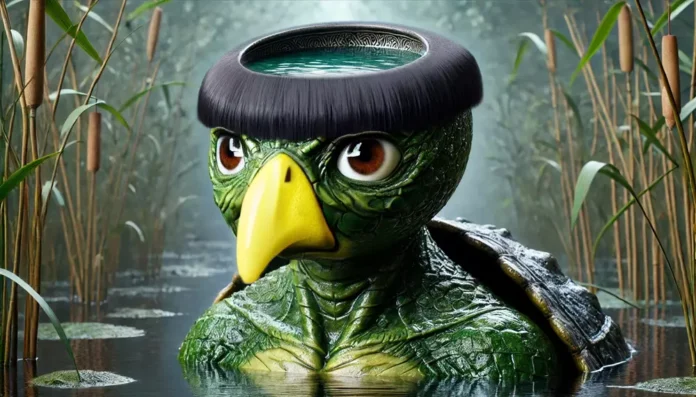
Kappa - Japanese folklore
Japan

Kappa

a Japanese river imp known for its mischief and deadly tricks. Recognizable by its turtle-like shell, webbed limbs, and...
  • Skills
StrengthTrickery
  • Weaknesses
Dry Land HarmHeatwave Harm
Africa
Aquatic Hybrid
Mamlambo - Zulu folklore
Zulu

Mamlambo

Mamlambo is a South African water serpent believed to lure victims with its glowing charm.

  • Skills
Element ControlWater Breathing
  • Weaknesses
Element SensitivitiesFire Vulnerable
Greece
Aquatic Hybrid
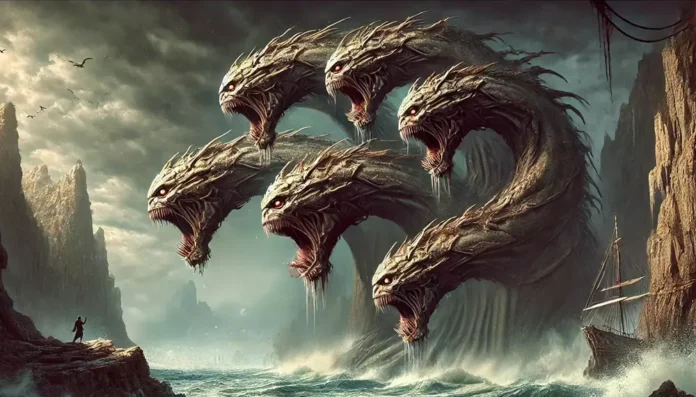
Scylla - a six-headed monster, devoured sailors
Greece

Scylla

Scylla, the multi-headed sea monster of Greek mythology, terrorized sailors with her deadly jaws, symbolizing unavoidable perils of the...

  • Skills
Fear InducementMental Powers
  • Weaknesses
BeheadingPhysical Limits

Aquatic Hybrid – an Overview

Aquatic Hybrids are mythological beings combining characteristics of both aquatic animals and other entities, often reflecting a deep connection to water. These hybrids function within various cultural mythologies as symbols of duality and transformation. They frequently bridge the gap between terrestrial and aquatic realms, embodying the fluidity and adaptability of water. Their classification relies on their unique combination of features, integrating distinct biological or supernatural aspects, often signifying balance or complexity in their respective worldviews.

Defining Characteristics

Physical Form and Morphology

Aquatic Hybrids typically exhibit bodily traits blending marine and terrestrial forms, such as fins, scales, or webbed appendages. These features signify their dual nature, allowing them to traverse both land and sea. The morphological diversity within this category reflects varied cultural interpretations of the hybrid form. Often, these physical attributes are exaggerated to emphasize their mythological significance, showcasing the interplay between familiar and fantastical elements.

Ontological Nature

Beings classified as Aquatic Hybrids often possess a hybrid ontological status, existing between natural and supernatural realms. Their origins may be considered cosmic or spiritual, representing creation myths or divine interventions. Such entities frequently embody the liminal space between worlds, serving as intermediaries in mythological narratives. This dual ontology underscores their role in bridging diverse cosmological domains, often enhancing their narrative importance.

Mythological Role and Function

Place in Mythological Systems

Aquatic Hybrids hold pivotal positions within mythological systems, often symbolizing transformation, adaptation, or the inherent duality in nature. They may serve as guardians of sacred waters or custodians of esoteric knowledge, reflecting cultural values. These hybrids often illustrate the interconnectedness of natural elements, emphasizing the fluid boundaries between distinct cosmological realms. Their roles frequently underscore the intricate balance among elements, embodying the harmony between opposing forces.

Perception and Meaning

Culturally, Aquatic Hybrids are perceived variably, seen as either benevolent protectors or ominous harbingers. As guardians, they are revered and respected, often depicted as wise and ancient. Conversely, as omens, they might signify impending change or danger. These varied perceptions highlight their symbolic role in expressing cultural narratives about uncertainty and transformation. They often embody liminality, challenging perceptions of identity and stability.

Distinction from Related Beast Types

Classification Boundaries

Aquatic Hybrids are distinct from other beast types, such as elemental or spirit entities, due to their blended corporeal and supernatural traits. Unlike purely elemental beings, they possess tangible physical forms, bridging natural elements. This dual nature sets them apart from spirit or undead classifications, which focus primarily on non-corporeal existence. Their classification relies on their ability to embody multiple domains simultaneously, which is unique among mythological entities.

Common Sources of Confusion

Confusion often arises when distinguishing Aquatic Hybrids from other hybrid or monster categories, such as merfolk or sea monsters. Scholars differentiate these by examining the specific cultural roles and dualities inherent to each. While sea monsters might embody chaos, Aquatic Hybrids underline balance. Misinterpretations frequently occur due to overlapping physical traits, necessitating careful analysis of cultural contexts and underlying mythological themes.

Canonical Beasts Associated with This Beast Type

Mermaids

Mermaids, appearing in folklore worldwide, epitomize the Aquatic Hybrid. With human upper bodies and fish-like tails, they depict the unity of the human and aquatic realms. Their presence in myths often represents transformation and allure.

Ningyo

In Japanese mythology, Ningyo are hybrid entities combining human and fish characteristics. They are often seen as omens, foretelling misfortune if captured. This reflects their role as messengers between realms, embodying both beauty and foreboding.

Kapre

The Kapre of Philippine folklore is another example, embodying a giant, human-like figure with a connection to water. Known to dwell in riverine environments, they emphasize the protective and mystical qualities typical of Aquatic Hybrids.

Historical Distribution and Cultural Context

Aquatic Hybrids appear in various cultures, including Greek, Japanese, and Polynesian, reflecting a broad historical distribution. Their presence often correlates with societies reliant on water sources, highlighting water’s integral role in these mythologies. They are typically found in regions where water is a crucial aspect of life, underscoring their symbolic connection to water-based livelihoods and beliefs.

Scholarly Interpretation and Uncertainty

Variation in Definitions

The definition of Aquatic Hybrids can vary between scholars, often influenced by cultural biases and available evidence. Some interpretations emphasize physical traits, while others focus on symbolic significance. This variability underscores their complex nature. Scholars often debate the boundaries between Aquatic Hybrids and related categories, reflecting diverse academic perspectives on mythological taxonomy and classification.

Limits of Available Evidence

Despite extensive documentation, gaps exist in understanding Aquatic Hybrids due to fragmented historical records and oral traditions. No verified sources describe all aspects for every culture, leading to debates about their exact origins. This limitation necessitates careful interpretation of evidence, often resulting in multiple scholarly perspectives on their significance and classification.

Taxonomic Relevance

Aquatic Hybrids serve as a crucial classification within mythological taxonomy, capturing the complexity of entities that traverse multiple realms. Their inclusion helps organize diverse mythological systems, providing a framework for understanding hybrid forms. This classification aids in analyzing cultural expressions of transformation and duality, illustrating the interconnectedness between natural and supernatural elements. As such, they offer valuable insights into the symbolic language of mythologies across different traditions.