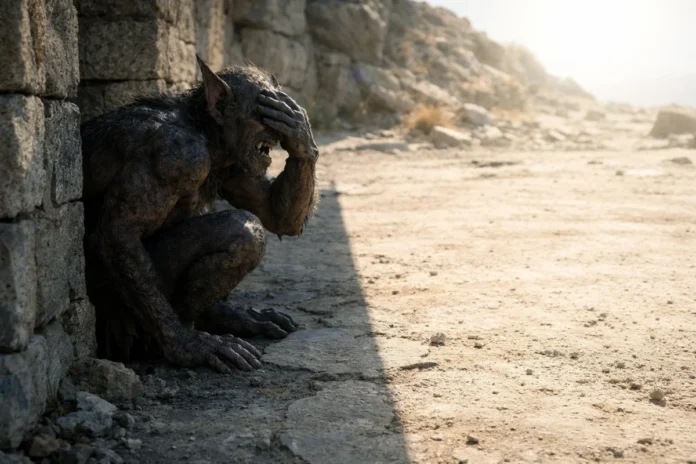
Supernatural Being
Supernatural Being incorporeal or altered-bodied presences, dwelling beyond ordinary mortality, bound to omens, thresholds, curses, blessings, and fate
Relevant Beasts
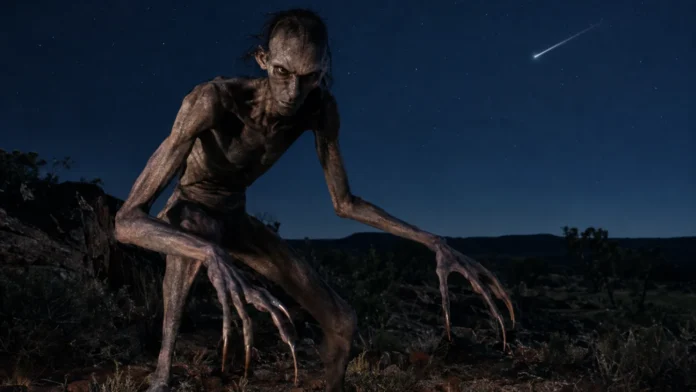
Namorrodor is a dangerous spirit associated with Arnhem Land traditions, linked to meteors and feared as a predator of...
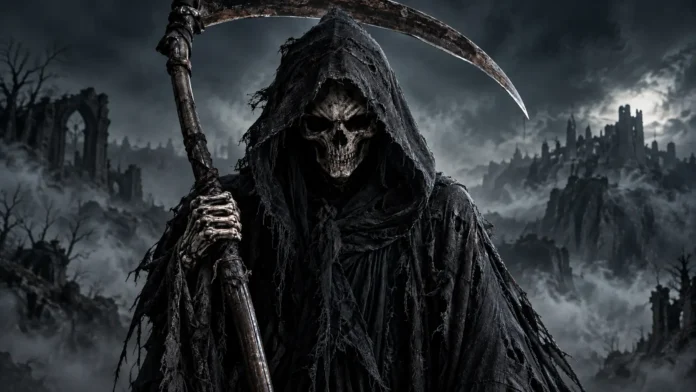
Introduction The Grim Reaper is an English-language personification of death, familiar as a skeleton wearing a long, dark cloak and...
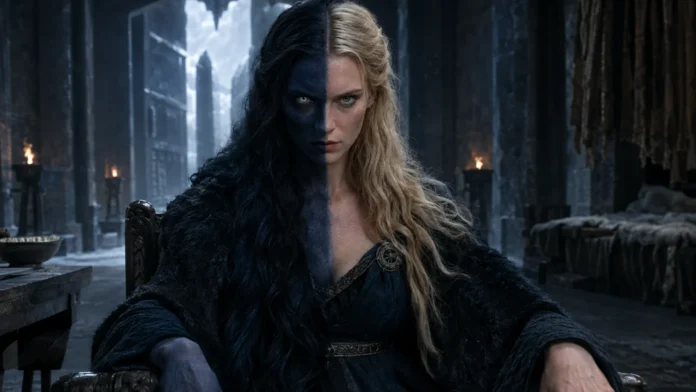
Hel, ruler of a Norse realm of the dead, described as half black & half flesh-coloured, keeps Baldr after...
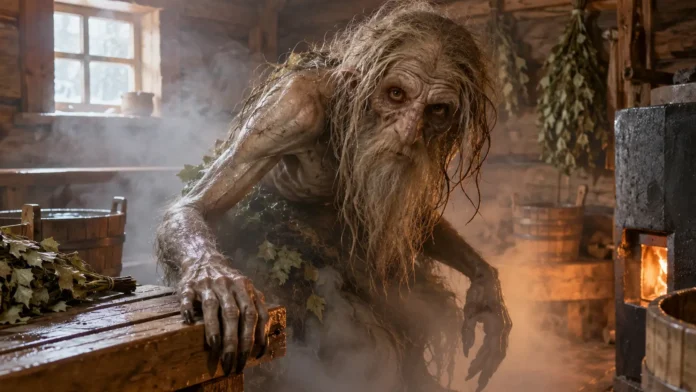
IntroductionThe bannik is a spirit associated with the traditional East Slavic bathhouse, especially the Russian banya. Folklore usually presents...
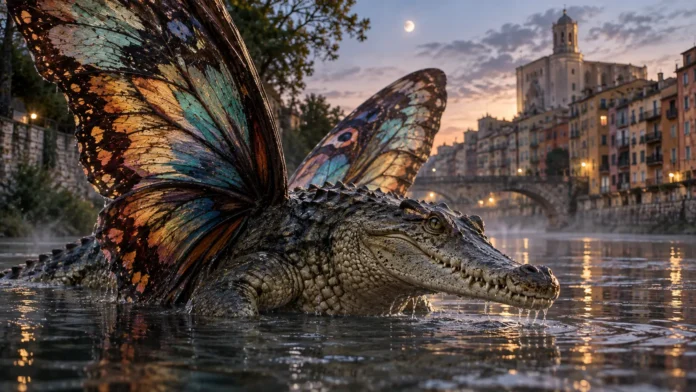
Cocollona, a creature from Catalan folklore, is known as a nun cursed into a dragon-like being. It resides in...
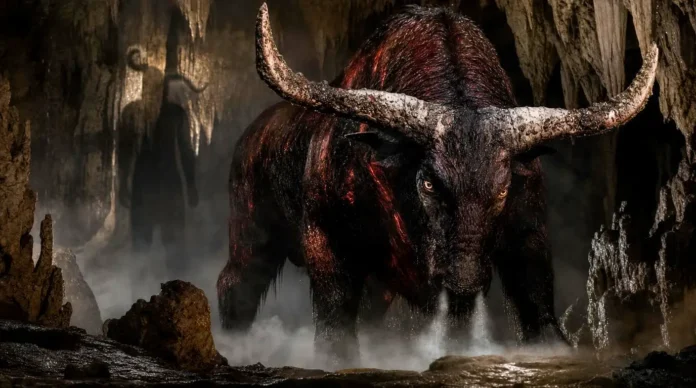
Aatxe is a protective bull spirit from Basque mythology, active in Medieval Europe and known as a supernatural being...
Sub Categories
Abyssal Guardian
Abyssal Guardian is a mythological beast type often associated with the protection and control of deep, inaccessible realms. These creatures typically embody darkness, mystery, and formidable power.
Symbolically, Abyssal Guardian represents the unknown and the boundary between worlds. In narratives, they serve as formidable obstacles or allies, guarding secrets and maintaining cosmic balance.
Astral Keeper
The Astral Keeper is a celestial being that watches over the astral plane, ensuring that travelers do not disturb the delicate balance of this ethereal realm. It can navigate the astral sea, guiding souls and warding off intruders. The keeper has a form that shifts like the stars, appearing as a constellation that changes with the seasons. It is revered as a protector of dreams and astral projections.
Celestial Being
Celestial Beings are mythological entities often associated with the heavens, embodying divine or cosmic aspects. They typically possess ethereal qualities, symbolizing purity, light, and transcendence beyond the mortal realm.
Narratively, Celestial Beings serve as messengers, protectors, or judges, influencing human fate and destiny. Their presence signifies divine intervention, guidance, or cosmic order within mythological frameworks, reinforcing moral and spiritual themes.
Celestial Warden
Celestial Warden is a comparative taxonomy label for mythic beasts portrayed as guardians associated with the heavens, celestial realms, or sacred cosmic boundaries in particular traditions.
Within traditions that use this motif, such beasts may signify protection, order, or sanctioned passage, serving narratives as sentinels who guard thresholds or accompany divine authority.
Cosmic Wanderer
Cosmic Wanderer denotes a class of mythological beings that traverse vast celestial spaces, crossing stars, voids, and boundaries between worlds, embodying movement, transition, and enduring presence beyond ordinary spatial limits.
Shared symbolism of the Cosmic Wanderer centers on exploration, destiny, and estrangement, often mediating between cosmic order and chaos, revealing hidden knowledge, testing travelers, or marking turning points in mythic journeys.
Cursed Being
Cursed Being typically embodies a transformation resulting from a curse, often reflecting themes of punishment or moral transgression. These transformations can alter physical appearance and behavior, emphasizing their outcast status.
Symbolically, Cursed Being often represents the consequences of breaking societal or divine laws. Narratively, they serve as cautionary tales, illustrating the repercussions of hubris or misdeeds, ultimately offering lessons in humility.
Death Messenger
Death Messenger typically signifies a link between the mortal realm and the afterlife, often depicted as heralds of death. They are commonly associated with omens, guiding souls or announcing impending demise.
Symbolically, Death Messenger embodies transition and inevitability, often invoking fear or reverence. In narratives, they serve as reminders of mortality, facilitating journeys or delivering messages from the beyond.
Demonic Form
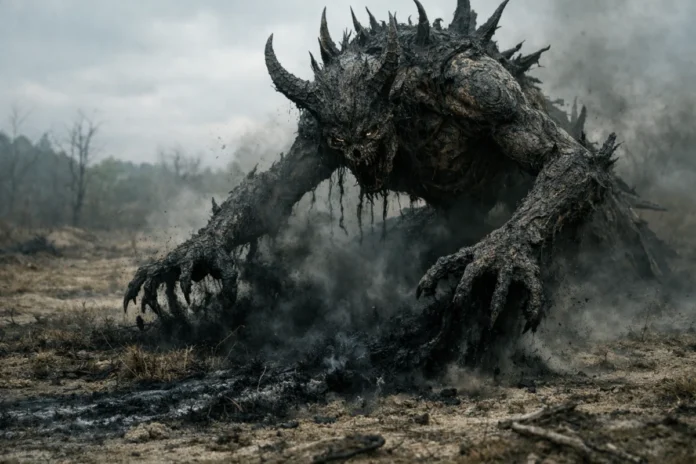
Demonic Form typically exhibits features like horns, wings, or claws, embodying chaos and malevolence. These forms often symbolize moral corruption, embodying humanity's fears and darker instincts.
In mythological narratives, Demonic Form usually serves as an antagonist, challenging heroes or divine forces. These entities highlight themes of temptation, power struggles, and the battle between good and evil.
Devil's Hound
Devil's Hound is typically portrayed as a large, menacing canine linked to infernal realms, characterized by unnatural strength, ominous presence, and heightened senses that transcend ordinary physical and spiritual boundaries. These creatures often appear near thresholds, crossroads, or burial places, visually marked by intense eyes, dark or fire-touched fur, and an aura suggesting proximity to punishment, judgment, or forbidden knowledge.
Symbolically, Devil's Hound embodies pursuit, retribution, and the inescapability of moral consequence, frequently serving as an agent or sentinel of underworld powers rather than an independent antagonist. In narratives, Devil's Hound commonly enforces supernatural contracts, guards liminal spaces, and accompanies soul-collecting journeys, reinforcing themes of fate, transgression, and the dangerous cost of engaging with hidden or forbidden forces.
Divine Messenger
Divine Messenger denotes a class of mythological beings that bridge mortal and transcendent realms, conveying decrees, warnings, or guidance. They typically possess heightened perception, swift movement, and recognizable signs marking their intermediary status.
Symbolically, the Divine Messenger embodies communication, order, and cosmic connectivity, clarifying divine will while preserving distance from ultimate authority. Narratively, such figures catalyze turning points, legitimize rulers, resolve disputes, and transmit sacred knowledge.
Doom Walker
Doom Walker is a descriptive category for mythic figures associated with approaching catastrophe, rather than a consistently attested creature type shared across distinct traditions.
Such figures may signal danger through their arrival or movement; their symbolic meaning and narrative function can include foreshadowing upheaval, intensifying uncertainty, or marking a boundary between ordinary life and crisis.
Dream Harbinger
Dream Harbinger describes a beast type associated with dreams and forewarning. Its defining traits are nocturnal presence, symbolic communication, and a perceived link between sleep and coming events.
As a taxonomy label, Dream Harbinger can represent anticipation of change, uncertainty, or danger. In narratives, such beings signal approaching events, prompt interpretation, and connect inner experience with external developments.
Eldritch Fiend
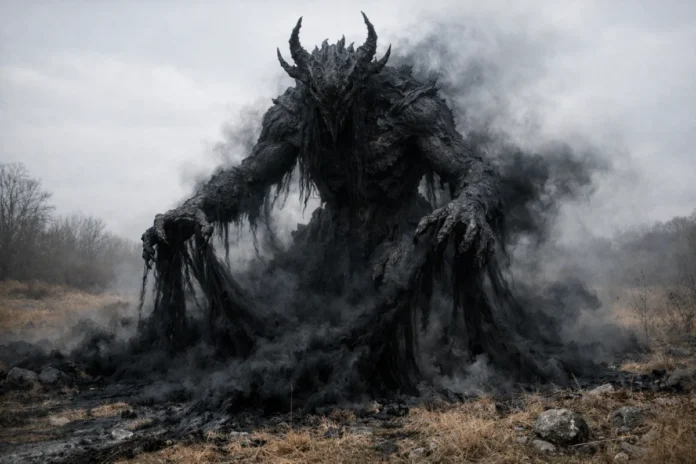
An Eldritch Fiend is typically portrayed as an otherworldly, sanity-fraying presence, defined by incomprehensible anatomy, unnatural motions, and an aura of cognitive dissonance that resists stable description or familiar classification. Such entities often originate from inaccessible dimensions, primordial abysses, or liminal spaces, emphasizing estrangement from ordinary cosmology and undermining assumptions about natural law, perception, and bodily integrity.
Symbolically, an Eldritch Fiend embodies radical unknowability, existential dread, and the collapse of human-centered meaning, challenging confidence in rational order, moral categories, and sensory reliability. Narratively, these beings function as catalysts of psychological disintegration, cosmic revelation, or catastrophic imbalance, forcing characters and communities to confront overwhelming scale, indifference, and the limits of language, memory, and metaphysical security.
Eternal Watcher
Eternal Watchers are mythic guardians portrayed as enduring, vigilant creatures, often assigned to thresholds, sacred places, or vulnerable domains. Their defining trait is sustained observation rather than aggression.
The Eternal Watcher can symbolize protection, vigilance, and continuity, while narratively testing access, warning of danger, or preserving boundaries between ordinary and sacred worlds in stories.
Ethereal Being
Ethereal Being is often characterized by its intangible and otherworldly nature, frequently depicted as translucent or ghostly. These beings typically transcend physical form, embodying elements like air or spirit.
Symbolically, Ethereal Being represents concepts such as transition, mystery, and the boundary between worlds. In narratives, they serve as guides or messengers, bridging the mortal and divine realms with their ethereal presence.
Guardian Spirit
Guardian Spirit typically embodies protective qualities and serves as a guide or overseer. Often associated with specific locations or individuals, these entities provide safety and wisdom within mythological narratives.
Symbolically, Guardian Spirit represents vigilance and benevolence, often acting as intermediaries between the divine and mortal realms. Their presence underscores themes of loyalty and guardianship in various cultural traditions.
Infernal Seeker
Infernal Seeker is a comparative label for underworld-associated pursuers in mythic narratives; its defining pattern is pursuit, tracking, or retrieval connected with infernal domains and boundaries.
Symbolically, Infernal Seeker can suggest the persistence of consequence, death, or obligation; narratively, such figures may enforce boundaries between the living world and underworld within particular stories.
Inferno Keeper
Inferno Keeper denotes a class of mythological guardians linked to destructive fire, volcanic depths, or punitive underworld flames. They embody controlled devastation, restraining overwhelming heat while threatening transgressors with annihilating judgment.
Across traditions, an Inferno Keeper symbolizes boundary enforcement, moral consequence, and transformative purification. Narratives often position them at thresholds, regulating passage, testing resolve, and ensuring cosmic order by balancing creative warmth against catastrophic combustion.
Jinn
Jinn are supernatural beings in Middle Eastern mythology, often characterized by their ability to shape-shift and possess immense power. They are typically invisible but can assume various forms.
Symbolically, Jinn represent both chaos and wisdom, embodying dualities in human nature. They often serve as intermediaries between worlds, influencing human fate and interacting with deities or mortals.
Magical Djinn
Magical Djinn are supernatural beings in Islamic and related folklore, often described as made of smokeless fire and capable of independent thought and action.
They often embody the uncertainty of the unseen and the consequences of human encounters with nonhuman agency; narratives use them as helpers, adversaries, or agents of choice.
Malevolent Spirit
In mythological traditions, Malevolent Spirit refers to a supernatural presence regarded as hostile, disruptive, or harmful, whose form and powers vary across cultural contexts and narratives.
Such spirits can embody fears of illness, death, social disorder, or violated boundaries. In narratives, they often threaten communities, test judgment, or explain misfortune without implying a shared doctrine.
Nightmare Stalker
Nightmare Stalker denotes a class of predatory beings linked to sleep disturbance, nocturnal intrusion, and psychological torment. They typically manifest in liminal spaces between waking and dreaming, exploiting vulnerability, fear, and disorientation.
Across traditions, Nightmare Stalker figures symbolize unresolved anxiety, moral transgression, or spiritual imbalance. Narratively, they enforce boundaries, test resilience, and catalyze transformation by confronting individuals with internal shadows made externally threatening.
Phantom Sentinel
Phantom Sentinel describes a recurring narrative figure: an incorporeal or spectral guardian associated with thresholds, protected places, or boundaries, whose presence signals vigilance and restricted passage.
Its symbolic associations may include memory, warning, unresolved obligation, and protection beyond ordinary life. In stories, it guards thresholds, warns entrants, or marks transitions between worlds.
Shadow Wraith
Shadow Wraiths are typically depicted as ethereal beings, often shrouded in darkness or mist. They are characterized by their elusive forms and ability to move silently through shadows.
Symbolically, Shadow Wraiths often represent death, fear, or the unknown. In narratives, they serve as harbingers of doom or guardians of hidden secrets, adding tension and mystery.
Spirit Bringer
Spirit Bringer is a mythological beast type often associated with guiding souls or conveying spiritual messages across realms. These entities typically embody transitional phases in life and death.
Symbolically, Spirit Bringer represents transformation, passage, and connection between worlds. They often play crucial roles in narratives involving journeys, providing protection or insight during pivotal moments.
Summoned Entity
Summoned Entity typically refers to mythological beings conjured through rituals or incantations. These entities often serve as intermediaries between humans and supernatural realms, embodying specific powers or knowledge.
Symbolically, Summoned Entity may represent human desire to control or access hidden forces. Narratively, they often introduce conflict or insight, challenging characters to confront their intentions and consequences.
Void Dweller
Void Dweller refers to mythological beasts associated with the vast, unknown expanses beyond ordinary perception. They often embody themes of emptiness, mystery, and the unfathomable depths of the cosmos.
In narratives, Void Dweller typically serves as a symbol of existential dread or cosmic insignificance. Their presence challenges characters to confront the limits of human understanding and the mysteries of the universe.
Wish-Granting Entity
A Wish-Granting Entity typically appears as a powerful supernatural being that responds to spoken or unspoken desires, operating under constraints, conditions, or hidden costs. It mediates between human limitation and unreachable abundance.
Symbolically, a Wish-Granting Entity embodies temptation, justice, and unintended consequence, exposing motives behind requests. Narratively, it tests characters’ wisdom, reshapes destinies, and reveals cultural attitudes toward wealth, power, and moral responsibility.