Humanoid

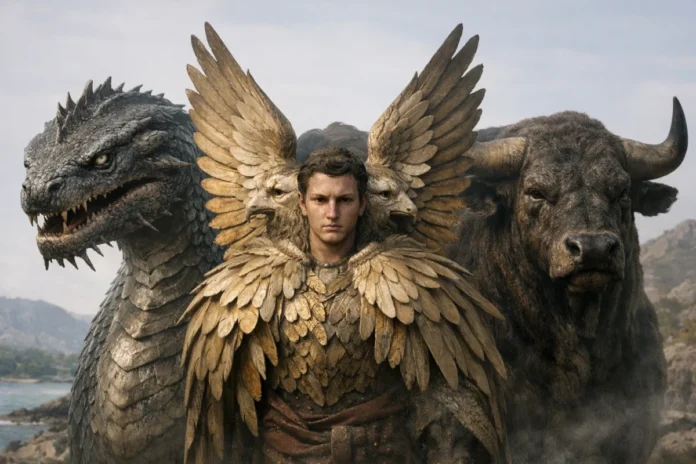
Humanoid creatures embody shared traits and roles, symbolizing diverse cultural beliefs in mythological narratives across the world.

Relevant Beasts

Denmark
Aquatic Hybrid
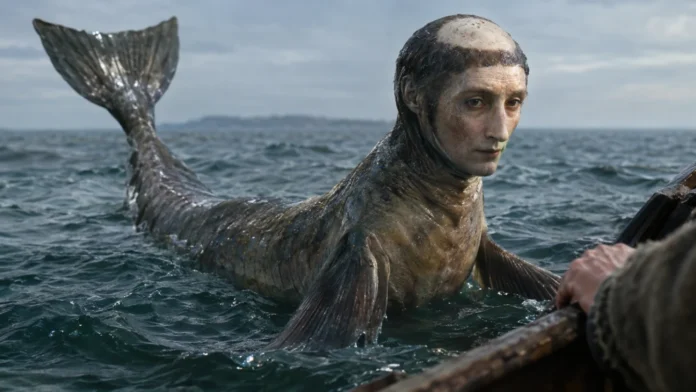
Sea Monk - Denmark folklore
Denmark

Sea Monk

Sea Monk was a 16th-century marine wonder reported in northern Europe, with a monk-like head and fishlike body. An...
  • Skills
Deception and Luring
  • Weaknesses
No Known Weakness
Bavaria
Dream Spirit
Drude - Bavaria folklore
Bavaria

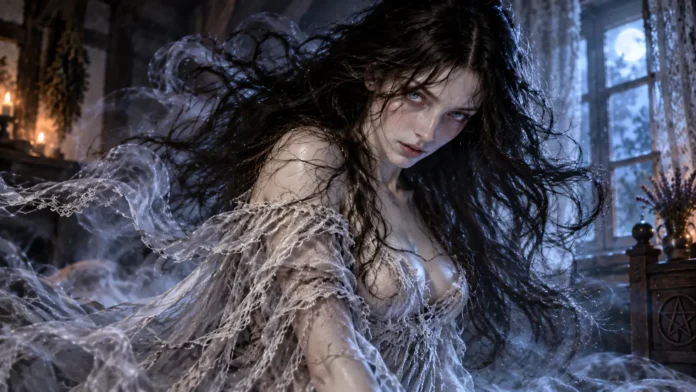
Drude

Drude is a night spirit in German-speaking folklore, associated with oppressive dreams and disturbed sleep. Regional accounts vary, describing...
  • Skills
Mental PowersNightmare Creation
  • Weaknesses
No Known Weakness
Australia
Wild Man
Yowie - Aboriginal Revival folklore
Australia

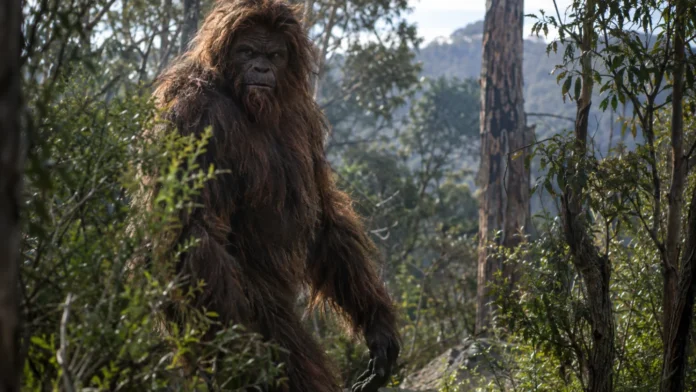
Yowie

Yowie is a large, hairy, ape-like being reported in Australian folklore and modern cryptid accounts. Stories place this hidden...
  • Skills
No Known Skills
  • Weaknesses
No Known Weakness
Britons
Witch
Morgan le Fay - Britons folklore
Britons

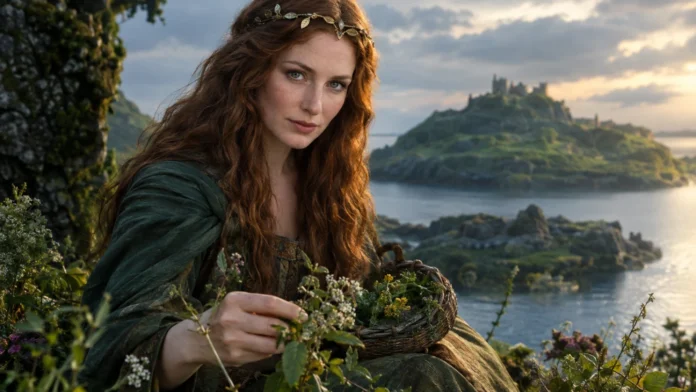
Morgan le Fay

Introduction Morgan le Fay is one of the most changeable figures in Arthurian literature. Usually represented as a woman possessing...
  • Skills
Magic & DivinitySpell Casting
  • Weaknesses
Divine RestrictionsMagic Boundaries
North America
Desert Cryptid
Borrego Sandman - USA folklore
USA

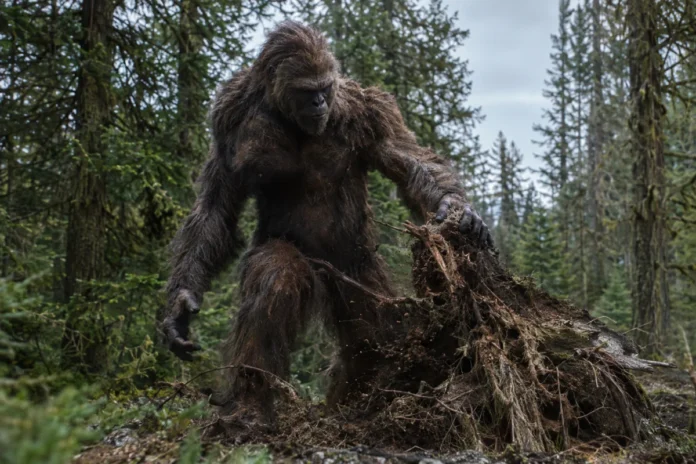
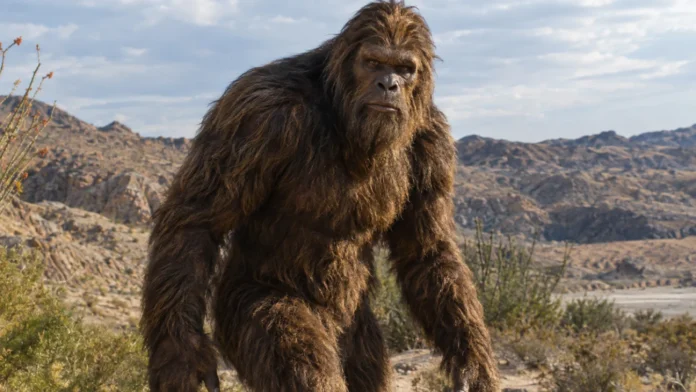
Borrego Sandman

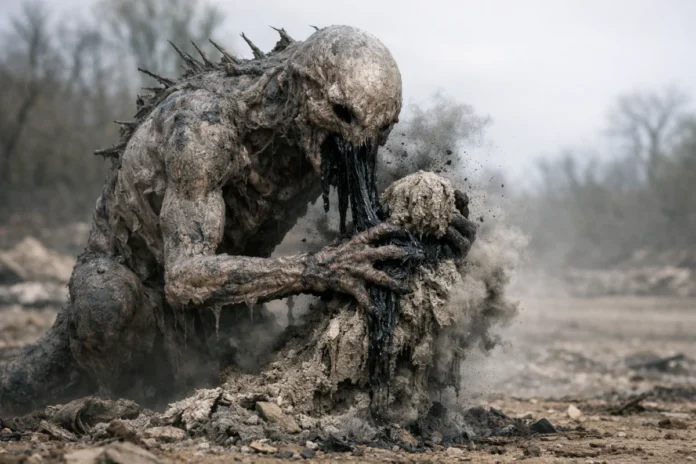
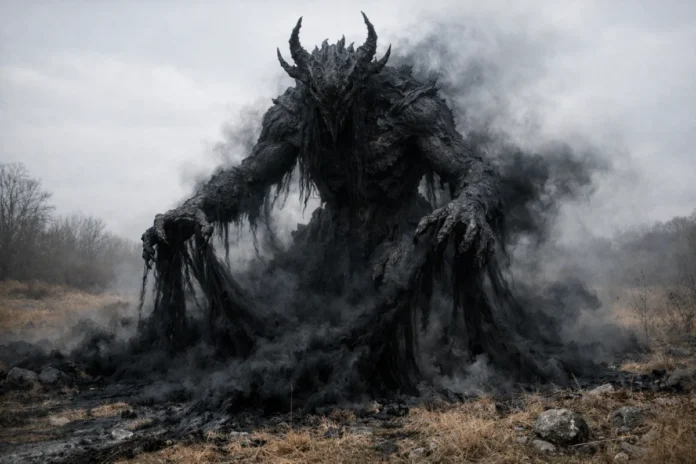
The Borrego Sandman is a Bigfoot-like figure in Southern California desert folklore, linked to mysterious tracks near Harper’s Well.
  • Skills
Camouflage
  • Weaknesses
No Known Weakness
England
Monstrous Humanoid
Black Annis - English Folklore
England

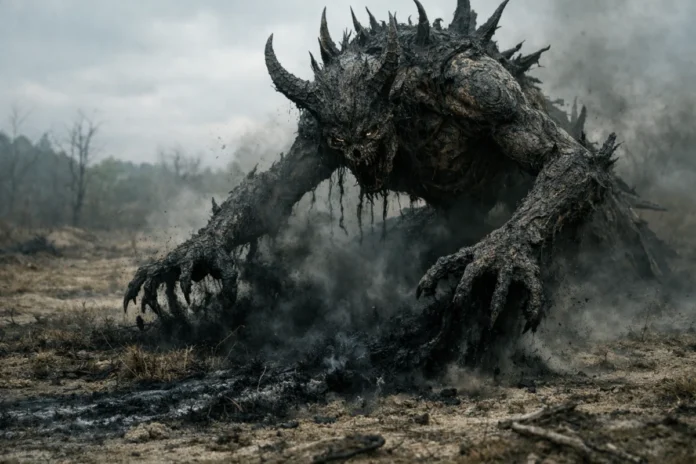
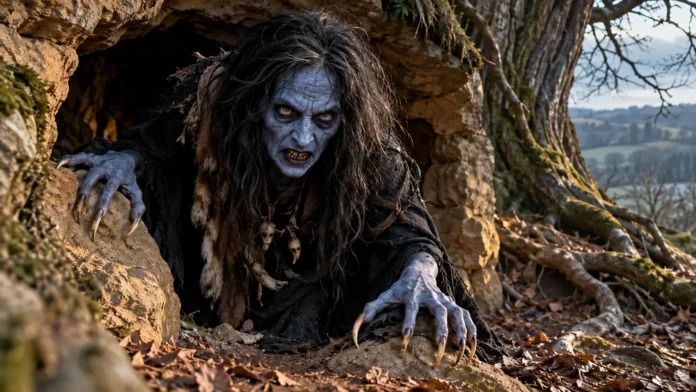
Black Annis

Black Annis is Leicestershire’s blue-faced cave hag, said to stalk the Dane Hills, seize wandering children and lambs, and...
  • Skills
Physical StrengthSurprise Attack
  • Weaknesses
Physical WeaponSacred Bell

Sub Categories

Cyclops

Cyclops refers to mythological creatures characterized by a singular eye and immense stature. These beings often embody primal strength and are linked with craftsmanship or destructive power in various traditions. Symbolically, Cyclops represents raw, untamed forces or foundational skills. In narratives, they frequently serve as formidable adversaries or powerful allies, reflecting themes of chaos or creation.

Dwarf

Dwarf figures in mythology are generally small-statured supernatural or legendary beings, though traditions vary; they may possess exceptional craft, strength, longevity, or knowledge beyond ordinary human capacities. Their stories often associate Dwarf figures with hidden wealth, skilled making, subterranean places, or boundaries between human society and the uncanny, portraying them as allies, obstacles, or independent agents.

Goblin

Goblin describes a variable class of supernatural beings in European folklore, often portrayed as small, humanoid, elusive, and associated with wild places, dwellings, or subterranean settings. Their portrayals vary by region, and they may represent mischief, danger, or uneasy relations between human communities and unseen forces. In stories, goblins disrupt routines or explain disturbances.

Human - Animal Hybrid

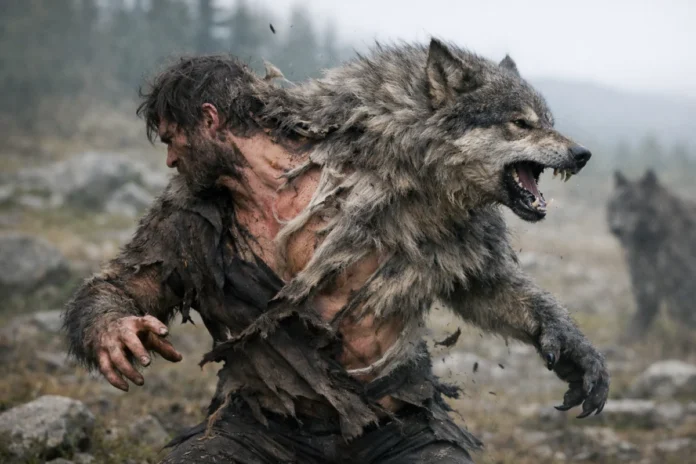
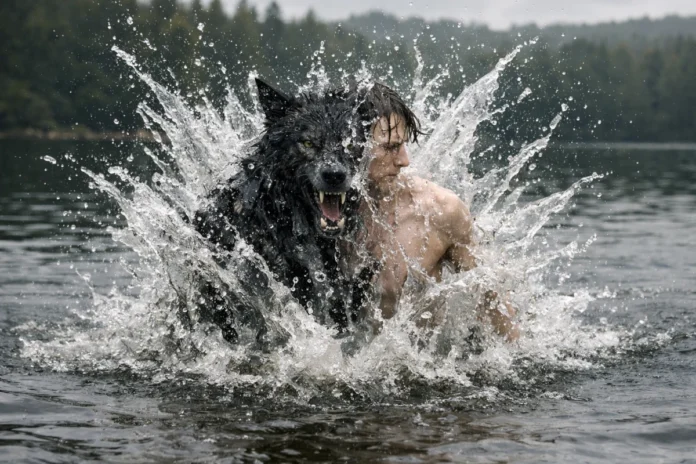
Human-Animal Hybrids are mythological beings combining human and animal traits, often embodying both physical and psychological characteristics. These hybrids commonly symbolize duality, bridging human intellect with animal instincts, reflecting complex cultural meanings. Narratively, Human-Animal Hybrids often serve as mediators between worlds, guiding or challenging heroes. They may embody moral lessons, illustrate transformation, or represent divine or supernatural intervention in mythological stories.

Magical Humanoid

Conceptual Definition Magical Humanoid refers to mythological beings with human traits and powers. Magical Humanoid beings are characterized by human-like forms combined with supernatural abilities. They often serve as intermediaries between realms, embodying both mortal and divine qualities in various mythologies. These entities frequently hold symbolic meanings, representing themes such as wisdom, protection, or transformation. Their presence in stories highlights the interaction between the mundane and the mystical, often guiding or challenging human protagonists. Narratively, Magical Humanoid figures play significant roles, often acting as mentors, adversaries, or catalysts for change. Their dual nature allows them to navigate complex mythological landscapes, influencing events in both subtle and profound ways. By embodying both human and magical attributes, they bridge the gap between worlds, facilitating the transfer of knowledge, power, or fate. Their stories emphasize the potential for growth and the consequences of wielding extraordinary abilities.

Monstrous Humanoid

Conceptual Definition Monstrous Humanoid refers to mythological beings with distorted human features. Monstrous Humanoid typically possess exaggerated or malformed human characteristics, often embodying physical deformities that evoke fear or unease. These beings are frequently depicted with misshapen limbs, distorted faces, and incongruous proportions, emphasizing their divergence from typical human form. Their unsettling appearance serves as a visual representation of chaos or moral corruption within mythological narratives. In mythological traditions, Monstrous Humanoid often symbolize societal fears or moral warnings, acting as cautionary figures. They may inhabit liminal spaces, representing the boundaries between order and disorder. Their narrative role frequently involves challenging heroes or communities, serving as obstacles that must be overcome to restore balance or achieve transformation.

Troll

Troll in Scandinavian folklore denotes a variable class of supernatural beings, often associated with remote landscapes, great size, unnatural strength, and a threatening or unfamiliar presence. These figures can embody the risks and uncertainties of the wild, while stories use them to test human courage, cleverness, and the limits of ordinary knowledge.

Wild Man

Wild Man typically denotes a humanlike figure living beyond settled society, often marked by bodily hair, an uncultivated appearance, physical strength, and limited conformity to social customs. These figures can signify wilderness, social disorder, or humanity’s boundary with nature; narratives use them to test civilization, expose cultural assumptions, or mediate encounters with the unknown.

Witch

Witch refers to a mythological beast type characterized by supernatural abilities, often linked to magic, spellcasting, and manipulation of natural or occult forces. Witches typically appear as humanlike figures with access to hidden knowledge or transformative powers. Symbolically, Witch represents liminality, subversion of natural order, and the tension between fear and fascination with the unknown. In mythological narratives, Witch commonly serves as an agent of change, challenge, or retribution, shaping destinies or testing social boundaries.