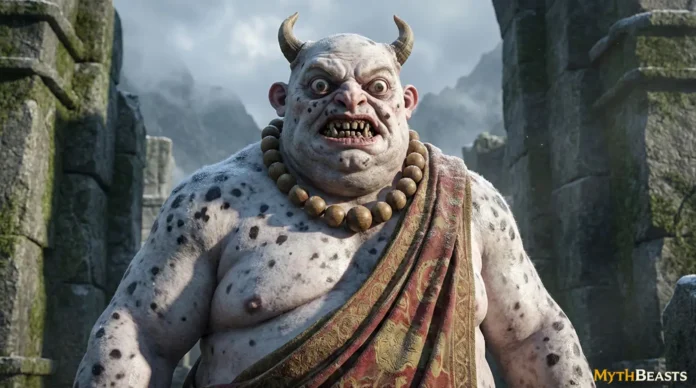
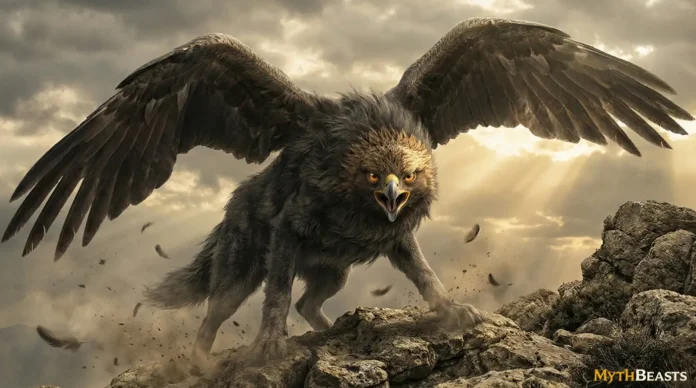
Overview of the Classical Period
“Classical” commonly identifies the ancient Greek and Roman worlds, especially from roughly the fifth century BCE through the second century CE. Boundaries vary among scholarly fields and regional histories.
This label does not describe one synchronized global era. Greek and Roman evidence anchors its mythological classification because their texts, images, and religious institutions transmitted recognizable traditions across later Mediterranean history.
Persian, Egyptian, Levantine, and other societies maintained distinct religious histories during these centuries. Their beliefs require separate contextual treatment rather than inclusion within a single supposedly uniform Classical mythology.
Myth remained culturally important because divine powers were understood to affect households, cities, landscapes, and human fortunes. Literary narratives and public images made those relationships intelligible within particular communities.
Cultural and Religious Worldviews
Dominant Belief Systems
Greek and Roman religion was generally polytheistic, recognizing numerous divine powers associated with communities, natural processes, and human activities. Local variation shaped which gods received particular attention.
Many ancient accounts treated the natural and supernatural as connected rather than mutually exclusive domains. Springs, mountains, animals, and unusual events could acquire religious significance within specific traditions.
Greek philosophical writing sometimes questioned conventional accounts of divine behavior. Such debates show intellectual diversity, not the disappearance of civic religious practice or a single shared theology.
Roman religion incorporated Greek divine identifications while retaining distinct civic and household frameworks. This adaptation altered names and interpretations, so Roman evidence cannot simply be treated as Greek belief unchanged.
Role of Myth in Daily Life
Myths supplied narratives through which communities represented divine ancestry, civic origins, and relationships with particular places. Their social force depended on local use rather than universal acceptance.
Public festivals and sacrifices formed documented parts of Greek and Roman religious life. Mythic narratives could frame these observances, although surviving evidence does not establish identical practice across communities.
Mythic episodes offered examples for discussing hospitality, kinship, authority, and transgression. Their moral implications remained open to interpretation, rather than functioning as a single standardized code.
Mythological Beasts and Supernatural Entities
Common Types of Mythical Creatures
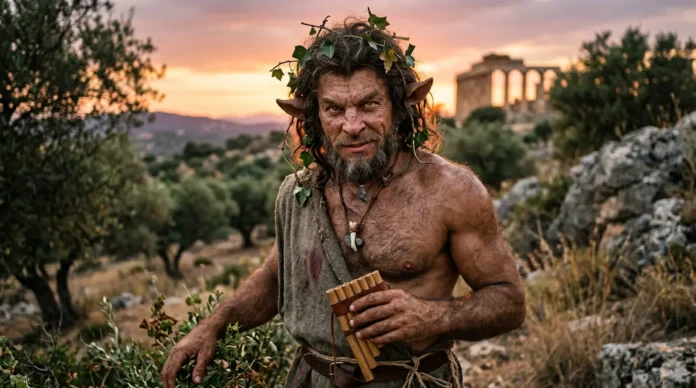
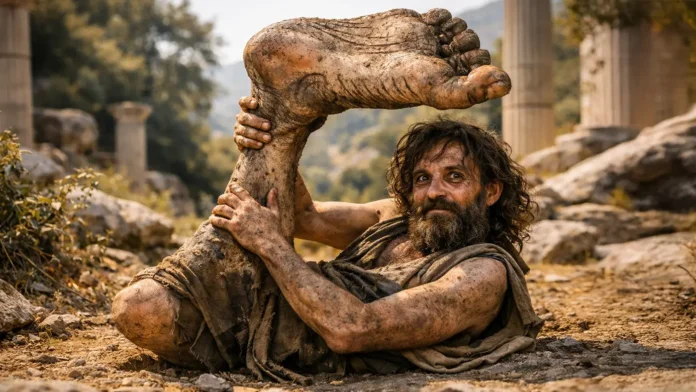
Greek sources describe composite beings combining human and animal features, including centaurs and satyrs. Their distinct narrative roles prevent treating them as interchangeable examples of one creature category.
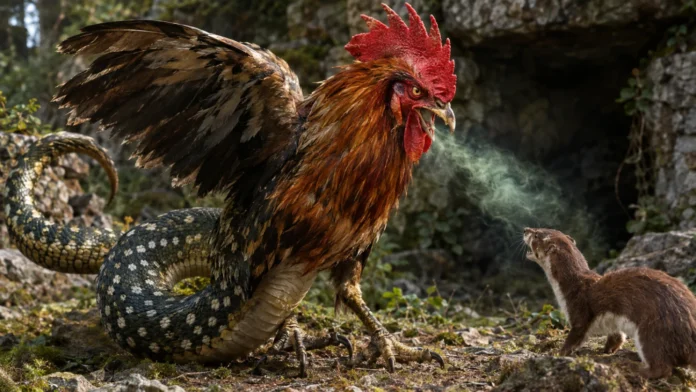
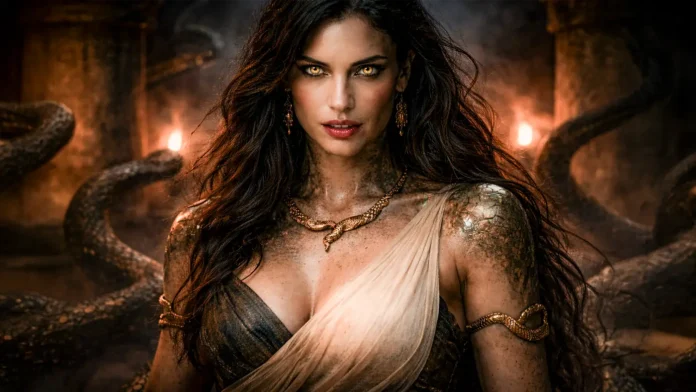
Dragons and serpentine beings appear in Greek and Roman narratives with varied associations. The terms cover different figures, so modern creature classifications can obscure ancient distinctions.
Nymphs and other nature-associated beings personified relationships with particular environments. Their identities were often local, unlike major Olympian gods represented across a wider range of literary and artistic settings.
Roman accounts also preserved household and place-associated supernatural beings. Their classification differs from spectacular monsters because their significance often concerned everyday spaces and relationships with the dead.
Symbolism and Meaning
Composite bodies could mark boundaries between human society and animal nature in Greek representation. Their meaning depended on the episode and medium, not on a fixed psychological formula.
Serpents could signify danger, protection, healing, or connections with the earth in different contexts. These associations varied, making any single universal symbolic meaning historically misleading.
Nature spirits gave narrative presence to locations regarded as inhabited or divinely charged. This interpretation is grounded in surviving traditions, although individual beliefs cannot always be reconstructed confidently.
Folklore Traditions and Storytelling
Oral and Written Transmission
Oral performance preceded many surviving written accounts of Greek myth. Epic poetry preserved and reshaped inherited material, so written versions should not be mistaken for verbatim records.
Drama, historical prose, and poetry adapted mythic subjects for different audiences and purposes. These genres provide evidence for cultural storytelling, not transparent documentation of every community’s beliefs.
Inscriptions and visual objects preserve names, dedications, and scenes absent from literary narratives. Their evidence is selective, because surviving artifacts reflect particular settings and preservation histories.
Later manuscripts transmit many Classical works through copying across centuries. This process preserved substantial material while introducing uncertainty about original wording, performance, and earlier oral variation.
Regional Variations
Greek communities developed local cults and versions of shared divine narratives. A familiar god could hold different civic associations, demonstrating variation within Greek religious life.
Roman mythic presentation emphasized Rome’s origins and civic identity more strongly than many surviving Greek narrative contexts. This difference reflects distinct cultural priorities, not a simple opposition.
Egyptian traditions continued to represent gods through distinctive local forms during Classical centuries. Their animal imagery belongs to Egyptian religious histories and should not be collapsed into Greek monster categories.
Contact between Mediterranean societies encouraged translation and reinterpretation of divine figures. Similar imagery alone does not prove identical beliefs, especially where local names and functions remain distinct.
Relationship Between Humans and the Mythical World
Fear, Protection, and Reverence
Mythic beings could threaten travelers or communities in narrative settings. Their danger articulated vulnerability to unfamiliar landscapes, though evidence does not establish one common response.
Some supernatural figures were associated with protection in particular cultic or household contexts. Such roles differ from monstrous opposition and must be assessed through specific evidence.
Divine messengers and prophetic figures connected human affairs with divine intention in selected narratives. Their presence does not demonstrate that every unusual event was interpreted as communication.
Influence on Art and Material Culture
Greek pottery frequently depicts mythic encounters, making vessels important evidence for visual storytelling. Images could select or alter episodes rather than simply illustrate one canonical text.
Sculptural and architectural programs placed divine and monstrous figures within civic or religious settings. Their location shaped public meaning, although the interpretation of individual monuments can remain uncertain.
Roman mosaics and domestic decoration adapted mythic subjects for household environments. These images document elite and regional choices more directly than beliefs shared by every social group.
Transition and Legacy of the Classical Period
Greek and Roman myths continued through changing political and religious circumstances in late antiquity. Their transmission involved reinterpretation, rather than an abrupt disappearance at a fixed chronological boundary.
Christian authors sometimes criticized or recast pagan narratives, while Classical literature remained available through education and manuscript copying. These processes varied by place and historical period.
Medieval European storytelling inherited selected Classical figures through literature and learned traditions. Later adaptations changed their meanings, so continuity does not imply unchanged belief.
Classical creature names and images entered modern scholarship and popular culture through subsequent reception. Such later forms belong to reception history, not direct evidence for ancient religious practice.
Historical Reliability and Interpretation
Surviving sources reflect authors, patrons, and communities with particular interests. They cannot establish how consistently ordinary people understood every mythic being or narrative.
Literary accounts may combine inherited tradition with artistic composition. Historians therefore distinguish evidence for storytelling conventions from proof that audiences accepted each episode literally.
Archaeological images establish the circulation of motifs, not necessarily a uniform doctrine. Inscriptions can clarify local dedication, but silence elsewhere does not prove absence of belief.
Ancient categories do not always match modern terms such as folklore or monster. Responsible classification preserves historical distinctions and identifies uncertainty where evidence cannot support a firmer conclusion.