Mythical Animal

Mythical Animal: Creatures defined by shared traits and symbolic roles in mythological tales, embodying cultural beliefs and narratives.

Relevant Beasts

Australia
Mythical Serpent
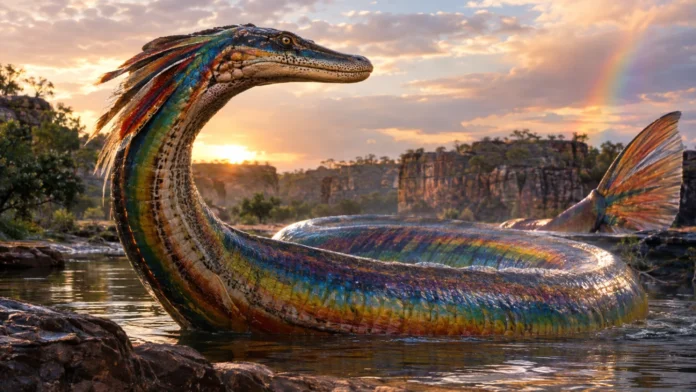
Rainbow Serpent - Australia & Islands folklore
Australia

Rainbow Serpent

Rainbow Serpent is a powerful creator being in many Aboriginal Australian traditions, associated with water, rainbows and fertility. Stories...
  • Skills
Element ControlNature Manipulation
  • Weaknesses
No Known Weakness
Europe
Legendary Feline
Pard - Europe folklore
Greece

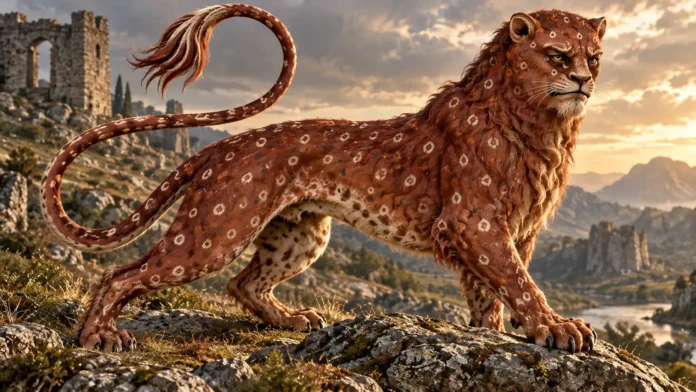
Pard

Pard is a swift, fierce feline beast in classical animal lore and medieval bestiaries, often associated with the panther...
  • Skills
Physical StrengthSpeed
  • Weaknesses
Arab
Legendary Horse
Al-Buraq - Islamic folklore
Arab

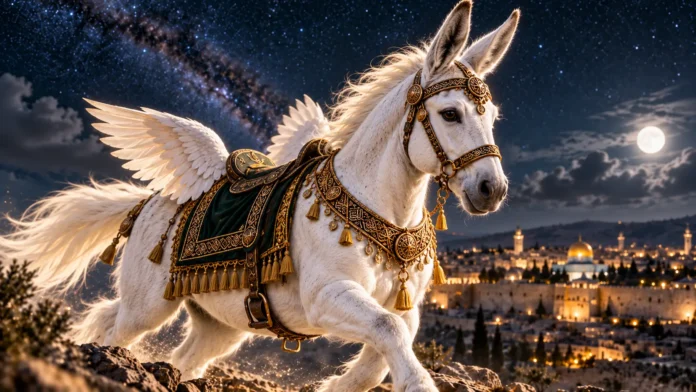
Al-Buraq

Al-Buraq is the white mount brought by Gabriel for Muhammad’s Night Journey from Mecca to Jerusalem; it is larger...
  • Skills
Physical StrengthSpeed
  • Weaknesses
No Known Weakness
Asia
Guardian Animal
Tianlu - Chinese folklore
China

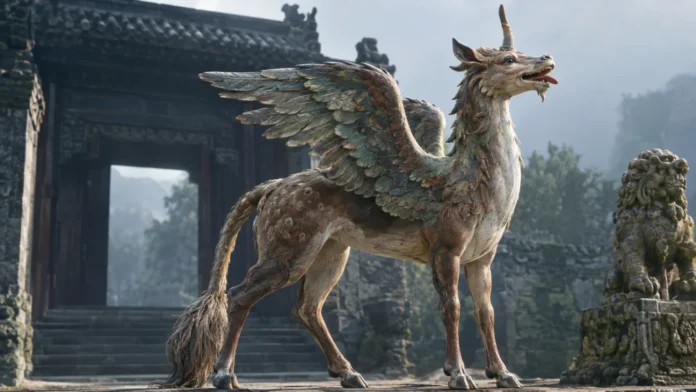
Tianlu

Introduction Tianlu is an auspicious creature in Chinese tradition, associated with deer-like supernatural animals and horned guardian beasts. Its name...
  • Skills
Beast SummoningControl & Summoning
  • Weaknesses
Africa
Trickster Beast
Kadimba - Hambukushu folklore
Hambukushu

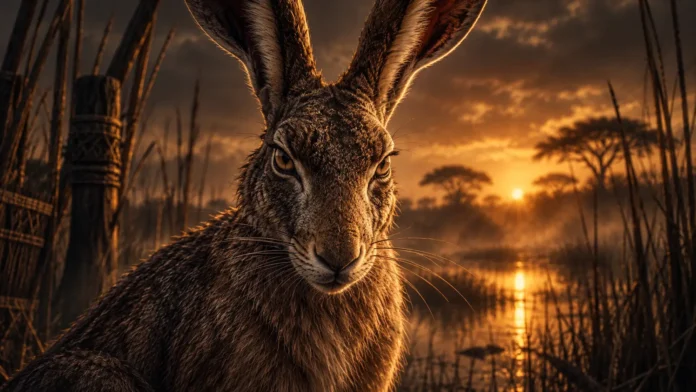
Kadimba

Kadimba, the hare trickster in Hambukushu folklore who uses cleverness and deception to outwit stronger opponents Mythology and folklore...
  • Skills
CunningWisdom
  • Weaknesses
No Known Weakness
Africa
Desert Cryptid
Ennedi Tiger - Mongolian folklore
Chad

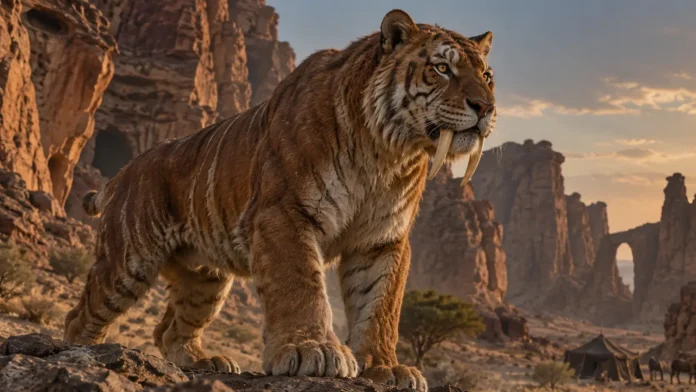
Ennedi Tiger

The Ennedi Tiger is a reported Central African feline featured in cryptid accounts and sometimes linked to surviving saber-toothed...

  • Skills
CamouflageIllusions & Perception
  • Weaknesses
No Known Weakness

Sub Categories

Desert Cryptid

Desert Cryptid typically embodies elusive and mysterious traits, often associated with the harsh, arid environments they inhabit. These creatures are frequently depicted as possessing abilities to adapt and survive amid extreme conditions. Symbolically, Desert Cryptid represents endurance and the unknown, often serving as guardians or omens in narratives. Their presence in stories emphasizes themes of survival, wisdom, and the enigmatic nature of desert landscapes.

Firebird

Firebird commonly describes a radiant, birdlike supernatural creature associated with flame, brilliant plumage, or light. Accounts vary, but its defining image joins avian form with extraordinary luminosity. Symbolically, Firebird may signify wonder, elusive fortune, renewal, or dangerous desire; in narratives, its appearance often prompts pursuit, tests judgment, and redirects a protagonist’s course.

Forest Guardian

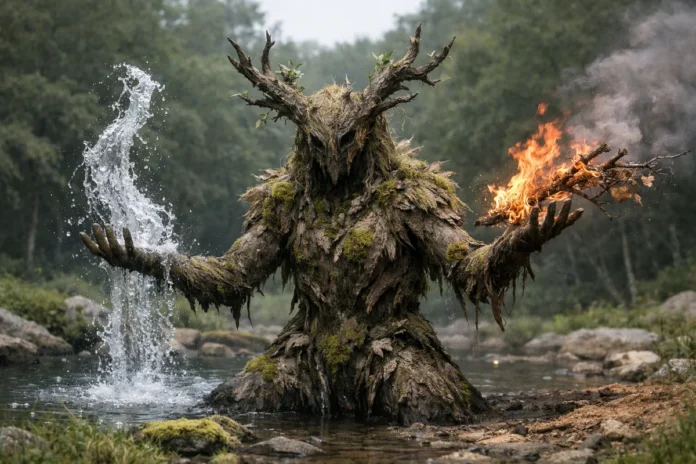
Forest Guardian typically embodies the protective spirit of wooded areas, often depicted with features blending animal and natural elements. These beings symbolize the balance and harmony within forests, safeguarding against threats. Narratively, Forest Guardian serves as a mediator between nature and humanity, ensuring respect for the environment. They often appear in myths to challenge or aid those who enter their domain.

Giant Bird

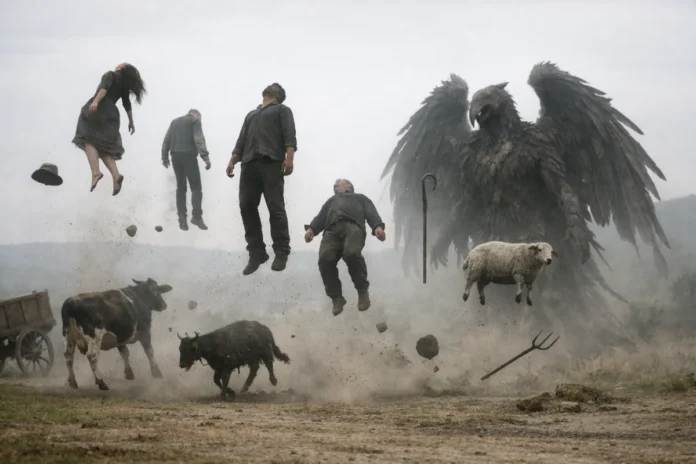
Giant Bird typically features expansive wingspans and immense size, often depicted with powerful talons and keen vision. These creatures are usually portrayed as guardians or omens in various mythologies. They embody elements of the sky and air, connecting earthly and celestial realms. Symbolically, Giant Bird represents strength, freedom, and transcendence. In narratives, they often serve as protectors or harbingers, influencing events or guiding heroes. Their presence underscores themes of power and transformation, linking human and divine experiences.

Guardian Animal

Guardian Animal typically embodies protection and vigilance in mythological traditions. These creatures often serve as protectors of sacred spaces, individuals, or communities, symbolizing strength, loyalty, and guardianship. Narratively, Guardian Animal often appears in stories where they safeguard against evil or guide heroes on their journeys. They represent a bridge between the natural and spiritual worlds.

Horned Creature

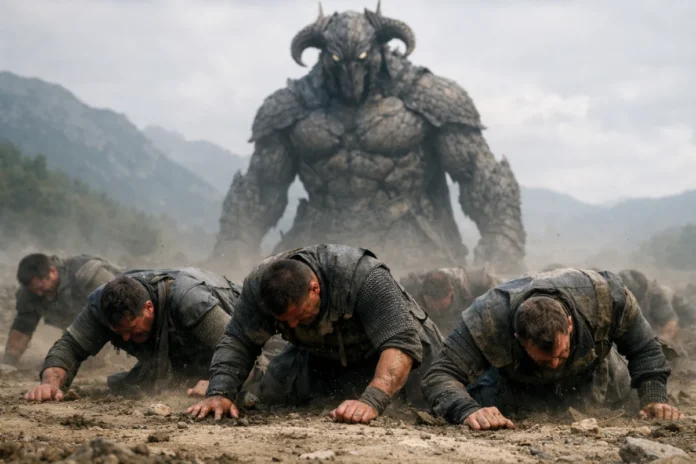
Horned Creature often features prominently in mythology, characterized by its distinctive horns or antlers. These creatures typically symbolize power, fertility, and protection within various cultural narratives and traditions. Narratively, Horned Creature frequently serves as a guardian or intermediary between worlds. Its presence often signifies transformation or a link to the divine, enhancing the mythical story's depth.

Hybrid Creature

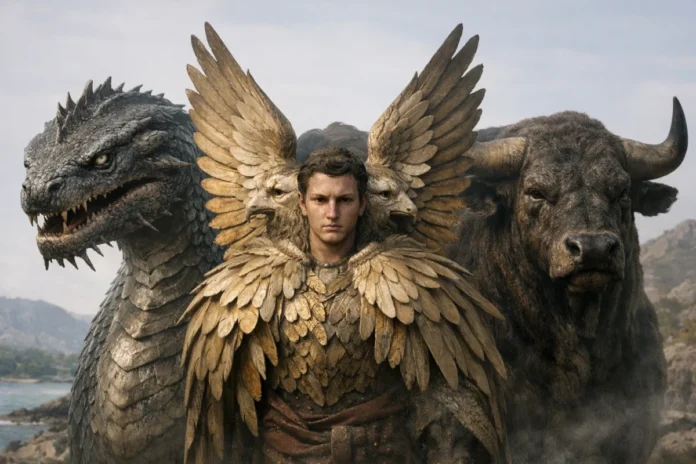
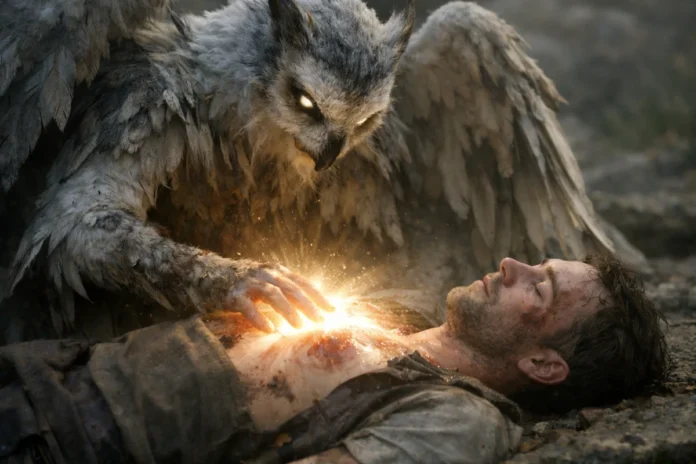
Hybrid Creature in mythology often combines physical traits from multiple animals or beings, creating a unique form. These creatures symbolize the merging of different worlds, embodying complexity and duality. Narratively, Hybrid Creature serves as a bridge between realms, challenging heroes or conveying divine messages. Their presence in stories highlights themes of transformation, adaptation, and the blending of natural and supernatural elements.

Legendary Feline

Legendary Feline describes mythological cats or catlike beings distinguished by feline anatomy, heightened presence, and exceptional abilities, though their forms and attributes vary across traditions. They may signify power, vigilance, or danger while serving as guardians, adversaries, omens, or tests within stories shaped by local beliefs and cultural contexts.

Legendary Horse

Legendary Horse often features in myths as a powerful and majestic creature, known for its speed, strength, and intelligence. It frequently serves as a loyal companion to heroes. Symbolically, Legendary Horse represents freedom, nobility, and transcendence. In narratives, it often aids in quests or battles, embodying a bridge between the mundane and the divine.

Mythical Bear

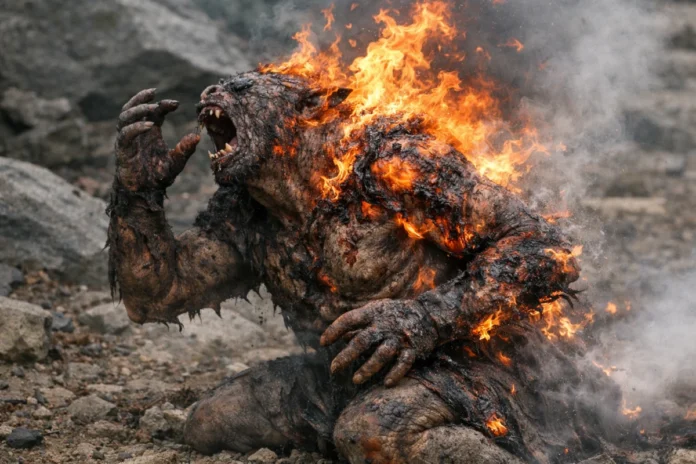
Mythical Bear describes figures that retain the bear’s physical presence while acquiring supernatural or sacred qualities. They are often portrayed as powerful, resilient, and closely connected to wilderness and human communities. Their symbolism can include strength, protection, courage, and renewal, though meanings vary by culture and story. In narratives, they serve as guardians, adversaries, ancestors, or figures whose encounters test communities.

Mythical Bird

Mythical Bird describes birdlike beings whose extraordinary size, abilities, or origins distinguish them from ordinary animals. Their forms and traits vary widely across cultures and narratives. They may signify transformation, sovereignty, renewal, danger, or connection between earthly and celestial realms. In stories, they serve as messengers, guardians, agents of change, or tests for protagonists.

Mythical Boar

Mythical Boar describes a mythological beast type characterized by formidable size, strength, tusks, and a close association with wild landscapes and challenging encounters in diverse traditions. Such figures may signify untamed nature, physical force, danger, or fertility, depending on cultural context; narratives use them as formidable adversaries, quarry, or tests of courage and skill.

Mythical Deer

Mythical Deer commonly retain recognizable cervid features while possessing unusual scale, coloration, longevity, or other marvels that distinguish them from ordinary animals in their cultural settings. Across traditions, they may signify wilderness, renewal, spiritual authority, or access to hidden realms, while serving as guides, omens, coveted quarry, or tests within narratives.

Mythical Dog

Mythical Dog often embodies loyalty and protection, serving as a guardian or companion in various mythological traditions. These creatures frequently appear in stories as guides to the afterlife or protectors of sacred spaces. Symbolically, Mythical Dog represents vigilance and fidelity, often acting as intermediaries between humans and the divine. Their presence in myths highlights themes of trust, guidance, and the balance between the known and unknown realms.

Mythical fox

The Mythical fox is a supernatural or unusually intelligent fox figure, often associated with transformation, concealment, or heightened perception; traits differ across cultures and traditions. In narratives, the Mythical fox may embody cunning, ambiguity, or boundary-crossing, serving as a guide, deceiver, or agent of change; meanings depend on cultural context.

Mythical Wolf

Mythicial Wolf often embodies traits such as strength, cunning, and loyalty in various mythologies. These creatures are frequently depicted with enhanced abilities and intelligence beyond ordinary wolves, emphasizing their supernatural nature. Symbolically, Mythicial Wolf represents duality, embodying both protection and danger. In narratives, they often serve as guides or guardians, illustrating themes of transformation, guidance, and the balance between wildness and civilization.

Omen Animal

Omen Animal describes animals interpreted within a narrative or religious tradition as signs whose appearances or behavior anticipate consequential events or communicate warnings beyond ordinary human affairs. Their meaning is culturally assigned rather than inherent; they may signal danger, change, favor, or disorder and help characters recognize uncertainty, frame decisions, or foreshadow developments in a story.

Sacred Animal

A Sacred Animal represents divine connection in mythology. Sacred Animals often embody attributes like wisdom, strength, or protection. They serve as intermediaries between humans and the divine, symbolizing spiritual power. These creatures frequently appear in myths, offering guidance or warnings. Sacred Animals are revered for their unique qualities and their role in cultural narratives.

Sentient Plant

Sentient plants are a fascinating concept found in various mythologies and folklore around the world. These plants are typically depicted as having awareness, intelligence, or the ability to communicate with humans or other creatures. Unlike ordinary plants, sentient plants may possess unique abilities, such as moving independently, influencing their environment, or offering guidance and wisdom. They often appear in stories as guardians of forests, mystical advisors, or symbols of nature's power. Their roles can vary greatly, reflecting cultural values and beliefs about the natural world.

Treasure Guardian

A treasure guardian is a mythological or legendary entity tasked with protecting a specific treasure or hoard. These guardians are often depicted as creatures, spirits, or supernatural beings with formidable abilities. They are commonly featured in myths and folklore, where they serve to deter or challenge those who seek the treasure. The nature of the treasure and the guardian varies across cultures, but the theme of protection and challenge remains consistent.

Trickster Beast

Trickster Beast describes mythological animals or animal-like beings characterized by cunning, adaptability, and resistance to ordinary expectations. They may use deception, wit, or shapeshifting, though traits vary across traditions. Symbolically, Trickster Beast can represent ambiguity, ingenuity, and the instability of boundaries between order and disorder. In narratives, such figures disrupt plans, expose weaknesses, or prompt change, serving as catalysts.

Winged Beast

Winged Beast in mythology often features creatures with the ability to fly, symbolizing freedom and transcendence. These beings typically have avian characteristics, blending animalistic and fantastical elements. Narratively, Winged Beast frequently acts as a guardian or messenger, linking realms or conveying divine will. Their presence often signifies transformation, bridging the earthly and the celestial.

Wise Beast

Wise beasts in mythology are creatures known for their intelligence, wisdom, and often their ability to speak or offer guidance. They appear in various cultural traditions, serving as advisors or protectors. These creatures are frequently depicted with attributes that symbolize knowledge, such as owls or serpents. They may also be involved in imparting secrets or guiding heroes on quests. The wise beast often embodies a balance between physical prowess and intellectual insight, making them revered figures in mythological narratives.