Legendary Horse – Overview
The Legendary Horse is a mythological beast type characterized by its extraordinary traits and significant roles across diverse cultures. These horses often transcend ordinary equine attributes, embodying supernatural qualities and serving vital functions in mythological systems. They are frequently depicted as possessing unique abilities or a connection to divine or cosmic realms, making them central figures in many folklore traditions.
This beast type is not confined to a single narrative or culture but spans various mythologies worldwide. Legendary Horses are typically portrayed as companions or mounts for gods, heroes, and other mythical figures. Their presence often symbolizes power, freedom, or a link between the earthly realm and the divine. The concept of Legendary Horses is deeply embedded in cultural storytelling, reflecting humanity’s fascination with the horse’s strength and grace.
Defining Characteristics
Physical Form and Morphology
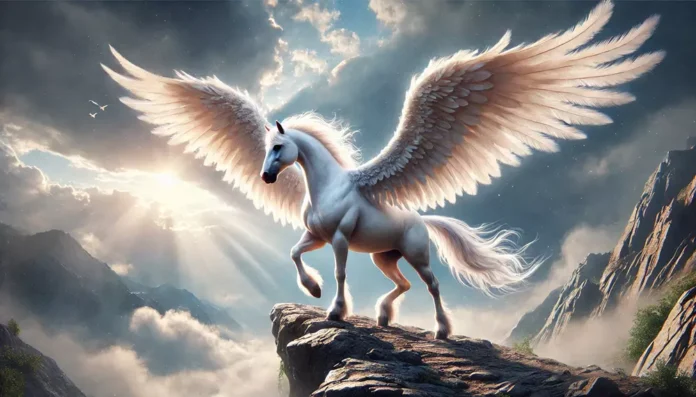
Legendary Horses are often depicted with features that distinguish them from ordinary horses, such as wings, horns, or unusual coloration. Their forms may include ethereal qualities, such as glowing manes or fiery hooves. These traits signify their mystical nature and differentiate them from mundane equines. Despite these variations, they typically retain the fundamental equine structure, allowing them to be recognized instantly as horses.
In many traditions, these horses are depicted as larger or more majestic than regular horses, emphasizing their otherworldly status. Their appearance often conveys both beauty and power, reinforcing their role as superior beings within the mythological hierarchy. These physical forms are not merely aesthetic but serve to symbolize their divine or magical connections, further solidifying their status as creatures of wonder.
Ontological Nature
Legendary Horses are often seen as liminal beings, existing between the natural and supernatural worlds. They serve as intermediaries or vehicles for travel between realms, highlighting their metaphysical significance. In some cultures, they are considered spiritual entities, endowed with consciousness and wisdom beyond that of ordinary animals. This ontological nature contributes to their revered status and explains their recurring presence in mythological narratives. This dual existence underscores their role as bridges between different spheres of existence.
These horses may also be viewed as cosmic entities, embodying celestial or elemental forces. Their portrayal as harbingers of change or guardians of sacred sites further illustrates their complex role within mythologies. This ontological nature provides a framework for understanding their significance, not just as mythical creatures but as integral components of the mythological cosmos. Their presence challenges the boundaries of the known world, serving as a reminder of the mysteries beyond human comprehension.
Mythological Role and Function
Place in Mythological Systems
Legendary Horses occupy crucial positions within mythological systems, often serving as divine steeds or companions to gods and heroes. They facilitate journeys across worlds or aid in epic quests, underscoring their importance. Their role often transcends that of mere transportation; they symbolize the bond between mortals and the divine. By enabling interaction with higher powers, they help define the moral and spiritual framework of their respective traditions.
Their presence in creation myths or apocalyptic narratives further cements their significance. In these contexts, they may act as agents of destiny, reflecting their ability to influence the course of events. This role illustrates their integral position within mythological narratives, functioning as both catalysts and participants in the unfolding of cosmic dramas. Their involvement in these overarching themes enhances their status as key mythological figures.
Perception and Meaning
In various cultures, Legendary Horses are perceived as protectors, guides, or symbols of prestige. Their connection to the divine often imbues them with qualities of nobility, courage, or wisdom. They are revered as omens of fortune or harbingers of change, reflecting their multifaceted roles in mythological thought. This perception highlights their symbolic significance, transcending their physical form to embody broader cultural values.
Such horses might also be seen as mediators between humans and the divine, facilitating communication or intervention. This mediating role underscores their importance as conduits for spiritual insight or transformation. Their portrayal as symbols of freedom or power resonates with core human aspirations, making them enduring figures in cultural narratives. This multifaceted symbolism enriches their mythological presence, allowing them to serve diverse interpretive functions.
Distinction from Related Beast Types
Conceptual Boundaries
Legendary Horses are distinct from elemental creatures, as their significance lies in their connection to deities or heroes rather than natural forces. Unlike spirits or undead entities, they maintain a primarily benevolent presence. Their equine form and mythological functions differentiate them from humanoid monsters or purely animal-based creatures. These distinctions clarify their unique position within mythological taxonomies, emphasizing their dual nature as both familiar and extraordinary.
Their embodiment of specific cultural themes also sets them apart. While elemental beings might represent raw natural power, Legendary Horses typically symbolize interaction with the divine. This distinction highlights their specialized role in mythologies, serving as more than mere symbols of natural phenomena. Such boundaries enable a clearer understanding of their unique mythological identity, reinforcing their status as distinct entities.
Common Sources of Confusion
Confusion often arises when Legendary Horses are mistaken for other supernatural equines, such as unicorns or kelpies. These entities share equine traits but differ significantly in cultural roles and symbolism. Scholars distinguish Legendary Horses by emphasizing their consistent association with divine or heroic figures. This focus on contextual roles and functions helps clarify their mythological identity, preventing misclassification.
Comparative mythology often addresses these misunderstandings by analyzing origin stories and cultural significance. Detailed examination of their mythological roles and features aids in differentiating them from similar creatures. This analytical approach ensures that the unique essence of Legendary Horses is preserved, maintaining their integrity as a distinct mythological type. By assessing these distinctions, scholars provide a framework for accurate classification.
Canonical Beasts Associated with This Beast Type
Pegasus
Pegasus, from Greek mythology, stands as a quintessential Legendary Horse. Born from Medusa’s blood, Pegasus is known for his wings and role as a divine steed. His mythological journey with heroes, particularly Bellerophon, showcases his connection to the divine and heroism. This iconic figure embodies the core characteristics and symbolic significance of Legendary Horses.
Sleipnir
Sleipnir, the eight-legged horse from Norse mythology, serves as Odin’s steed. His extraordinary form symbolizes speed and the ability to traverse cosmic realms. Sleipnir’s depiction in myths highlights his role as a conduit between worlds, embodying essential elements of the Legendary Horse type. This association underscores his importance within the mythological framework.
Tianma
Tianma, known as the Heavenly Horse in Chinese mythology, represents a celestial steed connected to immortality and divine favor. This horse’s appearance in Han dynasty texts illustrates its cultural significance. Tianma’s role in Chinese mythology reflects the spiritual and symbolic essence of Legendary Horses, emphasizing its mythical identity.
Historical Distribution and Cultural Context
Legendary Horses appear across numerous cultures, from ancient Greece to China, indicating their widespread mythological presence. They are prevalent in regions with strong equestrian traditions, reflecting the historical importance of horses. These mythical beings are frequently tied to periods of cultural flourishing or significant historical transitions. Their presence in diverse mythologies highlights the universal appeal of their symbolic roles and functions, transcending cultural boundaries.
Their historical distribution often aligns with societies that valued equestrian prowess, such as the Hellenistic world, Norse cultures, and dynastic China. In these contexts, horses were not only practical assets but also spiritual symbols. The recurring theme of the Legendary Horse reflects shared human values, such as courage, exploration, and divine connection. This consistency across cultures underscores their enduring relevance in mythological narratives.
Scholarly Interpretation and Uncertainty
Variation in Definitions
Interpretations of the Legendary Horse type differ across cultures, reflecting diverse mythological frameworks. Scholars analyze regional variations, such as the specific attributes or roles ascribed to these beings. This diversity illustrates the adaptability of the Legendary Horse concept, shaped by cultural values and historical contexts. Cross-cultural comparisons reveal both commonalities and unique interpretations of their mythological significance.
These variations indicate the fluid nature of mythological entities, as they evolve in response to changing cultural landscapes. While some traditions emphasize their divine associations, others focus on their heroic or protective roles. Understanding these differences enriches the study of mythologies, providing insight into how cultures conceptualize and integrate these powerful symbols. This analytical approach highlights the complexity of mythological classifications.
Limits of Available Evidence
The mythological record for Legendary Horses is marked by gaps and ambiguities, with some traditions lacking detailed descriptions. Scholars rely on interpretations of existing texts, art, or oral traditions to reconstruct their roles. No verified sources describe all aspects comprehensively, resulting in ongoing debates about their precise nature or origins. This uncertainty underscores the importance of cautious interpretation and acknowledgment of evidentiary limitations.
While some mythologies provide rich narratives, others offer only fragmented accounts, complicating scholarly analysis. This variability highlights the challenges inherent in reconstructing mythological types across cultures. By acknowledging these limitations, researchers strive to maintain academic rigor while exploring the diverse expressions of Legendary Horses. This balanced approach ensures that scholarly interpretations remain grounded in available evidence.
Mythological Role Across Cultures
The recurrence of Legendary Horses across mythological traditions reflects shared human concerns, such as the desire for transcendence or connection to the divine. These beings embody cultural aspirations, serving as symbols of power, freedom, and spiritual insight. Their roles in mythologies underscore the universal appeal of equine figures, transcending specific narratives to address broader existential themes. This cross-cultural presence highlights the enduring relevance of Legendary Horses.
Recognizing the symbolic functions of Legendary Horses helps interpret mythological systems comparatively, revealing how different cultures articulate similar values. This comparative lens offers insights into the human psyche, illustrating how myths express timeless aspects of the human experience. By examining their recurring roles, scholars gain a deeper understanding of the cultural and philosophical dimensions of these mythological creatures. This analysis enriches the study of myths as reflections of collective human consciousness.