
back to top

Welsh

Welsh mythology thrives on a landscape imbued with magic and transformation, where ancient tales weave through its hills, lakes, and mystical realms.

Relevant Beasts
Europe
Spectral Beast
Cadair Idris
Welsh

Cadair Idris

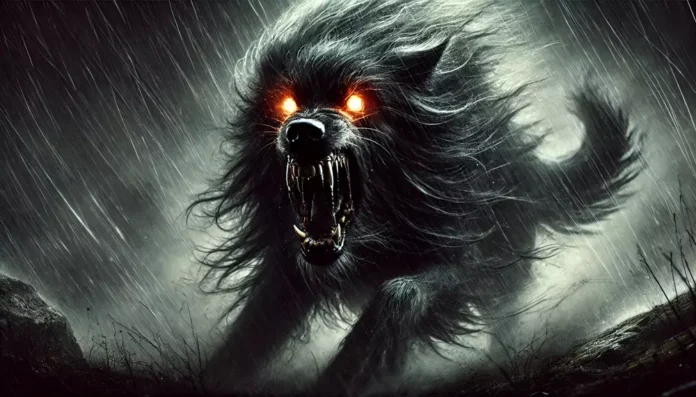
The Cadair Idris Hound is a spectral dog from Welsh folklore, feared for its piercing howl that can drive...

  • Skills
Fear InducementNightmare Creation
  • Weaknesses
BeheadingSilver Weak
Europe
Spectral Beast
United Kingdom

Ceffyl Dŵr

Ceffyl Dŵr is a spectral water horse from Welsh folklore, known for its eerie, unpredictable nature, and for leading...

  • Skills
Fear InducementFlight
  • Weaknesses
Salt BurnSun Harm

Welsh – an Overview

Welsh culture historically emerged as a distinct entity within the Celtic landscapes of the British Isles. It developed over centuries, deeply tied to both its unique geography and evolving societal structures. Its mythological roots are embedded in oral traditions that have been passed down through generations. These narratives echo the landscapes of Wales, with tales of heroes, deities, and mythological creatures. The significance of Welsh myth is evident in its continued influence on Welsh identity.

Historical and Environmental Context

Time Frame and Location

Welsh culture can be traced back to the late Iron Age, with its roots in Celtic traditions. Geographically, it is primarily situated in what is now modern Wales. Over time, the cultural identity evolved, maintaining continuity with its Celtic origins.

Contact and Cultural Exchange

Historical interactions between Welsh and neighboring cultures, such as the Roman Empire and later Anglo-Saxon England, introduced external influences. These interactions fostered a complex cultural exchange, enriching Welsh mythology and broadening its narrative scope.

Mythological Framework

Worldview and Cosmological Concepts

Welsh cosmology traditionally featured a strong connection between the natural world and the supernatural. The cosmos was seen as an interconnected realm where deities, spirits, and humans interacted. Landscapes and natural phenomena were often attributed spiritual significance, reflecting their worldview.

Spiritual or Supernatural Categories

In Welsh mythology, a variety of supernatural beings populate the narratives. Deities, spirits, and legendary heroes each play crucial roles. However, a formalized pantheon like those of Greek or Norse traditions is not distinctly defined, reflecting a fluid mythological structure.

Folklore and Narrative Tradition

Recurring Mythological Themes

Themes of heroism, transformation, and the interplay between the mortal and immortal realms recur in Welsh mythology. The Mabinogion, a collection of Welsh tales, showcases these motifs, illustrating the cultural emphasis on bravery, wisdom, and fate.

Transmission and Preservation

Welsh myths were primarily preserved through oral tradition, later transcribed into literary form during the medieval period. Manuscripts such as the Book of Taliesin and the Black Book of Carmarthen are critical in preserving these narratives, serving as vital cultural documents.

Mythological Beasts and Non-Human Entities

Y Ddraig Goch

The red dragon, Y Ddraig Goch, is emblematic of Welsh mythology and national identity. Its association with Welsh is inseparable due to its appearance in heraldry and legends. This dragon symbolizes strength and resilience, deeply entrenched in cultural consciousness.

Symbolic Roles of Creatures and Forces

Creatures such as dragons and fairies in Welsh mythology often symbolize natural forces or societal values. They serve as metaphors for challenges, embodying the duality of nature’s beauty and danger. This reflects the cultural understanding of balance and respect for the natural world.

Internal Variation and Temporal Change

Regional variations in Welsh mythology reveal shifts in narrative emphasis over time. The introduction of Christianity influenced mythological interpretations, integrating older pagan elements into new religious contexts. This adaptation showcases the dynamic nature of Welsh cultural evolution.

Related Cultural Origins and Myth Sources

Welsh myth shares connections with other Celtic traditions, such as Irish and Scottish folklore. While similarities exist, differences in narrative focus and symbolic interpretation highlight unique cultural priorities. Welsh myths often emphasize community and landscape connection more prominently.

Evidence Limits and Scholarly Uncertainty

Significant gaps in archaeological and textual evidence limit comprehensive understanding of ancient Welsh mythology. Scholarly debates persist about the interpretation of certain mythological elements. No verified sources describe some mythological aspects, leaving parts of this tradition open to scholarly interpretation and reconstruction.