
Mortal Flaws
Mortal Flaws are inherent constraints in mythological beings, representing unavoidable vulnerabilities that expose their limitations.
Relevant Beasts

A cursed ghostly woman of Mexican folklore, La Llorona eternally wanders riverbanks, weeping for her lost children and luring...

Pegasus, the winged horse of Greek mythology, symbolizes freedom and divine inspiration, and has been revered for its strength,...
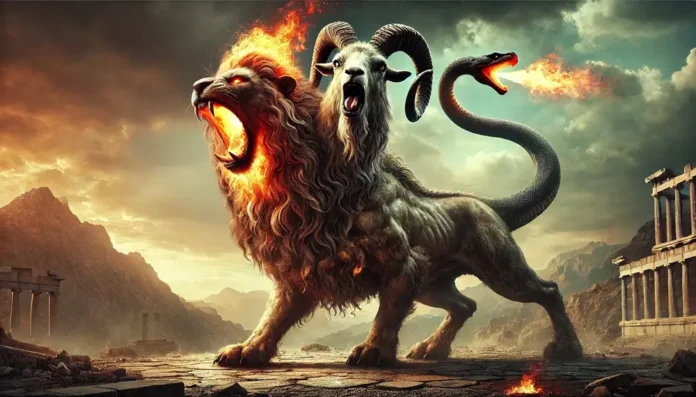
The Chimera is a ferocious Greek hybrid creature, part lion, goat, and serpent, symbolizing chaos and danger in mythology.
Sub Categories
Aging
Many creatures, despite their supernatural powers, are not immune to the effects of aging. Over time, their bodies weaken, and their abilities fade, leaving them vulnerable to physical attacks and ailments. Aging can lead to the eventual death of even the most powerful beings.In mythology, some immortal beings lose their immortality through curses, causing them to age and perish like mortals.
Anxiety
Anxiety describes susceptibility to intense worry, impairing focus. This sensitivity limits ability to operate under pressure, as fear impacts mental clarity.
Bleeding
Severe bleeding can cause a creature to lose strength rapidly, leaving them vulnerable to further attacks. The loss of blood weakens their body, and unless treated quickly, they may die from blood loss.In mythology, many creatures suffer from prolonged battles, where bleeding slowly drains their life force.
Blood Clot
Blood Clot describes vulnerability to coagulation issues, causing risks to health. This sensitivity makes it difficult to maintain activity without managing clotting risks.
Breathing Trouble
Breathing Trouble refers to vulnerability to respiratory difficulty, affecting endurance. This sensitivity limits ability to operate in poor air quality or high activity situations.
Broken Bone
Broken Bone refers to a susceptibility to fractures, limiting mobility. This sensitivity makes it difficult to perform under stress, as pain and reduced capability result from injury.
Dehydration
Dehydration indicates vulnerability to fluid loss, reducing stamina. This sensitivity limits endurance, as fluid imbalance leads to dizziness, confusion, and fainting.
Digestive Issues
Digestive Issues represent sensitivity to gastrointestinal discomfort. This sensitivity limits ability to sustain energy as stomach discomfort affects appetite and hydration.
Disease Prone
Creatures prone to disease are easily infected by plagues or magical ailments. These infections drain their strength, cause physical deterioration, and lead to eventual death if left untreated. Their weak immune systems make them highly vulnerable to illness.In mythology, disease is often sent by gods or spirits to weaken or punish powerful beings.
Exhaustion Collapse
Prolonged physical exertion can cause creatures to collapse from sheer exhaustion. Once this point is reached, they become completely defenseless and unable to continue fighting. Recovery from such collapse is slow, leaving them vulnerable for extended periods.In myths, powerful beings are often brought down by their own overexertion, leading to their eventual defeat.
Fainting Spell
Fainting Spell indicates a vulnerability to sudden blackouts. This sensitivity limits activity, as unexpected fainting spells can leave one incapacitated.
Fatigue
Prolonged exertion causes fatigue, making creatures slow and less effective in combat. Fatigue drains their physical and mental abilities, leaving them vulnerable to faster, more agile opponents. Even powerful beings can collapse from exhaustion after overuse of their powers.In mythology, fatigue often plays a role in the downfall of otherwise strong warriors or creatures.
Fever
Fever represents susceptibility to elevated body temperature, impairing function. This sensitivity limits ability to operate effectively as fever causes cognitive and physical distress.
Heart Weak
Creatures with a vulnerable heart can be killed with a single, well-aimed strike to this vital organ. The heart is a critical point of weakness for many beings, and any damage to it can be fatal, bypassing other defenses they may have.In myth, vampires and other supernatural beings are killed by piercing their hearts, making this a vital vulnerability.
Heat Stroke
Heat Stroke indicates susceptibility to extreme heat, impairing function. This sensitivity limits endurance in hot environments, as symptoms like confusion arise quickly.
Hunger Weak
Hunger Weak in mythological narratives often symbolizes a vulnerability linked to insatiable desire or need. This weakness can manifest as an unending craving, impacting decision-making and actions negatively.In symbolic structures, Hunger Weak represents the struggle between fulfillment and excess. It highlights the consequences of unchecked appetites, serving as a cautionary element within various mythological traditions.
Immune System Weak
Creatures with weak immune systems are easily affected by poison, disease, or infection. Their bodies struggle to fight off even minor illnesses, leaving them vulnerable to further attacks or magical curses that target their health.In myth, creatures with this weakness often fall prey to plagues or poisoned weapons, leading to their downfall.
Insomnia
Insomnia is susceptibility to sleep disturbances, leading to fatigue. This sensitivity affects concentration, as sleep deprivation impairs focus and overall function.
Kidney Failure
Kidney Failure describes vulnerability to renal issues, impacting toxin filtration. This sensitivity makes it hard to maintain health, as renal dysfunction causes fatigue and pain.
Lung Weakness
Lung Weakness is a susceptibility to respiratory issues, reducing endurance. This sensitivity affects performance in low oxygen or poor air quality environments.
Malnutrition
Malnutrition indicates susceptibility to nutrient deficiencies, impairing strength. This sensitivity limits health and energy levels, as nutrient imbalance weakens resilience.
Mortal Wound
Certain injuries are considered mortal, meaning creatures cannot recover from them. These wounds may come from magical or physical weapons, and no amount of healing power can save the creature. Mortal wounds typically lead to slow, agonizing death.In many legends, a single mortal blow is enough to defeat even the strongest of beings.
Organ Fail
Damage to vital organs such as the lungs, liver, or heart can cause organ failure, leaving the creature weakened or dead. Even supernatural beings are not immune to this flaw, as physical damage can incapacitate them beyond repair.In myths, targeting key organs is a tactic used to bring down otherwise invulnerable creatures.
Pain Sensitive
Creatures sensitive to pain become incapacitated when wounded. Even small injuries can cause extreme discomfort, leading to slower reaction times and reduced combat effectiveness. Pain-sensitive beings are at a disadvantage in prolonged battles.In mythology, creatures that feel pain more intensely are often outmatched by enemies who exploit their weakness.
Sickness
Sickness can severely weaken even the strongest of creatures, causing them to lose their strength and combat abilities. Illnesses can be natural or magical in origin, leaving creatures bedridden or too weak to fight back.In mythology, sickness is often used as a curse or divine punishment, slowly killing otherwise powerful beings.
Sleep Deprived
Creatures that are deprived of sleep suffer from exhaustion, leading to slower reaction times, poor decision-making, and physical weakness. Over time, sleep deprivation can cause hallucinations or complete collapse, making them vulnerable to attacks.In myth, sleep-deprived beings often succumb to exhaustion in battle, unable to fight effectively without rest.
Thirst Weak
Thirst can debilitate creatures that rely on water or blood for survival. Without hydration, they experience physical weakness, dehydration, and eventually death. Creatures that are deprived of water or other necessary liquids deteriorate quickly.In folklore, thirst is often used as a slow, torturous way to weaken or kill creatures tied to water.