
back to top

Time Limits

Time Limits are inherent constraints that define the duration of powers, protections, or curses, often leading to exposure or failure.

Relevant Beasts
Europe
Canine Shifter
Werewolf (Lycan) Medieval Europe - Mythology & Folklore Stories
Slavic

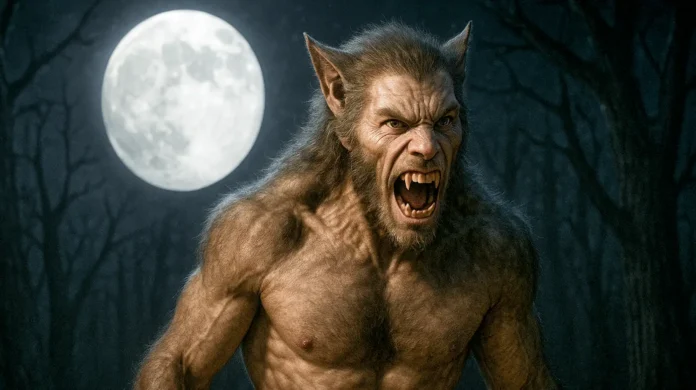
Werewolf

A cursed shape-shifter from Medieval Europe, the Werewolf transforms during the full moon. Feared for uncontrollable rage, it embodies...
  • Skills
Frenzy InducementHealing & Life
  • Weaknesses
BeheadingFull Moon Bound
Inuit
Sea Lurker
Qallupilluit - Alaska Mythology
Inuit

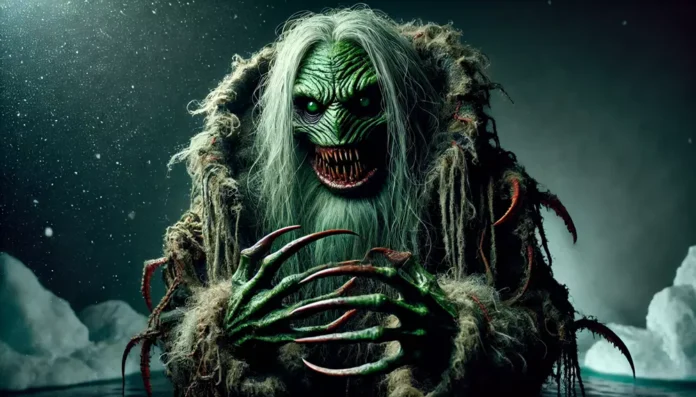
Qalupalik

The Qalupalik is a chilling creature from Inuit mythology, lurking in icy waters and luring children to a watery...
  • Skills
Element ControlHypnosis
  • Weaknesses
Cold SensitiveDaylight Bound
Asia
Grotesque Humanoid
Japan

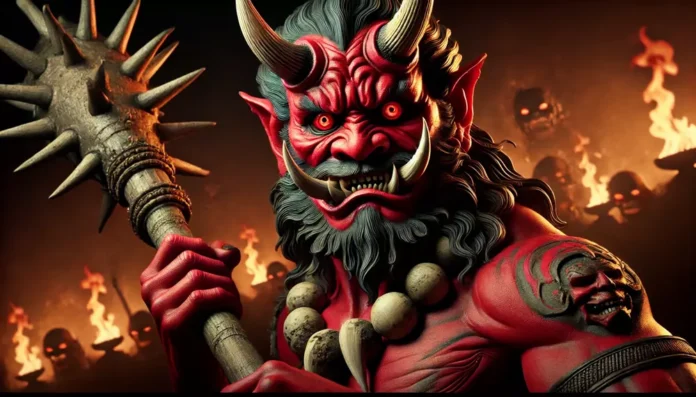
Oni

Oni are monstrous demons from Japanese folklore known for their immense strength, fearsome appearance, and connection to punishment and...

  • Skills
Fear InducementHealing & Life
  • Weaknesses
Blessed WoodDaylight Bound
Asia
Ghostly Apparition
Japan

Teke Teke

Teke Teke is a vengeful spirit from modern Japanese urban legends. It represents fears of modernization and industrial accidents,...

  • Skills
Illusions & PerceptionSpeed
  • Weaknesses
Daylight BoundPhysical Exhaustion

Sub Categories

Autumn Bound

Autumn Bound restricts abilities to peak in autumn. This sensitivity makes year-round strength challenging, as they are bound to the autumnal cycle for effectiveness.

Dawn Limit

Dawn Limit restricts abilities to peak only at dawn. This sensitivity limits their effectiveness as the day progresses, requiring careful timing for optimal performance.

Day Dependent

Creatures that rely on the day for power are significantly weakened at night. They draw strength from sunlight, making them stronger during the day, but as soon as the sun sets, they lose their vitality and effectiveness. Without daylight, they are vulnerable to attack.In mythology, day-dependent creatures are often tied to the sun or light, using it as their main source of energy.

Daylight Bound

Daylight Bound often signifies a vulnerability where entities are restricted or weakened by sunlight. This limitation highlights themes of duality, contrasting darkness and light within mythological narratives and symbolic structures.The concept of Daylight Bound reflects a broader motif where exposure to daylight disrupts supernatural abilities. It underscores the tension between hidden realms and the revealing nature of sunlight.

Dusk Weak

Dusk Weak indicates powers fade as dusk approaches, limiting effectiveness in the late afternoon. This sensitivity makes it challenging to maintain strength as day turns to night.

Eclipse Time

Certain creatures gain immense strength during solar or lunar eclipses. These rare events provide a window of heightened power, making them nearly invincible while the eclipse lasts. However, outside of this period, their power diminishes, and they become far weaker.In mythology, eclipses are often linked to dark forces or supernatural beings who thrive during these brief moments of celestial alignment.

Full Moon Bound

Full Moon Bound is a restriction where abilities are fully active only during the full moon. This sensitivity makes them vulnerable at other times, as their powers are diminished outside this phase.

Harvest Time

Harvest Time limits powers to peak during the harvest season. This weakness affects effectiveness outside late summer and early autumn, as abilities are tied to this period.

Hourglass Time

Creatures with an hourglass time limit have a predetermined amount of time to act. Once this time runs out, they lose their powers or die. This countdown may be literal, with magical hourglasses marking the moments until their weakness or destruction.In legends, beings that are tied to time often face a ticking clock that leads to their eventual demise.

Lunar Time

Lunar-time creatures are deeply connected to the cycles of the moon. Their power increases during specific lunar phases, particularly the new or full moon, while they weaken during other phases. The moon’s presence directly affects their magical or physical strength.In mythology, creatures that rely on lunar time must carefully track the moon's phases to ensure they remain strong.

Midnight Bound

Creatures bound to midnight experience their peak strength at this time. When the clock strikes midnight, they gain immense power, but outside of this hour, they lose much of their abilities. Midnight is often seen as the witching hour, where dark forces thrive.In folklore, many supernatural beings, especially spirits, reach their full power during midnight.

Midnight Weak

Midnight Weak describes a loss of strength at midnight. This sensitivity makes individuals vulnerable during the darkest hour, as they struggle to maintain abilities.

Moon Dependent

Creatures tied to the moon gain strength based on its phases, particularly during a full moon. Their power fluctuates depending on the lunar cycle, making them weaker or stronger depending on the moon's position. When the moon is absent, they lose much of their power.In folklore, werewolves and other moon-dependent beings are strongest during the full moon, but become less powerful at other times.

New Moon Dependent

Creatures dependent on the new moon gain strength from the absence of lunar light. During the new moon, they become powerful and stealthy, thriving in darkness. However, their strength wanes when the moon reappears, leaving them vulnerable during other phases.In mythology, creatures tied to shadow and darkness often rely on the new moon to maximize their power.

Night Dependent

Night-dependent creatures gain strength after the sun sets, drawing power from the darkness. These beings are significantly weaker during the day, unable to harness the same level of power without the cover of night. They often thrive in shadowy or dark environments.In many myths, creatures like vampires are tied to the night, becoming powerful and unstoppable only in darkness.

Seasonal Change

Seasonal Change is vulnerability to shifts in seasons, with powers stronger in some seasons than others. This weakness requires adaptation to maintain strength throughout the year.

Seasonal Limit

Certain creatures' powers are tied to specific seasons, gaining strength during one season and losing it in another. Summer may empower them, while winter leaves them weak, or vice versa. Their abilities are strongest during their favored season.In myth, nature spirits and creatures tied to the environment often face seasonal limits, thriving in only part of the year.

Solar Noon

Solar Noon limits abilities to peak at noon, when the sun is highest. This sensitivity restricts power outside this time, as they rely on direct sunlight for strength.

Spring Dependent

Spring Dependent restricts abilities to peak only in spring. This sensitivity limits power throughout other seasons, as they rely on the vitality of spring for strength.

Summer Solstice

Summer Solstice restricts peak abilities to the summer solstice. This sensitivity makes it challenging to engage effectively outside this period, relying on the longest day of the year for power.

Summer Strength

Creatures empowered by summer gain strength from the warmth and long days of the season. Summer provides them with the energy to act at full power, making them almost unstoppable. However, as the season changes, their power diminishes with the cooler months.In myth, creatures tied to the sun or heat are strongest during summer, thriving in the warmth.

Sunrise Weak

Sunrise marks a time of weakness for creatures tied to the night. As the first rays of sunlight break over the horizon, their powers begin to fade, forcing them to retreat into shadows or safe spaces. The arrival of daylight renders them powerless or severely weakened.In folklore, vampires and other night creatures are especially vulnerable at sunrise, as their abilities diminish with the rising sun.

Sunset Drain

Creatures affected by sunset drain lose their strength as the sun sets. Their powers begin to fade with the diminishing light, leaving them vulnerable during twilight. Once darkness falls, they become weak or powerless until the next sunrise.In many myths, sunset marks the point when creatures tied to the sun lose their energy, making them easy targets for night creatures.

Twilight Bound

Creatures bound to twilight are strongest during this brief period between day and night. Their powers peak during dusk or dawn, but once full day or night sets in, they lose much of their strength. Twilight provides them with a unique window of opportunity to act.In myth, twilight is often seen as a magical moment, and creatures bound to this time must act quickly before it passes.

Waning Moon

Waning Moon indicates powers weaken as the moon wanes, limiting effectiveness until the next lunar cycle. This sensitivity ties abilities closely to the lunar phase.

Winter Solstice

Winter Solstice restricts abilities to peak only during the winter solstice. This sensitivity requires alignment with the season, limiting strength during other times.

Winter Weakness

Winter weakens creatures that rely on warmth or sunlight. The cold drains their energy, slows their movements, or leaves them powerless in icy environments. These beings often go into hibernation or hide to avoid the harsh conditions of winter.In many myths, winter is seen as a time of death or dormancy for creatures that cannot withstand the cold.

Time Limits – Overview

Time Limits within mythological contexts represent constraints that exist inherently within the fabric of the myth. They define conditions under which entities operate, shaping narrative outcomes. Unlike mere plot devices, these limits embody structural vulnerabilities. They dictate the operational scope, ensuring mythical beings cannot transcend cosmological boundaries. This emphasis on structural limitations underscores the necessity of balance within mythological systems. Consistently, Time Limits serve as intrinsic checks, preventing narratives from devolving into unchecked power fantasies. They become crucial to understanding the cosmic order within these tales. Consequently, they reveal the finite nature of entities, reiterating the inevitability of boundaries. Mythological frameworks thereby utilize Time Limits to articulate metaphysical truths. These truths resonate with the human understanding of existence and limitations.

Defining Characteristics of the Weakness

Nature of the Limitation

Time Limits manifest predominantly as metaphysical restrictions across myths. These constraints often determine the periods during which entities can act or maintain strength. They may also delineate phases or cycles, such as lunar phases, that regulate power. In other cases, these limits manifest as existential constraints. They dictate the lifespan or operational span of beings, anchoring them in temporal reality. This emphasizes a fundamental aspect: time as a boundary. Through these constraints, myths convey the inherent limitations faced by supernatural entities. The predictable regularity of these limits imbues myths with a cyclical structure. Such patterns are recognizable across numerous cultural narratives.

Conditions of Exposure

Time Limits become relevant under specific cosmological conditions. Symbolically, these limits might align with natural cycles, like solstices or seasons. Morally, they often coincide with ethical transgressions or boons. Environmental conditions, such as day and night cycles, similarly dictate when powers may falter or prevail. As cosmological conditions align, Time Limits enforce the temporal boundaries. They prevent eternal dominance or unending despair, ensuring cyclic renewal. Myths thus utilize these conditions to maintain equilibrium, echoing natural rhythms. This resonance with natural order underscores their profound symbolic significance. Consequently, these conditions are not merely narrative devices but integral mythic structures.

Mythological Role and Function

Function Within Mythological Systems

Time Limits maintain balance by regulating power within mythological systems. They prevent characters from achieving unchallenged supremacy, ensuring dynamic narratives. Their enforcement of cyclical themes underscores the impermanence of power. By enabling eventual downfall or renewal, these limits preserve cosmic order. They delineate the boundaries of influence and impact. By doing so, they create a predictable rhythm within mythological narratives. This reinforces the idea that power is transient, bound by temporal constraints. Such limits are not mere obstacles but essential regulatory elements. They emphasize the necessity of balance and moderation within powerful forces.

Symbolic and Cultural Meaning

Time Limits symbolize inevitability and moral consequence in mythological narratives. They serve as metaphors for mortality, underscoring life’s finite nature. Across cultures, these limits often represent sacred laws. They enforce humility among powerful beings. The limitation of hubris becomes a recurring theme, warning against excessive ambition. By imposing boundaries, Time Limits reflect the natural world’s inherent order. They remind audiences of the cyclical nature of existence. Thus, they emphasize the impermanent and ever-changing aspects of life. This symbolism resonates with cultural understandings of natural laws and cosmic balance. Through this, myths convey profound messages about life’s constraints and possibilities.

Distinction from Related Mythological Weaknesses

Conceptual Boundaries

Time Limits differ from general mortality by focusing on temporal constraints, not life span. Unlike physical injury, which deals with corporeal harm, Time Limits operate metaphysically. They contrast with divine punishment by lacking moral culpability. Taboo violations often suggest cultural breaches, but Time Limits are universal constraints. Situational defeat implies context-dependent failures, whereas Time Limits are inherent and predictable. These distinctions clarify their unique role in mythological systems. They emphasize the inherent limits in power and influence. Understanding these boundaries ensures accurate classification and interpretation. It reinforces the nuanced nature of mythological structures and their inherent complexities.

Common Sources of Misclassification

Time Limits often get conflated with other vulnerabilities due to superficial similarities. Some interpret them as mere narrative constraints, overlooking their metaphysical roots. Comparative mythology distinguishes them by emphasizing inherent temporal boundaries. Misunderstandings arise when Time Limits are viewed as occasional obstacles. Instead, they represent systemic constraints integral to mythic structures. Their inherent nature separates them from conditional weaknesses like taboo violations. By recognizing these distinctions, scholars accurately classify mythological elements. This helps in understanding the deeper cultural meanings within myths. It also enhances appreciation of the nuanced systems within mythological narratives.

Canonical Beings Defined by Time Limits

Achilles – Greek Mythology

Achilles is renowned for his prowess, yet his fate is bound by temporal constraints. The prophecy of his early death anchors him in Greek narratives. Without Time Limits, Achilles would lack tragic depth and resonance.

Amaterasu – Japanese Mythology

Amaterasu’s influence aligns with solar cycles, epitomizing Time Limits. Her power waxes and wanes with the sun’s journey. This cyclical constraint is central to her role, emphasizing renewal and balance in myth.

Baldr – Norse Mythology

Baldr’s death underscores a pivotal Time Limit within Norse myth. His demise signals the onset of Ragnarok, anchoring him cosmologically. Without this temporal aspect, his role lacks its destined significance.

Historical Distribution and Cultural Context

Time Limits appear across diverse cultures and historical periods. Their presence is notable in agricultural societies, which emphasize cycles. In these environments, such constraints align with seasonal rhythms. Similarly, civilizations that stress cosmological balance integrate these limits into myths. This recurrence reflects shared human experiences of time and mortality. It highlights the universal recognition of natural cycles and cosmic constraints. Thus, Time Limits underline the synchronicity between human life and mythological narratives. They offer insight into how cultures conceptualize boundaries and cycles. Their widespread appearance underscores their thematic and symbolic importance.

Scholarly Interpretation and Uncertainty

Variation in Interpretation

Scholars interpret Time Limits variably across cultures. Some view them as literal cosmic laws, while others see symbolic metaphors. Interpretations shift with historical context, reflecting evolving cultural understandings. While some emphasize cyclical constraints, others stress moral lessons. These variations highlight the complexity of mythological analyses. They underscore the multifaceted nature of Time Limits. Consequently, understanding these interpretations requires careful consideration. Such diversity reveals the rich tapestry of human belief systems. It warns against oversimplification in mythological scholarship. By acknowledging these variations, one gains a nuanced view of mythological systems.

Limits of the Evidence

The evidence surrounding Time Limits is partial and sometimes ambiguous. While certain interpretations are well-established, others remain contested. Gaps in historical records challenge comprehensive understanding. This uncertainty necessitates cautious analysis, avoiding speculative conclusions. Scholars must differentiate between established interpretations and debated readings. Recognizing these limits ensures responsible scholarship. It also highlights the evolving nature of mythological studies. By acknowledging these challenges, scholars refine their analytical frameworks. This approach fosters deeper insights into mythologies. It ensures that interpretations remain grounded in evidence, not conjecture. The pursuit of understanding thus remains an ongoing scholarly endeavor.

Mythological Function Across Cultures

Time Limits recur across diverse mythological traditions due to shared human concerns. They reflect existential questions about mortality and power. These constraints offer insights into life’s cyclical nature. Across cultures, they function as reminders of cosmic balance. Myths use these weaknesses to explore themes of impermanence and renewal. They resonate with audiences, linking temporal boundaries to human existence. By studying Time Limits, scholars gain comparative insights. Recognizing these patterns enhances understanding of mythological frameworks. It reinforces the universality of certain human experiences. This understanding deepens appreciation for cultural and narrative complexity in myths.