back to top

Grotesque Humanoid

Grotesque Humanoid creatures are defined by their distorted forms and roles in myth, often symbolizing chaos and fear in ancient narratives.

Relevant Beasts

Asia
Grotesque Humanoid
Japan

Oni

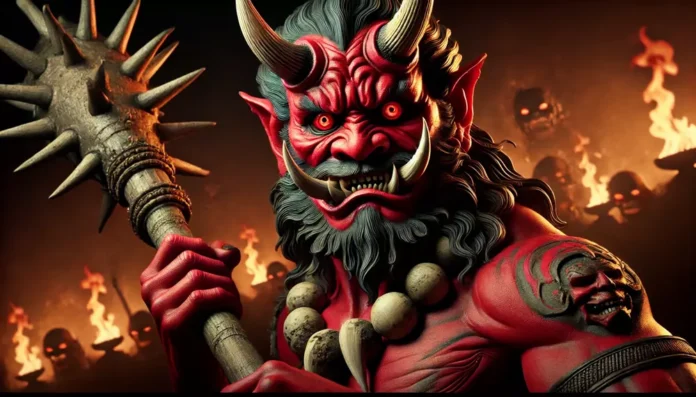
Oni are monstrous demons from Japanese folklore known for their immense strength, fearsome appearance, and connection to punishment and...

  • Skills
Fear InducementHealing & Life
  • Weaknesses
Blessed WoodDaylight Bound

Grotesque Humanoid – Overview

Grotesque Humanoids are mythological beings characterized by distorted human-like forms. They exhibit exaggerated or abnormal features, setting them apart from typical human morphology. Their roles vary across cultures, often embodying chaos, transformation, or boundary transgression within mythological narratives. They serve to challenge or redefine the natural order, often occupying spaces between the human and the monstrous or the divine. This beast type acts as a cultural tool to explore fears, taboos, and moral boundaries.

Defining Characteristics

Physical Form and Morphology

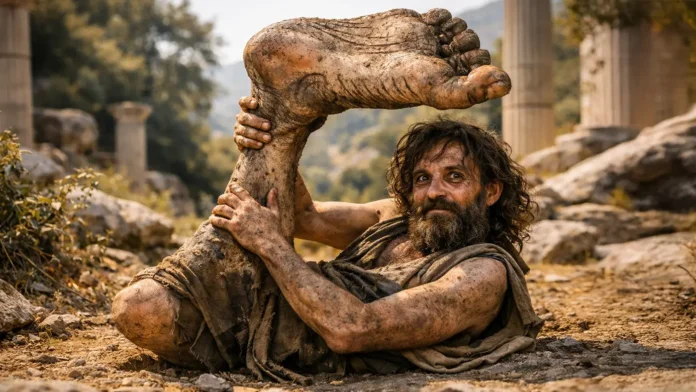
Grotesque Humanoids commonly display exaggerated limbs, facial features, or sizes. These distorted characteristics emphasize their departure from human norms. Such features may include elongated arms, multiple limbs, or asymmetrical bodies. The grotesque form serves to visually communicate their otherness and supernatural status. This distinct morphology blurs lines between the human, animal, and supernatural realms, reinforcing their liminal nature.

Ontological Nature

Ontologically, Grotesque Humanoids are often perceived as hybrid or liminal entities. They exist between the natural and supernatural, sometimes embodying spiritual or cosmic aspects. Their presence challenges metaphysical boundaries, embodying both creation and destruction. This duality highlights their role as markers of transformation and change within mythological systems. Their existence forces a reconsideration of the natural order, emphasizing instability and unpredictability.

Mythological Role and Function

Place in Mythological Systems

Within mythological systems, Grotesque Humanoids often act as agents of chaos or transformation. They disrupt established orders, pushing heroes or gods to confront their limits. They can serve as catalysts for narratives involving moral lessons or divine justice. Their interactions with gods or humans often highlight themes of hubris, punishment, or redemption. This beast type often marks boundaries between worlds, underscoring the permeability of cosmic or moral orders.

Perception and Meaning

Culturally, Grotesque Humanoids are often seen as threats or omens due to their unsettling appearances and actions. However, they can also embody protective roles, guarding sacred spaces or serving divine purposes. Their grotesque nature symbolizes societal fears or cultural taboos, creating spaces for moral reflection. By embodying the extreme or forbidden, they offer profound insights into cultural values and anxieties, serving as mirrors to human concerns.

Distinction from Related Beast Types

Conceptual Boundaries

Grotesque Humanoids differ from elemental beings or spirits by their distinctly human-like yet distorted forms. Unlike animal-based creatures, their identity centers around human morphology. Their role contrasts with undead entities, which focus more on death than transformation. This differentiation highlights their unique place in mythologies as beings that challenge human norms through their exaggerated and altered human-like traits.

Common Sources of Confusion

Confusion arises as Grotesque Humanoids sometimes merge characteristics of other beast types. Their hybrid nature may lead to misclassification with spirits or monsters. Scholars distinguish them by emphasizing their morphological grotesqueness and mythological functions. Focus on their unique blend of human form with supernatural distortion helps clarify their identity. Misinterpretations often overlook their symbolic roles in challenging and redefining cultural norms.

Canonical Beasts Associated with This Beast Type

Oni

Oni are demons from Japanese folklore, depicted with horns, tusks, and sharp claws. These beings embody the Grotesque Humanoid type due to their exaggerated humanoid forms. Oni serve as agents of chaos and punishment, reflecting cultural fears and moral lessons. Their distorted appearances and roles in myths make them quintessential examples of this beast type.

Gorgons

Gorgons, from Greek mythology, are known for their hair of living snakes and petrifying gaze. Medusa, the most famous, exemplifies the Grotesque Humanoid through her human-serpent form. Gorgons symbolize danger and the grotesque, challenging heroes and gods, reflecting their mythological significance and cultural impact.

Rakshasas

Rakshasas, from Hindu mythology, are demon-like beings with human-animal features. Known for their shape-shifting abilities and malevolent nature, they embody the Grotesque Humanoid type. Rakshasas disrupt the cosmic order, challenging heroes and serving divine purposes, highlighting their dual roles within mythological frameworks.

Historical Distribution and Cultural Context

Grotesque Humanoids appear in various cultural contexts, including ancient Greece, India, and Japan. Their presence spans from classical antiquity to contemporary folklore. These beings often emerge in societies experiencing social upheaval or transformation. They reflect cultural anxieties and moral tensions, serving as expressions of changing values or fears. Their adaptability across time and place underscores their enduring mythological significance.

Scholarly Interpretation and Uncertainty

Variation in Definitions

Scholars debate the boundaries of Grotesque Humanoids, with interpretations varying by cultural context. Some view them as purely monstrous, while others see them as moral symbols. This diversity reflects differing cultural frameworks and historical perspectives. Academic discourse often centers on their symbolic roles and morphological traits, exploring their function within mythologies.

Limits of Available Evidence

Limitations exist regarding historical evidence for Grotesque Humanoids. Few written records detail their origins or evolution. Much of the understanding relies on folklore, art, and archaeological findings. Scholars acknowledge these gaps, focusing on comparative mythology and cultural patterns. This approach highlights the need for cautious interpretation, avoiding speculative conclusions.

Mythological Role Across Cultures

Grotesque Humanoids recur across mythologies due to their exploration of universal human concerns. They embody the fear of the unknown, societal taboos, and transformation. By navigating boundaries, they challenge norms and offer moral insights. Recognizing their role deepens understanding of mythological systems, revealing shared cultural functions and symbolic needs. Their presence highlights the complex interplay between fear, morality, and human identity in mythological narratives.