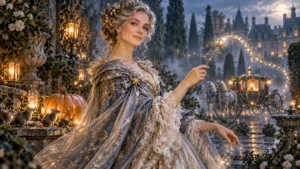

The sun and moon have been constants in human life, symbols of light and darkness, order and mystery. Ancient cultures worldwide crafted myths around these celestial bodies, trying to make sense of their powerful presence and cyclical patterns.
Across time, the sun often represented life and warmth, while the moon symbolized mystery, femininity, and change. Together, they embody a cosmic balance that ancient societies revered.
These myths reveal more than just stories; they showcase human attempts to understand existence. For many, the sun and moon were seen as divine forces or even gods.
In ancient Egypt, the sun god Ra was worshipped as the creator, while in Mesopotamian myths, the moon god Sin represented wisdom and foresight. These myths aren’t just tales; they’re windows into the ancient mind.
Historical Origins of Celestial Myths
The origins of sun and moon myths trace back to humanity’s earliest days, when people looked to the sky for guidance. Ancient societies observed the cycles of these celestial bodies, aligning their beliefs and daily lives with their rhythms.
In places where agriculture depended heavily on predictable sunlight and seasonal change, such as ancient Egypt, the sun was a life-giving force, sustaining crops and civilization itself. For the Egyptians, Ra was not just a sun deity but a central figure within a broader religious worldview.
Texts such as the Pyramid Texts describe the sun’s daily rising and its life-sustaining, divine power (often linked with Ra).

In other parts of the world, the moon played a larger role. In Mesopotamia, the phases of the moon were closely observed for timekeeping, calendars, and omens, and were associated with the moon god Sin (also known as Nanna).
Mesopotamians also linked lunar timing to agricultural and ritual calendars, treating the moon as a guide through darkness and a marker of sacred time.
While the Babylonian epic Enuma Elish is primarily a creation story, Mesopotamian literature more broadly connects celestial order and the regulation of time with divine authority.
These celestial myths were also foundational to religious practices. People crafted rituals around sunrises, sunsets, and full moons, marking these moments as sacred.
In India, sun worship remains a vital tradition, seen during the Chhath Puja, where devotees honor the sun god Surya to seek health and prosperity.
The significance of the sun and moon stretched beyond life and death; they became cultural anchors. Each civilization adapted these symbols to reflect their environment and societal needs, forming a unique bond with the cosmos that endures to this day.
Name Meaning and Symbolism
The names and symbolism surrounding the sun and moon offer insights into how each culture perceived these celestial bodies. For many, the sun represented constancy, power, and creation.
For example, in Norse myth Sól (Sun) is personified as a goddess who drives the sun chariot, pursued by a wolf as part of the wider cosmic chase narrative (alongside Máni, the Moon). This pursuit is often interpreted as reflecting the relentless passage of day into night.
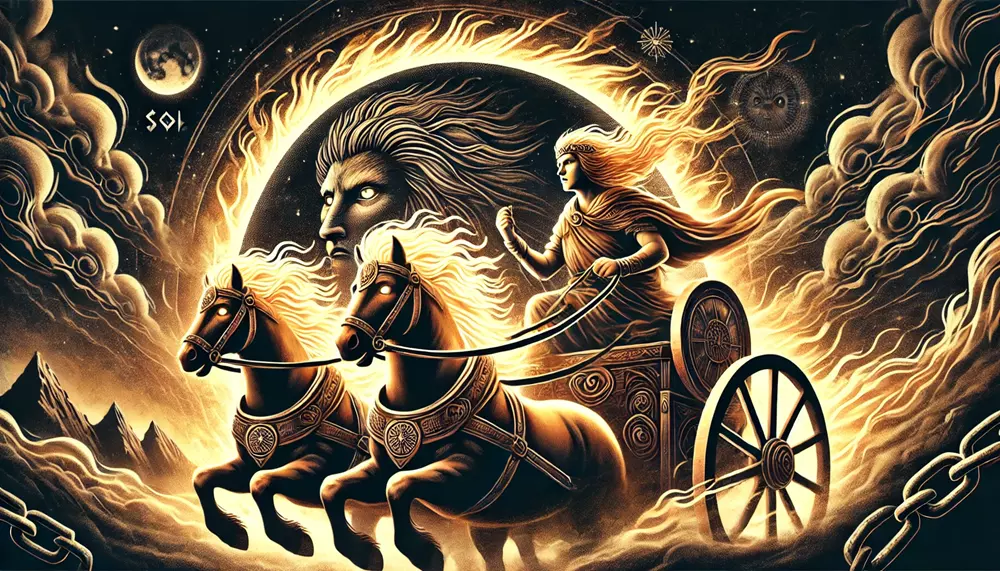
(In the Prose Edda, Sól is described as travelling her appointed course while being chased by a wolf.)
In contrast, the moon is often depicted as feminine in modern retellings and interpretations, linked to cycles of time, growth, and renewal. In Greek mythology, Selene, goddess of the moon, rides her chariot across the night sky and is a poetic figure for moonlight and the rhythms of the night.
(Hymns and later poetry often describe Selene’s shining chariot as she crosses the sky.)
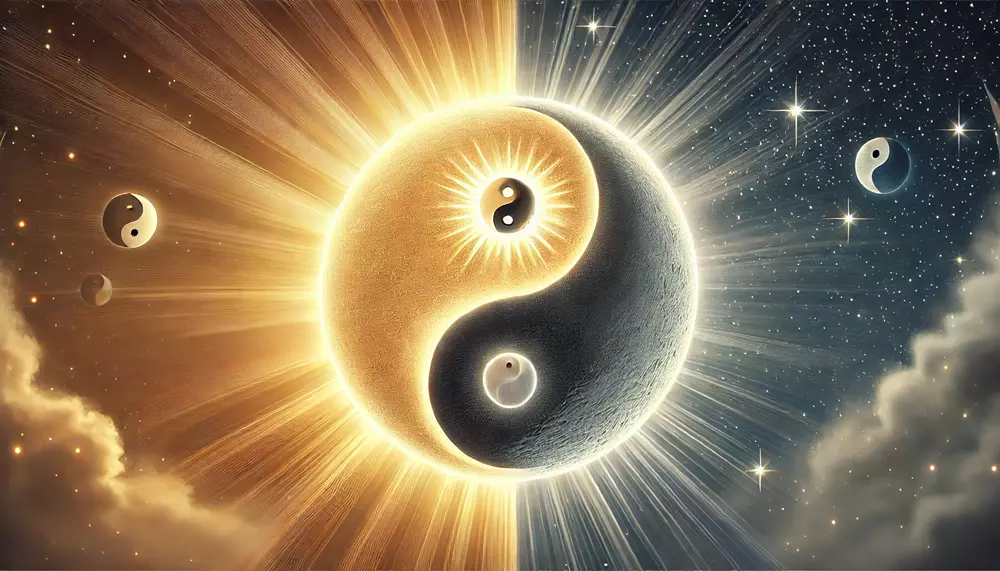
The symbolism of these names reflects a deeper interest in balance and cyclical order. In Chinese thought, yin and yang are complementary forces used to describe natural patterns and change.
Sun and moon imagery is commonly used to illustrate this relationship (light/dark, day/night), even though yin-yang is a broader cosmological concept rather than a single myth about two deities.
(Texts such as the I Ching explore balance and change, ideas frequently expressed through light-and-shadow imagery.)
Names also served as markers of reverence. In Aztec religion, Tonatiuh is a major solar deity. Aztec state ritual emphasized offerings, including human sacrifice, as part of sustaining the cosmic order and the continued movement of the sun.
For the moon, different figures appear across Mesoamerican traditions. Coyolxauhqui is often treated as a moon-associated goddess in Aztec myth, remembered through her defeat and dismemberment in the story of Huitzilopochtli.
Her narrative has been read as a reminder of violent conflict, sacrifice, and renewal within the cosmic cycle.
Across cultures, the sun and moon were more than celestial objects; they were powerful deities and symbols of life’s mysteries. The Egyptian sun god Ra was not just a life-giver but could also be portrayed as upholding cosmic order and judging wrongdoing in some texts and later theological developments.
Similarly, the moon’s phases became omens and guides in ritual timing. In accounts of later “Celtic” folk practices and modern magical traditions inspired by them, the full moon is sometimes treated as a potent time for ceremonies, though specific beliefs varied widely by place and period.
Roles in Creation Myths
In many cultures, the sun, moon, and the coming of light are important themes in creation stories, often representing the ordering of the world from darkness or chaos into a livable cosmos.
In Māori traditions from Aotearoa New Zealand, one key creation motif is Tāne separating his parents, Ranginui (the Sky Father) and Papatūānuku (the Earth Mother). This separation allows light to enter the world and creates the conditions for life.
In these stories, Tāne’s act of pushing sky and earth apart is commonly described as the moment the world becomes bright and ordered.
In ancient Egypt, the sun god Ra (or related solar creator forms) can be described as arising from the primeval waters (Nun) and bringing life and order with him. Ra’s daily journey across the sky and through the night was also read as a powerful cycle of renewal that shaped Egyptian religious imagination.
Egyptian religious texts and later summaries often present the sun’s emergence from the waters of Nun as a creation-and-renewal image rather than a single fixed quotation.
Similarly, in Hindu tradition, Sūrya is a major solar deity associated with light, vitality, and sustaining cosmic order. Hymns and later devotional traditions frequently praise the sun as a life-giving force that supports the world’s continuing cycles.
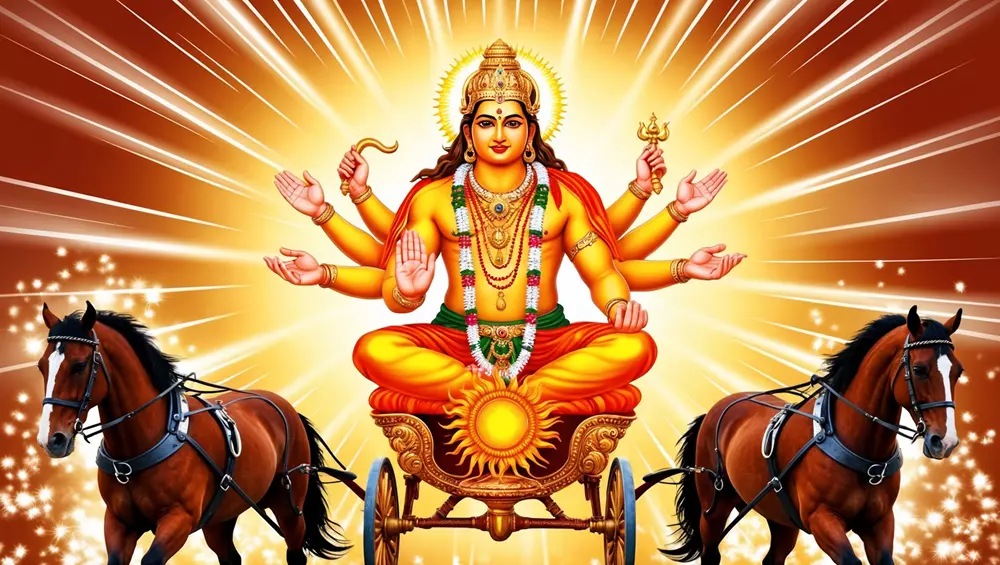
Taken together, these traditions show how “creation” can be expressed not only as a one-time origin event, but also as the continuing establishment of light, rhythm, and balance in the world.
Life-Giving Forces
Across different mythologies, the sun and moon are often seen as life-giving entities, responsible for sustaining growth and ensuring survival. The Aztecs, for instance, viewed the sun god Tonatiuh as requiring nourishment in the form of offerings, including human sacrifice, to keep the world in balance.
In that worldview, sacrifice could be understood as an exchange of life meant to sustain cosmic harmony and the continued movement of the sun (a theme reflected across several Aztec ritual and mythic traditions).
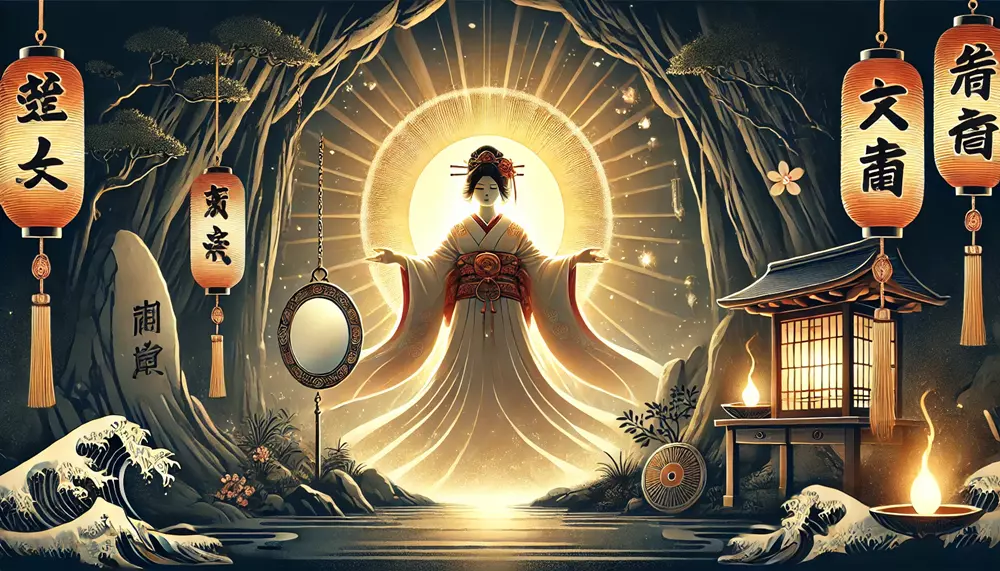
In Japanese mythology, the sun goddess Amaterasu is revered as the bringer of light and fertility. Her radiance brings crops to life, and her absence causes darkness and turmoil.
Her retreat into a cave, according to legend, plunged the world into darkness until she was coaxed out, restoring light and order, a story recorded in early Japanese chronicles such as the Kojiki.
In the Norse belief system, the sun and moon are vital forces, pursued by wolves in a cosmic chase that ends at Ragnarök. Their constant journey is often read as a mythic way of expressing the tension between light and darkness and the fragile order that makes life possible.
The life-giving aspects of the sun and moon reveal a widespread respect for their power and a recognition of their impact on earthly life. They embody both survival and the delicate balance of nature.
Symbolism and Ritual
Throughout history, the sun and moon have not only inspired myths but also become central symbols in rituals across the world. Their cycles, sunrises, sunsets, and full moons provided many societies with a sense of rhythm and order, creating sacred moments in daily and seasonal life.
In ancient Egypt, for instance, religious life included regular rites connected to the sun’s daily course. Ra’s journey across the sky and through the underworld could be framed as an ongoing struggle against chaos and darkness, and temple ritual reflected that wider theology.
Egyptian religious texts, including funerary and temple traditions, frequently describe the sun’s nightly passage and return at dawn as a renewal of order and life.
In Celtic-speaking regions and in later folklore from those areas, lunar phases were often used as practical markers for timekeeping and seasonal activities. Modern reconstructions and later folk practices also sometimes treat the full moon as especially auspicious for blessings, divination, or healing, although specific beliefs varied widely by place and period.
The moon could also be treated symbolically as a boundary marker, associated with night, change, and transitions rather than a single, uniform “bridge between worlds” doctrine shared by all Celtic cultures.
The Carmina Gadelica (a collection of Gaelic prayers and charms recorded in Scotland in the 19th century) includes material that reflects later vernacular spirituality and seasonal or natural imagery, including references to night and moonlight.
In Hinduism, the sun plays a vital role in the Chhath Puja festival, where worshippers honor Surya for health and prosperity. During this festival, people offer water to the rising and setting sun, acknowledging its life-giving powers and seeking blessings for personal well-being.

The Chinese calendar, too, is based on lunar cycles, with festivals like the Mid-Autumn Festival celebrating the moon as a symbol of reunion and harmony. Families traditionally gather to view the moon and share foods such as mooncakes, using the full moon as an image of completeness and togetherness.
Mid-Autumn Festival traditions commonly emphasize family reunion and gratitude, with the full moon serving as a widely recognized symbol of unity.
In these rituals, the sun and moon serve as more than celestial bodies; they become organizing symbols that shape human traditions. The symbolism and rituals surrounding them reflect enduring reverence for their perceived influence on harmony, health, timekeeping, and spiritual connection.
Religion
The sun and moon’s influence on religion and ritual is undeniable, with cultures across the globe integrating their cycles into sacred practices. Ancient Egyptians held daily rites for the sun god Ra, marking his journey from dawn to dusk.
Priests would perform rituals to aid Ra’s passage through the underworld each night, symbolizing rebirth.
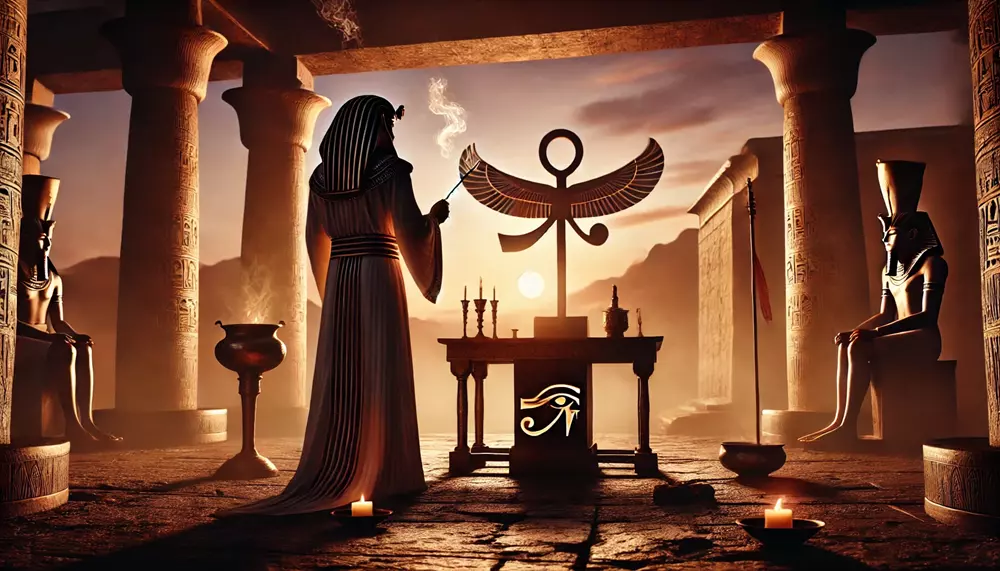
“Ra’s journey brings light and life, a daily triumph over darkness.” (Egyptian Book of the Dead)
In Mesoamerican cultures, the Aztecs viewed the sun as an entity in need of sustenance, often through sacrificial rituals to ensure its rise each day. They believed the sun god Tonatiuh required human offerings to maintain cosmic balance, emphasizing the connection between sacrifice and survival.
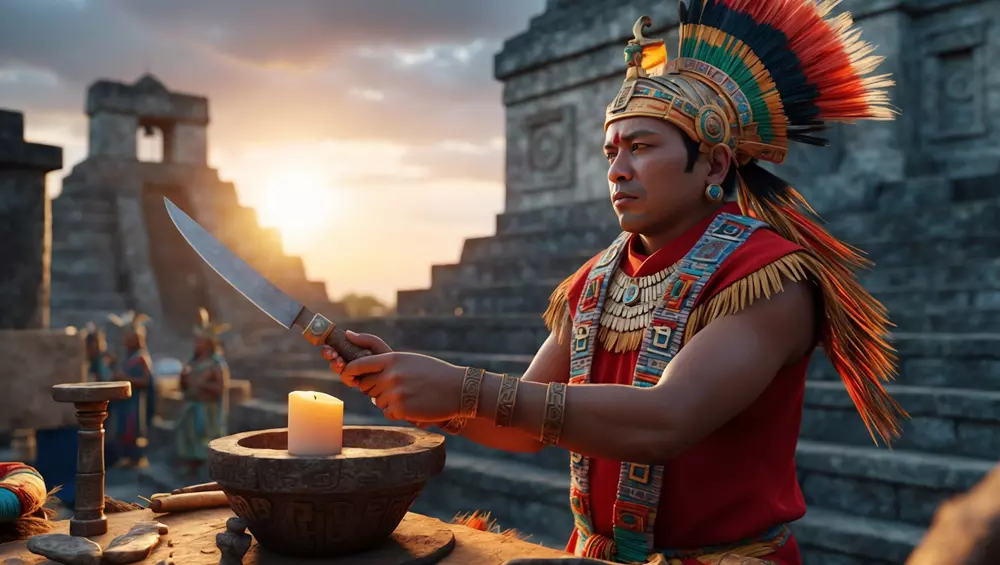
“Without offerings, the sun falters, and darkness threatens all.” (Codex Mendoza, Aztec manuscripts)
In Japan, the sun goddess Amaterasu was worshipped as a life-giving force, integral to the nation’s identity. The emperor, considered her descendant, symbolized divine connection to the sun, reinforcing her importance in state rituals and national culture.

Ancient Persian Zoroastrianism also revered light and fire as manifestations of divine order. The rising sun was seen as Ahura Mazda’s gift, with fire rituals symbolizing purity and protection against darkness.
Scientific & Rational Explanations
Early societies interpreted the sun and moon’s movements with mythology, but scientific explanations eventually emerged. Ancient Greek philosophers began proposing theories about the cosmos that moved beyond purely divine control.
Anaxagoras is often credited with arguing that the sun was a hot, fiery mass (not a god) and that the moon shines by reflecting the sun’s light. He also treated eclipses as natural events, a position that challenged many traditional interpretations.

In ancient China, scholars also developed observational approaches to solar and lunar phenomena. Zhang Heng, for example, discussed eclipses in terms of the moon’s position relative to the sun and the casting of shadows, framing these events as predictable natural occurrences rather than supernatural omens.
Islamic scholars in the Golden Age of Islam made major strides in astronomy and mathematical methods, including improving observations and calculations used for calendar-making and for determining lunar months relevant to religious practice (such as Ramadan). Al-Biruni, among many others, wrote extensively on astronomical measurement and the motions of celestial bodies, contributing significantly to the broader scientific tradition.
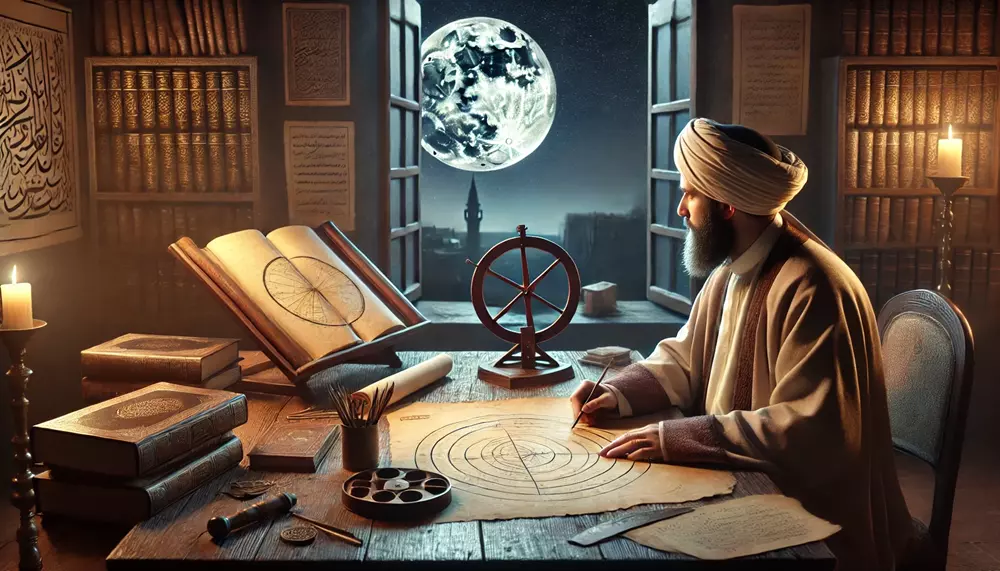
Modern science, though it has demystified the cosmos, has yet to erase the symbolic power of the sun and moon. Even with precise scientific explanations, their impact on cultural identity and spiritual practices remains strong.
Modern Beliefs and New Age Interpretations
Today, the sun and moon continue to influence beliefs, especially in the context of New Age spirituality. Modern practitioners view the moon phases as guides for personal growth and introspection.
For example, the new moon is often seen as a time for setting intentions, while the full moon is linked to emotional release. These practices bridge ancient ritual with modern mindfulness.
“Under the new moon, plant your hopes; under the full, let go of what weighs you.” (Modern New Age Proverb)
In astrology, the sun represents self-identity and life force, while the moon signifies emotions and intuition. Many people follow these cosmic influences, seeking guidance on personality and compatibility, echoing ancient beliefs about cosmic control over human destiny.
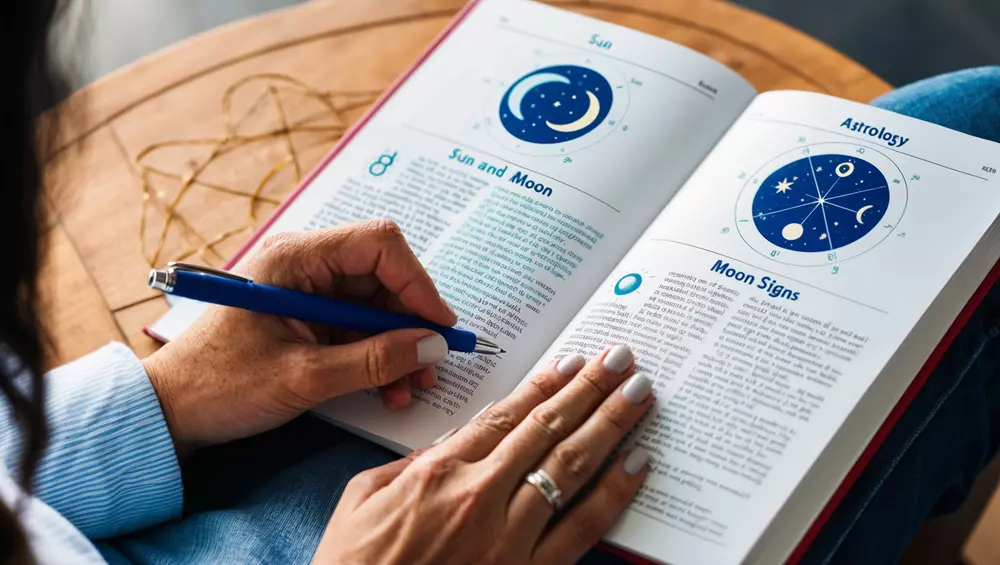
The sun and moon also play roles in Wiccan and Pagan traditions, where they are honored as symbols of balance. Rituals align with the lunar calendar, with each phase believed to enhance spells or provide spiritual clarity.
This belief system mirrors the ancient reverence for celestial cycles and their influence on earthly life.
In popular culture, symbols of the sun and moon are prevalent in art, tattoos, and fashion. Celebrities and influencers often incorporate sun and moon imagery as expressions of identity and balance.
For instance, Rihanna’s sun-and-moon tattoo sparked interest in celestial symbolism, illustrating the appeal of these symbols in modern aesthetics.
The moon’s phases even affect trends in wellness and productivity. Some companies design moon-themed planners that align daily goals with lunar cycles, suggesting ways to maximize energy and introspection.
This blending of modern productivity with lunar phases highlights how the ancient reverence for these celestial bodies endures.
Finally, the sun and moon maintain powerful roles in modern religion and spirituality. In Hinduism, worshippers continue to honor the sun god Surya, while the Jewish calendar relies on lunar cycles for determining sacred holidays.
These practices illustrate how the symbols of the sun and moon remain woven into humanity’s spiritual and cultural fabric.
In Modern Culture and Media
The sun and moon continue to captivate us in modern culture, symbolizing balance, duality, and the cosmic forces at play in our lives. From films and books to music and art, these celestial bodies retain their powerful, mythic qualities and are often used to convey deeper themes.
This chapter explores how the sun and moon are portrayed today, reflecting both ancient beliefs and new interpretations.
In The Lion King, the “Circle of Life” theme resonates with ancient sun mythology, portraying the sun as a life-giving force that sustains all creatures. The cyclical nature of the sun mirrors the eternal balance between life and death, a concept central to many creation myths.

“Everything the light touches is our kingdom.” (The Lion King)
The Twilight series uses the sun and moon as symbols of contrasting worlds. The sun represents the ordinary, human world, while the moon is tied to the mysterious realm of vampires and werewolves, embodying the allure of the unknown.
In music, Pink Floyd’s The Dark Side of the Moon explores themes of human experience, emotions, and the hidden facets of life, using the moon as a metaphor for psychological depth. Its imagery echoes ancient beliefs that associated the moon with mystery and introspection.
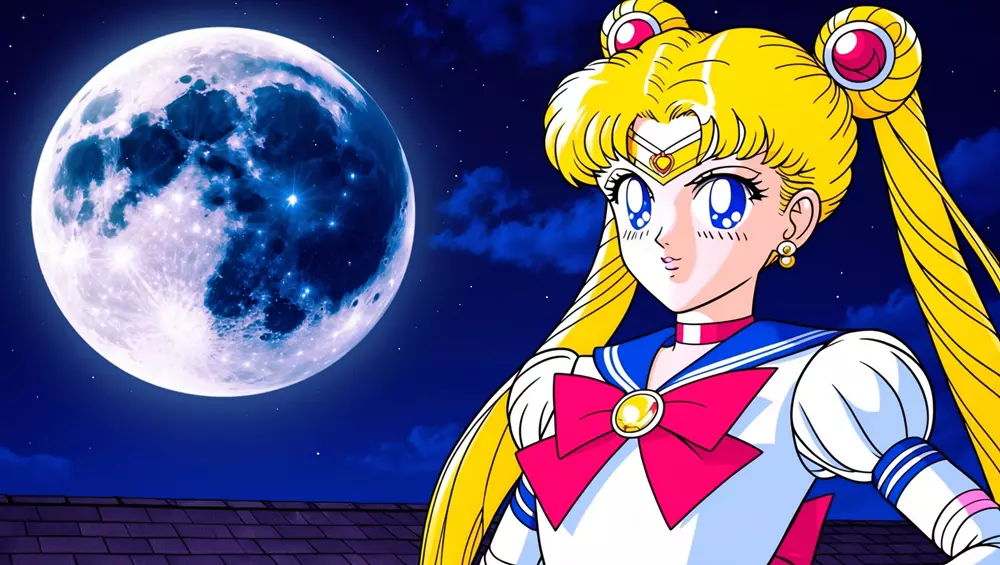
In Sailor Moon, a Japanese anime series, the heroine is tied to the moon, drawing from Shinto and other Japanese beliefs that the moon embodies femininity, intuition, and purity. Her character embodies traits traditionally associated with lunar symbolism.
In Marvel’s Thor franchise, Thor is associated with lightning and storms (tied to the sun’s power), while Loki represents chaos and trickery, often aligning with moon symbolism in his mystical abilities. This dynamic between the brothers reflects ancient dualities of order and chaos, light and darkness.
In contemporary art, the sun and moon are frequent motifs. Artists like Vincent Van Gogh depicted the sun and moon in The Starry Night, emphasizing the cosmic wonder and mystery associated with the night sky.
The swirling moon evokes feelings of introspection, drawing on age-old beliefs in its emotional influence.
In astrology and horoscopes, the sun and moon continue to influence personality interpretation and life guidance, much like in ancient times. People look to their “sun sign” and “moon sign” for insights on identity and emotional nature, maintaining a direct connection to celestial symbols.
Disney’s Moana showcases the moon’s guiding role. The heroine follows the stars and moon to navigate the ocean, reflecting Polynesian beliefs in celestial navigation and the moon’s power to guide travelers across vast waters.

Even in psychology, the “lunar effect” theory suggests that the moon impacts human behavior, especially during full moons. This concept echoes ancient beliefs in the moon’s power over emotions and the human psyche.
Finally, in modern literature, works like The Sun Is Also a Star use sun symbolism to explore themes of fate, love, and life’s interconnectedness, capturing humanity’s enduring fascination with the sun and its role in our lives.
These examples reflect the timeless appeal of the sun and moon as symbols. Through modern culture, we see how these celestial bodies remain central to our collective imagination, continually inspiring and guiding us across generations.
The sun and moon, ever-watchful, keep their place in our stories, offering light, shadow, and a reminder of the mysteries that lie beyond.
Sources
World History Encyclopedia
This source provides detailed explanations on Norse mythology, including the roles of the sun and moon and their influence on culture and myth
Ancient Origins: Norse Sun and Moon Myths
Offers insights on the sun and moon in Norse mythology, discussing cosmic symbolism and the interactions between these celestial bodies
Listverse: Mythological Origins of Day and Night
This article discusses various mythologies’ explanations of day and night, covering cultures like Aztec, Egyptian, and Mesopotamian
Babylonian Mythology Worldwide
Focuses on Mesopotamian mythology and the cultural significance of the sun and moon, including their roles in social and religious life
Ancient Origins: Solar Gods and Chariots
Provides information on solar gods and their associations with chariots, showcasing the universal theme of solar deities across cultures
FAQ
Ancient Egypt compared to Mesopotamia, Hinduism, and Mesoamerica
| Aspect | Ancient Egypt | Mesopotamia | Hinduism | Mesoamerica |
|---|---|---|---|---|
| Sun deity | Ra was revered as the primary sun deity in ancient Egyptian culture. | Sin was the prominent moon deity, symbolizing wisdom in Mesopotamia. | The sun represented life and order, while the moon embodied mystery. | The sun was crucial for agriculture, influencing Egyptian civilization's growth. |
| Moon deity | Surya was worshipped as the sun god, embodying light and energy in Hinduism. | Chandra, the moon god, represented change and femininity in Hindu beliefs. | In Hinduism, the sun symbolizes health and prosperity, while the moon signifies calmness. | Rituals often included offerings to Surya for blessings of fertility and success. |
| Symbolism | In Mesoamerica, the sun was associated with agricultural cycles and fertility. | The moon was linked to the tides and women's cycles in Mesoamerican cultures. | The sun symbolized strength and vitality, while the moon represented duality. | Rituals included ceremonies to honor both celestial bodies for balance. |
| Cultural significance | The sun's role in creation myths often highlights its life-giving properties. | Moon myths frequently explore themes of transformation and the passage of time. | Creation stories often depict the sun as a source of light and order. | Rituals were performed to ensure harmony between the sun and moon's influences. |
| Creation myths | ||||
| Ritual practices |