Mountain Giant – Overview
Mountain Giants are mythological entities depicted as enormous beings tied to mountainous regions. They possess significant strength and often embody natural forces. These giants hold roles in many cultural mythologies, indicating their pervasive presence. Their portrayal varies, but they consistently symbolize the untamed power of nature.
Often seen as formidable guardians or adversaries, Mountain Giants reflect human awe and fear of imposing landscapes. Found globally, they demonstrate consistent thematic elements across mythologies, such as association with strength and the natural environment. These beings are integral to understanding human interpretations of mountains as both mystical and perilous.
Defining Characteristics
Physical Form and Morphology
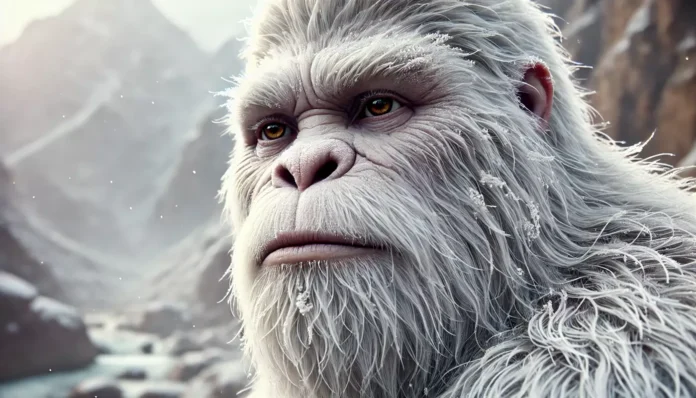
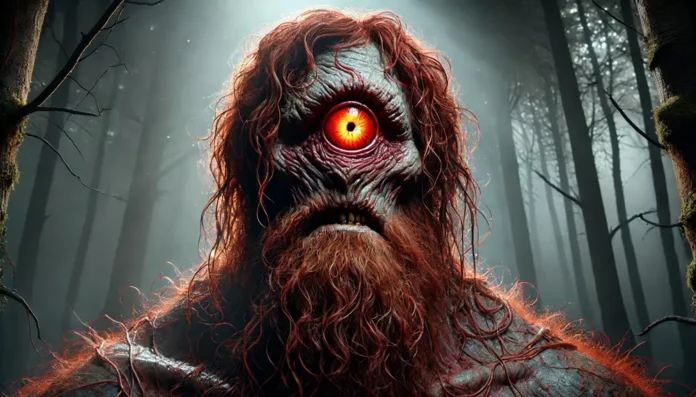
Mountain Giants typically exhibit towering statures, embodying the grandeur of the mountains they inhabit. Their physical forms often include rocky or earthen skin, symbolizing their unity with the earth. This morphology underscores their otherworldly nature.
These giants frequently possess features likened to craggy cliffs and rugged terrains. Their immense size and earthy appearance create an image of immensity and timelessness, reinforcing their roles as natural monoliths within mythological narratives. Such depictions highlight their embodiment of the mountain’s strength.
Ontological Nature
Mythologically, Mountain Giants are considered liminal beings, existing between the mortal and divine realms. They often straddle the boundary between physical and spiritual worlds, embodying supernatural traits. This liminality is key in their narrative roles as forces of nature.
Their existence often serves as a bridge between human and divine interactions with the natural world. This ontological role emphasizes their position as intermediaries in the mythic order, with their presence reinforcing the connection between humanity and the environment.
Mythological Role and Function
Place in Mythological Systems
Mountain Giants frequently act as guardians of sacred spaces or barriers to human ambition, reflecting their function within mythological systems. They often challenge heroes or safeguard treasures, symbolizing the trials imposed by nature itself.
These giants interact with deities and humans, often serving as protectors of the landscape. This interaction highlights their role in balancing natural and supernatural forces, embodying the mountain’s formidable yet protective nature within mythological narratives.
Perception and Meaning
In cultural narratives, Mountain Giants are often perceived as both protectors and threats, embodying the dual nature of mountains. They are seen as embodiments of natural power, representing unpredictability and stability in equal measure. This duality is significant.
Their symbolic interpretation as protectors aligns with the idea of mountains as sacred spaces. Conversely, their portrayal as threats reflects humanity’s struggles against natural forces. This dual perception illustrates the mountain’s complex symbolic role in human consciousness.
Distinction from Related Beast Types
Conceptual Boundaries
Mountain Giants differ from elemental beings in their embodiment of specific geographic features rather than raw elements. Unlike spirits or animal-based creatures, they represent the physicality and grandeur of their environment, unique in their geographic association.
While humanoid monsters may share physical traits with Mountain Giants, the latter’s connection to natural landscapes sets them apart. This distinction emphasizes their identity as manifestations of the earth’s strength, rooted in their geographic and symbolic importance.
Common Sources of Confusion
Mountain Giants are sometimes confused with earth giants due to their terrain-associated features. However, they are distinct in their thematic ties to mountains specifically, as opposed to general earthen elements. This specificity is crucial for accurate classification.
Confusion also arises from their depiction alongside deities or elemental figures, leading to misclassification. Scholars emphasize their unique geographic link, distinguishing them from broader elemental or divine categories within comparative mythological studies.
Canonical Beasts Associated with This Beast Type
Jötnar
Originating in Norse mythology, Jötnar are giant beings associated with mountains and wilderness. Their representation as ancient and powerful entities underscores their classification as Mountain Giants, reflecting their mythic connection to natural forces.
Gigantes
In Greek mythology, Gigantes were born from the earth and often depicted battling gods. Their association with mountainous regions and embodiment of raw strength aligns them with the Mountain Giant archetype, highlighting their mythological prominence.
Fengdu Ghost City Giants
In Chinese folklore, giants inhabit the legendary Fengdu Ghost City, a mountainous realm. Their role as both guardians and embodiments of the landscape’s mystical aspects solidifies their status as Mountain Giants, reflecting cultural interpretations of sacred spaces.
Historical Distribution and Cultural Context
The concept of Mountain Giants appears globally, with notable instances in Norse, Greek, and Chinese mythologies. They are prevalent in cultures with prominent mountain ranges, suggesting a universal human response to imposing natural features. Their distribution is widespread.
Throughout history, these giants appear in regions where mountains hold cultural or religious significance. This suggests their symbolic role as embodiments of natural power and mystery, prevalent in societies with geographic and spiritual ties to mountainous landscapes.
Scholarly Interpretation and Uncertainty
Variation in Definitions
Definitions of Mountain Giants vary across cultures due to differing cosmologies and geographical influences. Scholars note that while the core concept remains consistent, interpretations and narrative roles can diverge significantly based on cultural context and historical period.
These differences illustrate the adaptability of the Mountain Giant archetype, allowing it to serve diverse symbolic and narrative purposes. Despite variations, the central theme of giants as natural embodiments persists, highlighting their enduring mythological relevance.
Limits of Available Evidence
Evidence regarding Mountain Giants often comes from fragmented myths and regional folklore, leading to gaps in understanding. Scholarly consensus acknowledges these limitations, with interpretations frequently based on secondary sources or comparative mythology frameworks.
No verified sources describe Mountain Giants in consistent detail across all traditions. This lack of uniformity underscores the challenges in fully reconstructing their mythological significance, necessitating careful analysis and acknowledgment of uncertainties in historical narratives.
Mythological Role Across Cultures
Mountain Giants recur across mythologies due to shared human experiences with awe-inspiring landscapes. They address themes of power, protection, and nature’s unpredictability, reflecting universal concerns. This recurrence highlights their symbolic function as intermediaries between humanity and natural forces.
Their roles emphasize the mountains’ sacred and formidable nature, fostering respect and fear. Understanding their presence in mythologies aids in interpreting cultural values and human interactions with the environment, offering insights into diverse mythological systems and their symbolic functions.