
back to top

Musical Spirit

Musical Spirit creatures are mythological beings defined by their connection to sound and harmony, embodying music's symbolic roles.

Relevant Beasts
Denmark
Musical Spirit
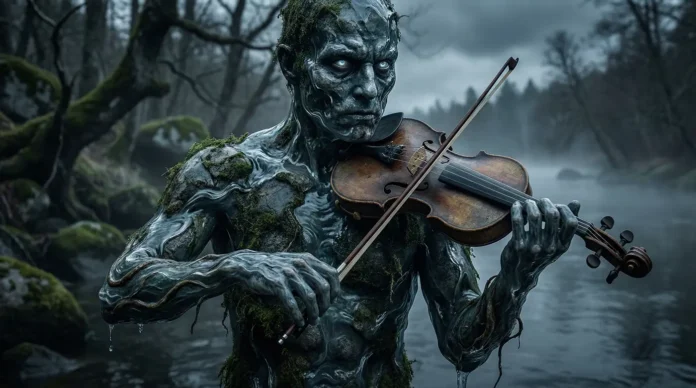
Näcken - The Enigmatic Water Spirit - Scandinavian folklore
Denmark

Näcken

The Näcken is a water spirit from Scandinavian folklore, known for its enchanting musical abilities and shapeshifting nature.
  • Skills
Illusions & PerceptionMelody Control
  • Weaknesses
Cold SteelEnvironmental Limits
Iran
Horned Creature
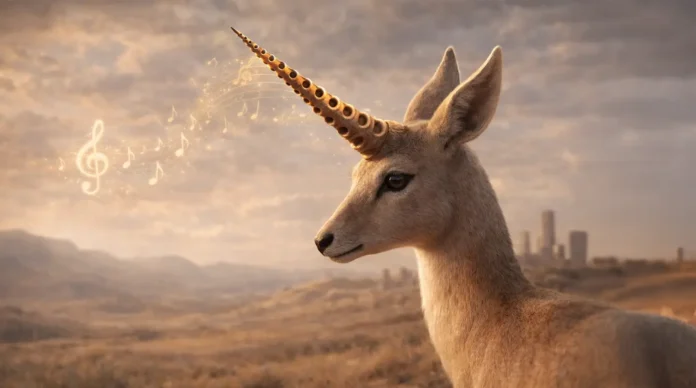
Shadhavar or Âras - Persian Mythology
Iran

Shadhavar

The Shadhavar is a unicorn-like creature from Persian folklore whose horn produces beautiful, enchanting music.

  • Skills
EnchantmentMelody Control
  • Weaknesses
DeafnessLight

Musical Spirit – Overview

The concept of a Musical Spirit represents a mythological beast type marked by a unique synthesis of sound and spirit. These beings are frequently depicted as intermediaries between cosmic soundscapes and the physical world, embodying the transformative power of music. Across diverse cultures, they fulfill roles that range from mediators to divine messengers, reflecting universal themes of harmony and discord. Their presence in mythology underscores the intrinsic link between music and spiritual realms, often seen as conduits of divine will or cosmic order.

Defining Characteristics

Physical Form and Morphology

Musical Spirits often display ethereal and fluid forms that resonate with their sonic nature. Characteristically, they possess features such as wings or instruments that appear integrated into their bodies. This integration serves to manifest their confluence of auditory and physical attributes. The recurring visual theme is that these beings exhibit a light, airy presence, suggesting their natural affinity with sound waves and musical vibrations. Such morphology emphasizes their connection to unearthly realms, enhancing their mystical aura.

Ontological Nature

These beings are typically perceived as supernatural entities, transcending the material world’s limitations. They exist at the confluence of sound and spiritual energy, often depicted as hybrid or liminal in nature. As intermediaries, Musical Spirits bridge the metaphysical and material, embodying the harmony or chaos of sound. Their existence is frequently portrayed as an elemental force, reflecting a cosmic balance that influences natural and spiritual phenomena. This dual nature aligns them with broader mythological structures as agents of transformation.

Mythological Role and Function

Place in Mythological Systems

Musical Spirits occupy significant roles within mythological systems, often acting as messengers or agents for deities. They serve pivotal functions, linking divine entities and mortals through the medium of sound. Their interactions can dictate the course of events, symbolizing communication across realms. In many traditions, they embody the moral and cosmic principles inherent in the music they generate or guide, reinforcing their significance as harbingers of divine order or disruption.

Perception and Meaning

Culturally, Musical Spirits are perceived variably, ranging from benevolent protectors to ominous harbingers. They often embody abstract concepts such as inspiration, prophecy, or destruction. Their presence can symbolize the cultural importance of music in maintaining cosmic harmony. In some traditions, they are revered as sources of artistic or spiritual enlightenment. Conversely, they might be seen as unpredictable forces, reflecting the dual nature of music as both a creative and destructive power in human and divine affairs.

Distinction from Related Beast Types

Conceptual Boundaries

Musical Spirits differ from elemental beings by their intrinsic connection to sound rather than broader natural forces. Unlike spirits associated with particular elements, these entities are specifically bound to musical expressions. Furthermore, they diverge from humanoid or animal-based creatures by embodying the abstract concept of music itself. Their identity is not tied to physical form but to the ethereal quality of musical energies, setting them apart from more corporeal mythological entities.

Common Sources of Confusion

Confusion often arises when Musical Spirits are conflated with other spiritual or elemental entities due to their ethereal nature. This misidentification can occur in mythologies where music is a central theme, leading to overlapping roles. Scholars distinguish Musical Spirits by emphasizing their unique role as embodiments of sound rather than as mere participants in musical rituals. This distinction is crucial for understanding their specific function and significance within mythological contexts.

Canonical Beasts Associated with This Beast Type

Siren

Originating in Greek mythology, Sirens are prototypical examples of Musical Spirits. Known for their enchanting songs, they embody the seductive and destructive power of music, luring sailors to their doom. Their cultural identity firmly establishes them within this category.

Apkallu

In Mesopotamian lore, the Apkallu are wise beings often associated with divine music and knowledge. Their role in transmitting sacred songs and wisdom to humanity exemplifies the transformative nature of Musical Spirits in facilitating divine communication.

Gandharva

Hailing from Hindu mythology, Gandharvas are celestial musicians and messengers. They illustrate the archetype of Musical Spirits as divine intermediaries, whose music maintains cosmic harmony and connects the earthly and divine realms through sound.

Historical Distribution and Cultural Context

Musical Spirits appear across numerous cultures, from ancient Mesopotamia to classical Greece and India. They are most prevalent in societies where music plays a crucial role in religious or cultural practices. These beings reflect historical periods where music was seen as a divine gift or a conduit for spiritual communication, demonstrating their widespread cultural significance. Their presence in diverse traditions underscores a shared human understanding of music’s mystical and transformative power.

Scholarly Interpretation and Uncertainty

Variation in Definitions

Definitions of Musical Spirits can vary significantly across cultures and academic interpretations. Some traditions emphasize their role as divine messengers, while others highlight their destructive potential. This variability reflects broader cultural attitudes towards music and spirituality. Scholars often debate the boundaries of this category, especially when comparing spirits with overlapping musical and spiritual roles. These differences illustrate the complex interplay between myth, music, and cultural expression.

Limits of Available Evidence

The historical record offers limited concrete evidence on the specifics of Musical Spirits across all cultures. Many interpretations rely on fragmented texts or oral traditions, leading to gaps and ambiguities. No verified sources describe this for all contexts universally. Scholars must navigate these uncertainties carefully, distinguishing between established mythological roles and speculative interpretations. This underscores the need for cautious analysis when reconstructing the role of Musical Spirits in ancient belief systems.

Mythological Role Across Cultures

Musical Spirits recur across mythological traditions due to their symbolic representation of sound’s transformative power. They address universal human concerns about communication with the divine and the moral implications of music. By embodying these themes, they serve as a bridge between the material and spiritual worlds, reinforcing music’s role in cultural identity and cosmic balance. This recurrence highlights a shared cultural understanding of music as a sacred force, crucial for interpreting mythological narratives and frameworks comparatively.