
back to top

Object Spirit

Object Spirit entities are mythological beings defined by their embodiment of inanimate objects, playing symbolic roles in various cultural narratives.

Relevant Beasts
Asia
Object Spirit
Kasa-Obska - Japannese folklore
Japan

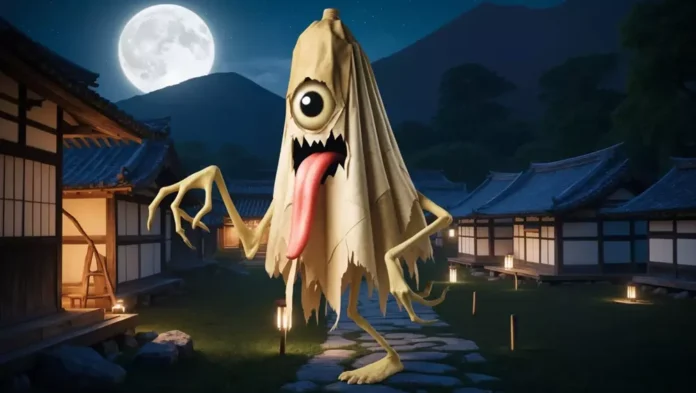
Kasa-obake

Kasa-obake is a one-eyed, one-legged umbrella spirit in Japanese folklore, known for surprising and tricking people.

  • Skills
DisguiseSurprise Attack
  • Weaknesses
Dry Land HarmSun Harm

Object Spirit – Overview

The concept of the Object Spirit in mythology refers to entities that embody or personify objects, granting them life or agency. These spirits often serve specific roles in mythological narratives, bridging the natural and supernatural worlds. Object Spirits tend to maintain distinct characteristics that separate them from other spirit types, contributing uniquely to a culture’s understanding of the cosmos. They typically function as intermediaries between humans and the divine, often reflecting cultural beliefs about the animistic nature of the world. Across various traditions, Object Spirits illustrate themes of transformation and transcendence.

Defining Characteristics

Physical Form and Morphology

Object Spirits are often depicted in forms that closely resemble the object they are associated with, although they may also adopt any form that expresses their function or symbolic nature. For example, a spirit associated with a river might appear as a fluid, shifting entity, embodying the essence of water. Despite appearing object-like, these spirits are typically portrayed as possessing agency and mobility, reflecting their unique status within mythological frameworks. Their appearance may also include anthropomorphic features, but these vary according to cultural contexts and the object they personify.

Ontological Nature

In mythological terms, Object Spirits are considered supernatural entities that exist beyond the ordinary physical realm. They often occupy a liminal space between the natural and the divine, acting as custodians or guardians of the objects they represent. These spirits reflect a broader animistic worldview, where objects can possess life and spiritual significance. Their nature is inherently linked to the metaphysical order, often demonstrating the interconnectedness of all things. Object Spirits frequently serve as reminders that the material world is imbued with unseen forces and life.

Mythological Role and Function

Place in Mythological Systems

Within broader mythological systems, Object Spirits often function as essential components of cosmologies, reinforcing cultural beliefs about the interconnectedness of the universe. They interact significantly with gods, humans, and the natural environment, often depicted as maintaining cosmic balance. These spirits may act as agents of change, ensuring the continuation of natural cycles or fulfilling divine mandates. Their presence underscores the idea that all aspects of creation have a spiritual dimension and purpose. Object Spirits typically uphold moral frameworks by embodying virtues or warnings against hubris.

Perception and Meaning

Cultures generally perceive Object Spirits as protectors or guardians, though their roles can vary widely. In some traditions, they are revered as benevolent entities; in others, they may serve as omens or punishers for human transgressions. The symbolic interpretation of these spirits is deeply embedded in cultural practices and narratives, reflecting broader societal values. For instance, they might be celebrated in rituals that honor the sacredness of nature and the interconnectedness of all life. Their dual nature as both protectors and punishers highlights the complexity of human interaction with the divine.

Distinction from Related Beast Types

Conceptual Boundaries

Object Spirits differ fundamentally from other beast types such as elemental beings and humanoid monsters. While elemental beings are associated with natural phenomena like wind or fire, Object Spirits are specifically tied to tangible objects or artifacts. Unlike humanoid monsters, they do not primarily personify human fears or desires. Instead, they inhabit a unique space within the mythological landscape, focusing on the spiritual significance of physical objects. This separation emphasizes their role as mediators between the spiritual and material realms, highlighting a distinct ontological identity.

Common Sources of Confusion

The boundaries between Object Spirits and other mythological entities can be blurred, leading to misconceptions about their nature and function. They are sometimes conflated with ancestral spirits or deities due to their supernatural qualities. Scholars often clarify distinctions by focusing on the specific object associations and cultural contexts that define Object Spirits. Comparative mythology helps in differentiating them by examining their symbolic roles and functions across various traditions. This analytical approach ensures a clearer understanding of their unique place in the mythological canon.

Canonical Beasts Associated with This Beast Type

Tsukumogami

Originating from Japanese folklore, Tsukumogami are objects that acquire spirits after one hundred years. They exemplify the Object Spirit type by embodying household items that gain consciousness and agency, reflecting animistic beliefs.

Mokke

In Chinese mythology, Mokke are spirits inhabiting crafted objects, such as tools or instruments. These spirits are believed to protect the objects’ integrity, representing the Object Spirit type by manifesting as guardians of human craftsmanship.

Patupairehe

From Maori tradition, Patupairehe are ethereal beings associated with mist and can inhabit natural objects like stones. They exemplify the Object Spirit type through their connection to environmental features, enhancing cultural narratives of sacred landscapes.

Historical Distribution and Cultural Context

Object Spirits appear in diverse cultural contexts, from the animistic traditions of Asia to indigenous beliefs in Oceania. Their presence often coincides with societies emphasizing harmony with nature and the spiritual significance of everyday objects. In many cultures, these spirits became integral to ritual practices and storytelling, underscoring the belief in a world animated by unseen forces. Historical records indicate their prevalence in regions with rich oral traditions, where the spiritual dimension of objects was a key aspect of cultural heritage. Over time, these entities have persisted in folklore, highlighting their enduring relevance.

Scholarly Interpretation and Uncertainty

Variation in Definitions

Scholars differ in their interpretations of Object Spirits due to cultural and historical variations. Some view them as extensions of animistic belief systems, while others emphasize their role in mythological symbolism. These interpretations may shift as new evidence emerges, illustrating the fluidity of mythological scholarship. Despite these differences, Object Spirits are consistently recognized for their unique function in mediating between the human and spiritual worlds. Their definition often depends on the specific cultural and temporal context being considered, reflecting the diversity of human belief systems.

Limits of Available Evidence

Gaps in historical and archaeological evidence pose challenges in fully understanding Object Spirits. Many traditions rely on oral histories, which can change over time. Consequently, definitive descriptions of these entities are often elusive, with scholars relying on comparative analysis to fill knowledge gaps. Limited physical evidence means some aspects of these spirits remain speculative, emphasizing the need for cautious interpretation. Scholars acknowledge that while many interpretations exist, some remain largely informed by cultural context and historical reconstructions, avoiding assertive conclusions without substantiation.

Mythological Role Across Cultures

Across diverse mythological traditions, Object Spirits address fundamental human concerns about life, death, and the sacredness of the material world. They serve as metaphors for transformation, illustrating the potential for ordinary objects to become extraordinary through divine influence. These spirits often highlight the interconnectedness of life and the spiritual dimensions inherent in the world around us. Their recurring presence in mythologies worldwide underscores a shared human desire to understand and articulate the invisible forces shaping existence. By studying these entities, scholars gain insight into common themes and motifs in global mythologies.