back to top

River Guardian

Relevant Beasts

Czech
River Guardian
Vodyanoy - Slavic water beast
Czech

Vodyanoy

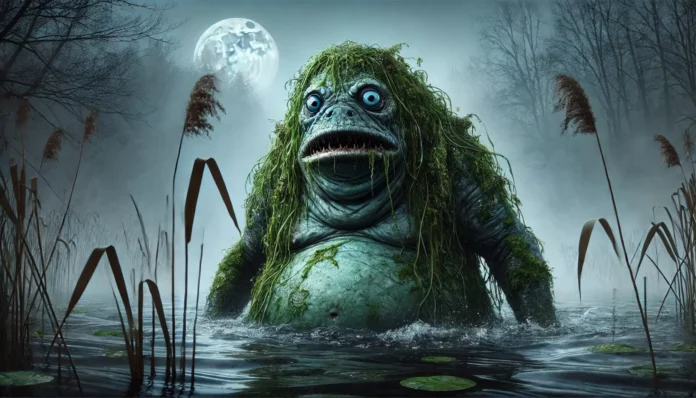
The Vodyanoy is a Slavic water spirit known for its temper and affinity for rivers and ponds, capturing unwary...

  • Skills
Shape ShiftingStealth
  • Weaknesses
Divine RestrictionsExorcism

River Guardian – Overview

The concept of the River Guardian is rooted in diverse mythological traditions, symbolizing beings that protect or embody bodies of water. These entities are often associated with rivers, streams, and freshwaters, holding key roles as protectors, intermediaries, or embodiments of natural forces. Their presence is crucial to maintaining balance within the mythologies they inhabit, serving as symbols of both protection and potential destruction, depending on their interactions and the cultural context.

Defining Characteristics

Physical Form and Morphology

River Guardians are typically depicted as beings with fluid, serpentine bodies, reflecting the flowing nature of water. They often possess scales or aquatic features such as fins or gills, emphasizing their connection to the aquatic realm. Some traditions might describe them with more humanoid characteristics, yet with prominent aquatic traits, allowing them to navigate both land and water seamlessly, enhancing their mystique and adaptability.

Ontological Nature

These entities are traditionally understood as liminal beings, existing between the natural and supernatural worlds. They are often seen as manifestations of the rivers they guard, embodying the spirit or essence of these waters. Their existence is intertwined with the natural order, serving as guardians of the delicate balance within ecosystems, and symbolizing the life-giving and destructive power of water.

Mythological Role and Function

Place in Mythological Systems

River Guardians fit into mythological systems as protectors of waterways, often involved in narratives concerning the safeguarding of natural resources. They are closely linked to deities or spirits associated with water, and may act as intermediaries between humans and these higher powers. Their role can include regulating the flow of water, preventing floods, or ensuring the fertility of lands through their control over river systems.

Perception and Meaning

In many cultures, River Guardians are perceived as protectors, ensuring the safety and prosperity of communities reliant on rivers. However, they can also be seen as threats, with myths often warning against angering these spirits, lest they bring floods or droughts. Symbolically, they embody the duality of water as both a life-sustaining and potentially destructive force, reflecting broader cultural attitudes toward nature.

Distinction from Related Beast Types

Conceptual Boundaries

River Guardians differ from elemental beings or spirits, which may represent broader natural elements like fire or air. While elemental beings are often abstract, River Guardians are specifically tied to water bodies, emphasizing the physical and spiritual aspects of rivers. They are distinct from humanoid monsters which primarily interact with human society directly, as their focus is typically on preserving natural balance.

Common Sources of Confusion

Confusion arises when River Guardians are compared to water deities or spirits, which may have overlapping domains. However, River Guardians are more localized, often embodying specific rivers or bodies of water. Scholars distinguish them by emphasizing their protective roles and their embodiment of specific aquatic environments, rather than broader cosmic or elemental domains.

Canonical Beasts Associated with This Beast Type

Jiaolong

In Chinese mythology, the Jiaolong is considered a River Guardian, known for its dragon-like appearance and association with water. It is believed to control water bodies and bring rain, embodying the water's power.

Vodyanoy

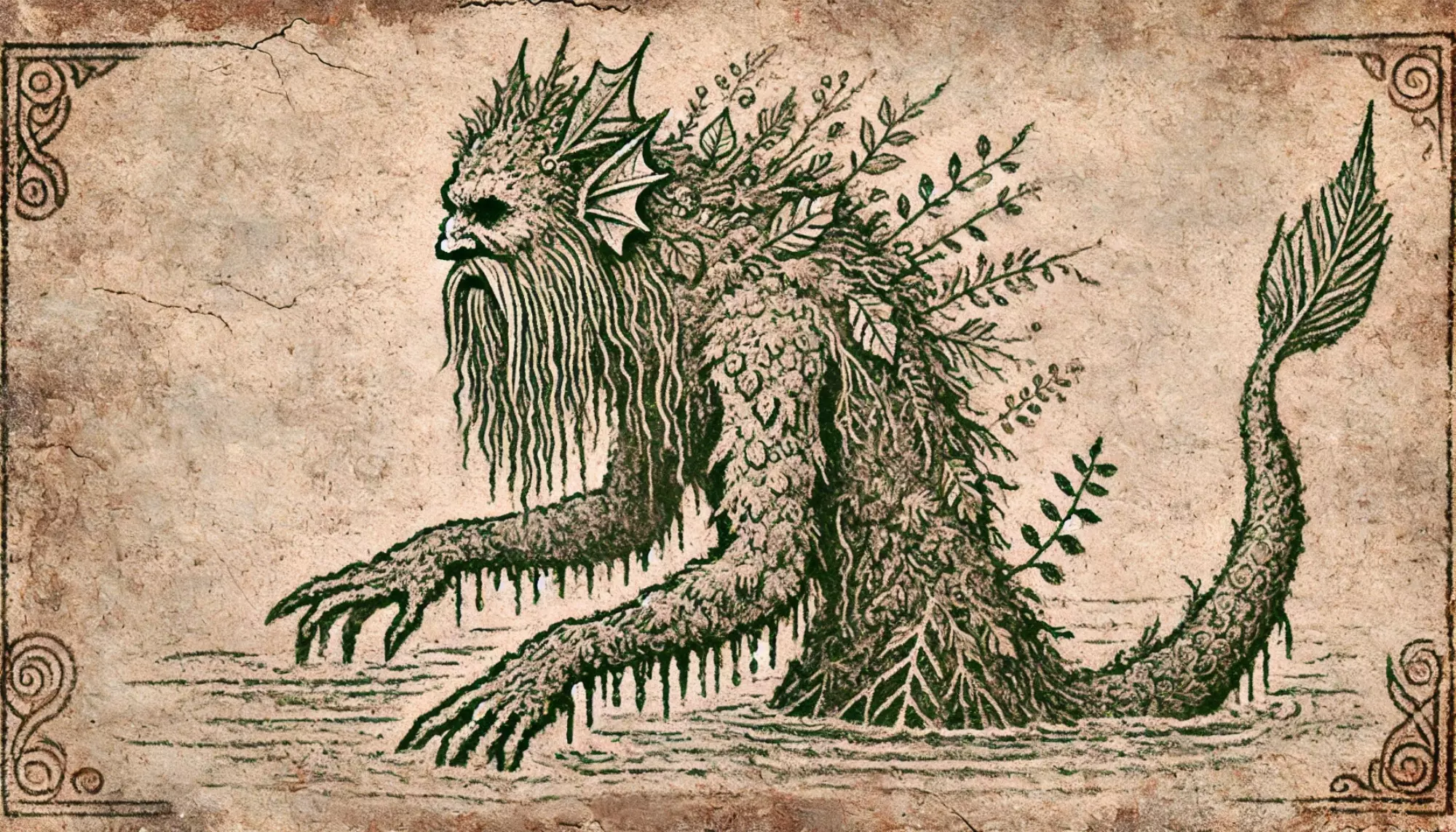
[caption id="attachment_5009" align="aligncenter" width="2000"]Vodyanoy in Slavic drawing Vodyanoy in Slavic drawing[/caption]The Vodyanoy from Slavic folklore serves as a River Guardian, residing in rivers and lakes. It is often depicted as an old man with a frog-like face, controlling waters and protecting aquatic creatures. Read more

Nahuelito

Nahuelito, from South American legends, is associated with Lake Nahuel Huapi in Argentina. This serpent-like creature is said to protect the lake and its surrounding areas, reflecting the guardian aspect of this beast type.

Historical Distribution and Cultural Context

River Guardians appear in diverse mythologies, including those of East Asia, Slavic regions, and South America. They are particularly prevalent in cultures with strong ties to waterways, where rivers play crucial roles in agriculture, transportation, and spirituality. These entities reflect a global acknowledgment of water's importance, shaping how societies interact with their natural environment across historical periods.

Scholarly Interpretation and Uncertainty

Variation in Definitions

Definitions of River Guardians vary widely, shaped by the cultural, historical, and environmental contexts of each society. While some view them as purely protective, others might emphasize their role as enforcers of natural laws. Academic frameworks may focus on different aspects, such as their spiritual significance or ecological impact, leading to diverse interpretations across disciplines.

Limits of Available Evidence

There are gaps in the historical record regarding River Guardians, with many traditions relying on oral histories or fragmented texts. This can lead to ambiguities and debates among scholars about their origins and specific roles. Without comprehensive texts, interpretations remain tentative, often reconstructed from secondary sources or comparative mythology.

Mythological Role Across Cultures

The recurrence of River Guardians across cultures underscores a shared human concern for water's vital role in sustaining life. These entities address fundamental needs for protection, fertility, and balance, serving as symbolic representations of water's duality. Recognizing their role enhances comparative mythology, offering insights into how cultures understand and value their natural environments, and the symbiotic relationships they maintain with ecological systems.