back to top

Sentient Plant

Sentient Plant creatures are mythological beings known for their intelligence and symbolic roles in various cultural narratives.

Relevant Beasts

Hebrews
Sentient Plant
Hebrews

Mandrake

Duda'im, the mystical plant-like being, is a symbol of fertility and divination in ancient Hebrew lore, known for its...

  • Skills
Healing & LifeHealing Touch
  • Weaknesses
Dry Land HarmEnvironmental Limits

Sentient Plant – Overview

The concept of Sentient Plant represents a mythological beast type characterized by plants endowed with consciousness and agency. These beings often embody the convergence of the natural and supernatural realms. Their recurring presence across cultures signifies the symbolic significance attributed to plant life within mythological thought. Often, they are depicted as intermediaries between humans and the natural or divine worlds. This type of beast reflects humanity’s deep connection with flora, imbuing plants with spiritual or magical qualities.

Defining Characteristics

Physical Form and Morphology

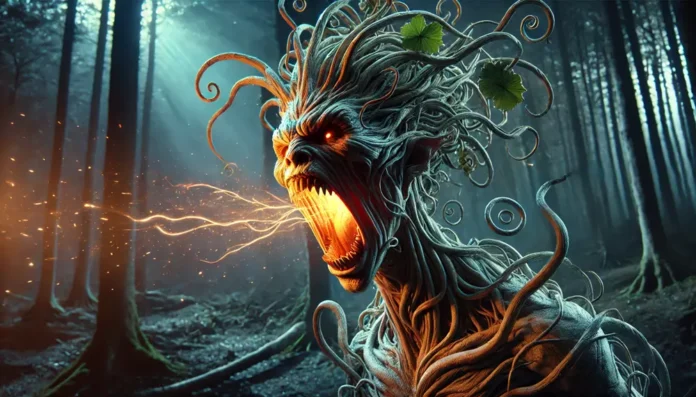
Sentient Plants are typically described as having recognizable plant morphology with anthropomorphic features. This includes human-like faces, limbs, or the ability to move. Vines that mimic limbs or leaves with expressive features are common. Such traits emphasize the dual nature of these beings as both plant and animate entity, thus highlighting their unique position in the mythological hierarchy. The forms they take often symbolize the inherent life force and vitality within the plant kingdom.

Ontological Nature

Mythologically, Sentient Plants are often understood as liminal entities. They exist between the physical and metaphysical worlds, suggesting a dual existence. Their supernatural attributes might include speech, movement, or magical powers. These qualities position them as guardians of sacred spaces or knowledge holders. Their hybrid nature disrupts natural order boundaries, making them powerful symbols of transformation and continuity within mythological narratives.

Mythological Role and Function

Place in Mythological Systems

In mythological systems, Sentient Plants often serve as mediators between humans and higher cosmic powers. They may bridge earthly and divine realms, acting as agents of divine will or nature’s voice. Their interactions with gods, spirits, or humans underscore their agency in upholding natural and moral order. They may also maintain balance within ecosystems, reflecting cultural values emphasizing harmony with nature.

Perception and Meaning

Culturally, Sentient Plants are perceived diversely, ranging from benevolent protectors to ominous threats. They might embody fertility, wisdom, or danger, representing life’s cyclical nature. Their presence can signify divine favor or warning, depending on cultural context. Symbolically, they often reflect the perpetual interplay between life, death, and renewal, with their sentience highlighting the sacredness attributed to plant life.

Distinction from Related Beast Types

Conceptual Boundaries

Sentient Plants differ from elemental beings in their plant-based origins. Unlike spirits or undead entities, their existence is rooted in the physical world. While humanoid monsters and animal-based creatures exhibit animalistic traits, Sentient Plants uniquely combine plant morphology with consciousness. This distinction emphasizes their role as natural guardians rather than mere supernatural phenomena.

Common Sources of Confusion

Sentient Plants are sometimes confused with other supernatural entities due to their shared mystical attributes. However, their explicit plant-based form differentiates them from other mythological categories. Scholars distinguish them through their cultural functions and symbolic roles, which are deeply tied to the natural world. Understanding these distinctions is crucial for accurate classification in comparative mythology.

Canonical Beasts Associated with This Beast Type

Yggdrasil

Originating from Norse mythology, Yggdrasil is considered a quintessential Sentient Plant. As a cosmic tree, it connects various realms, embodying life and knowledge. Its structure symbolizes the interconnectedness of all existence.

Jumna’s Tree

In Indian folklore, Jumna’s Tree is a sentient entity protecting a sacred grove. Its roots intertwine with spiritual beliefs, representing divine presence and ecological balance. It exemplifies the reverence for plant life as sacred.

Rübezahl

In Germanic mythology, Rübezahl is a mountain spirit with plant-like attributes. Known for interacting with humans, it controls the weather and forest growth. Its image blends human and natural elements, reflecting landscape guardianship.

Historical Distribution and Cultural Context

Sentient Plants appear in numerous cultures worldwide, notably in Norse, Indian, and Germanic traditions. These beings often emerge in agricultural societies valuing nature’s bounty. Their historical distribution aligns with ecological regions where plant life is central to survival and spirituality. The mythological role of Sentient Plants reflects broader cultural themes of fertility, conservation, and reverence for the natural world.

Scholarly Interpretation and Uncertainty

Variation in Definitions

Scholarly interpretations of Sentient Plants vary due to cultural differences. Their definitions fluctuate between collective consciousness and individual agency. Some cultures emphasize their protective nature, while others focus on their ominous qualities. These variations highlight the adaptability of Sentient Plant mythology to local ecological and spiritual contexts.

Limits of Available Evidence

The historical record on Sentient Plants holds ambiguities. Many traditions lack textual documentation, relying instead on oral histories. These gaps complicate efforts to categorize such beings definitively. Scholars must navigate these uncertainties carefully, avoiding speculative conclusions when reconstructing their mythological significance.

Mythological Role Across Cultures

Sentient Plants recur across mythologies due to universal concerns about nature’s power and fragility. They address themes of life, death, and regeneration, offering insights into human-environment interactions. Their persistent presence highlights shared cultural efforts to personify and comprehend ecological phenomena. Recognizing these roles aids comparative mythological studies, fostering cross-cultural understanding of humanity’s symbolic relationship with nature.