Spectral Beast – Overview
The Spectral Beast type encompasses mythological entities characterized by their ethereal nature and liminal existence. These beings are often depicted as intermediate entities that bridge the realm of the living with the supernatural. Universally, they embody the unknown and the ungraspable, challenging human understanding of natural laws. Across global mythologies, Spectral Beasts serve to illustrate themes of transformation, mobility between worlds, and the interplay between reality and illusion. These creatures typically interact with the mortal realm under specific conditions, thus influencing narratives about fate, destiny, and cosmic justice.Defining Characteristics
Physical Form and Morphology
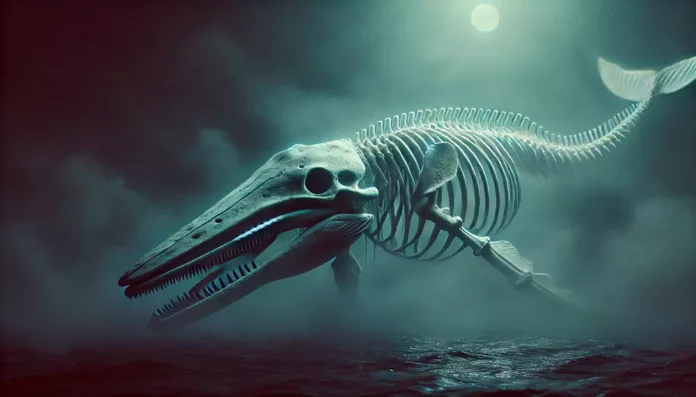
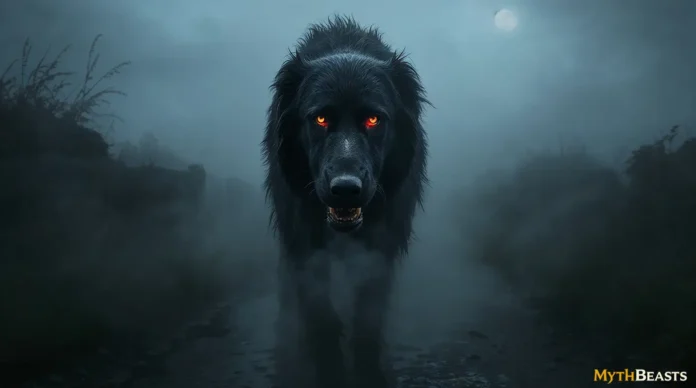
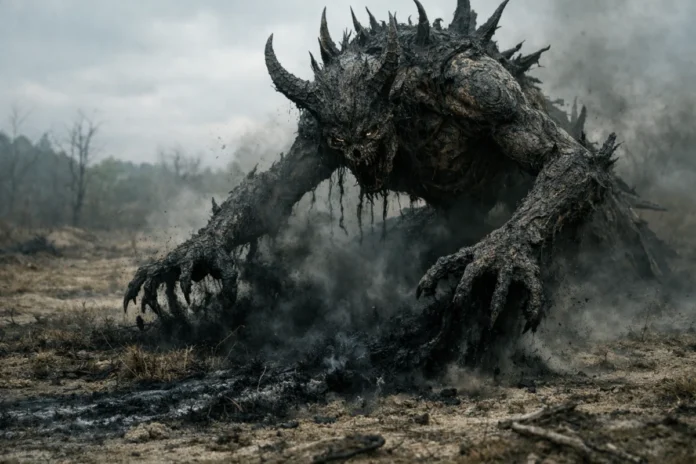
Spectral Beasts generally lack a fixed physical form, displaying attributes that emphasize their transient, elusive nature. Frequently, they are shrouded in mist or shadow, suggesting an existence not fully anchored in the material world. Their appearance may change fluidly, reflecting their capacity to traverse different realities. This absence of rigid morphology marks them as distinct from corporeal creatures, underscoring their role as harbingers or messengers from other realms.Ontological Nature
Mythologically, Spectral Beasts are often perceived as supernatural entities that transcend ordinary biological constraints. They occupy a state between the physical and metaphysical, challenging the boundaries of existence and non-existence. As such, their presence implies a rupture in the natural order, offering insights into hidden truths or prophetic messages. They are considered either as guides or as agents enforcing cosmic balance, reflecting their integral role in maintaining metaphysical harmony.Mythological Role and Function
Place in Mythological Systems
Spectral Beasts frequently appear within mythologies as intermediaries between deities and humans, tasked with delivering omens or enforcing divine will. Their presence often marks a pivotal moment where the boundaries between worlds blur, allowing for the transfer of knowledge or punishment. They operate as agents of equilibrium, ensuring that cosmic laws are upheld, which further emphasizes their importance in maintaining the structure of mythological systems.Perception and Meaning
Cultures often perceive Spectral Beasts as embodiments of mystery and change, imbued with both awe and fear. They may symbolize the human confrontation with the inevitable unknown or serve as omens signaling impending change. Their elusive nature challenges the perception of reality, affirming the presence of unseen forces shaping the world. This duality in perception highlights their complex role as both protectors and harbingers of transformation within cultural narratives.Distinction from Related Beast Types
Conceptual Boundaries
Unlike elemental beings or spirits that exhibit tangible attributes tied to natural phenomena, Spectral Beasts emphasize intangibility and transitional states. They diverge from undead entities which are typically bound to physical remnants or corporeal forms. Their distinction lies in their fluidity and lack of permanence, which sets them apart from more tangible mythological creatures, reinforcing their association with the liminal.Common Sources of Confusion
Spectral Beasts are sometimes conflated with ghosts or phantoms due to their ethereal characteristics. However, they differ fundamentally, serving distinct roles beyond simple hauntings. Scholars differentiate them through their broader interaction with cosmic forces and their symbolic implications within broader mythological frameworks. This differentiation is crucial for understanding their unique narrative significance and ontological status.Canonical Beasts Associated with This Beast Type
The Barghest
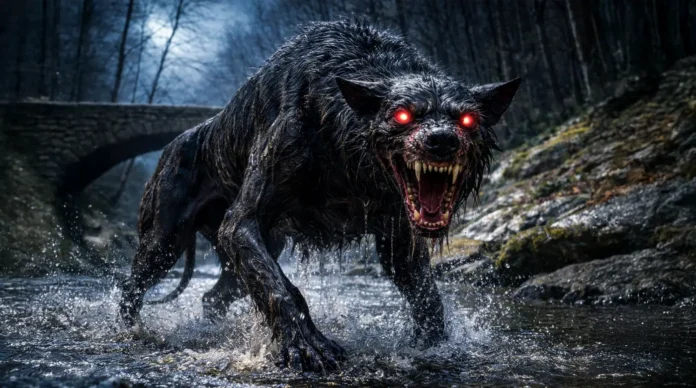
Originating from English folklore, the Barghest is a spectral hound often appearing as an omen of death. Its form is intangible and shifts with the observer's perception. It exemplifies the Spectral Beast through its embodiment of dread and transformative presence in legends.The Tanuki
In Japanese mythology, the Tanuki embodies the characteristics of a Spectral Beast through its shapeshifting abilities and trickster nature. Its metaphysical flexibility and cultural interpretation as a harbinger of fortune or mischief align with the defining traits of this beast type.The Cwn Annwn
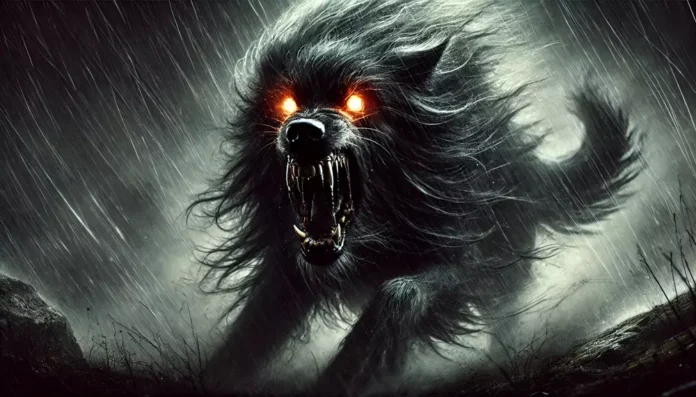
Welsh mythology presents the Cwn Annwn, spectral hounds associated with the otherworld. Their presence signifies transitions between worlds, marking them as quintessential Spectral Beasts. They guide souls, reflecting their role in mythological narratives as mediators of fate and destiny.Historical Distribution and Cultural Context
Spectral Beasts appear in diverse mythological traditions, from European folklore to Asian and African mythologies, illustrating a widespread cultural fascination with liminality. These entities are documented across various historical periods, often during times of societal upheaval or transformation. Their presence in cultural practices underscores their role as mediators and symbols of transition, reflecting universal concerns about the unknown and the unseen forces influencing human existence.Scholarly Interpretation and Uncertainty
Variation in Definitions
Definitions of Spectral Beasts vary among cultures, reflecting differing cosmological views and societal values. Academic frameworks often reinterpret these entities based on evolving cultural contexts, leading to diverse interpretations. This variability highlights the dynamic nature of mythological categorizations, where context shapes understanding.Limits of Available Evidence
No verified sources describe all aspects of Spectral Beasts uniformly, leading to debates among scholars about their exact nature. The absence of comprehensive records necessitates cautious interpretation and highlights the limitations within mythological studies. These gaps reinforce the need for careful, context-aware analysis when reconstructing their mythological significance.Mythological Role Across Cultures
The recurrence of Spectral Beasts across mythologies underscores shared human concerns about the unknown, transformation, and mortality. They address the symbolic need to understand transitions and the unseen forces that govern life. By acknowledging their mythological role, scholars gain insight into universal themes that transcend cultural boundaries, enriching comparative mythological analysis. This continuity highlights their enduring relevance in understanding mythological systems globally.