back to top

Spirit Panther

Spirit Panther embodies mystical traits and symbolic roles, appearing as powerful, elusive creatures in various mythological traditions.

Relevant Beasts

Mississippian
Sacred Animal
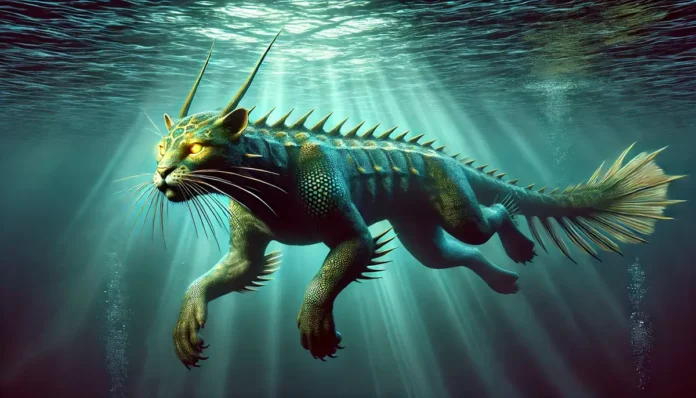
Mishipeshu - the water panther - North American folklore
Mississippian

Mishipeshu

Mishipeshu, the legendary water spirit of Anishinaabe folklore, is a powerful and protective creature. Often depicted as a mix...

  • Skills
Enhanced StaminaSwamp Manipulation
  • Weaknesses
Blunt ForceDry Land Harm

Spirit Panther – Overview

The Spirit Panther is a mythological beast type characterized by its ethereal nature and symbolic significance across cultures. Defined by their shared traits of spiritual embodiment, these creatures often serve as intermediaries between the physical and supernatural realms. They are frequently depicted as guardians, messengers, or harbingers depending on the cultural context. Their presence in mythology reflects humanity’s attempt to grapple with the unseen forces of nature and the metaphysical world. By embodying traits of both predator and protector, the Spirit Panther type encapsulates the dual nature of fear and reverence.

Defining Characteristics

Physical Form and Morphology

Spirit Panthers commonly share feline physical traits, exhibiting sleek bodies, powerful limbs, and acute senses. Their forms often possess ethereal qualities, such as glowing eyes or shimmering fur, symbolizing their otherworldly essence. These creatures are typically depicted with an aura of mystery and majesty, embodying both grace and strength. Despite cultural variations, their feline morphology remains a constant, representing agility and stealth. These physical attributes serve not only as identifiers but as metaphors for their spiritual roles. Their beauty combined with an enigmatic demeanor enhances their mythic presence.

Ontological Nature

Spirit Panthers are often understood as supernatural beings inhabiting liminal spaces between the physical and metaphysical realms. Their existence is frequently positioned within myth as a bridge between mortal and divine. As spiritual entities, they are believed to possess knowledge and powers beyond human comprehension, underscoring their role as mediators. This ontological nature allows them to transcend mundane boundaries, serving as guides or protectors. The Spirit Panther’s dual existence mirrors human curiosity about life beyond the tangible. They encapsulate both the mystery and reality of unseen forces.

Mythological Role and Function

Place in Mythological Systems

Within mythological systems, Spirit Panthers often serve as guardians of sacred spaces or harbingers of important events. They interact with deities, humans, and the natural world, playing roles that reflect the moral and cosmological beliefs of a culture. Their presence can signify a balance between chaos and order, guiding humans through spiritual journeys. Recognized as intermediaries, Spirit Panthers connect the divine with the earthly. This position within mythology highlights their importance in maintaining cosmic order. Their interactions underscore their integrative role across diverse mythological narratives.

Perception and Meaning

Cultures generally perceive Spirit Panthers as both feared and revered entities. They may appear as protectors against evil forces or as omens of change. Their symbolic nature often embodies themes of transformation, power, and mystery. These creatures are rarely benign, holding a dual role as both protector and potential threat. This perception allows them to embody cultural values, such as bravery or wisdom, while also serving as reminders of the unknown. The cultural interpretation of Spirit Panthers varies, but their deep symbolism remains pervasive.

Distinction from Related Beast Types

Conceptual Boundaries

Spirit Panthers differ from other beast types, such as elemental or animal-based creatures, through their unique spiritual and ontological roles. Unlike elemental beings, they are not bound to a single natural force. This distinction allows Spirit Panthers to operate across various domains, unlike elemental creatures confined to specific spheres. Animal-based creatures typically lack the supernatural agency that defines Spirit Panthers. Their hybrid nature sets them apart, providing a broader symbolic canvas. This differentiation underscores their unique position within mythological taxonomies.

Common Sources of Confusion

The Spirit Panther is sometimes conflated with other mythological entities due to shared traits, such as mystery or power. Scholars distinguish them through their specific roles as spiritual intermediaries. This confusion often arises from overlapping symbolic functions with other feline or predatory creatures. Comparative mythology clarifies these distinctions by emphasizing their unique spiritual significance. Understanding the Spirit Panther’s role as a liminal entity helps differentiate it from other creatures. This clarity is essential for proper taxonomic classification.

Canonical Beasts Associated with This Beast Type

Bagh Nakh

Originating from Indian folklore, the Bagh Nakh is a mythical panther known for its protective role. It guards sacred groves and is revered for its supernatural wisdom, embodying the Spirit Panther’s dual nature.

Ocelotl

In Aztec mythology, the Ocelotl is a jaguar-like entity symbolizing strength and the underworld’s mysteries. It bridges human and divine realms, embodying the Spirit Panther’s spiritual intermediary role.

Nguruvilu

This Chilean mythological creature combines serpentine and feline traits, often seen as a guardian of waterways. Its hybrid form and protective nature are emblematic of the Spirit Panther type.

Historical Distribution and Cultural Context

The Spirit Panther motif appears in diverse cultures across Asia, the Americas, and Africa, reflecting a universal theme of spiritual guardianship. It surfaces in historical periods marked by explorations of the supernatural. Its widespread distribution suggests that the Spirit Panther fulfills a cross-cultural need for entities that bridge natural and metaphysical worlds. This presence in various cultural environments indicates its adaptability to different mythological frameworks, highlighting its enduring significance. The Spirit Panther’s role as a spiritual symbol is evident in its prominence across global traditions.

Scholarly Interpretation and Uncertainty

Variation in Definitions

The definition of Spirit Panther varies among scholars, influenced by cultural and historical contexts. Some view it as a purely spiritual entity, while others emphasize its hybrid nature. Academic frameworks often reflect these differences, leading to varied interpretations. These variations demonstrate the complexity of classifying mythological entities, highlighting the Spirit Panther’s multifaceted role. Understanding these divergent perspectives is crucial for accurate mythological analysis. Scholars continue to debate its defining aspects, reflecting evolving interpretations.

Limits of Available Evidence

The mythological record lacks comprehensive documentation on Spirit Panthers, leading to gaps and ambiguities. No verified sources describe all aspects consistently across contexts. Scholars rely on fragmented evidence from folklore and oral traditions. This limitation presents challenges in forming definitive conclusions. Established interpretations draw on interdisciplinary studies, but uncertainties remain. Researchers acknowledge these gaps, prompting cautious analysis and interpretation. The limits of evidence invite ongoing scholarly debate and exploration.

Mythological Role Across Cultures

Spirit Panthers recur across mythological traditions due to their symbolic resonance with universal human concerns. They embody themes of power, mystery, and spiritual guardianship, addressing cultural needs for protection and guidance. Recognizing this role aids in interpreting mythological systems comparatively, revealing shared human experiences. Their presence highlights the importance of spiritual intermediaries in navigating the unknown. This recurring motif underscores the Spirit Panther’s role in myth as a conduit between realms. Understanding this cross-cultural significance enhances the appreciation of its mythic depth.