
back to top

Water Predator

Water Predator: Creatures defined by aquatic hunting traits in myths, embodying fear and control over water realms.

Relevant Beasts
Aztec Empire
Water Predator
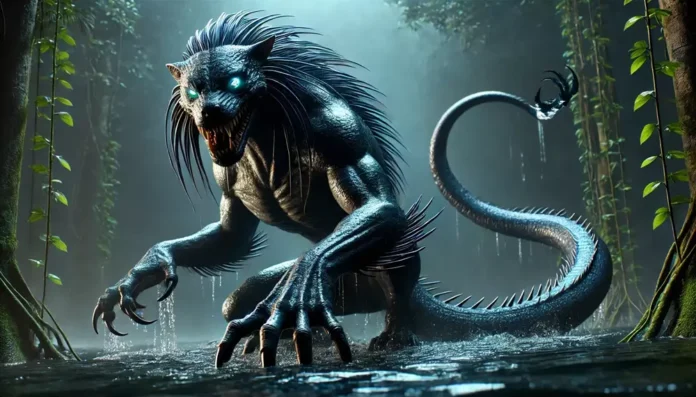
Ahuizotl - Aztech Mythology
Aztec Empire

Ahuizotl

"The āhuitzotl dwells in the waters; there it seizes the men, drowning them as its prey, presenting them to...
  • Skills
StealthWater Control
  • Weaknesses
Dry Land HarmSalt Burn
Europe
Water Predator
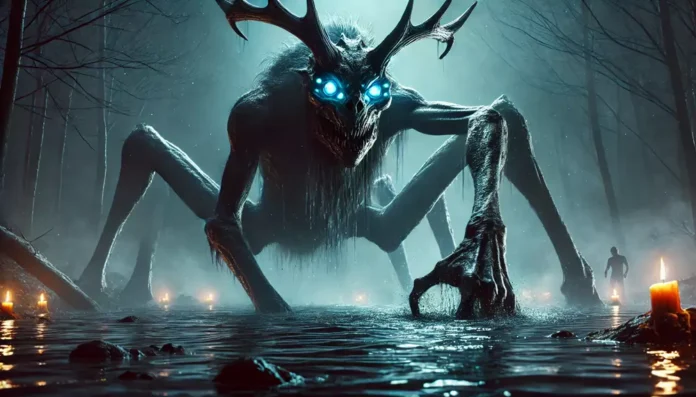
Bukavac - MythBests.com
Serbia

Bukavac

The Bukavac is a six-legged monster from Serbian folklore, often depicted as an amphibious creature lurking in swamps and...

  • Skills
Night VisionSonic Roar
  • Weaknesses
Loud NoiseSilver Weak

Water Predator – Overview

Water Predators are mythological beasts associated with aquatic environments, characterized by their predatory nature. These entities often embody danger and mystery, playing crucial roles in cultural narratives. Unlike mere aquatic creatures, they possess traits that make them formidable forces within the mythological landscape. Across various cultures, these beings are seen as both literal and symbolic threats, often guarding treasures or sacred waters, and testing the bravery of heroes and adventurers. They are not mere animals but are imbued with supernatural or mystical qualities that elevate their status in myth.

Defining Characteristics

Physical Form and Morphology

Typically, Water Predators exhibit a combination of aquatic and monstrous features, such as elongated bodies, scaled skin, and formidable teeth or claws. They may resemble oversized versions of predatory fish or amphibians. Some cultures depict them with humanoid traits, like webbed hands or faces, enhancing their eerie presence. These consistent physical markers not only highlight their adaptability to underwater environments but also emphasize their ferocity and cunning nature. The emphasis is often on their ability to blend with the water, making them invisible until they strike.

Ontological Nature

Water Predators are often seen as supernatural entities that exist at the boundary between the natural world and the spiritual realm. Many traditions consider them protectors of sacred waters or guardians of mystical gateways. Their existence is believed to defy the ordinary laws of nature, presenting them as both physical and metaphysical. This duality underscores their role as liminal beings who both belong to and transcend their aquatic environments. Their presence often signifies a breach in the natural order, requiring humans to acknowledge and respect their power.

Mythological Role and Function

Place in Mythological Systems

In mythological systems, Water Predators often serve as agents of divine will or natural balance, maintaining order within their domains. They interact with gods and mortals alike, often acting on behalf of deities or as independent enforcers of moral laws. These creatures are frequently involved in narratives where they test human virtue, courage, and cunning. Their presence often prompts heroes or adventurers to prove their worthiness, thereby reinforcing cultural values. Through these interactions, Water Predators help establish and maintain the cosmic balance, functioning as both adversaries and teachers.

Perception and Meaning

Cultures perceive Water Predators in varied ways, often as embodiments of fear, caution, or respect for nature’s power. They may serve as cautionary figures, warning against hubris and recklessness in the face of nature. Alternatively, they can embody protection, guarding sacred or vulnerable sites from human interference. Symbolically, they represent the unknown and the uncontrollable aspects of life, challenging humans to confront and overcome their fears. Such interpretations often reflect broader cultural attitudes toward nature, the supernatural, and the unseen forces that govern the world.

Distinction from Related Beast Types

Conceptual Boundaries

Water Predators differ from elemental beings or nature spirits by their specific emphasis on predation and danger within aquatic settings. Unlike generic water spirits, they possess an inherent threat, often engaging directly with humans. They are distinct from shapeshifters or merfolk due to their consistent role as aggressors or guardians rather than mere dwellers of water. This delineation is crucial as it highlights their unique position in mythological hierarchies, emphasizing function over form. Their classification is based not only on habitat but also their interaction with humans and the environment.

Common Sources of Confusion

Water Predators are sometimes confused with other aquatic entities due to overlapping characteristics like habitat and supernatural elements. However, scholars distinguish them by focusing on their predatory nature and specific roles in myths. Misidentification often arises when tales do not emphasize their aggressive or guardianship roles, instead portraying them as mere residents of water. Comparative mythology often clarifies these differences by examining the creatures’ functions, interactions, and symbolic meanings within their respective cultural contexts. This distinction aids in a more precise understanding of their mythological significance.

Canonical Beasts Associated with This Beast Type

Leviathan

Originating from ancient Near Eastern texts, Leviathan is a quintessential Water Predator. Often depicted as a massive sea monster, it embodies chaos and destruction. Its presence underscores the dangers of the untamed seas and the divine control over nature.

Jörmungandr

In Norse mythology, Jörmungandr, the World Serpent, encircles Midgard. Its predatory nature and immense size characterize it as a formidable Water Predator, representing both a physical and symbolic boundary between worlds.

Makara

In Hindu mythology, Makara serves as a vehicle for deities and a guardian of thresholds. As a Water Predator, it combines elements of terrestrial and aquatic life, embodying power and the transition between different realms.

Historical Distribution and Cultural Context

Water Predators appear across a wide range of cultures, from the mythologies of Mesopotamia to the Scandinavian sagas. Their presence is particularly prominent in cultures reliant on waterways for trade, sustenance, or exploration. These creatures often reflect the dangers and mysteries associated with large bodies of water, serving as metaphors for the unknown. Historically, they have been central in explaining natural phenomena, reinforcing societal norms, and acting as cautionary figures in folklore. Their widespread occurrence highlights common human fears and the universal struggle to comprehend and master the natural world.

Scholarly Interpretation and Uncertainty

Variation in Definitions

Across cultures, definitions of Water Predators vary, influenced by local environments, beliefs, and historical contexts. Some scholars emphasize their role as protectors, while others focus on their destructive potential. These varying interpretations highlight the adaptability and complexity of this beast type. Differences in scholarly definitions often stem from the cultural emphasis on either the spiritual or the physical aspects of these creatures. Such variations offer insight into the diverse ways humans conceptualize and interact with the natural and supernatural world.

Limits of Available Evidence

The evidence for Water Predators often relies on fragmented mythological texts and oral traditions. Consequently, much about their precise characteristics and roles remains speculative. Scholars acknowledge these limitations, cautioning against definitive interpretations. Debates continue over their origins and how they evolved across cultures. While some interpretations lean on archaeological findings, others rely solely on literary analysis. This lack of comprehensive evidence necessitates a cautious approach to understanding their historical significance and mythological roles.

Mythological Role Across Cultures

The recurrence of Water Predators across cultures underscores shared human anxieties about the natural world and the unknown. These beings address universal themes, such as the fear of the untamable and the allure of the mysterious depths. They often symbolize the challenges of nature that humans must confront and overcome. By analyzing their roles, scholars gain insights into the cultural values and existential concerns of different societies. The consistent presence of Water Predators in mythologies reveals the enduring human fascination with both the dangers and the wonders of aquatic environments.