back to top

Asturian

Asturian mythology embodies a landscape where nature spirits and ancestral legends shape the cultural imagination and communal identity.

Relevant Beasts

Asturian
Dragon-Like Being
Cuelebre - Asturian Mythology
Asturian

Cuelebre

Cuelebre, a dragon-like serpent from Asturian folklore, guards treasures in caves.

  • Skills
FlightPhysical Strength
  • Weaknesses
Physical LimitsPiercing Kill
Asturian
Trickster Shifter
Trasgu - Asturian floklore
Asturian

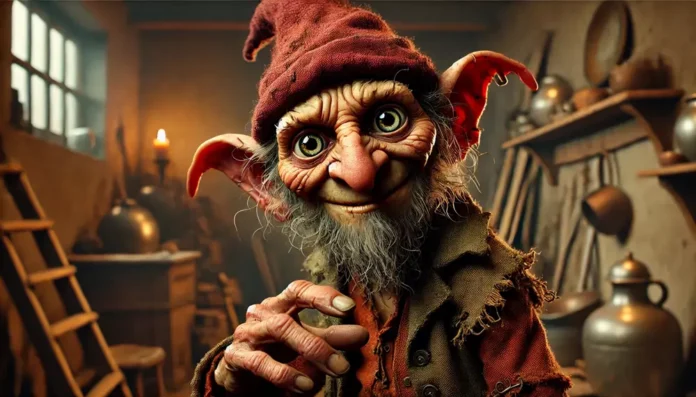
Trasgu

Trasgu is a goblin-like creature from Asturian folklore, often seen as a prankster in domestic settings.

  • Skills
CamouflageIllusions & Perception
  • Weaknesses
Fire VulnerableSacred Ash

Asturian – an Overview

Asturian mythology originates from the region now known as Asturias in northern Spain. It primarily developed during the pre-Roman and Roman periods, reflecting local beliefs and practices. Its cultural significance lies in its blend of Iberian and Celtic influences, with a notable resilience against external domination. The geography, characterized by rugged mountains and coastal areas, played an integral role in shaping the mythological landscape. The Asturian belief system is known for its unique narratives and deities, although many details remain speculative due to limited historical records.

Historical and Environmental Context

Time Frame and Location

Asturian culture primarily flourished between the early Iron Age and the Roman period. Located in the Cantabrian Mountains, this region provided natural defenses against invaders. Its geographic isolation contributed to the preservation of distinct cultural practices and beliefs, limiting external influence until Roman conquest. Archaeological evidence suggests continuity in settlement patterns, and the local environment supported a subsistence economy. The harsh terrain and climate conditions likely influenced the development of myths emphasizing resilience and survival.

Contact and Cultural Exchange

The Asturians had limited direct contact with other Iberians due to their geographic isolation. However, evidence of trade with nearby Celtic tribes exists. Roman conquest introduced new cultural elements and technological advancements to the region, influencing local mythology. Despite these exchanges, Asturian traditions maintained distinct characteristics. Roman influence is evident in certain architectural and artistic elements, although many indigenous practices persisted. The balance between adopting new ideas and preserving traditions reflects a complex cultural exchange process.

Mythological Framework

Worldview and Cosmological Concepts

Asturian cosmology centered around nature, with deities and spirits embodying natural forces and elements. Beliefs were likely animistic, attributing spiritual essence to landscapes and animals. Deities often represented aspects of daily life, such as weather or fertility. The cosmological structure was less hierarchical than organized pantheons, emphasizing interconnectedness instead. This reflects a worldview where harmony with nature was essential. Despite limited textual evidence, archaeological findings suggest that rituals aimed to appease these deities for agricultural success.

Spiritual or Supernatural Categories

Asturian mythology recognized various supernatural entities, including deities and nature spirits. Deities often associated with mountains, rivers, and forests, symbolizing the natural world’s sacredness. Spirits maintained balance within the environment, guiding human interactions with nature. The lack of written records means specific names and roles are mostly reconstructed from later folklore. This system lacked a formalized pantheon, with regional variations likely influencing specific beliefs and practices.

Folklore and Narrative Tradition

Recurring Mythological Themes

Common themes in Asturian mythology include the struggle between humanity and nature, often depicted through personified natural forces. Heroic tales frequently emphasize bravery and cunning. Stories also highlight interactions between humans and supernatural beings, reflecting social values and communal ethics. These narratives often served didactic purposes, reinforcing social norms through allegory. The resilience of the Asturian people, both physically and culturally, is a recurring motif, illustrating historical resistance to domination.

Transmission and Preservation

Asturian myths were primarily transmitted orally, with storytelling playing a key role in cultural preservation. Material culture, such as stone carvings and artifacts, provides additional insights into their beliefs. Despite Roman influence, local traditions persisted through oral narratives and communal rituals. These methods ensured continuity, even as external pressures threatened cultural integrity. The oral nature of these traditions means variations likely occurred, but core themes remained consistent across generations.

Mythological Beasts and Non-Human Entities

Asturian folklore features mythical creatures such as the Cuélebre, a dragon-like entity guarding treasure. Its origins lie in regional tales where dragons symbolize natural challenges. This creature is inseparable from Asturian lore, embodying the region’s rugged landscape. Misclassification would overlook its representation of nature’s power and human endurance. The creature’s presence in numerous folk stories emphasizes its symbolic significance within Asturian myth, often serving as a metaphor for overcoming adversity.

Symbolic Roles of Creatures and Forces

Asturian creatures like the Cuélebre symbolize nature’s untamed aspects, representing obstacles to be faced with courage. These beings embody environmental challenges faced by inhabitants. Their defeat often signifies triumph over adversity, reinforcing cultural values of perseverance. Forces such as wind and water, personified in myths, highlight natural elements’ dual roles as life-givers and potential threats. These symbols underscore the importance of respecting and understanding nature for survival and harmony.

Internal Variation and Temporal Change

Asturian mythology shows variations between inland and coastal regions, reflecting differing environmental concerns. Inland myths often emphasize mountain deities, while coastal stories focus on sea creatures. Romanization introduced changes, but core beliefs persisted. Over time, some narratives adapted to include elements from neighboring cultures, illustrating dynamic cultural evolution. Such variations demonstrate adaptability and resilience, with traditional themes maintained despite external influences. These changes highlight the ongoing negotiation between preservation and adaptation.

Related Cultural Origins and Myth Sources

Asturian mythology shares similarities with Celtic traditions, particularly in animistic beliefs. However, distinct from broader Iberian practices, it emphasizes unique environmental interactions. Similarities include reverence for natural elements and heroic tales. Differences arise in deity representations and the lack of a formalized pantheon. This comparison highlights Asturian distinctiveness while acknowledging shared cultural elements. Such links illustrate regional interactions and the diverse influences shaping Asturian mythology, revealing a rich tapestry of cultural exchange.

Evidence Limits and Scholarly Uncertainty

Asturian mythology suffers from significant evidence gaps due to limited archaeological records and absence of contemporary texts. Most information comes from later folklore studies and comparative analysis. Scholarly debate exists around specific interpretations and the extent of Roman influence. Uncertainty remains regarding the full scope of mythological narratives and their original forms. No verified sources describe detailed cosmological structures, necessitating cautious reconstructions. Acknowledging these limitations is crucial for responsible engagement with Asturian mythology.