back to top

Cantabrian

Cantabrian culture embodies a worldview shaped by rugged landscapes, emphasizing harmony with nature and resilience through its mythic narratives.

Relevant Beasts

Asturian
Dragon-Like Being
Cuelebre - Asturian Mythology
Asturian

Cuelebre

Cuelebre, a dragon-like serpent from Asturian folklore, guards treasures in caves.
  • Skills
FlightPhysical Strength
  • Weaknesses
Physical LimitsPiercing Kill
Cantabrian
Forest Spirit
Anjana - Cantabrian folklore
Cantabrian

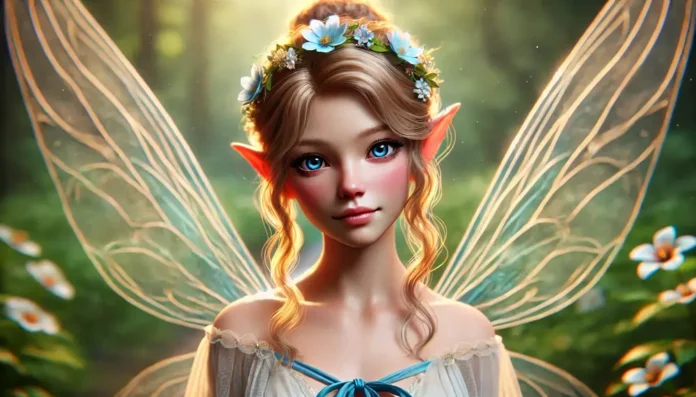
Anjana

Anjanas are kind, fairy-like beings from Cantabrian myth, symbolizing compassion and protection.
  • Skills
Healing & LifeHealing Touch
  • Weaknesses
Element SensitivitiesFire Vulnerable
Asturian
Trickster Shifter
Trasgu - Asturian floklore
Asturian

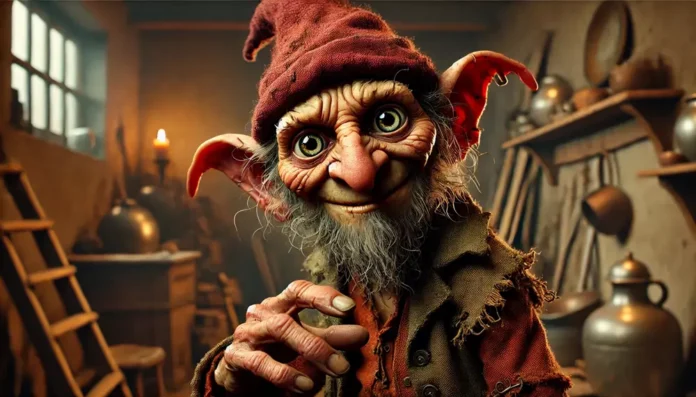
Trasgu

Trasgu is a goblin-like creature from Asturian folklore, often seen as a prankster in domestic settings.
  • Skills
CamouflageIllusions & Perception
  • Weaknesses
Fire VulnerableSacred Ash
Cantabrian
Cyclopean Form
Ojáncanu - Cantabrian Folklore
Cantabrian

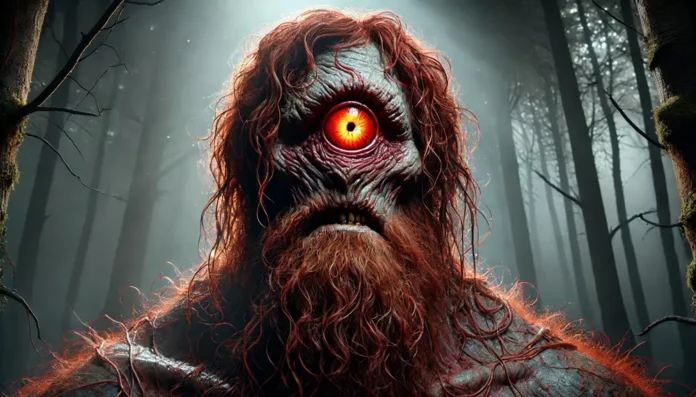
Ojáncanu

Ojancanu is a giant from Cantabrian mythology, feared for his destructive tendencies and immense strength.

  • Skills
Earthquake GenerationNature Manipulation
  • Weaknesses
Element SensitivitiesFire Vulnerable

Cantabrian – an Overview

Cantabrian is a cultural source rooted in ancient Iberian traditions. It primarily refers to the region encompassing northern Spain, particularly modern-day Cantabria. This area’s cultural history extends back to prehistoric times, reflecting a range of influences over the centuries. While specific myths may not be extensively documented, the region’s role as a cultural crossroads is evident. The Cantabrian identity is shaped by its geographical position, sitting between coastal and inland areas, influencing its mythological narratives.

Historical and Environmental Context

Time Frame and Location

Cantabrian culture is historically associated with the late Iron Age and early Roman periods. The region’s rugged terrain and coastal proximity significantly influenced its inhabitants’ lifestyle and interactions with neighboring cultures. These geographic factors contributed to a distinct cultural identity within the Iberian Peninsula.

Contact and Cultural Exchange

The Cantabrian region experienced various degrees of cultural exchange, significantly impacted by Roman conquest. Though initially isolated, the influx of Roman culture introduced new elements, blending with existing local traditions. This syncretism is evident in archaeological findings, which reflect a fusion of indigenous and Roman practices.

Mythological Framework

Worldview and Cosmological Concepts

The cosmological concepts within Cantabrian tradition are not extensively documented. Available evidence suggests a worldview influenced by both indigenous beliefs and external cultures, emphasizing a connection to nature and the land. However, specific cosmological structures remain speculative due to limited sources.

Spiritual or Supernatural Categories

Cantabrian spirituality likely recognized a range of supernatural beings, though details are sparse. Deities associated with natural elements and ancestral spirits were probably significant, reflecting broader Indo-European patterns. However, comprehensive pantheons are undocumented, and specific entities are largely conjectural.

Folklore and Narrative Tradition

Recurring Mythological Themes

Cantabrian folklore features themes common across pre-Roman Iberian traditions, including nature’s primacy and ancestral veneration. Symbolism linked to animal spirits and natural landscapes is evident in surviving artifacts and oral traditions. However, specific narrative details often remain elusive in scholarly records.

Transmission and Preservation

Mythological knowledge in the Cantabrian context was primarily preserved through oral tradition. Archaeological evidence, such as inscriptions and symbolic art, provides further insight into these narratives. The region’s challenging landscape likely contributed to the retention of these cultural practices over time.

Mythological Beasts and Non-Human Entities

Ojáncanu

The Ojáncanu, a giant figure in Cantabrian folklore, represents chaos and wild nature. Integral to local mythology, this entity manifests the harsh, untamed aspects of the natural world. Without the Cantabrian context, the Ojáncanu’s cultural significance is incomplete. Its narrative role is specific to the region’s environmental challenges.

Symbolic Roles of Creatures and Forces

Cantabrian creatures often symbolize the struggle between civilization and nature. They embody fears and respect for the natural world’s unpredictability. These creatures illustrate cultural narratives about human resilience and environmental adaptation, reflecting regional values and historical challenges in surviving the landscape.

Internal Variation and Temporal Change

Cantabrian mythology likely evolved alongside historical pressures, such as Roman integration. Variations in mythological emphasis suggest adaptation to cultural and political changes. While consistent core themes exist, regional differences may have influenced specific narrative elements and creature roles over time.

Related Cultural Origins and Myth Sources

Cantabrian mythology shares similarities with other Iberian traditions, like the Asturian and Basque. These cultures emphasize natural elements and ancestral spirits. However, differences arise in symbolic interpretations and local deities, rooted in distinct geographic and historical contexts, despite overlapping cultural influences.

Evidence Limits and Scholarly Uncertainty

There are significant gaps in the documentation of Cantabrian mythology. Archaeological and textual evidence is limited, complicating comprehensive reconstructions. Scholarly debates focus on interpreting available data without speculation. Many aspects remain uncertain, and no verified sources describe certain cosmological concepts for this context.