Catalan – an Overview
Catalan functions as a historical cultural source rooted in northeastern Iberia, where the Catalan language and associated customs emerged from medieval Romance developments under documented Frankish and Iberian influences.
The term Catalan designates a linguistic and cultural community whose folklore and religious imagination developed within Christian Latin frameworks, yet preserved distinctive regional motifs recorded by ethnographers and philologists.
Catalan serves as a mythological context because many narrative types, ritual calendar customs, and supernatural beings appear in forms whose meanings depend on local language, landscape, and premodern social organization.
Temporal range for Catalan mythological materials extends mainly from the High Middle Ages through the nineteenth century, though some motifs plausibly reflect Roman or pre-Roman substrates without secure continuous documentation.
Geographically, Catalan mythological sources center on territories where Catalan historically predominated, including much of present-day Catalonia, Valencia, Balearic Islands, and parts of eastern Aragon and Roussillon.
Within this area, Catalan identity shaped how pan-European Christian figures, such as saints and demons, were narrated, renamed, and localized, creating a recognizable but internally varied mythological environment.
Historical and Environmental Context
Time Frame and Location
Catalan cultural formation is usually placed between the ninth and thirteenth centuries, when Romance-speaking communities north and south of the eastern Pyrenees consolidated political structures and written vernacular usage.
The geographic environment includes Mediterranean coastlines, interior river valleys, and Pyrenean highlands, where differing ecologies conditioned occupational patterns that later informed specific legends about mountains, forests, and maritime dangers.
Urban centers such as Barcelona and Valencia provided contexts for literate transmission and clerical oversight, whereas rural villages preserved agrarian calendar customs that supplied many motifs for collected Catalan folklore.
Contact and Cultural Exchange
Catalan culture participated in the Crown of Aragon’s Mediterranean networks, which facilitated contact with Italian, Occitan, and insular traditions, influencing miracle collections, hagiography, and some narrative motifs without erasing local particularities.
Interaction with Castilian-speaking regions introduced shared Iberian legendary materials, yet Catalan versions frequently preserved distinctive lexical items and localized place references that mark them as belonging to Catalan mythological space.
Earlier contact zones with Islamic al-Andalus shaped frontier legends, especially narratives around contested sanctuaries and heroic figures, though surviving accounts are filtered through Christian chroniclers and later oral retellings.
Mythological Framework
Worldview and Cosmological Concepts
Catalan mythological worldview developed within Western Latin Christianity, emphasizing a tripartite cosmos of heaven, earth, and hell, interpreted through sermons, exempla, and vernacular religious poetry circulating from the later Middle Ages.
The moral landscape centered on sin, repentance, and divine judgment, yet many folktales reframed these doctrinal themes through localized encounters with saints, devils, and miraculous interventions situated in familiar Catalan settings.
Natural features, including particular mountains, springs, and caves, often received quasi-sacred associations through miracle stories and apparitions, integrating the physical landscape into a lived cosmological map.
Spiritual or Supernatural Categories
Catalan materials distinguish Christian divine figures, especially the Trinity and Virgin Mary, yet mythological taxonomy focuses more strongly on saints, who function as localized patrons and miracle-working agents.
Demons appear as tempters or tricksters, frequently addressed using Catalan names and idioms, which emphasize their proximity to everyday life rather than abstract theological classification alone.
Folk belief also includes non-canonized supernatural beings, such as household or landscape entities, whose ontological status oscillates between Christian demonology and older, less clearly defined spirit categories.
Folklore and Narrative Tradition
Recurring Mythological Themes
Catalan narrative tradition repeatedly explores boundary negotiation between Christian orthodoxy and residual practices, using stories where saints or clergy confront divinatory customs, protective objects, or ambiguous local spirits.
Another recurring theme involves moralized reciprocity, where characters receive supernatural assistance in exchange for hospitality or fairness, embedding social norms within encounters with saints, souls, or uncanny strangers.
Maritime and coastal communities developed legends about storms, shipwrecks, and protective Marian images, linking seafaring risk management with miraculous interventions associated with specific Catalan shrines.
Transmission and Preservation
Oral tradition among rural communities preserved legends, calendar customs, and belief narratives, which were later documented by folklorists using Catalan-language interviews during the nineteenth and twentieth centuries.
Printed chapbooks and religious pamphlets in Catalan disseminated standardized versions of miracles and exemplary tales, shaping how certain motifs became canonical within regional devotional culture.
Mythological Beasts and Non-Human Entities
Catalan folklore includes non-human entities whose characteristics and functions are documented using Catalan terminology, making the Catalan context essential for accurate classification and interpretation.
Cucafera
The Cucafera, associated with Tarragona festivities, appears as a large turtle-like monster, whose performative presence in processions is inseparable from Catalan civic ritual and local maritime historical associations.
Drac de Sant Jordi
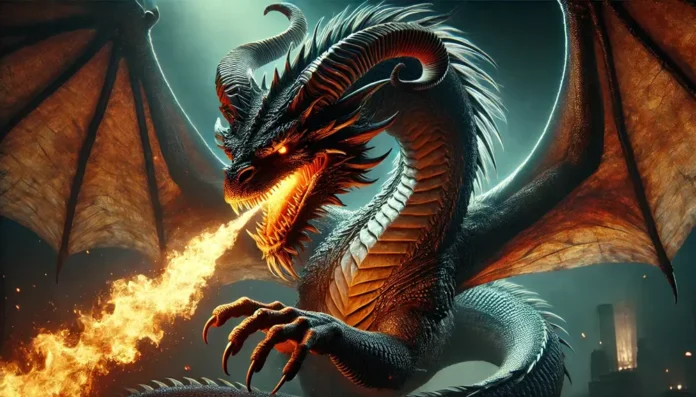
The dragon of Saint George in Catalan tradition gains specific identity through its integration into Catalan-language retellings and the Diada de Sant Jordi, linking the creature to regional chivalric and civic symbolism.
Home dels nassos
The Home dels nassos, appearing on New Year’s Eve, exists primarily in Catalan-language calendar folklore, where his multiple noses encode linguistic play and temporal transition meaningful only within Catalan cultural frames.
Follet
The follet, a mischievous household spirit, is taxonomically Catalan because descriptions, names, and domestic contexts align with Catalan vernacular categories rather than generic European goblin or poltergeist classifications.
Symbolic Roles of Creatures and Forces
The Cucafera symbolizes domesticated maritime danger, since its monstrous form evokes sea threats while festive use presents controlled spectacle, reflecting Tarragona’s negotiation between fear and civic pride.
The Catalan dragon of Saint George encodes conflict between destructive otherness and Christianized order, but Catalan usage further associates the dragon with regional identity through patron-saint iconography and popular festivities.
The Home dels nassos marks calendrical liminality, representing the final day’s accumulation of days as noses, which turns abstract timekeeping into a playful, pedagogical figure for Catalan-speaking children.
The follet expresses anxieties and hopes about domestic order, since its mischief offers an explanatory framework for minor disturbances while also suggesting potential assistance when properly respected.
Internal Variation and Temporal Change
Folklore collected in inland Catalan regions often emphasizes agrarian concerns and protective saints, whereas coastal collections foreground maritime dangers, indicating environmental differentiation within the broader Catalan mythological field.
Nineteenth-century Romantic nationalism encouraged selective emphasis on heroic and picturesque motifs, which altered how older legends were framed, sometimes elevating regional dragons or saints as emblems of Catalan distinctiveness.
Twentieth-century language suppression under authoritarian regimes affected open transmission of Catalan oral tradition, though many belief narratives persisted privately and were later recorded during periods of cultural revitalization.
Related Cultural Origins and Myth Sources
Catalan mythological materials share structures with broader Romance and Christian traditions, yet frequent Occitan parallels highlight historical proximity and shared troubadour culture more strongly than parallels with Castilian narratives.
Comparisons with neighboring Aragonese and Provençal traditions show overlapping saint cults, yet Catalan versions often feature distinct place names and linguistic wordplay, which anchor motifs within specifically Catalan cultural geography.
Shared Mediterranean miracle stories, especially Marian sea rescues, exhibit similar narrative templates, but Catalan ports and shrines supply localized topography that differentiates them from Italian or Sicilian counterparts.
Evidence Limits and Scholarly Uncertainty
Systematic premodern documentation of Catalan vernacular belief is limited, since ecclesiastical sources prioritized doctrinal concerns, leaving many everyday practices and narratives only indirectly or sparsely attested.
Attribution of pre-Christian survivals within Catalan folklore remains debated, because clear continuous evidence from Iberian or Roman-period cults into medieval Catalan practice is generally lacking.
No verified sources describe a complete, internally coherent Catalan mythological system; instead, scholars reconstruct patterns from heterogeneous texts, oral records, and local rituals with varying chronological depth.
Some entities, such as the follet, resist precise historical dating, since earliest written mentions appear relatively late, making earlier existence plausible yet not demonstrable from currently available evidence.
Modern ethnographic collections sometimes reflect performance shaped by national or regional movements, so researchers must distinguish older narrative layers from reinterpreted versions influenced by contemporary Catalan identity discourses.