Greece – an Overview
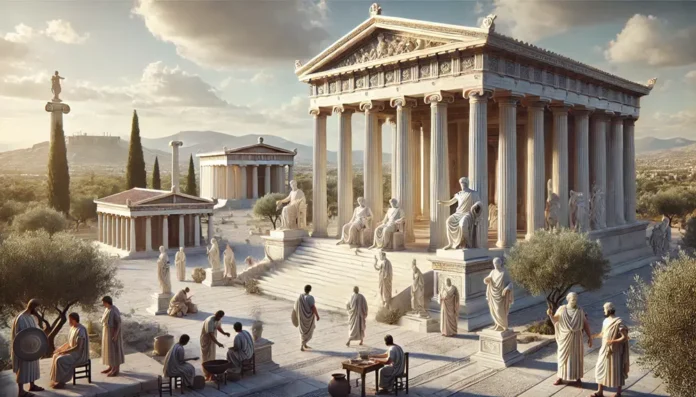
Greece serves as a fundamental cultural and mythological source in Western history. Its influence spans from ancient times, approximately the 8th century BCE, through classical antiquity, around the 5th century BCE. Geographically, it encompasses the Balkan Peninsula and surrounding islands. This region’s myths, beliefs, and practices have been preserved through various texts. Its mythology and legends have fundamentally shaped Western literature and philosophy. The culture is marked by a transition from oral tradition to written records. Classical Greece is crucial for understanding Western mythological and cultural heritage today.
Historical and Environmental Context
Time Frame and Location
Ancient Greek civilization began around the 8th century BCE, continuing until the Roman conquest in the 2nd century BCE. The geographic region includes mainland Greece and the Aegean Islands. These areas provided diverse natural environments, contributing to varied cultural developments. The historical location facilitated maritime trade, contributing to cultural exchanges. The terrain included mountainous regions and fertile valleys, affecting settlement patterns and political organization. The time frame of this civilization saw significant political and cultural evolution over centuries.
Contact and Cultural Exchange
Ancient Greece experienced extensive cultural exchanges due to its location. Interaction with Eastern cultures, such as Persia and Egypt, brought new ideas and religious practices. Greece also influenced neighboring regions through colonization and trade. These interactions enriched Greek mythology and philosophy. Despite extensive exchange, regional Greek cultures maintained distinct characteristics. Isolation played a role in developing unique dialects and local myths. Cultural exchanges significantly shaped Greek mythological themes and artistic expressions.
Mythological Framework
Worldview and Cosmological Concepts
In Greek mythology, the universe is structured with Mount Olympus at its center, inhabited by gods. Various cosmogonies explain the universe’s origins, often involving primordial deities. The worldview integrates human actions with divine interventions, influencing fate. Philosophical schools like the Stoics adopted and adapted these ideas. The Greek cosmology emphasizes harmony, order, and cycles, reflecting natural and social structures. Ideas about the afterlife vary, with Hades as the realm of the dead. No verified sources describe an overarching unified cosmological doctrine.
Spiritual or Supernatural Categories
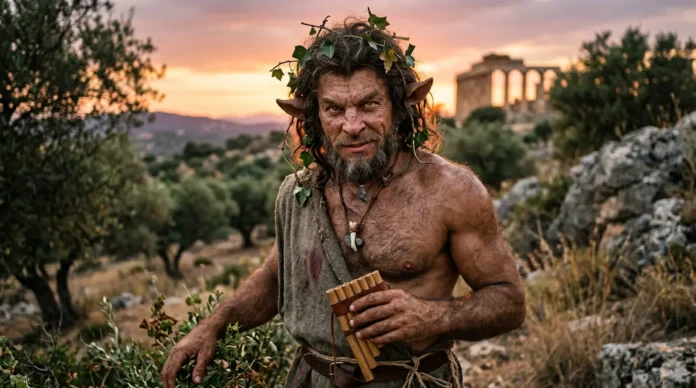
Greek mythology recognizes several supernatural categories, including gods, demigods, and spirits. The Olympian gods represent fundamental natural and social elements. Heroes like Hercules, often demigods, bridge human and divine realms. Minor deities and spirits govern specific aspects of life. Categories like nymphs and satyrs inhabit natural landscapes, symbolizing fertility and growth. Distinctions between gods and heroes are crucial for understanding their cultural and religious roles. These categories reflect the Greek worldview’s complexity and diversity.
Folklore and Narrative Tradition
Recurring Mythological Themes
Themes of fate, heroism, and divine intervention recur throughout Greek myths. Stories often explore human limitations and consequences of hubris. Heroic journeys illustrate moral and ethical lessons. Myths like the Iliad and Odyssey reflect these themes. The struggle between order and chaos is another persistent motif. Tragic elements often highlight the fragility of human existence. Recurring themes reinforce cultural values and social norms. Greek myths provide insight into ancient Greek beliefs and practices.
Transmission and Preservation
Oral tradition played a significant role in transmitting Greek myths before written documentation. Epic poems like Homer’s works were preserved in this way. Later, texts like Hesiod’s Theogony formalized mythological narratives. Artistic representations, such as vase paintings and sculptures, also preserved mythological stories. These visual media contributed significantly to the transmission of myths. Rituals and festivals, like the Eleusinian Mysteries, reinforced mythological knowledge. The transition from oral to written culture marks a pivotal shift in preservation.
Symbolic Roles of Creatures and Forces
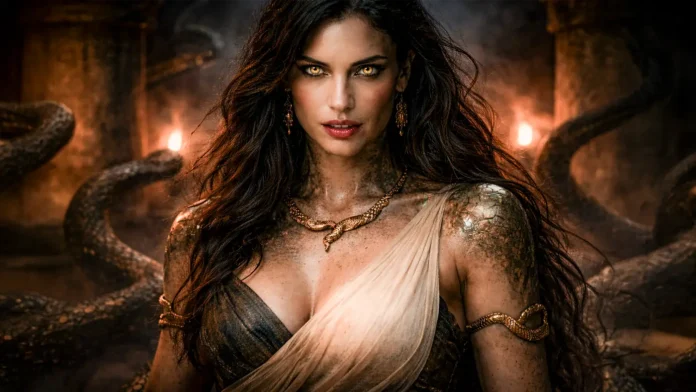
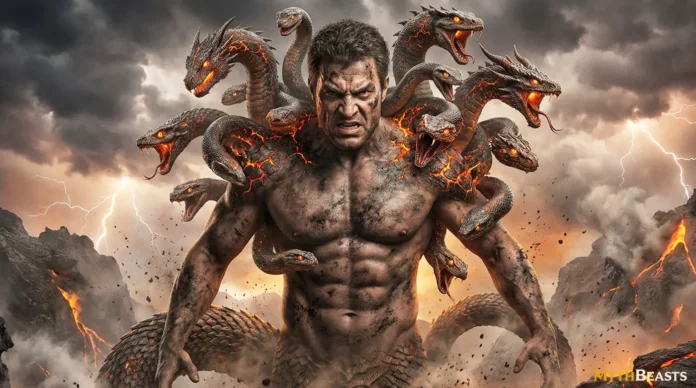
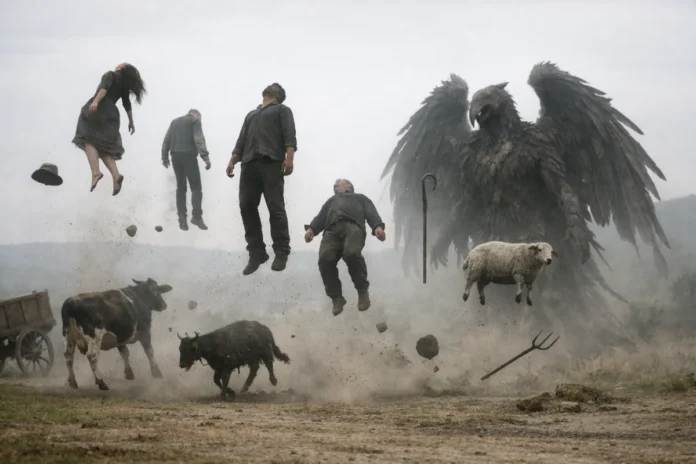
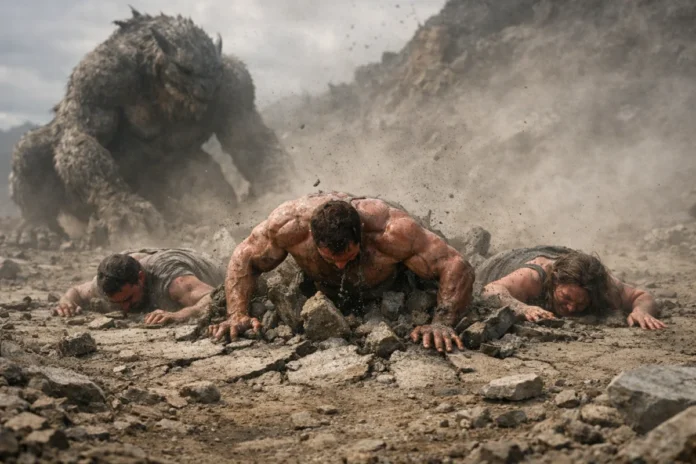
Mythological creatures like the Minotaur and Medusa represent chaos and transformation. These entities often symbolize human fears and societal taboos. Creatures like Pegasus and the Phoenix signify inspiration and rebirth. The symbolic roles contribute to understanding Greek values and cultural anxieties. Forces such as storms or earthquakes are personified through gods like Poseidon, emphasizing natural power. Symbolism in creatures and forces highlights the interconnectedness of nature and mythology. No verified sources describe these symbolic roles uniformly across all regions.
Evidence Limits and Scholarly Uncertainty
Scholarly uncertainty persists due to fragmented archaeological and textual evidence. Many myths vary significantly across regions and periods. Discrepancies exist between literary sources and material culture. The oral nature of early myths complicates historical reconstruction. Interpretations often rely on later sources like Roman adaptations. No verified sources describe unified mythological systems. Scholarly debates continue regarding the influence of other cultures on Greek mythology. Gaps in evidence necessitate careful reconstruction and acknowledgment of uncertainty.