
back to top

Slavic

Slavic mythology reveals a rich tapestry of nature spirits, ancestral reverence, and cosmological dualism, shaping a distinct spiritual worldview.

Relevant Beasts

Europe
Vampire
Vampire - Slavic Folklore
Slavic

Vampire

A fearsome undead being from Eastern European folklore, the Vampire feeds on life essence. It is tied to dark...
  • Skills
Healing & LifeHypnosis
  • Weaknesses
Divine RestrictionsElement Sensitivities
Europe
Canine Shifter
Werewolf (Lycan) Medieval Europe - Mythology & Folklore Stories
Slavic

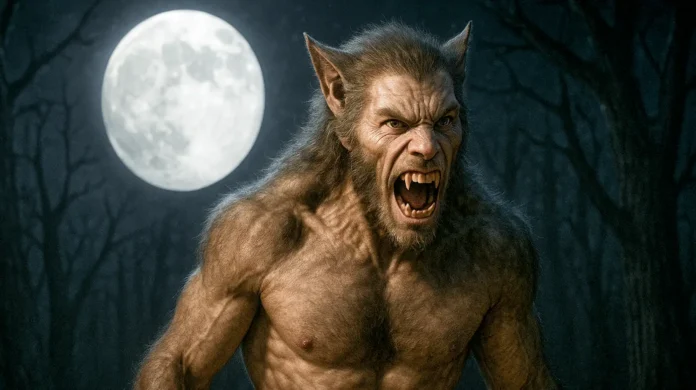
Werewolf

A cursed shape-shifter from Medieval Europe, the Werewolf transforms during the full moon. Feared for uncontrollable rage, it embodies...
  • Skills
Frenzy InducementHealing & Life
  • Weaknesses
BeheadingFull Moon Bound
Czech
River Guardian
Vodyanoy - Slavic water beast
Czech

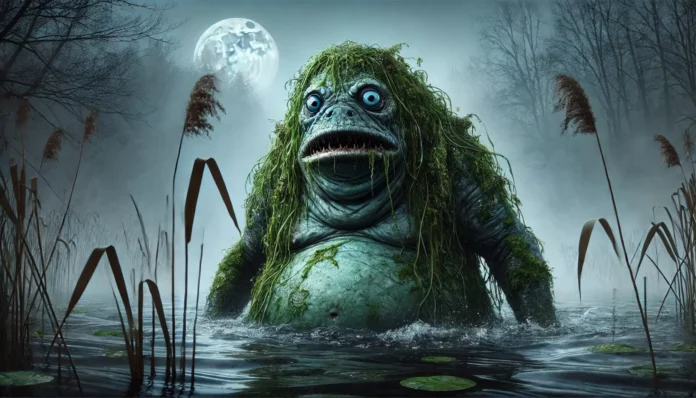
Vodyanoy

The Vodyanoy is a Slavic water spirit known for its temper and affinity for rivers and ponds, capturing unwary...

  • Skills
Shape ShiftingStealth
  • Weaknesses
Divine RestrictionsExorcism

Slavic – an Overview

The Slavic cultural and mythological system represents a diverse and historically rich tradition. It spans various Eastern European regions with roots dating back to at least the early medieval period. This system encompasses a broad spectrum of beliefs, practices, and narratives unique to the Slavic peoples. Despite regional variations, common themes and motifs unify these traditions under a cohesive cultural identity.

Historical and Environmental Context

Time Frame and Location

The Slavic cultural emergence is broadly placed between the sixth and tenth centuries CE. Geographic regions include parts of Eastern Europe, from the Baltic Sea in the north to the Balkan Mountains in the south. These areas provided diverse environments that influenced the cultural development of the Slavic peoples, affecting their mythology and folklore.

Contact and Cultural Exchange

The Slavic people engaged in cultural interactions with neighboring groups, such as the Byzantine Empire and various Germanic tribes. These encounters influenced Slavic mythological narratives, introducing new elements while preserving unique cultural traditions. However, substantial isolation in certain regions allowed for distinct evolution of local myths and folklore.

Mythological Framework

Worldview and Cosmological Concepts

Slavic cosmology conceptualizes the world as a structured entity, often divided into realms representing the living, the dead, and the divine. Natural elements like forests, rivers, and mountains hold spiritual significance. The cosmological order involves a balance between human existence and supernatural forces, guiding moral and ethical conduct.

Spiritual or Supernatural Categories

Slavic mythology recognizes various supernatural categories including deities, spirits, and ancestral figures. Deities like Perun and Veles symbolize aspects like thunder and the underworld. Spirits, known as domovoi or leshy, are integral to household and natural domains, embodying protective and mischievous roles within these environments.

Folklore and Narrative Tradition

Recurring Mythological Themes

Common themes in Slavic mythology include the duality of chaos and order, the hero’s journey, and transformation. Folklore often portrays battles between light and darkness, symbolized through seasonal cycles or divine conflicts. These narratives offer moral lessons and cultural values preserved through generations.

Transmission and Preservation

Oral tradition played a crucial role in preserving Slavic myths, with songs, tales, and rituals passed down through generations. Material culture, such as carved wooden figures and decorated textiles, also contributed to the transmission of mythological knowledge. These mediums ensured the survival of narratives across centuries.

Mythological Beasts and Non-Human Entities

Vodyanoy

The Vodyanoy is an aquatic spirit associated with Slavic mythology, believed to inhabit rivers and lakes. This entity exemplifies the connection between the Slavic people and their natural surroundings, highlighting the importance of water as a life-giving force. Misclassifying the Vodyanoy would ignore its environmental significance and cultural symbolism.

Symbolic Roles of Creatures and Forces

Mythological creatures like the Rusalka serve symbolic roles in Slavic culture, representing untamed aspects of nature and cautionary tales. These entities embody moral lessons about human interaction with the environment, illustrating consequences of imbalance and disrespect. Their presence reinforces cultural narratives about harmony with nature.

Internal Variation and Temporal Change

Regional variations in Slavic mythology reflect historical and environmental influences, leading to divergent versions of myths across areas. Over time, Christianization introduced new elements, blending with pagan traditions. This process resulted in a unique syncretism that characterizes the evolving nature of Slavic mythology.

Related Cultural Origins and Myth Sources

Comparative analysis reveals similarities between Slavic and other Indo-European mythologies, such as shared themes of cosmic dualism and hero motifs. Despite these parallels, Slavic mythology maintains distinct features, emphasizing the integration of local environmental elements and social structures within its narratives.

Evidence Limits and Scholarly Uncertainty

No verified sources describe the full pantheon or complete ritual practices for the Slavic context. Archaeological evidence, while valuable, offers limited insight into specific mythological details. Scholarly debate exists regarding the extent of cultural exchange and the impact of historical transformations on Slavic mythology.