back to top

Tonga

Tonga embodies a rich tapestry of mythic traditions that reflect its unique cosmological views and spiritual connections to the natural world.

Relevant Beasts

Africa
Tidal Guardian
Naymi Naymi - The water god, Zimbabwe folklore
Tonga

Nyami Nyami

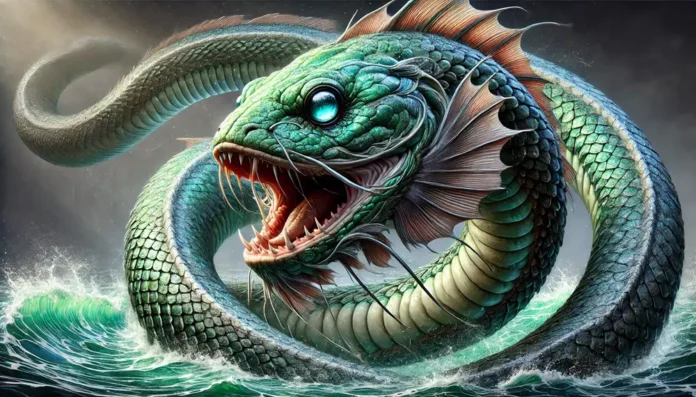
Nyami Nyami, the revered Zambezi River God in Tonga mythology, is said to have the body of a snake...

  • Skills
Control WeatherElement Control
  • Weaknesses
Divine RestrictionsDrought Sensitive

Tonga – an Overview

Tonga stands as a significant cultural and mythological region in the South Pacific. Historically, it has been associated with a complex societal structure and rich oral traditions. These traditions have been a cornerstone for understanding Tongan mythology. The kingdom of Tonga, with its central Polynesian location, has played a considerable role in the dissemination of cultural motifs throughout the Pacific region. It is believed to have been settled around 1500 BCE, influencing neighboring islands.

Historical and Environmental Context

Time Frame and Location

Tonga’s historical presence is marked by its central location in the Polynesian Triangle, comprising New Zealand, Hawaii, and Easter Island. It is considered to have been continuously inhabited since about 1500 BCE.

Contact and Cultural Exchange

Tonga’s strategic location facilitated cultural exchanges across the Pacific. Archaeological evidence suggests interactions with Fiji and Samoa, shaping shared cultural and mythological frameworks, while maintaining distinctive Tongan elements.

Mythological Framework

Worldview and Cosmological Concepts

Tongan mythology presents a structured cosmology where the world is divided into layers. These layers include the earthly realm and the unseen spiritual plane. The interaction between these realms influences Tongan cultural practices.

Spiritual or Supernatural Categories

Tongan spirituality encompasses ancestral spirits, nature deities, and other supernatural forces. Ancestors are particularly venerated, with rituals and narratives emphasizing their continuing influence over the living community.

Folklore and Narrative Tradition

Recurring Mythological Themes

Central themes in Tongan mythology involve creation, transformation, and moral order. These themes are reflected in stories that emphasize cosmological balance and societal norms, contributing to Tongan cultural identity.

Transmission and Preservation

Tongan mythological knowledge has been primarily preserved through oral traditions. These include storytelling, chants, and songs, which serve as both entertainment and the transmission of critical cultural values.

Mythological Beasts and Non-Human Entities

Tongan mythology features unique entities, such as the Toloa bird, which holds symbolic significance in local narratives. These myths are inseparable from Tongan identity, illustrating the interplay between nature and culture.

Toloa

The Toloa is a mythical bird in Tongan folklore, representing wisdom and foresight. It is uniquely Tongan, as local narratives emphasize its role in guiding and protecting communities from unseen dangers.

Symbolic Roles of Creatures and Forces

In Tongan mythology, creatures and supernatural forces often embody moral and ethical lessons. Their actions are interpreted as reflections of societal values, reinforcing cultural norms and spiritual beliefs within the community.

Internal Variation and Temporal Change

While Tongan mythology has roots in ancient traditions, it has evolved over time. Regional variations exist, influenced by contact with other cultures, yet core elements of Tongan mythology persist, maintaining continuity alongside adaptation.

Related Cultural Origins and Myth Sources

Tongan myths share similarities with other Polynesian traditions, yet maintain distinctive elements. For instance, while shared deities exist, Tongan interpretations often emphasize specific local attributes, reflecting unique environmental and social factors.

Evidence Limits and Scholarly Uncertainty

Research into Tongan mythology faces limitations due to reliance on oral traditions and scarce written records. Archaeological evidence provides some insights, yet gaps remain. Scholarly debate continues on specific mythological interpretations and their origins.