Introduction to Viking Mythology
Viking mythology is deeply intertwined with Norse beliefs, encompassing a wide array of deities, creatures, and cosmological concepts. The myths were preserved in oral tradition and later transcribed in texts like the Prose Edda.
These myths primarily revolve around gods such as Odin, Thor, and Freyja, and their interactions with humans and other divine entities. The tales often explore themes of heroism, fate, and the cyclical nature of the cosmos.
Central to Viking mythology are the Nine Worlds, interconnected realms that comprise the universe. Each world has unique inhabitants and significance, reflecting diverse aspects of Viking cosmology.
Gods and Goddesses in Viking Mythology
Odin, the Allfather, is a complex figure, associated with wisdom, war, and death. Known for his relentless pursuit of knowledge, he sacrificed an eye to gain profound insight.
Thor, another prominent deity, represents strength, thunder, and protection. Wielding the hammer Mjölnir, he defends gods and humans against chaos and destruction.
Freyja, a goddess of love, fertility, and war, embodies dual aspects of beauty and ferocity. She is revered for her role in life cycles and her formidable prowess in battle.
Viking Creatures and Beings
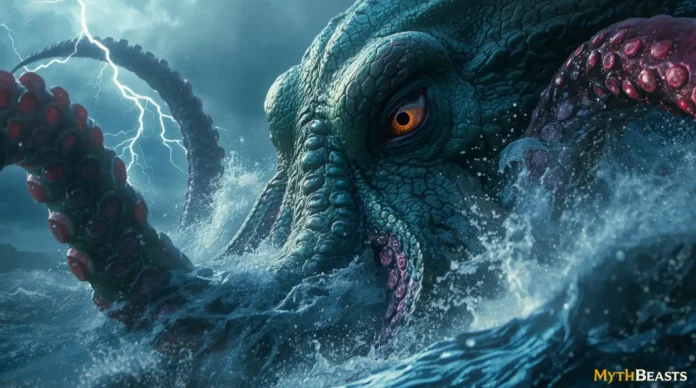
Jörmungandr, the Midgard Serpent, is an essential creature in Viking lore. Encircling the earth, it symbolizes the boundary between order and chaos, influencing cosmic balance.
Valkyries, warrior maidens, serve Odin by selecting the slain for Valhalla. Their role exemplifies the importance of honor in Viking culture and the valorization of warriors.
Elves and dwarves, though less central, appear frequently in myths. Elves are associated with nature and fertility, while dwarves are skilled craftsmen, creating powerful artifacts.
Rituals and Practices
Viking rituals, often conducted outdoors, focused on forging connections with deities and seeking their favor. Sacrifices, both animal and sometimes human, played a significant role.
Blóts were feasts dedicated to gods, fostering community and divine interaction. These gatherings emphasized reciprocity between humans and deities, reinforcing social bonds.
No verified sources describe specific ceremonies exclusively for Jörmungandr, illustrating variability in ritual focus across Viking worship.
The Viking Cosmology
The Viking cosmological view is centered on Yggdrasil, the World Tree, connecting all Nine Worlds. This sacred tree is pivotal in sustaining the universe and facilitating cosmic interactions.
Each world, such as Asgard for gods or Midgard for humans, has distinct functions and dwellers. These realms reflect the complexity and hierarchy present within Norse beliefs.
Ragnarok, an apocalyptic event, marks the end and renewal of the cosmos. Symbolizing cyclical time, it underscores themes of destruction and rebirth integral to Viking mythology.
Historical Role of Vikings
The Vikings, seafaring Norse people, left a significant impact on medieval Europe through raids, trade, and exploration. Their influence extended from the British Isles to parts of Asia.
Viking culture, deeply rooted in mythological motifs, impacted their expansion and interactions. Their beliefs shaped societal structures, legal systems, and artistic expressions.
While associated with violence, Vikings also facilitated cultural exchanges, contributing to the spread of myths and ideas. This duality characterizes their complex historical legacy.
Comparative Analysis with Other Traditions
Viking mythology differs from Greek mythology in its portrayal of gods as more fallible and intertwined with fate. Norse gods often confront inevitable outcomes with resilience.
In contrast to Egyptian myth, which focuses heavily on the afterlife, Viking beliefs emphasize heroic deeds and reputations in life. This somber view reflects cultural values.
Viking myth shares parallels with Celtic traditions, particularly in its animistic elements and reverence for nature spirits. These similarities hint at broader Indo-European connections.
Modern Interpretations
Contemporary interest in Viking mythology has surged, often driven by media representations. This resurgence sometimes romanticizes or oversimplifies complex historical narratives.
Modern reconstruction efforts aim to revitalize authentic Viking practices, though they face challenges from limited sources. Critical analysis distinguishes between adaptation and preservation.
Scholarly interpretations often reframe Viking myths within broader sociopolitical contexts, offering nuanced understandings. Such efforts highlight the myths’ adaptability and enduring relevance.
Conclusion
Viking mythology, rich and multifaceted, continues to captivate scholars and enthusiasts alike. Its intricate cosmology and vibrant characters provide a window into the Norse worldview.
Through oral tradition and surviving texts, these myths have shaped cultural identities and philosophical outlooks. Their legacy endures, inspiring ongoing exploration and reinterpretation.