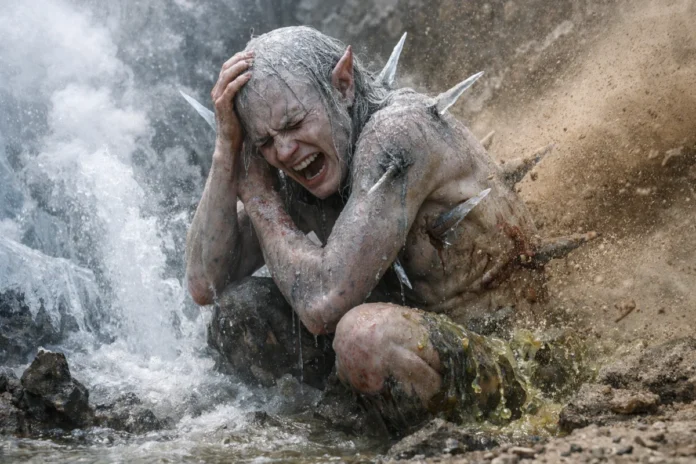
Chaos Bringers – an Overview
The mythological lore type known as Chaos Bringers represents a profound narrative pattern across diverse cultures. These entities embody disruption, unpredictability, and transformation. They signal the breakdown of established order, often preceding renewal or recreation. While not inherently malevolent, their actions challenge the status quo, catalyzing change and sparking creativity within mythological narratives. As a motif, Chaos Bringers are pivotal in illustrating the duality of chaos and order, a universal theme evident throughout countless mythologies.
Chaos Bringers are frequently central to creation myths, where their disruptive nature is interpreted as a necessary precursor to cosmic order. This narrative device allows myths to explore themes of destruction and renewal. They provide a framework for understanding the cyclical nature of existence. By embodying chaos, these entities facilitate essential progression from primordial disorder to structured reality, thereby reinforcing a fundamental cosmological understanding.
Within different mythologies, Chaos Bringers take various forms, from deities and spirits to natural phenomena. Despite their varied manifestations, they consistently illustrate a fundamental aspect of human experience: the tension between formless chaos and structured existence. These entities symbolize not only the dangers of chaos but also its potential to engender growth and innovation, underscoring the importance of balance in cosmological and existential perspectives.
Core Characteristics and Themes
Narrative Function
In mythological narratives, Chaos Bringers often serve as catalysts for transformative events. Their actions disrupt established orders, prompting characters or societies to adapt, innovate, or redefine themselves. These disruptions are not always destructive; they can lead to renewed harmony and balance. Chaos Bringers drive narrative arcs that explore the necessity of change in achieving personal, societal, or cosmic evolution. Their role highlights the inevitability of change as a driver of progress, essential for development.
By initiating upheaval, Chaos Bringers challenge protagonists to confront their limitations and evolve. They force confrontations with the unknown, driving individuals and communities towards enlightenment or ruin. This narrative function underscores the belief that growth often requires facing and overcoming chaos. The presence of Chaos Bringers in stories reflects an understanding of life’s complexity, where order emerges from disorder, creating a balanced worldview.
Symbolic Meaning
Symbolically, Chaos Bringers represent the primal, untamed forces of nature and existence. They embody the fears and uncertainties inherent in life’s unpredictability. Their actions reflect humanity’s struggle to impose order on the chaotic world. Beyond fear, they also symbolize potential and innovation, embodying the belief that creativity often springs from disruption. In myths, they often illustrate the dichotomy between chaos and order, highlighting the tension between these forces as fundamental to existence.
Chaos Bringers challenge established norms and provoke consideration of new possibilities. Their symbolic role extends to illustrating moral and existential dilemmas, allowing cultures to explore the consequences of unchecked chaos. Despite their disruptive nature, they are often seen as necessary for growth, reinforcing the importance of embracing change as an integral part of life. This symbolism is evident in various cultural narratives, reflecting universal concerns about stability, change, and renewal.
Cultural Context and Worldview
Relationship to Religion and Belief
Chaos Bringers frequently interact with religious or cosmological systems as agents of change. They often act as divine figures whose actions lead to the creation or alteration of the cosmos. In some traditions, they are seen as antagonistic forces, opposing divine order. In others, they are integrated into the pantheon as necessary counterparts to creative deities. This dual perspective underscores the belief that chaos and order are interconnected, each essential to the universe’s balance and function.
These entities challenge religious doctrines, prompting theological reflections on divine omniscience and omnipotence. They often serve as reminders of the limitations of human understanding in the face of divine or cosmic plans. By embodying chaos, these beings highlight the complexities of divine intervention, illustrating the unpredictable nature of the gods. This interaction between chaos and belief systems reflects the dynamic relationship between chaos and order within religious cosmologies.
Role in Social or Moral Order
In social and moral contexts, Chaos Bringers highlight the consequences of deviating from established norms. Their actions serve as cautionary tales, illustrating the dangers of disorder and the importance of maintaining societal harmony. By challenging authority and convention, they provoke reflection on cultural values and ethics. This role reinforces the necessity of order in preventing chaos. Their narratives often underscore moral lessons about the balance between adhering to tradition and embracing change.
Chaos Bringers also serve as agents of justice and retribution, punishing hubris or societal corruption. By embodying chaos, they act as corrective forces, restoring balance through transformative upheaval. This role aligns with cultural values emphasizing moderation, humility, and respect for natural order. In highlighting the interplay between chaos and morality, they underscore the importance of ethical conduct and the potential consequences of moral lapses. Their presence in myths reflects the belief in cosmic justice.
Associated Mythological Beings
Common Creature Archetypes
Common archetypes of Chaos Bringers include trickster figures, nature spirits, and deities associated with destruction and renewal. Tricksters often embody chaos through cunning and deception, challenging established norms. Nature spirits represent the untamed forces of the natural world. Deities of destruction, like Hinduism’s Shiva, embody chaos as a necessary precursor to creation. These archetypes highlight the diverse manifestations of chaos, illustrating its multifaceted nature and role as a transformative force within mythology.
Each archetype reflects distinct cultural perceptions of chaos, from the playful disruption of tricksters to the cosmic destruction of deities. These beings illustrate the complex relationship between chaos and creation, emphasizing the necessity of both in maintaining universal balance. Their presence in myths underscores the belief in chaos as an integral, dynamic element of existence, essential for growth, renewal, and evolution. By examining these archetypes, one can understand the varied interpretations of chaos across cultures.
Non-Creature Manifestations
Beyond creatures, chaos can manifest as natural phenomena or abstract concepts within myths. Natural disasters, such as floods or storms, often symbolize chaotic forces disrupting human life. These events highlight the unpredictability of nature, reflecting humanity’s vulnerability to its whims. Abstract concepts like time or fate also embody chaos, illustrating inevitable change and transformation. These non-creature manifestations reinforce the idea that chaos is an inherent aspect of existence, shaping reality and driving evolution.
Such manifestations emphasize the universality of chaos, transcending specific cultural or mythological contexts. They illustrate how chaos can materialize in diverse forms, influencing narratives without requiring a tangible entity. This perspective broadens the understanding of chaos, highlighting its pervasive nature and role as a catalyst for change. By recognizing non-creature manifestations, one gains insight into the myriad ways chaos is perceived and integrated into mythological frameworks, reflecting cultural attitudes towards the unknown and unpredictable.
Variations Across Cultures
Regional Interpretations
Regional interpretations of Chaos Bringers vary significantly, reflecting distinct cultural values and worldviews. In some traditions, such as Norse mythology, chaos is personified by destructive beings like Loki or the giants. These figures emphasize conflict with divine order. Conversely, in East Asian traditions, chaos may be viewed as a harmonious force, integral to cosmic balance. These differences illustrate how cultures interpret chaos based on their unique cosmological perspectives, emphasizing either opposition or integration within universal frameworks.
Cultural attitudes towards chaos influence its representation in myths, shaping the narrative roles and symbolic meanings of Chaos Bringers. In some societies, these entities are revered as essential forces for renewal, while others demonize them as threats to stability. By comparing regional interpretations, one can explore the diverse ways cultures conceptualize chaos, revealing insights into their beliefs about order, disorder, and the nature of existence. This comparative analysis highlights the complexity and richness of mythological traditions.
Shared Structural Patterns
Despite regional differences, certain structural patterns remain consistent across traditions. Chaos Bringers often initiate transformation, marking a shift from one state of being to another. This role is central to creation myths, where their actions precede the establishment of order. Such patterns underscore the universality of chaos as a narrative device, illustrating the cyclical nature of existence. By examining these shared motifs, one gains insight into the universal themes and archetypes underlying diverse mythologies.
These patterns highlight the commonalities in human experience, reflecting shared concerns about chaos and order. They illustrate how cultures use mythology to explore existential questions, seeking to understand the complexities of life. By adhering to these patterns, myths provide a framework for interpreting the world, emphasizing the interplay between chaos and creation. This cross-cultural consistency reinforces the significance of Chaos Bringers as a fundamental narrative element and symbolic concept, essential for conveying cultural values and cosmological beliefs.
Persistence and Transmission
Oral and Written Traditions
The lore of Chaos Bringers has been preserved through both oral and written traditions. Oral storytelling allows for the adaptation and evolution of myths, reflecting changing cultural contexts. This transmission method ensures the continuity of core themes and archetypes. Written records, such as ancient texts or inscriptions, provide tangible evidence of these narratives, preserving specific details and interpretations. Together, these traditions enable the survival of Chaos Bringers’ lore across generations, illustrating its enduring relevance and adaptability.
Oral traditions allow for dynamic reinterpretations, accommodating shifts in societal values or beliefs. Written texts offer a stable record, preserving historical context and original meanings. This dual transmission method ensures the resilience of Chaos Bringers’ lore, facilitating its integration into contemporary cultural narratives. By examining both oral and written traditions, one gains insight into the mechanisms of mythological preservation, highlighting the importance of storytelling in maintaining cultural continuity and understanding the evolving nature of myths.
Adaptation Over Time
As societies evolve, interpretations of Chaos Bringers adapt to reflect contemporary values and concerns. In ancient contexts, these entities may have embodied fears of natural disasters or divine retribution. Over time, their symbolism can shift to address modern anxieties, such as technological disruption or environmental crises. This adaptability ensures the continued relevance of Chaos Bringers, allowing them to resonate with successive generations. By examining historical adaptations, one gains insight into the evolving nature of mythology.
Changes in societal structure, belief systems, or cultural priorities can influence how Chaos Bringers are perceived and integrated into narratives. This adaptability underscores the dynamic relationship between mythology and culture, highlighting the role of myths in addressing existential questions and cultural fears. By analyzing these adaptations, one can explore the ways in which Chaos Bringers’ lore reflects and responds to changing cultural landscapes, maintaining its significance as a narrative and symbolic construct throughout history.
Scholarly Interpretation and Uncertainty
Symbolic vs Literal Readings
Scholars often debate the symbolic versus literal interpretations of Chaos Bringers. Symbolically, they represent existential fears and transformative forces, illustrating cultural understandings of chaos and order. Some scholars argue for a literal interpretation, viewing these beings as expressions of historical events or social phenomena. This dual perspective highlights the complexity of mythological interpretation, reflecting diverse scholarly approaches to understanding myths. By examining these interpretations, one gains insight into the multifaceted nature of Chaos Bringers’ lore.
Symbolic readings emphasize the allegorical aspects of Chaos Bringers, focusing on their roles as metaphors for human experience and cultural values. Literal interpretations consider the historical and social contexts in which these myths developed, exploring their potential origins or influences. This scholarly debate underscores the richness of mythological analysis, highlighting the challenges of interpreting ancient narratives. By acknowledging these perspectives, one gains a deeper understanding of the symbolic and historical dimensions of Chaos Bringers.
Limits of Historical Evidence
Despite extensive analysis, the historical evidence for Chaos Bringers often remains incomplete or ambiguous. Many myths have been transmitted through oral traditions, resulting in variations and inconsistencies. Written records may lack context or contain biases, reflecting the perspectives of specific authors or societies. These limitations pose challenges for scholars seeking to construct comprehensive interpretations. By acknowledging the gaps and uncertainties in historical evidence, one gains a nuanced understanding of the complexities involved in reconstructing mythological narratives.
The lack of definitive sources necessitates careful consideration of available evidence, emphasizing the importance of critical analysis and interpretation. Scholars must navigate these challenges to provide meaningful insights into the symbolic and cultural significance of Chaos Bringers. This process underscores the necessity of interdisciplinary approaches, incorporating archaeological, linguistic, or anthropological perspectives. By recognizing these limitations, one appreciates the complexity and richness of mythological studies, highlighting the ongoing quest for understanding in the face of historical uncertainty.
Classification Notes
Distinction from Related Lore Types
Chaos Bringers differ from related lore types through their distinct role as catalysts for transformation and disruption. Unlike tricksters, who primarily engage in deception or mischief, Chaos Bringers often provoke profound existential change. Similarly, while destructive deities embody aspects of chaos, Chaos Bringers emphasize the cyclical nature of destruction and renewal. This distinction highlights their unique function within mythological narratives as embodiments of chaos’s dual nature, underscoring their significance in exploring themes of balance and transformation.
By contrasting Chaos Bringers with related entities, one gains insight into their specific narrative and symbolic roles. This distinction underscores the importance of precise classification within mythological taxonomy, ensuring clarity and understanding of each lore type’s unique contributions. By recognizing the distinctive characteristics of Chaos Bringers, one appreciates their integral role in illuminating the complexities of existence, highlighting the interplay between chaos and order. This clarity facilitates a deeper understanding of mythological themes and cultural beliefs.
Use in Mythological Taxonomy
As a classification category, Chaos Bringers function as a vital element in organizing mythological themes and patterns. Their unique role as agents of transformation and disruption distinguishes them from other lore types, offering insights into the universal themes of chaos and renewal. By categorizing myths involving Chaos Bringers, scholars can explore the diverse ways cultures conceptualize and respond to chaos, highlighting the interplay between universal themes and cultural specificity. This taxonomy facilitates comparative analysis and deepens understanding of mythological narratives.
The classification of Chaos Bringers allows for a systematic exploration of their symbolic and narrative functions, enhancing the study of mythology. By examining their role within different traditions, one can identify common motifs and unique variations, contributing to a comprehensive understanding of mythological structures. This approach underscores the value of taxonomy in organizing and interpreting mythological content, offering a framework for exploring the rich diversity and shared themes of human experience reflected in these narratives.