Chaos Bringers - an Overview
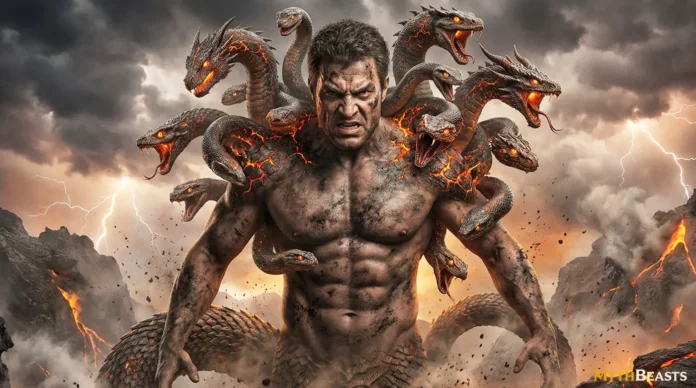
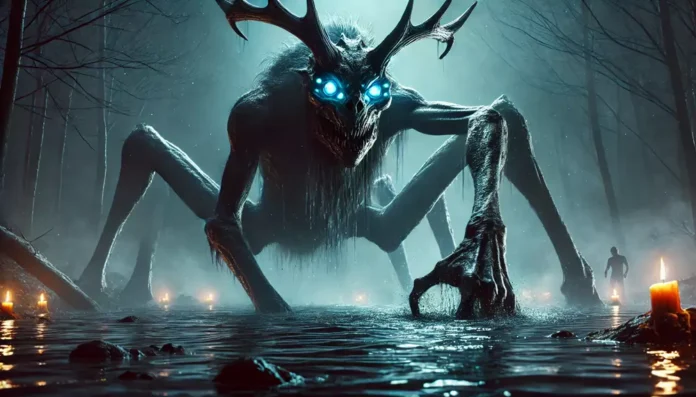
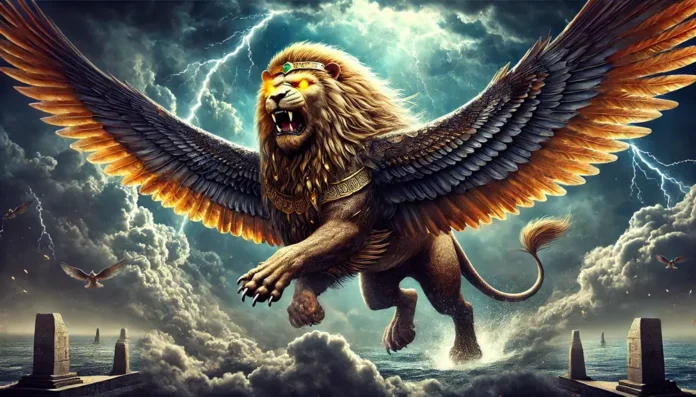
The lore type known as "Chaos Bringers" represents a recurring narrative pattern found in diverse mythologies worldwide. These entities or forces introduce disorder, often challenging established order or catalyzing transformation. They are integral to cosmological narratives, symbolizing the unpredictable elements of life and the universe. Their actions may lead to destruction or renewal, serving as agents of change. Chaos Bringers are often depicted as adversaries or necessary components of the cyclical process of creation and destruction.Core Characteristics and Themes
Narrative Function
In myths and folklore, Chaos Bringers often serve a crucial narrative function. They disrupt existing systems, compelling heroes and deities to respond, thereby driving plot progression. Such disruptions may lead to catastrophe or transformation, highlighting the necessity of adaptation. Their presence serves to test societal norms, challenging characters to evolve. By introducing disruption, Chaos Bringers force characters to confront deep-seated fears and uncertainties, often resulting in moral or existential resolutions.Symbolic Meaning
Chaos Bringers symbolically represent the inevitable unpredictability of existence, embodying fears associated with disorder and the unknown. They often reflect cultural anxieties about natural disasters, societal upheaval, and the fragility of order. Despite their destructive potential, they may also symbolize necessary renewal or change, reflecting cycles of life, death, and rebirth. Through their actions, they emphasize the value of resilience and adaptability in the face of uncertainty.Cultural Context and Worldview
Relationship to Religion and Belief
Within religious and cosmological systems, Chaos Bringers occupy a complex role. They may function as tests of faith or divine wrath, challenging human understanding of divine order. Their presence underscores the concept of duality, where chaos is necessary for balance. In some traditions, they are agents of deities, executing divine will, while in others, they act independently, representing existential threats to cosmic harmony.Role in Social or Moral Order
Chaos Bringers may reinforce societal norms by embodying moral lessons about the dangers of hubris or the need for vigilance. Their presence serves as a reminder of the boundaries between order and chaos, emphasizing the importance of maintaining societal stability. Through their disruptive actions, they highlight the consequences of failing to adhere to cultural values, reinforcing social cohesion and moral integrity.Associated Mythological Beings
Common Creature Archetypes
Mythological beings associated with Chaos Bringers include dragons, giants, and trickster figures, each embodying aspects of disorder and transformation. Dragons may symbolize raw, untamed natural forces, while tricksters often reveal societal hypocrisies. Giants frequently represent primordial chaos, challenging gods and heroes alike. Each archetype reflects distinct cultural attitudes toward chaos, whether as an adversary to be conquered or as a force to be integrated.Non-Creature Manifestations
Chaos Bringers can manifest through natural phenomena or abstract concepts, such as storms, earthquakes, or periods of anarchy. These manifestations symbolize the uncontrollable aspects of nature and human experience, emphasizing the limits of human control. They may also appear in symbolic narratives, embodying themes of uncertainty and transformation without being tied to specific creatures. Such manifestations highlight the pervasive influence of chaos across various dimensions of existence.Variations Across Cultures
Regional Interpretations
Different cultures interpret Chaos Bringers in varied ways. In Norse mythology, Jörmungandr embodies world-ending chaos, while in Hindu traditions, Kali represents transformative destruction. These variations reflect distinct cultural attitudes toward chaos, whether as an existential threat or a necessary aspect of cosmic balance. Each interpretation provides insight into cultural values and existential beliefs about the role of disorder in the universe.Shared Structural Patterns
Despite regional differences, Chaos Bringers share structural patterns across traditions. They often appear at critical narrative junctures, instigating transformation or challenging protagonists. Their characteristics, such as unpredictability and destructiveness, remain consistent, emphasizing universal themes of chaos and order. These shared patterns highlight the archetypal nature of Chaos Bringers, revealing common human concerns about the nature of existence and the role of disorder in the cosmos.Persistence and Transmission
Oral and Written Traditions
Chaos Bringers persist in mythologies through both oral and written traditions. Oral stories allow for dynamic interpretations, adapting to cultural shifts while maintaining core themes. Written accounts often formalize these narratives, preserving them for posterity. Both forms contribute to the enduring presence of Chaos Bringers, ensuring their continued relevance in cultural consciousness. Through storytelling, these entities maintain their significance, resonating with successive generations.Adaptation Over Time
The interpretation of Chaos Bringers evolves over time, reflecting changing cultural contexts and values. In some traditions, they shift from antagonistic forces to more ambivalent or even benevolent agents of change. This adaptability illustrates the dynamic nature of mythology, allowing Chaos Bringers to remain pertinent across historical periods. As societal attitudes toward chaos fluctuate, so too do the narratives and symbolism associated with these enigmatic figures.Scholarly Interpretation and Uncertainty
Symbolic vs Literal Readings
Scholars debate whether Chaos Bringers should be interpreted symbolically or literally. Some view them as allegorical, representing existential fears, while others consider them personifications of natural phenomena. The duality of their interpretation reflects broader discussions in mythology about the nature of mythic narratives. This debate highlights the complexity of these figures, as their meaning can vary widely depending on cultural and historical contexts.Limits of Historical Evidence
The historical evidence surrounding Chaos Bringers is often limited, leading to scholarly debates and uncertainty. Many traditions lack comprehensive records, complicating efforts to fully understand their significance. No verified sources describe these entities in exhaustive detail, leaving gaps in our understanding. This lack of evidence requires careful interpretation, acknowledging the limitations of our knowledge while appreciating the rich symbolism these figures embody in diverse mythologies.Classification Notes
Distinction from Related Lore Types
Chaos Bringers differ from related lore types in their focus on disorder and transformation. While similar entities may embody change, Chaos Bringers emphasize disruption of order, distinguishing them from creators or protectors. Their unique role underscores their classification as agents of chaos, setting them apart from other mythological figures. This distinction highlights their specific narrative function and symbolic significance within mythological systems.Use in Mythological Taxonomy
As a classification category, Chaos Bringers aid in understanding mythological systems by highlighting patterns of disruption and transformation. Their role as agents of chaos provides a framework for analyzing mythological narratives, allowing for comparative studies across cultures. By examining these entities, scholars gain insight into cultural attitudes toward chaos, order, and the nature of existence. This taxonomy category emphasizes the universal themes embodied by Chaos Bringers, contributing to a broader understanding of mythology.